
Best Pet Turtle Species for Beginners: A Simple Guide
Thinking about welcoming a pet turtle into your home but worried you might pick the wrong species or struggle with their care? I felt that same uncertainty years ago when I first considered adding a shelled companion to my life.
After caring for turtles and tortoises like my steady Russian Tortoise Austen for over a decade, I’ve seen what makes certain species ideal for newcomers. Choosing wisely ensures a happy, healthy pet and a rewarding experience for you.
In this article, we’ll explore: top beginner-friendly turtle species, their specific care needs, and essential tips for animal welfare.
Why Turtles Can Be Excellent Beginner Pets
Many people are drawn to the serene presence of a turtle. Their calm, deliberate pace can be a wonderful antidote to a hectic world. My Russian Tortoise, Austen, will often spend a sunny afternoon methodically exploring his enclosure, a lesson in patience I try to apply to my own life.
Their longevity is a unique benefit, offering a decades-long companionship. My Greek Tortoise, Bronte, has been with me for twelve years, and her graceful, thoughtful demeanor has been a constant. This long lifespan means your pet can grow with you through many of life’s chapters.
Turtles offer a distinct set of advantages for a beginner:
- Low Noise: They are wonderfully quiet companions, perfect for apartments or quiet homes.
- Engaging Behaviors: Watching them bask, forage, and explore is a simple, meditative joy.
- Less Daily Demanding: They don’t require walks or constant attention like a dog or cat.
This does come with a significant commitment. You are making a promise to care for an animal that may outlive other common pets. My Box Turtle, Orwell, is reserved but incredibly intelligent, reminding me that their needs are complex even if they aren’t loud.
Compared to more demanding pets, turtles stand out for their self-sufficiency and tranquil nature. They teach responsibility through consistent, quiet care rather than frantic activity.
Key Factors to Consider When Choosing a Beginner Turtle
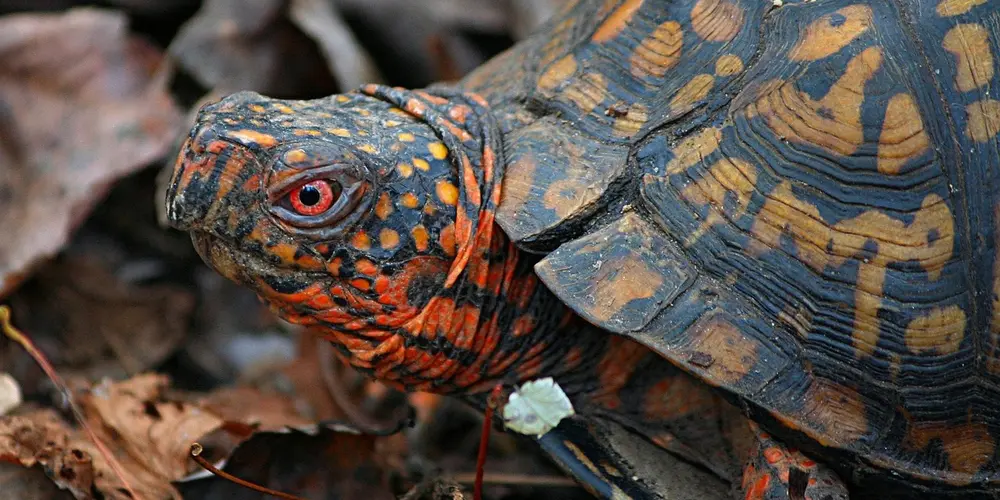
Selecting your first turtle is a big decision. A good choice sets you and your new shelled friend up for a happy, healthy life together. Use this checklist to guide your research and ensure you’re fully prepared. Before you buy, run through a 7-day turtle research checklist for prospective turtle owners to compare species, husbandry needs, and legal considerations. This will help you make an informed choice and avoid common pitfalls.
Evaluating Size and Space Requirements
Always plan for the adult size of the turtle, not the tiny juvenile you might see in a store. Size matters, but the key question is whether the enclosure actually meets their adult needs. Does your setup actually give them enough space to behave naturally? A small red-eared slider hatchling can grow to need a 75-gallon tank or larger aquatic setup. My Russian Tortoise, Austen, requires a spacious terrestrial enclosure to roam and dig. When considering the appropriate enclosure size for turtles, it’s crucial to ensure that it aligns with their adult requirements.
Here are some general space guidelines:
- Small aquatic turtles often need a minimum of 10 gallons of water per inch of shell length.
- Many tortoises need outdoor access or very large, secure indoor pens.
- Vertical space is important for climbing species, while terrestrial turtles need more floor space.
Assessing Temperament and Handling Ease
For beginners, a docile species is best. Russian and Greek Tortoises, like my Austen and Bronte, are typically gentle and tolerate gentle interaction well. They are less likely to snap or retreat deeply into their shells.
Some species are naturally shyer. Respecting a turtle’s desire for less handling is crucial for reducing their stress. My Box Turtle, Orwell, prefers to be an observer. I interact with him during feeding and habitat maintenance, letting him set the pace for any contact.
Understanding Care Difficulty and Maintenance
Turtle care is a commitment to a consistent routine. Their well-being depends entirely on the habitat and diet you provide; it’s important to understand the specific needs for both land and aquatic turtles.
Your weekly tasks will include:
- Daily feeding with a species-appropriate diet of greens, vegetables, and occasional protein.
- Spot-cleaning the enclosure to remove waste and uneaten food.
- Checking water quality and temperature for aquatic turtles.
- Weekly thorough cleaning of the entire habitat.
Animal welfare starts with responsible sourcing. I strongly advocate for adopting from a rescue or purchasing from a reputable breeder who can verify the turtle was born in captivity. Avoid wild-caught turtles, as this practice harms natural populations and often results in sick, stressed animals.
Top Recommended Turtle Species for New Owners
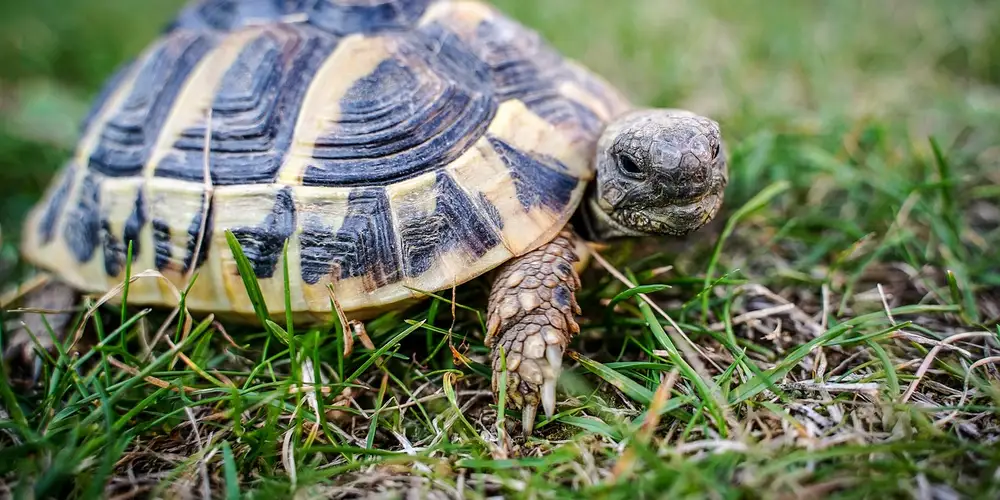
Choosing your first turtle feels like picking a lifelong friend-you want someone hardy, forgiving of beginner mistakes, and full of personality. I’ve found that species like red-eared sliders and painted turtles often thrive with new owners because they adapt well to routine care. Always check local laws; in Australia, red-eared sliders are restricted due to invasive risks, but online communities like Reddit’s turtle forums offer great advice on legal alternatives.
Red-Eared Slider: A Popular Choice
Red-eared sliders are like the golden retrievers of the turtle world-friendly, active, and incredibly resilient. Their hardiness makes them ideal for beginners who might fumble with initial setup tweaks. Pros include easy availability and a playful nature, but cons involve their size-they can grow over 12 inches, needing large tanks. From my experience, a balanced diet of pellets, veggies, and occasional protein keeps them healthy. I learned the hard way that skipping UVB lighting for turtles led to shell issues, so invest in a good basking lamp early.
Painted and Map Turtles: Vibrant and Manageable
If you love color, painted and map turtles dazzle with shells that look hand-painted. Their smaller size-often under 8 inches-means easier habitat management compared to bulkier species. Pros include vibrant appearances and generally calm temperaments, while cons might be their sensitivity to water quality. I feed mine a mix of commercial turtle food and leafy greens, and I’ve noticed they bask more than sliders, so a sturdy dock is key. Compared to red-eared sliders, they’re less likely to outgrow modest setups, making them a smart pick for apartment dwellers.
Russian and Greek Tortoises: Terrestrial Options
For those preferring land-dwelling pals, Russian and Greek tortoises offer steady companionship. My Russian tortoise, Austen, has taught me that their gentle pace encourages patience and mindfulness in care. Pros include manageable sizes and low humidity needs, but cons involve specific diet requirements-think high-fiber greens, no fruit. Bronte, my Greek tortoise, thrives on a mix of dandelion greens and Timothy hay, and I keep her enclosure dry with a shallow water dish. Box turtles, like my reserved Orwell, share similar terrestrial traits but need more humidity; I use a moist hide box to prevent shell problems. Always source from ethical breeders to support animal welfare, as wild captures harm populations.
Essential Setup for Your First Turtle Habitat
Creating a safe home for your turtle is like building a mini-ecosystem-it needs balance and attention to detail. I’ve made mistakes, like using a tank that was too small, but learning from them helped me perfect the setup. Follow this step-by-step guide to avoid common pitfalls and ensure your turtle thrives.
Selecting the Right Tank and Enclosure
Start with a tank that accommodates growth-for most species, aim for at least 40 gallons to start, upgrading as they mature. A spacious enclosure reduces stress and prevents territorial behaviors I’ve seen in cramped conditions. For aquatic turtles like sliders, glass aquariums work well, while tortoises like Austen do better in wooden or plastic tubs with secure lids. Turtle-proof by smoothing sharp edges and ensuring no escape routes; I once found Bronte trying to climb out, so now I double-check locks.
- Choose tanks based on adult size: 10 gallons per inch of shell length is a good rule.
- Use non-toxic materials to avoid chemical leaching into water or substrate.
- Include a basking area that’s easy to access, like a floating dock or ramp.
Lighting, Heating, and Filtration Basics
Lighting and heating are non-negotiable for turtle health—UVB rays help them metabolize calcium, preventing soft shells. I use a combo UVB and basking lamp set on a timer to mimic natural day cycles, which keeps my turtles active and healthy. Pros include better shell and bone development, but cons can be cost; invest in quality bulbs to avoid frequent replacements. For filtration, a canister filter handles waste efficiently—I learned this after dealing with cloudy water from undersized filters. Maintain a temperature gradient: basking spots around 90°F and water areas cooler, around 75°F. Regularly check humidity with a hygrometer; for tortoises, aim for 40-60% to support respiratory health. To diagnose your turtle’s habitat, use a quick checklist focused on perfect lighting, heat, and water. It helps you spot gaps at a glance and keep conditions optimal.
- Install UVB lighting 12 inches above basking areas, replacing bulbs every 6-12 months.
- Use a submersible heater for water turtles, set to species-specific temps.
- Clean filters monthly to prevent ammonia buildup, which I neglected early on.
Daily Care and Long-Term Health for Beginner Turtles

Caring for a pet turtle means building a routine that supports their well-being over many years. I’ve found that a balanced diet, combined with consistent habitat checks, keeps turtles like my Russian tortoise Austen thriving into his second decade. Senior turtle care often requires adjusting diet and habitat as aging pets change their needs. For seniors, I tailor meals and basking access to support joint mobility and shell health. Start with a feeding schedule that matches their age and species—younger turtles eat daily, while adults do well with meals every other day. Always include calcium and vitamin D3 supplements to prevent shell and bone issues, especially if natural sunlight is limited.
Common health problems, such as shell rot or respiratory infections, often stem from poor environment or nutrition. When Orwell, my box turtle, showed signs of a soft shell, I quickly added more calcium-rich foods and improved his UVB lighting, which made a huge difference. If symptoms persist or worsen—like lethargy, loss of appetite, swelling, or ongoing shell issues—it’s time to see a veterinarian. Preventive care involves regular habitat cleaning and monitoring for changes in behavior or appearance. Remember, turtles can live for decades, so this is a lifelong commitment that requires yearly vet visits to catch issues early and ensure their welfare.
Feeding and Nutrition Guidelines
A varied diet is key to keeping your turtle healthy and happy. Safe foods include dark leafy greens like kale and collards, along with vegetables such as carrots and squash, but avoid iceberg lettuce as it lacks nutrients. Supplement with calcium powder dusted on food twice a week and a multivitamin once a week to support shell and overall health. I balance this with occasional fruits like berries for treats, but in small amounts to prevent digestive issues. For a complete safe list of vegetables turtles can eat, this guide covers the core options. If you’re unsure about any new item, check it against that list before offering.
From my experience, picky eaters like Bronte, my Greek tortoise, taught me to introduce new foods slowly. I mixed her favorite greens with unfamiliar items over weeks, and now she enjoys a diverse menu without fuss. Always provide fresh water for drinking and soaking, as hydration aids digestion and prevents health setbacks.
- Safe foods: Dandelion greens, bell peppers, zucchini, and occasional insects for protein.
- Supplements: Calcium with D3, reptile multivitamins-apply lightly to avoid over-supplementation.
- Sample feeding schedule: Juveniles-daily small meals; adults-every other day, adjusting portions to avoid obesity.
Monitoring Health and Preventing Problems
Regular health checks help you spot issues before they become serious. Signs of a healthy turtle include clear eyes, a firm shell, and active behavior, like Austen’s steady roaming in his enclosure. Red flags to watch for are lethargy, nasal discharge, shell discoloration, or loss of appetite, which could indicate infections or nutritional deficits. I do a quick weekly inspection of each turtle’s shell and eyes, noting any changes in their usual patterns. It’s important to know how to tell if a turtle is sick so you can act promptly.
Simple routine steps include observing their eating habits and ensuring their habitat has proper temperature and humidity. If you notice persistent symptoms, such as Orwell’s occasional refusal to eat, it’s time to consult a vet specializing in reptiles. Early intervention, based on my years with these pets, often leads to quicker recoveries and reinforces the importance of proactive animal care.
- Routine checks: Weekly shell and skin inspection; daily observation of activity levels and appetite.
- When to seek help: If red flags last more than a day or two, or if you see swelling or difficulty moving.
FAQs
What are the best beginner turtles for a 75-gallon tank?
Painted turtles and map turtles are excellent choices for a 75-gallon tank as they typically stay under 8 inches in size. Their manageable growth and active nature make them ideal for beginners without overwhelming the space.
What are the best beginner turtles in Australia?
In Australia, consider native species like the eastern long-necked turtle or Murray River turtle due to legal restrictions on imports. These turtles are hardy and adapt well to local conditions, simplifying care for new owners.
What is the best beginner turtle for kids?
Russian tortoises are great for kids because of their docile temperament and ease of handling. Their low maintenance and gentle behavior help children learn responsibility without stress.
What do Reddit users recommend for beginner turtles?
On Reddit, users often suggest red-eared sliders and painted turtles for their resilience and abundant care resources. These species are popular due to their adaptability and the supportive community sharing tips. For beginners, a properly structured red-eared slider turtle care guide can be a practical roadmap to enclosure setup, lighting, diet, and health checks. These guides help new owners avoid common pitfalls and establish a solid care routine from day one.
What are the best pet turtle species for beginners?
Red-eared sliders and Russian tortoises are top picks for beginners thanks to their hardy nature and straightforward care. They are widely available and forgiving of minor mistakes in setup or feeding.
Your Turtle Journey Starts with Care and Commitment
From my time with Austen and Bronte, I’ve found that selecting a gentle species like the Russian or Greek tortoise makes for a smoother start in turtle keeping. Pair this choice with a well-set habitat and consistent feeding to support their long, healthy lives.
Owning a turtle means committing to their welfare for decades, so always prioritize their needs over convenience. Stay curious and connected to trusted resources to grow alongside your shelled friend, ensuring you both thrive together.
Further Reading & Sources
- r/turtle on Reddit: Best turtle for beginners?
- Best Pet Turtle Species for Beginners
- 12 of the Best Pet Turtles and Tortoises for Beginners – PetHelpful
- Articles: How to Choose Your Best Beginner Turtle?
Matthew is a dedicated turtle enthusiast and conservationist with over 15 years of experience in reptile care. Known affectionately as "The Leatherback" among his peers, he combines his passion for turtles with a commitment to educating pet owners on responsible turtle care and environmental stewardship.
Aquatic Turtles