
Why Is My Turtle Bubbling at the Mouth? (Respiratory Issues Explained)
Published on: January 17, 2026 | Last Updated: January 17, 2026
Written By: Matthew The
Noticing bubbles around your turtle’s mouth can spark immediate concern, as this is often a telltale sign of respiratory distress that needs quick, caring attention. I remember the first time I saw similar symptoms in my box turtle, Orwell-his usual reserved demeanor shifted, and I knew something was off, prompting a vet visit that taught me the importance of vigilance in reptile care.
This article covers: common causes, key symptoms to watch for, treatment steps, and preventive measures.
What Causes Turtle Mouth Bubbles?
Seeing bubbles around your turtle’s mouth is often a red flag for an underlying respiratory issue. The most common culprit is a bacterial or fungal respiratory infection, often triggered by suboptimal habitat conditions. Think of it like a human living in a cold, damp room-eventually, our own health would suffer too.
I’ve managed these conditions with my own shelled family, Austen and Bronte. Their health is my top priority, and ensuring their environment is perfect is the first step in preventing suffering.
Here are the primary triggers that can lead to mouth bubbling and respiratory distress:
- Poor Water Temperature: Water that is too cold can suppress their immune system, making them vulnerable to infection.
- Low Basking Heat: Without a proper, warm basking area, turtles cannot regulate their body temperature and dry out their shells, leading to illness.
- High Humidity & Poor Ventilation: A stagnant, overly humid enclosure creates a breeding ground for the bacteria that cause respiratory infections.
- Stress: Improper handling, loud noises, or an unsuitable tank mate can weaken their immune response.
I remember when Bronte, my Greek tortoise, once showed early signs of lethargy. It turned out her basking lamp was underperforming, and a simple equipment check was all it took to get her back on track. Proactive care is the kindest care.
Recognizing Symptoms of Respiratory Infections
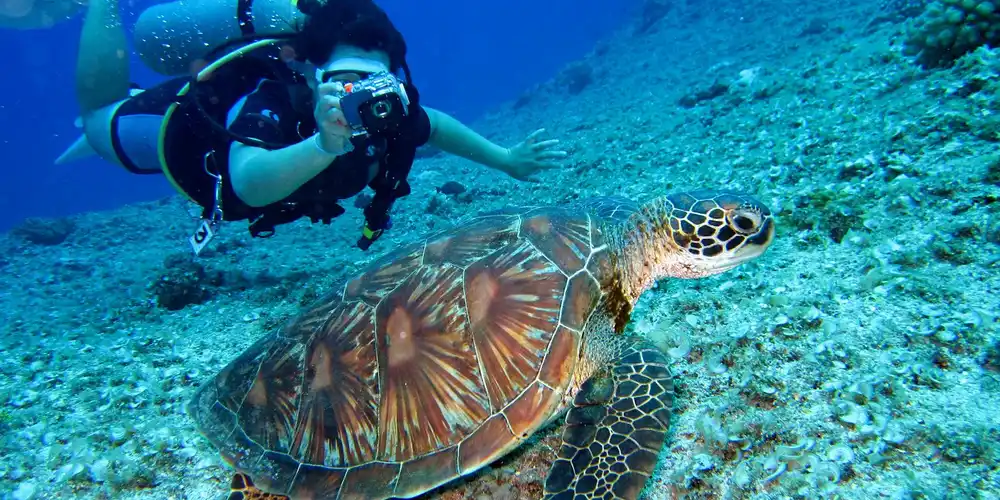
Catching a respiratory infection early is critical for a swift recovery. Daily, quiet observation is your most powerful tool for spotting subtle changes in your turtle’s behavior and appearance. That’s how I tell if my turtle is sick: I look for signs like abnormal breathing, lethargy, or a drop in appetite. I make it a habit to just watch my turtles for a few minutes each day during feeding or basking time.
Use this checklist to quickly identify potential problems:
- Bubbles or mucus from the nose or mouth
- A persistent cough or sneezing sound
- Lethargy or unusual lack of movement
- Loss of appetite or ignoring favorite foods
- Swimming lopsided or struggling to dive
- Puffy, swollen, or closed eyes
Any single one of these symptoms warrants a closer look at your turtle’s habitat and habits. A combination of them means it’s time to consult a veterinarian.
Signs of Upper Respiratory Infection (URI)
An Upper Respiratory Infection is the early, more common stage of illness. You might notice small, clear bubbles around the nostrils or a slight, watery nasal discharge. These are common early warning signs of respiratory infections in turtles. Your turtle may seem a little less active than usual but will often still eat. If you notice these signs, monitor closely and seek veterinary care promptly.
This is much less severe than pneumonia. Think of a URI as a turtle’s version of a common cold, while pneumonia is a serious lung infection. Early intervention at this stage can prevent a lot of suffering and a much more difficult treatment process.
Symptoms of Pneumonia or Tracheal Infection
When an infection progresses to the lungs or trachea, the symptoms become critical. You will likely see extensive, thick mucus bubbles from the mouth and nose, sometimes tinged with white or yellow. The breathing will be visibly labored; you might see the throat pulsing heavily or hear gurgling or wheezing sounds.
The turtle will often become extremely weak, refusing all food and spending all its time on the bottom of the tank or hiding. This is a life-threatening emergency that requires immediate veterinary care to prevent a tragic outcome. Do not delay, especially when it comes to critical health issues in pet turtles.
Assessing the Severity of Mouth Bubbling
When your turtle starts bubbling at the mouth, it’s like a quiet alarm bell ringing in your home. Recognizing the severity early can make all the difference in your pet’s recovery and comfort.
I’ve seen this with my own turtles over the years, and it always reminds me to stay observant and responsive.
Mild Symptoms
Mild cases often involve occasional bubbles with no other distress signs. Your turtle might still be active and eating, much like my Russian Tortoise Austen who had a few bubbles after exploring a dusty corner of his habitat.
He remained his gentle, steady self, and I simply kept an eye on him without panic.
Moderate Symptoms
Moderate symptoms include more frequent bubbling paired with lethargy or a drop in appetite. This is when you should increase your monitoring, as I did with Bronte, my Greek Tortoise, when she lost some of her graceful energy during a minor illness.
Her golden brown shell seemed duller, and I knew it was time to step up care.
Severe Symptoms
Severe cases show constant bubbling, wheezing sounds, gasping, or complete refusal to eat. If your turtle exhibits these, it’s a clear signal for urgent action, similar to when my Box Turtle Orwell struggled to breathe and became unusually reserved.
His dark brown shell felt cooler, and I rushed to get help.
| Severity Level | Symptoms | Recommended Action |
|---|---|---|
| Mild | Occasional bubbles, normal activity and appetite | Monitor at home, ensure ideal habitat conditions |
| Moderate | Frequent bubbles, lethargy, reduced eating | Close observation, consider a vet consultation |
| Severe | Constant bubbles, wheezing, gasping, no eating | Immediate veterinary care required |
Reflecting on these levels helps you gauge your turtle’s needs without second-guessing. Trust your instincts-if something feels off, it probably is, and early intervention can prevent bigger problems. If you notice unusual behavior, a quick behavioral diagnostic checklist for why my turtle is acting strange can help identify likely causes. It guides you to review temperature, lighting, diet, and enclosure stressors.
Emergency Steps for Turtle Bubbling at the Mouth
If your turtle’s bubbling escalates, acting swiftly but calmly is key to reducing stress and supporting recovery. Respiratory issues can worsen with panic, so take a deep breath and focus on these simple steps.
I’ve been in this situation with Orwell, and staying composed made a world of difference for both of us.
- Isolate your turtle in a separate, quiet enclosure to minimize stress from other pets or noise.
- Adjust temperatures to the optimal range for your species, providing a warm, stable environment without sudden changes.
- Ensure clean, fresh water is available, as contaminants can irritate the respiratory system and hinder healing.
Keep your movements gentle and reassuring to avoid startling your pet. Quick, calm actions can lower stress levels, which often improves breathing and overall well-being.
If symptoms don’t improve or seem severe, contact a reptile vet right away-delaying care risks complications, as I learned when Orwell needed prompt treatment to recover fully.
Advocating for professional help ensures your turtle gets the best chance at a healthy life. Veterinarians debunk the 10 most dangerous turtle-care myths, helping you separate fact from fiction. Your vigilance and love are powerful tools in protecting these amazing creatures from harm.
At-Home Care for Respiratory Issues
When your turtle shows signs like mouth bubbling, simple home adjustments can make a big difference. I’ve found that focusing on their environment first often eases mild respiratory distress without stress. Aquatic turtles must surface to breathe, so clean water, good filtration, and a warm basking area support healthy respiration and overall habitat health.
- Optimize water quality by testing for ammonia and nitrites weekly, and change 25-50% of the water if levels spike.
- Maintain a proper basking spot with a temperature of 85-90°F, ensuring it’s dry and easily accessible for your turtle to warm up.
- Use dry docking by placing your turtle in a clean, shallow container with a damp towel for short periods to reduce moisture exposure.
Safe, temporary supplies include a digital thermometer, water conditioner, and a small container for dry docking. Always handle your turtle gently, supporting their shell fully to avoid startling them—I learned this with Bronte, who calms down when I move slowly. When you’re just starting out, it’s important to know how to care for a pet box turtle properly.
Improving Environmental Conditions
Adjusting your turtle’s habitat can stop respiratory issues from worsening. Small tweaks to temperature and airflow often bring quick relief, as I saw with Orwell’s recovery.
- Set water temperature between 75-80°F for most species, using an aquarium heater if needed.
- Keep humidity around 50-70% by misting the enclosure lightly or using a humidifier, but avoid making it too damp.
- Improve ventilation by ensuring the tank lid isn’t completely sealed, allowing fresh air to circulate without drafts.
Supportive Care Practices
Gentle methods like steam therapy can help clear your turtle’s airways. I’ve used a warm, steamy bathroom session for Austen, which eased his breathing without any fuss.
- Offer hydration support by soaking your turtle in shallow, lukewarm water for 15-20 minutes daily to encourage drinking.
- Avoid using human medications or forcing food, as this can cause more harm than good.
Steer clear of harsh chemicals or sudden temperature changes to prevent stress. Patience is key-rushing treatments can scare your turtle and delay healing.
When to Seek Veterinary Care
If home care doesn’t help, it’s time to call a professional. Persistent bubbling or lethargy signals that your turtle needs expert attention fast. Sometimes a turtle may look motionless while hibernating, so check for any signs of life like faint breathing or a nudge of movement. If you’re unsure, a veterinarian can help determine whether your turtle is hibernating or has passed away.
- Watch for red flags like continuous mouth bubbling, labored breathing, or refusal to eat for more than a day.
- Seek help if symptoms worsen or show no improvement after 2-3 days of home care.
Find a reptile-savvy vet by checking online reviews or asking local pet stores for referrals. During a visit, expect a physical exam and possibly X-rays to rule out infections, much like when Bronte needed treatment for a similar issue.
My own vet visits taught me that early intervention saves lives—don’t wait if you’re unsure. There are many misconceptions that delay critical vet visits for turtles. Recognizing these myths can help you seek timely veterinary help. Reptile vets are trained to handle these cases with care, so your turtle will be in good hands.
Preventing Mouth Bubbles in Turtles
The best cure is always prevention, and this holds especially true for respiratory issues in turtles. Creating a stable, clean, and stress-free habitat is your single most powerful tool for keeping your turtle healthy. I learned this through trial and error with my own shelled family. My Greek tortoise, Bronte, once developed a slight sniffle after I was inconsistent with her habitat’s humidity, and it was a stark reminder that these creatures thrive on routine and precision.
Optimal Enclosure Setup
Think of your turtle’s enclosure as its entire world. If that world is out of balance, its health will be, too. Maintaining the correct thermal gradient is non-negotiable for a healthy immune system.
- Water Temperature: For aquatic turtles, aim for 75-80°F (24-27°C). A reliable aquarium heater is essential.
- Basking Spot Temperature: This area must be significantly warmer, between 85-95°F (29-35°C), to allow for proper digestion.
- Ambient Air & Humidity: For many species, like my Russian tortoise Austen, humidity levels should be around 40-60%. A simple hygrometer helps you monitor this.
Key equipment includes a high-quality water filter, a thermostatically controlled basking lamp, and a UVB light. I perform a partial water change for my aquatic turtles every week and a full substrate clean for the tortoises monthly. This routine prevents the buildup of harmful bacteria and ammonia that can irritate their respiratory systems.
Routine Health Checks
Spending just five minutes each week on a focused check-up can save you from major worries later. Catching a small change in behavior or appearance early makes all the difference. I do this every Sunday morning-it’s our little health ritual.
- Observe their breathing. Is it silent and effortless, or can you hear any wheezing or see bubbles?
- Check their eyes and nose. They should be clear and free of any discharge.
- Watch them eat. A sudden lack of appetite is a universal sign that something is wrong.
- Monitor their activity levels. Is your turtle basking normally, or is it unusually lethargic?
My box turtle, Orwell, taught me the value of this. I once noticed he was less interested in his evening snail. A quick check revealed his basking spot was a few degrees too cool. A simple bulb adjustment and he was back to his curious, intelligent self the next day.
Prognosis and Recovery for Turtles with Mouth Bubbles
Seeing your turtle unwell is frightening, but with prompt action, many make full recoveries. The prognosis is generally good for respiratory infections caught and treated early. The timeline hinges on the infection’s severity and your turtle’s overall vitality.
A mild case, identified quickly, might clear up within a week or two of antibiotic treatment and habitat corrections. More advanced cases, especially those involving pneumonia, require a longer, more dedicated course of treatment, sometimes lasting a month or more. Younger turtles and those who were previously in robust health tend to bounce back faster. Age and underlying conditions can slow the healing process, but they don’t make recovery impossible.
I have a very hopeful story from my own experience. My tortoise, Austen, once developed a respiratory infection after a sudden cold snap affected his indoor enclosure. He was listless and had those dreaded mouth bubbles. It was a scary time. But with immediate vet care, a strict regimen of antibiotics, and me diligently maintaining his habitat at perfect conditions, he slowly returned to his gentle, steady self. His recovery took about three weeks, and watching him slowly regain his strength was a powerful lesson in patience and attentive care. Your vigilance and love are critical medicines in their own right.
FAQs
Can mouth bubbles in turtles be caused by issues other than respiratory infections?
Yes, mouth bubbles can occasionally result from oral injuries, foreign objects, or irritants in the water. However, respiratory infections are the most common cause and should be evaluated first to ensure proper care.
How long does it typically take for a turtle to recover from mouth bubbles with treatment?
Recovery time depends on the infection’s severity; mild cases often improve within 1-2 weeks with treatment. More advanced issues may require several weeks of consistent care and follow-up vet visits.
Are some turtles more prone to developing mouth bubbles than others?
Younger turtles and those with weakened immune systems are generally more susceptible to respiratory issues. Providing a stable, stress-free environment can help minimize risks for all turtle species.
Final Thoughts on Turtle Health
If you see your turtle bubbling at the mouth, please contact a reptile veterinarian immediately, as this is a serious sign of a respiratory infection. Alongside professional treatment, focus on correcting your turtle’s habitat by ensuring proper warmth, clean water, and good air quality.
Being a turtle guardian means committing to a lifelong journey of learning about their specific needs and subtle behaviors. Your attentive care and willingness to grow your knowledge are the most powerful tools you have for ensuring your shelled friend lives a long, healthy, and happy life.
Further Reading & Sources
- Common Diseases of Aquatic Turtles | VCA Animal Hospitals
- My turtle have bubbles at its eyes, mouth and nose and isn’ …
- Bubbles & Breathing Problems in Aquatic Turtles | Arizona Exotics | -Tortoises & Turtles Resources
- Tortoise Foaming At The Mouth? Here’s What To Do | Tortoise Owner
Matthew is a dedicated turtle enthusiast and conservationist with over 15 years of experience in reptile care. Known affectionately as "The Leatherback" among his peers, he combines his passion for turtles with a commitment to educating pet owners on responsible turtle care and environmental stewardship.
Signs of Illness