
Critical Pet Turtle Health Issues to Monitor Closely
Published on: January 22, 2026 | Last Updated: January 22, 2026
Written By: Matthew The
You might be noticing small changes in your turtle’s shell or behavior and wondering if they signal a deeper health problem. I’ve felt that same concern while caring for my own turtles, like Austen, whose steady nature once masked early shell issues until I learned the signs.
This article covers shell conditions, respiratory infections, nutritional imbalances, eye problems, and parasite risks. Recognizing these early can make all the difference for your pet’s well-being.
Recognizing Early Signs of Illness in Your Turtle
Spotting illness early can save your turtle from discomfort and serious health issues. Watch for subtle shifts in their daily routines, as these often hint at underlying problems.
- Common symptoms include lethargy, loss of appetite, and abnormal behavior like hiding excessively or swimming erratically.
Follow these steps to monitor your turtle closely:
- Check activity levels daily-healthy turtles are alert and move purposefully.
- Observe eating habits; a sudden refusal of food for more than a day is a red flag.
- Inspect the shell for any changes in texture, color, or shape during handling.
From my years with turtles like Austen, my gentle Russian Tortoise, I learned that even small changes matter. Once, Austen avoided his favorite basking spot for days, which tipped me off to a minor infection before it worsened. Bronte, my graceful Greek Tortoise, showed her thoughtful side by eating less when stressed-a cue I now watch for closely.
Shell Problems: Rot, Injuries, and Deformities
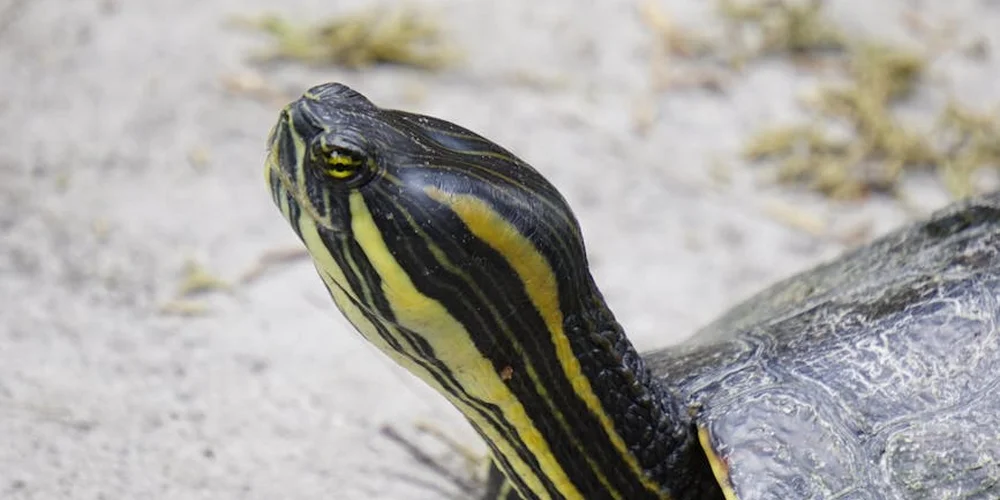
Shell issues often stem from poor water quality, physical trauma, or improper diet. Regular checks help you catch problems before they escalate, ensuring your turtle’s shell stays strong and healthy. For a comprehensive, step-by-step guide, see the ultimate turtle health troubleshooting checklist from Shell Tail. This resource walks you through detecting warning signs and prioritizing care to keep your turtle thriving.
Common causes include dirty habitats, rough handling, or nutritional imbalances that weaken the shell over time.
Use this checklist to identify shell problems early:
- Soft spots or spongy areas when gently pressed.
- Discoloration, like white patches or dark streaks.
- Unusual growths, cracks, or peeling layers.
Preventive measures focus on consistent care. Maintain clean water with weekly changes and use a filter to reduce bacteria buildup. Handle your turtle gently to avoid drops or scrapes, and provide a balanced diet rich in calcium. With Orwell, my reserved Box Turtle, I’ve seen how a clean enclosure prevents shell rot—his dark brown shell stays vibrant with minimal upkeep. An ultimate turtle habitat cleaning schedule helps you stay on track with routine maintenance. Set a calendar to perform weekly water changes, filter checks, and monthly substrate cleanups.
Respiratory and Oral Health Concerns
You might spot respiratory infections if your turtle has nasal discharge or bubbles from the nose, along with wheezing sounds. Watch for mouth rot signs like swollen gums, pus, or reluctance to eat, as these can escalate quickly without intervention. Eye issues often show as puffiness, discharge, or the turtle keeping its eyes shut for long periods. If you are ever unsure about whether your turtle is sick, it’s best to consult a vet.
- Nasal discharge or bubbling
- Swelling around the mouth or eyes
- Lethargy or labored breathing
To diagnose breathing problems, gently listen for raspy noises when your turtle breathes and observe if it breathes with its mouth open. For oral health checks, use a soft cloth to wipe the mouth area and look inside for redness or sores, but always handle your pet calmly to avoid stress. I recall Austen, my Russian Tortoise, once had a slight nasal discharge; I checked his breathing and found it was due to low humidity in his enclosure. Early warning signs of respiratory infections in turtles include nasal discharge, coughing, or mouth-breathing. If you notice any of these, consult a reptile veterinarian promptly.
- Observe breathing patterns daily
- Inspect the mouth and eyes weekly for abnormalities
- Note any changes in appetite or activity levels
Environmental factors play a huge role here; improper humidity can dry out their respiratory tracts, while incorrect temperatures weaken their immune systems. Maintaining a humidity level around 50-70% and a basking spot at 85-90°F helps prevent these issues, as I learned after adjusting Bronte’s habitat to include a humid hide. Keep a thermometer and hygrometer in the enclosure to monitor these conditions regularly.
Nutritional Deficiencies and Metabolic Disorders
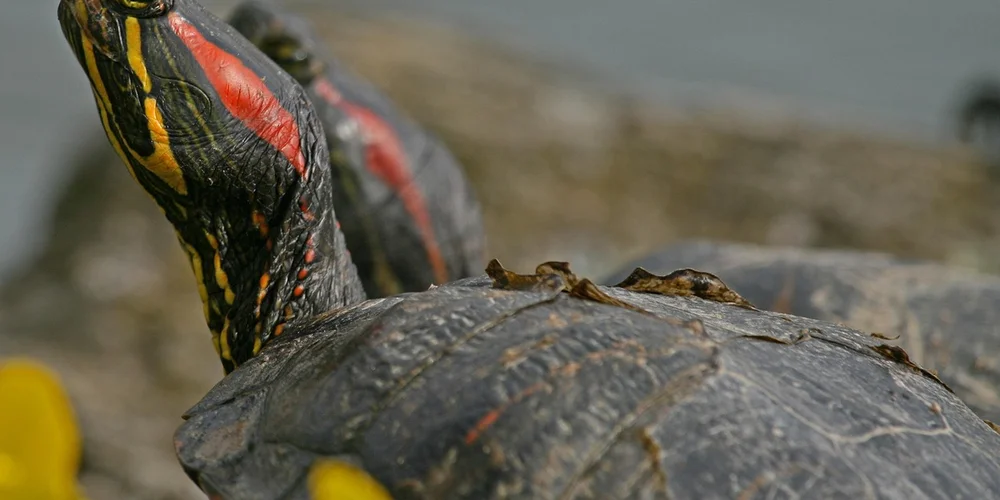
Vitamin A deficiency often shows up as swollen eyelids or frequent respiratory infections, while calcium imbalance might cause a soft or deformed shell. Metabolic bone disease can lead to weakness, limb tremors, or shell abnormalities, signaling a serious need for dietary changes. Orwell, my Box Turtle, once had a slightly soft shell, which prompted me to revamp his calcium intake immediately.
- Swollen eyes or skin issues from low Vitamin A
- Soft, rubbery shell from calcium lack
- Difficulty moving or fractures from metabolic disorders
Address deficiencies by including Vitamin A-rich foods like dark leafy greens and orange vegetables, and add calcium sources such as cuttlebone or powdered supplements. I mix in grated carrots and kale for Austen and Bronte, and they’ve shown brighter eyes and stronger shells over time. Always dust their food with a vet-recommended calcium supplement a few times a week to balance their diet.
- Offer varied greens like collard greens and dandelion leaves
- Provide calcium blocks or crushed eggshells as supplements
- Limit high-oxalate foods that can bind calcium
After noticing Bronte’s graceful movements slowing, I increased her calcium intake with supplements, and she perked up within a month. Regular diet adjustments based on species needs-like more protein for Box Turtles-can prevent many metabolic issues and support overall vitality. This hands-on approach has kept my turtles healthy and active for years.
Environmental Factors Affecting Turtle Health
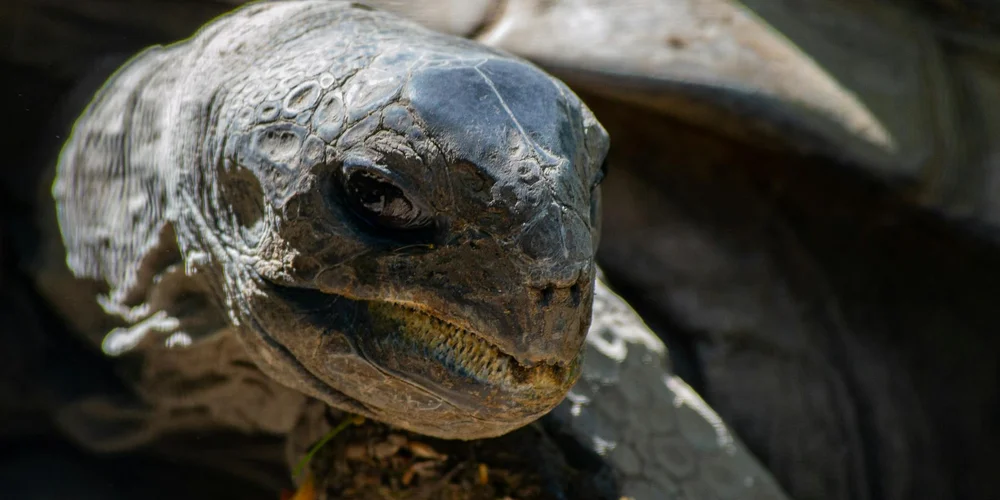
Your turtle’s home environment is the foundation of its well-being. I’ve seen firsthand how small changes in water quality, lighting, and temperature can dramatically affect a turtle’s vitality and lifespan. To diagnose your turtle’s habitat, use a simple checklist for perfect lighting, heat, and water. Regular checks help you catch issues early and keep your turtle thriving.
The Three Pillars of a Healthy Habitat
Think of these elements as the non-negotiable trifecta for a thriving turtle.
- Water Quality: Clean water is paramount for aquatic and semi-aquatic species. Waste products like ammonia build up quickly, leading to skin, shell, and respiratory infections. My Russian tortoise, Austen, may not swim, but his soaking water needs daily changes to prevent bacterial growth.
- UVB Light: Turtles cannot process calcium without UVB rays, which are essential for strong bones and a healthy shell. Without it, they develop Metabolic Bone Disease (MBD), a debilitating and painful condition.
- Temperature Gradients: Turtles are ectotherms; they rely on their environment to regulate their body temperature. A proper enclosure must offer a warm basking area and a cooler zone so they can thermoregulate effectively.
Steps to Maintain Ideal Conditions
Consistency is your best tool for prevention. Here is my weekly routine.
- Test Water Weekly: Use a liquid-based aquarium test kit to check for ammonia, nitrites, and nitrates. Aim for zero ammonia and nitrites.
- Change Water Regularly: Perform a 25-50% water change weekly. Use a water conditioner to remove harmful chlorine and chloramines.
- Check UVB Output: UVB bulbs lose strength long before they burn out. Replace them every 6-12 months, even if they still emit visible light.
- Monitor Temperatures Daily: Use separate thermometers for the basking spot (should be species-specific, often 85-95°F) and the water/cool side (typically 75-80°F).
Common Mistakes and How to Avoid Them
Learning from others’ errors can save you and your turtle a lot of stress.
- Ammonia Toxicity: This is a silent killer often caused by overfeeding, overstocking, or inadequate filtration. If you notice a foul smell or your turtle is lethargic and refusing food, test the water immediately. A powerful, correctly sized filter is a must.
- Basking Issues: Placing the basking lamp too far away means your turtle cannot get warm enough to digest food or fight off illness. Too close, and you risk thermal burns. Ensure the platform is easily accessible and the temperature is perfect.
When to Seek Veterinary Care for Your Turtle
Turtles are masters of hiding illness, a survival instinct in the wild. By the time a problem is obvious to us, it has often been progressing for some time. Early intervention is everything. That’s where a behavioral diagnostic checklist comes in handy if your turtle is acting strange. It helps you track changes in activity, appetite, and enclosure-related cues before deciding on next steps.
Scenarios Requiring Professional Help
Do not hesitate to call an exotic animal vet if you observe any of the following.
- Persistent Lack of Appetite: A turtle skipping a meal or two can be normal, especially during seasonal changes. But if my Greek tortoise, Bronte, refuses food for more than a week, it’s a major red flag.
- Respiratory Distress: Look for bubbling at the nose or mouth, wheezing sounds, or swimming lopsidedly. These are classic signs of a respiratory infection that needs antibiotics.
- Shell Problems: Soft areas, pits, discharge, or a foul odor from the shell indicate shell rot or advanced MBD. Pyramiding, where the scutes rise into peaks, is often a sign of long-term dietary or environmental issues.
- Eye Issues: Swollen, puffy, or permanently closed eyes are a common symptom of vitamin A deficiency or poor water quality.
- Trauma: Any crack in the shell, dog bite, or serious fall requires immediate veterinary assessment.
Preparing for a Vet Visit
A little preparation helps the vet make a faster, more accurate diagnosis.
- Bring clear photos of your turtle’s full enclosure, including the lighting setup.
- Note down your turtle’s exact diet, basking temperatures, and the brand of UVB light you use.
- Transport your turtle in a secure, ventilated container lined with a damp (not wet) towel.
Expect the vet to perform a physical exam, possibly take X-rays, and ask detailed questions about your husbandry. They are a partner in your turtle’s health, not a judge. Learn more about what to expect during a turtle’s routine checkup.
The Critical Nature of Early Intervention
My box turtle, Orwell, once had a small, seemingly innocuous scratch on his plastron. I almost dismissed it. I’m grateful I didn’t, as the vet caught the very early stages of a fungal infection that could have become systemic. A simple topical treatment solved it. Waiting even a week would have made it a much bigger battle. Trust your instincts-you know your turtle best.
Preventive Care for a Healthy Turtle Life
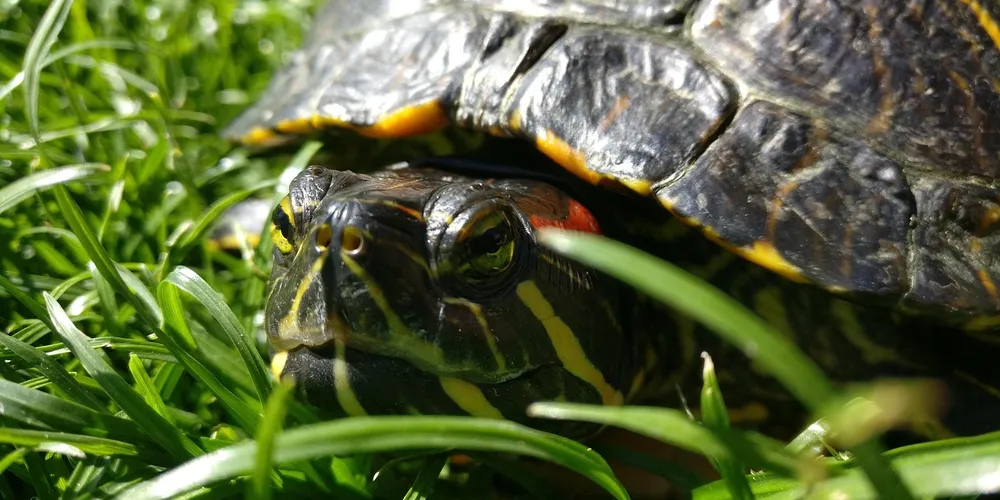
Keeping your turtle thriving starts with consistent, gentle routines that mirror their natural rhythms. From my years with Austen, Bronte, and Orwell, I’ve learned that a little daily attention prevents big health scares down the road; it’s just as important as providing activities to keep them active and engaged. Think of it as building a steady foundation for their well-being, where small habits add up to a lifetime of vitality.
Essential Daily and Weekly Routines
Stick to these simple practices to ward off common problems like shell rot or digestive issues. Regular bathing, for instance, helps my Russian tortoise Austen stay hydrated and supports healthy shedding. Here’s a breakdown of key routines:
- Bathing: Soak your turtle in shallow, lukewarm water for 15-20 minutes weekly. This encourages hydration and cleans their shell. I do this with Bronte, my Greek tortoise, and it keeps her skin supple.
- Enclosure Cleaning: Remove waste daily and do a full habitat clean every two weeks. Scrub surfaces with a reptile-safe disinfectant to prevent bacteria buildup. Orwell’s box turtle home stays fresh this way, reducing stress.
- Diet Management: Offer a balanced mix of leafy greens, vegetables, and occasional proteins based on species. I rotate foods for variety-Austen adores dandelion greens, which are packed with nutrients.
Monitoring Health Signs Closely
Watch for subtle changes in shedding, hydration, and weight to catch issues early. Hydration is crucial; I mist the enclosure to maintain humidity, especially for species like Bronte who need it for smooth shedding. Use these tips to stay alert:
- Shedding: Check for even, gradual shedding of skin and scutes. If pieces stick or look uneven, it might signal poor nutrition or habitat issues. With Orwell, I gently assist only if needed, never forcing it.
- Hydration: Observe for bright eyes and elastic skin. Dehydration shows in sunken eyes or lethargy-offer fresh water daily and consider soaks if concerned.
- Weight Tracking: Weigh your turtle monthly with a kitchen scale. Sudden loss can indicate illness, while gain might mean overfeeding. I log weights for all three of mine to spot trends.
Prioritizing Animal Welfare Through Habitat and Care
A proper habitat and vet visits are non-negotiable for ethical turtle ownership. Setting up a space that mimics their natural environment reduces stress and promotes natural behaviors, something I’ve seen firsthand with my trio. To do that well, create a naturalistic turtle habitat with proper decor that mirrors their wild environment. Thoughtful decor—driftwood, rocks, live or realistic plants, and appropriate substrate—helps them feel secure and explore. Focus on these elements:
- Habitat Setup: Ensure ample space, correct temperature gradients, and UVB lighting for shell and bone health. For example, Austen’s enclosure has basking spots and hiding areas to mimic his native grasslands.
- Regular Check-ups: Schedule annual vet exams to detect hidden issues like parasites or metabolic bone disease. Early visits for Bronte caught a minor vitamin deficiency we easily corrected.
FAQs
What are safe home remedies for turtle health issues?
Safe home remedies include maintaining optimal habitat conditions, such as clean water and proper basking areas, to support overall wellness. However, always consult a veterinarian for accurate diagnosis and treatment to avoid exacerbating health problems.
What should I feed a sick turtle to support recovery?
Offer easily digestible, nutrient-rich foods like softened pellets or pureed vegetables to encourage appetite and hydration. Consult a vet for tailored dietary advice based on the specific illness to ensure a safe and effective recovery.
How to treat mouth rot in turtles?
Mouth rot requires professional veterinary care, typically involving antibiotics and thorough cleaning of the affected area. Maintain impeccable enclosure hygiene to prevent recurrence and support healing, but never attempt self-treatment without expert guidance.
Your Lifelong Journey with Your Turtle
Based on my years caring for Austen, Bronte, and Orwell, staying alert to shifts in behavior and shell health is your best defense against common ailments. Consistent habitat maintenance and a balanced diet are non-negotiable for preventing issues like metabolic bone disease or infections.
Embrace your role as a guardian by committing to regular vet visits and staying informed through reliable care guides. Your dedication to learning and adapting ensures your turtle enjoys a vibrant, fulfilling life under your watchful care. Start preparing for your turtle’s first vet visit—choose a reptile-savvy veterinarian and schedule a checkup soon after bringing your turtle home. This initial visit helps establish a health baseline and a tailored care plan.
Further Reading & Sources
- Common Diseases of Aquatic Turtles | VCA Animal Hospitals
- Caring for Your Turtle Pet: Common Health Issues in Pet Turtles – Allan’s Pet Center
- Common Diseases of Box Turtles | VCA Animal Hospitals
- How to Keep Your Pet Turtle Healthy and Happy | PetMD
Matthew is a dedicated turtle enthusiast and conservationist with over 15 years of experience in reptile care. Known affectionately as "The Leatherback" among his peers, he combines his passion for turtles with a commitment to educating pet owners on responsible turtle care and environmental stewardship.
Signs of Illness