
How Often Should a Pet Turtle See a Veterinarian?
You might be wondering how often your turtle needs a vet visit, perhaps worrying about missing early signs of illness or not providing the best care.
This article will guide you through: age-based vet schedules, common health red flags, and preventive care steps.
From my years with Austen, my Russian Tortoise, I’ve learned that consistent vet checks are vital for their long-term health and happiness.
Routine Vet Visit Schedule for Pet Turtles
Initial Veterinary Visit for New Turtles
Bringing home a new turtle feels exciting, but that first vet appointment sets the stage for a healthy life. Schedule this visit within the first two weeks to catch any hidden issues early. I remember when I adopted Orwell, my box turtle; the vet found minor shell abnormalities we could address right away. This check helps rule out parasites, respiratory infections, or nutritional deficits common in new pets. Your vet will assess overall health and tailor advice to your turtle’s species and age.
- Conduct a full physical exam to check weight, shell condition, and mobility
- Perform fecal tests for internal parasites
- Review habitat setup and diet recommendations
Annual Wellness Exams for Healthy Adult Turtles
For adult turtles like my Russian tortoise Austen, annual visits keep small problems from becoming big ones. Yearly check-ups help monitor gradual changes that are easy to miss at home. These exams focus on preventive care, such as evaluating shell wear or detecting early signs of metabolic bone disease. I’ve seen Bronte, my Greek tortoise, benefit from consistent annual screenings that track her graceful aging. It’s a simple habit that supports their steady, long-term health.
- Update vaccinations or treatments if needed
- Assess diet and weight to prevent obesity or deficiencies
- Discuss behavioral changes or environmental adjustments
Special Considerations for Juvenile or Senior Turtles
Young turtles grow rapidly and seniors face age-related challenges, so their vet schedules differ. Juveniles may need visits every six months to support proper development and shell growth. Older turtles, like those over 20 years, often require semi-annual exams to manage arthritis or organ function decline. From my experience, tailoring care to life stages ensures each turtle thrives-whether it’s a spry juvenile or a wise elder.
- Increase frequency for juveniles to monitor growth spurts
- Focus on joint health and vision in senior turtles
- Adjust diet and supplements based on age-specific needs
What to Expect During a Turtle Wellness Exam
Physical Examination Components
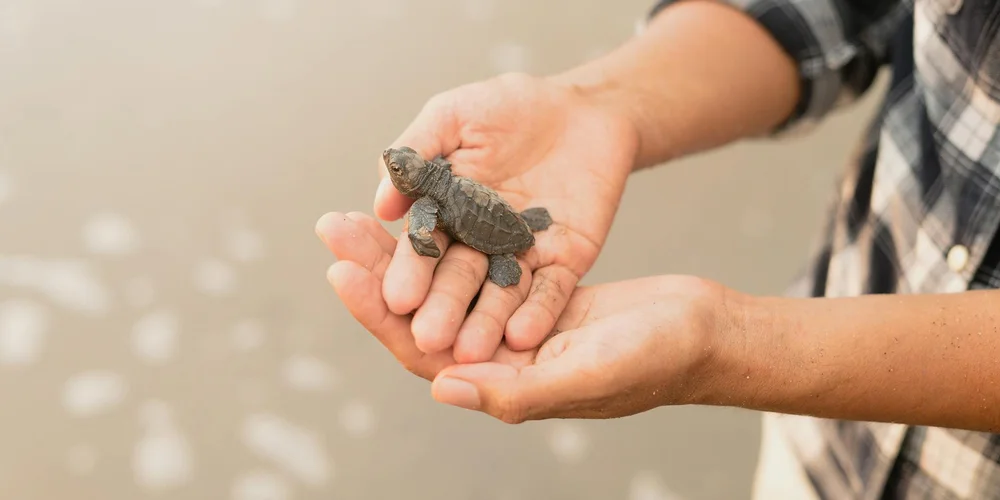
A thorough physical exam feels like a gentle head-to-toe inspection for your turtle. Vets check the shell for cracks, soft spots, or discoloration that could indicate health issues. They’ll examine eyes, nose, and mouth for discharge or swelling, and palpate the limbs and tail for lumps or tenderness. When Bronte visits, the vet always comments on her smooth shell and alert demeanor-it’s reassuring to see every part assessed with care.
- Shell integrity and scute alignment
- Skin and scale condition for sores or mites
- Respiratory rate and audible breathing sounds
Diagnostic Tests and Screenings
Beyond the physical, diagnostic tests offer a deeper look into your turtle’s well-being. Fecal exams screen for parasites, while blood tests can reveal organ function or infections. For Orwell, these screenings once detected a minor vitamin imbalance we corrected with diet changes. X-rays might be used to check for egg binding or bone density, especially in older turtles. These tools provide peace of mind and catch issues before they affect quality of life.
- Fecal analysis to identify worms or protozoa
- Blood panels for metabolic and immune health
- Imaging like radiographs for internal assessments
Recognizing Signs Your Turtle Needs a Vet
Your turtle might not meow or bark when something is wrong, so you need to watch for subtle changes in their behavior and appearance. I have learned through caring for my tortoises, Austen and Bronte, that early detection can make all the difference in their health and happiness. Turtles are masters at hiding illness, so staying observant helps you catch issues before they become serious.
Emergency Symptoms Requiring Immediate Care
If you notice any of these signs, do not wait-contact your vet right away. Time is critical when dealing with emergencies, as delays can worsen your turtle’s condition rapidly. I remember when Orwell, my box turtle, showed labored breathing; getting prompt care saved him from a respiratory infection.
- Lethargy or lack of movement for more than a day
- Refusal to eat for several days, especially if they usually have a good appetite
- Swollen eyes, nose, or limbs that indicate infection or injury
- Abnormal breathing, like gasping or bubbles from the nose or mouth
- Shell damage, such as cracks, soft spots, or discoloration
- Sudden weight loss or bloating in the abdomen
Each of these symptoms can signal underlying problems like infections, metabolic issues, or trauma. Trust your instincts-if something feels off, it is better to err on the side of caution and seek professional help. Animal welfare starts with proactive care, and I have found that regular checks at home complement vet visits beautifully.
Preparing for Your Turtle’s Vet Appointment
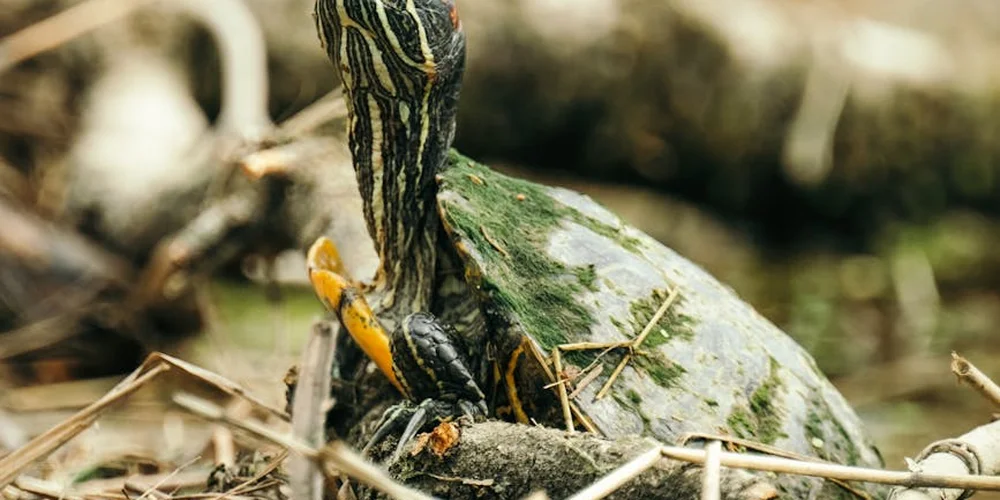
Getting ready for the vet can ease stress for both you and your turtle. Preparation turns a potentially scary trip into a smooth, informative experience that benefits your pet’s long-term health. Over the years, I have refined my routine with Austen and Bronte, making each visit more efficient and less daunting.
Items to Bring to the Vet
Packing these essentials helps your vet diagnose issues faster and provide tailored advice. Bringing the right items shows you are invested in your turtle’s care and can lead to more accurate treatments. I always keep a dedicated bag ready for unexpected appointments.
- Your turtle in a secure, ventilated container with a soft towel for comfort
- Recent photos or videos of their habitat, diet, and daily behavior
- A sample of their usual food and any supplements they take
- Health records, including past vet visits and vaccination history if applicable
- A list of questions or concerns you have noticed, like changes in appetite or activity
- Water from their tank or enclosure to test for water quality issues
Having these items on hand makes the appointment more productive. I once brought a video of Bronte’s eating habits, which helped the vet spot a minor issue we corrected early. This approach not only supports your turtle’s well-being but also strengthens your bond through attentive care.
Common Turtle Health Issues and Prevention

Many turtle owners face similar health challenges, but with attentive care, you can spot issues early. Respiratory infections often show as wheezing or nasal discharge, while shell rot appears as soft, discolored patches on the shell. Parasites and metabolic bone disease are also common, especially if diet or habitat isn’t right.
From my years with Austen, Bronte, and Orwell, I’ve learned that prevention starts with daily observation. Regularly checking your turtle’s behavior and appearance helps catch problems before they escalate. A sudden lack of appetite or lethargy in Bronte, my Greek Tortoise, once signaled a minor issue I could address quickly.
Diet and Environmental Factors in Prevention
A balanced diet is your first line of defense against health woes. Feed a mix of leafy greens, vegetables, and occasional proteins to prevent deficiencies that lead to shell and bone issues. With Orwell, my Box Turtle, I include calcium supplements to keep his shell strong and avoid metabolic bone disease.
- Offer varied foods like dandelion greens and squash to mimic natural foraging.
- Limit high-oxalate items such as spinach, which can hinder calcium absorption.
- Provide clean, fresh water daily to support hydration and reduce parasite risks.
Environmental setup plays a huge role in keeping your turtle healthy. Maintain proper temperature gradients and UVB lighting to support immune function and shell health. I’ve seen Austen thrive with a basking spot that mimics the warm, sunny environments Russian Tortoises love.
- Keep habitats clean to prevent bacterial growth and shell rot.
- Ensure adequate space for movement to reduce stress and obesity.
- Monitor humidity levels, as too much or too little can cause respiratory problems.
Animal welfare means creating a habitat that meets their natural needs. By tuning into diet and environment, you build a foundation that minimizes vet visits and keeps your turtle content. My experience shows that small, consistent adjustments make a big difference in long-term health.
Costs and Practical Aspects of Turtle Vet Care

Veterinary care for turtles can vary in cost, but planning ahead eases the financial burden. Routine check-ups typically range from $50 to $100, while emergency visits or treatments for issues like shell repairs might cost $200 or more. Knowing the average cost turtle vet visit helps me plan ahead for routine care and emergencies. I budget for annual exams for my turtles to avoid surprises.
Finding a vet experienced with reptiles is key to practical care. Look for clinics that specialize in exotic pets, as they understand turtle-specific needs better. When Orwell had a minor injury, I called ahead to confirm the vet’s reptile expertise, which saved time and stress. To find a qualified reptile veterinarian for your turtle, look for board-certified reptile specialists or clinics with regular turtle cases. A quick call ahead to verify turtle experience can help you get the right care promptly.
- Schedule visits during quieter times to reduce wait periods and costs.
- Ask about payment plans or pet insurance options to manage expenses.
- Keep a health journal for your turtle to track symptoms and share with the vet.
Practical aspects include transportation and handling during visits. Use a secure, ventilated carrier to keep your turtle safe and calm on the way to the clinic. With Bronte, I place a soft towel in her carrier to mimic her home environment, making the trip less stressful for her.
Advocating for animal welfare means prioritizing preventive care to reduce overall costs. Investing in quality habitat and diet now can lower the need for expensive treatments later. My approach has kept my turtles healthy and vet bills manageable over the years.
FAQs
Do turtles need vaccines?
Turtles generally do not require routine vaccinations like dogs or cats. However, your vet may recommend specific treatments based on your turtle’s species and health status.
How should I prepare my turtle for an office visit?
Acclimate your turtle to handling by gently interacting with it daily before the appointment. Transport it in a secure, well-ventilated container to reduce stress during the journey to prepare your turtle for its first vet visit.
At what age should a turtle start regular veterinary care?
Turtles should begin veterinary care as soon as you bring them home, typically within the first few weeks. Regular check-ups help establish a health baseline and catch early issues. A one-month health and habitat checkup is a good next step. It checks your turtle’s health and the enclosure conditions at the same time.
What is the typical cost of a turtle vet visit?
A routine wellness exam for a turtle usually costs between $50 and $100. Emergency visits or specialized treatments can increase the cost significantly. To stay prepared, consider building an emergency fund specifically for your turtle’s vet care. Start by setting aside a small monthly amount and gradually grow it to cover unexpected bills.
How can I prevent illnesses in pet turtles?
Maintain a clean habitat and provide a balanced diet to support your turtle’s immune system. Regular monitoring and prompt attention to behavioral changes can prevent many common health problems.
Your Turtle’s Lifelong Health Plan
Based on my experience caring for tortoises like Austen and Bronte, regular veterinary check-ups are essential for preventing health issues before they become serious. Young turtles and seniors often need more frequent visits, while healthy adults typically thrive with annual exams. It’s also important to know the signs that your turtle may need to see a veterinarian. Look for changes such as appetite loss, lethargy, breathing difficulties, swelling, or shell changes.
Committing to your turtle’s well-being means staying curious and proactive about their care. I continually learn from my own pets, and exploring trusted resources ensures you can offer your shelled friend a vibrant, fulfilling life.
Further Reading & Sources
- r/turtle on Reddit: How often do you guys take your turtle/tortoise to the vet?
- Veterinarian List – California Turtle &Tortoise Club
- r/Redearedsliders on Reddit: (HELP!) Turtle vet consultation costs?
- Keeping Your Box Turtle Healthy With Regular Vet Visits
Matthew is a dedicated turtle enthusiast and conservationist with over 15 years of experience in reptile care. Known affectionately as "The Leatherback" among his peers, he combines his passion for turtles with a commitment to educating pet owners on responsible turtle care and environmental stewardship.
Preventative Care