
Building an Emergency Fund for Your Turtle’s Vet Care
Published on: February 22, 2026 | Last Updated: February 22, 2026
Written By: Matthew The
What if your turtle suddenly needs urgent vet care, and you’re faced with a bill you can’t afford? I’ve been there with my own turtles-like when Orwell had a minor shell injury that turned into a costly visit-and it taught me the value of being prepared.
In this article, we’ll cover starting small, estimating expenses, saving strategies, and emergency planning.
What Is a Turtle Emergency Fund and Why Is It Essential?
-
A turtle emergency fund is money you save specifically for sudden veterinary expenses, acting as a financial safety net for your pet.
-
Turtles need this fund because they face unique health risks, like shell injuries from falls or respiratory infections from damp habitats. Unexpected issues can arise quickly, and having funds ready means you won’t delay critical care. There are 11 turtle health misconceptions that delay critical vet visits. Debunking these myths can help you seek care sooner.
-
I recall when my box turtle Orwell took a bad fall and cracked his shell; the emergency vet visit cost over $300, but because I had savings, he received prompt treatment and healed well. That experience also makes me curious about the average cost of a turtle vet visit. Knowing the typical range can help owners budget for emergencies.
How to Determine Your Turtle’s Emergency Fund Goal

-
Average costs for common procedures range from $50 for exams to $500 for surgeries, depending on severity and location.
-
Factors like species, age, and health history affect your target; for example, older turtles like my 12-year-old Greek tortoise Bronte may need more frequent check-ups. That means you should know what to watch for. The most critical turtle health issues to monitor are respiratory problems and shell infections.
-
Start with a base goal of $500, then adjust by adding extra for high-risk factors, such as $100 more if your turtle has a history of illness. This is the start of a much more complete breakdown of how much a pet turtle costs. Keep reading for the full cost breakdown.
Common Veterinary Costs for Turtles
| Procedure | Cost Range |
|---|---|
| Routine Exam | $50 – $100 |
| X-ray or Imaging | $100 – $250 |
| Shell Repair Surgery | $200 – $500 |
| Blood Tests and Diagnostics | $50 – $150 |
| Medication for Infections | $20 – $80 |
Factors Influencing Your Savings Target
-
Age plays a big role; younger turtles might have fewer issues, but seniors like my tortoises need funds for age-related care.
-
Size and species matter too-larger turtles often require higher doses of anesthesia, increasing costs.
-
Habitat conditions, such as indoor versus outdoor setups, can raise risks for injuries or illnesses.
-
Routine care is predictable, but emergencies are not, so aim to cover both without mixing funds.
What Costs Should Your Turtle Emergency Fund Cover?
Your fund should be ready for sudden health crises that can’t wait. Think of it as a financial airbag for your shelled companion’s most vulnerable moments.
- Infections: Respiratory infections are common and require antibiotics and X-rays.
- Injuries: Shell fractures from a fall or a dog bite need immediate, specialized repair.
- Parasitic Issues: Severe internal parasite loads can cause rapid decline and need urgent treatment.
It’s vital to know the difference between an emergency and a routine check-up. An emergency is something that threatens your turtle’s life or well-being within a 24-hour period. A routine visit is a scheduled wellness exam or a minor, non-urgent concern. For a new turtle, plan a one-month complete health and habitat checkup to confirm the enclosure, heat, lighting, and diet are on track. This helps ensure a smooth transition and early problem detection.
- Emergency: Not eating for over a week, lethargy, visible injury, labored breathing.
- Routine: Annual check-up, nail trim, discussing diet improvements.
Your fund should also stretch beyond the vet clinic. Unexpected habitat failures are a genuine emergency for a turtle. A cracked aquarium or a broken heat lamp in winter requires an immediate solution to keep your pet safe. It’s especially important to know how to care for your turtle properly in such situations, whether they are land or aquatic species. You can find more information about their care in this essential guide.
- Rescue expenses for acquiring a sick or injured turtle in need.
- Urgent habitat repairs or replacement of critical equipment like water filters or heaters.
Steps to Start and Manage Your Turtle Emergency Fund

Starting a fund feels less daunting when you break it into simple, actionable steps. Consistency matters far more than the size of your initial deposit.
- Set a target goal. Aim for $500-$1000 to start, as this covers most common emergencies.
- Open a dedicated savings account solely for this purpose today.
- Make your first deposit, even if it’s just $20. The act of starting is powerful.
- Automate a monthly transfer from your main account to your turtle fund.
- Review your fund balance every six months and adjust your goal if needed.
Setting Up Your Savings Account
Where you keep the money is almost as important as saving it. I use a separate high-yield savings account, which keeps the money safe, accessible, and even grows a little on its own.
- A simple savings account at your current bank works perfectly for easy access.
- A high-yield savings account offers a better interest rate, helping your fund grow faster.
Keeping this money separate from your personal finances is non-negotiable. This physical separation creates a mental barrier that protects the fund from casual spending. I named my account “Austen & Bronte’s Health Fund,” which makes me less likely to dip into it for other things.
Monthly Budgeting for Contributions
Fitting turtle savings into your budget is about creative prioritization. Treat your emergency fund contribution like any other essential, non-negotiable bill.
- Analyze your monthly subscriptions; could one be redirected to your turtle?
- Round up your grocery bills and transfer the “change” to the fund.
- Commit a small, fixed percentage of every paycheck, like 1-2%.
My personal method is simple and effective. I automate a transfer for the cost of one takeout meal each month. I don’t miss the money, and my peace of mind is worth far more than that pizza. Find a small luxury you can forego, and redirect those funds to your turtle’s future safety.
Common Mistakes to Avoid with Your Turtle Emergency Savings
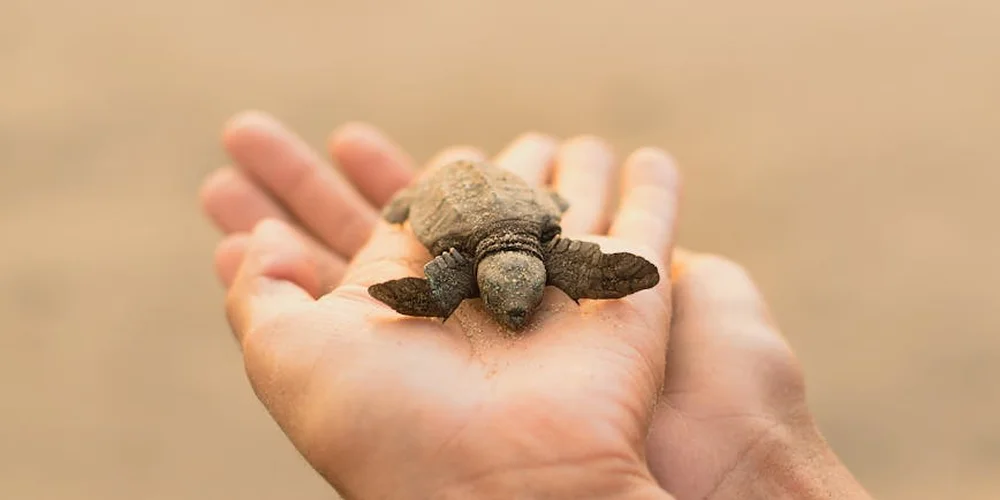
Many turtle owners, including myself, learn the hard way that delaying savings can lead to stressful vet visits. Starting too late is a common pitfall I’ve seen with my own turtles, like Austen, whose shell issues caught me off guard financially. It’s easy to think emergencies won’t happen, but reptiles like tortoises can develop sudden health problems that require immediate care. If you’re wondering when to seek help, the answer is found in the signs your turtle needs to see a veterinarian. Look for red flags like lethargy, loss of appetite, swelling, shell changes, or discharge from eyes or nose.
- Starting too late: Begin saving as soon as you bring your turtle home to build a cushion over time.
- Not reviewing funds regularly: Check your savings every few months to adjust for inflation or changing vet costs.
- Underestimating expenses: Vet bills for diagnostics or surgery can easily run hundreds of dollars, so aim high in your estimates.
- Mixing funds with general savings: Keep a separate account labeled for emergencies to avoid accidental spending.
To prevent using funds for non-emergencies, I set clear rules based on my experience with Bronte’s check-ups. Define what counts as an emergency, like injuries or sudden illness, and stick to it-don’t dip into savings for routine care or upgrades. This discipline has saved me from scrambling when Orwell needed an unexpected X-ray.
Balancing savings with insurance is key for long-term peace of mind. I’ve found that a hybrid approach works best, using savings for smaller issues and insurance for major events, ensuring my turtles always get the care they deserve. This way, you’re not over-relying on one method and risking gaps in coverage.
Pet Insurance vs. Emergency Fund: Making the Right Choice

Choosing between pet insurance and an emergency fund depends on your turtle’s needs and your budget. From caring for Austen, Bronte, and Orwell, I’ve seen that insurance offers predictability, while savings give flexibility for unexpected costs. Let’s break down the pros and cons to help you decide.
- Pet insurance pros: Covers major surgeries or chronic conditions, often with monthly premiums; cons: May have deductibles or exclusions for pre-existing issues.
- Emergency fund pros: No restrictions on use and builds interest over time; cons: Requires discipline to grow and might not cover very high expenses quickly.
Insurance is most beneficial for younger turtles or breeds prone to health issues, like some tortoises. For instance, Bronte’s insurance helped with a costly infection treatment, sparing my savings. An emergency fund shines for older turtles or minor ailments, giving you control without paperwork.
| Option | Average Cost | Coverage Example |
|---|---|---|
| Pet Insurance | $20-$50 per month | Covers up to 90% of surgery costs, like shell repairs |
| Emergency Fund | $500-$1,000 initial goal | Pays for diagnostics or medications out-of-pocket |
Ultimately, assess your turtle’s age and health history to pick the right mix. I combine both for my trio, ensuring they receive prompt care without financial strain, which aligns with advocating for their well-being. During a routine checkup, you can expect a general exam, shell and skin checks, and discussion of diet and any changes in behavior. The vet will also review weight trends and preventive care. This balanced approach has made vet visits less daunting and more manageable. For more details, you can read about what to expect [during a routine checkup](https://shellsanctuary.com/what-to-expect-during-a-turtles-routine-veterinary-checkup).
FAQs
How long should a turtle emergency fund last?
Your turtle emergency fund should be maintained for the entire lifespan of your pet to cover any unexpected health issues that may arise. It is a continuous savings effort that does not have an expiration date as long as your turtle is in your care. From an ethical standpoint, keeping a turtle also means committing to lifelong care, including proper housing, diet, and veterinary attention. If you cannot meet these long-term obligations, reconsider pet ownership rather than letting your turtle suffer.
Can a turtle emergency fund be used for vet emergencies?
Yes, a turtle emergency fund is specifically intended to cover veterinary emergencies such as injuries or sudden illnesses that require immediate attention. It should be reserved solely for these urgent situations to avoid depleting funds for non-critical needs.
What is the simplest way to build a turtle emergency fund?
The simplest way to build a turtle emergency fund is to automate monthly transfers from your primary bank account to a dedicated savings account. Begin with a small, manageable amount, such as the equivalent of a monthly subscription fee, to consistently grow your fund over time.
A Final Word on Financial Preparedness
Start building your fund now, even with small, regular contributions, and seriously consider a pet insurance plan to mitigate large, unexpected costs. Having a dedicated financial buffer transforms a potential crisis into a manageable situation, ensuring you can always say “yes” to necessary care.
Being a proactive and prepared guardian is one of the most profound ways you can honor your commitment to your shelled friend. Continue to learn about their specific species needs and behaviors, as this knowledge is just as vital to their long-term health as any savings account.
Further Reading & Sources
- Turtle and Tortoise Care in Charleston, SC | Exotic Vet Care
- Pet Turtles: What You Need to Know – The Animal Medical Center
- Tortoise Trust Web – Reptile Vet Links
- Association of Reptile and Amphibian Veterinarians
Matthew is a dedicated turtle enthusiast and conservationist with over 15 years of experience in reptile care. Known affectionately as "The Leatherback" among his peers, he combines his passion for turtles with a commitment to educating pet owners on responsible turtle care and environmental stewardship.
Preventative Care