
One Month Turtle Checkup: Simple Health and Habitat Guide
You’ve had your new turtle for a month, and it’s natural to feel a little unsure about its health, eating habits, or if its home is just right. I remember those early days with my Russian tortoise Austen-observing every move and wondering if I was doing enough.
This article walks through: health assessment, habitat evaluation, feeding adjustments, behavior monitoring, and preventive care steps.
Your Turtle’s One-Month Wellness Snapshot
By now, you should be seeing clear signs that your turtle is settling in. A healthy turtle at this stage is active, has a good appetite, and shows curiosity about its surroundings. I always look for these specific markers in my own trio, Austen, Bronte, and Orwell, to ensure they’re thriving and not just surviving.
Let’s run through a quick visual and behavioral checklist.
- Clear, Bright Eyes: There should be no swelling, cloudiness, or persistent discharge. Their eyes should be fully open and alert when they are active.
- Consistent Appetite: Your turtle should be eating regularly. A sudden loss of interest in food is one of the first and most common signs of stress or illness.
- Smooth Shell Growth: The shell should feel firm. Look for new, even growth around the scute edges. Pyramiding, where the scutes become raised and bumpy, can start if diet or lighting is off.
- Healthy Skin and Limbs: Check for any patches of discolored skin, sores, or retained shed. Their limbs should be strong, allowing them to move and swim without difficulty.
- Normal Basking Behavior: You should see your turtle spending a good part of its day drying out completely under the heat lamp. This is crucial for their health.
I remember noticing Bronte, my Greek tortoise, was a little less enthusiastic about her dandelion greens one week. That small change in her routine was my cue to double-check her habitat temperatures, which had dipped slightly with a cooler night. Paying attention to these small details makes all the difference.
Assessing Your Turtle’s Habitat Setup
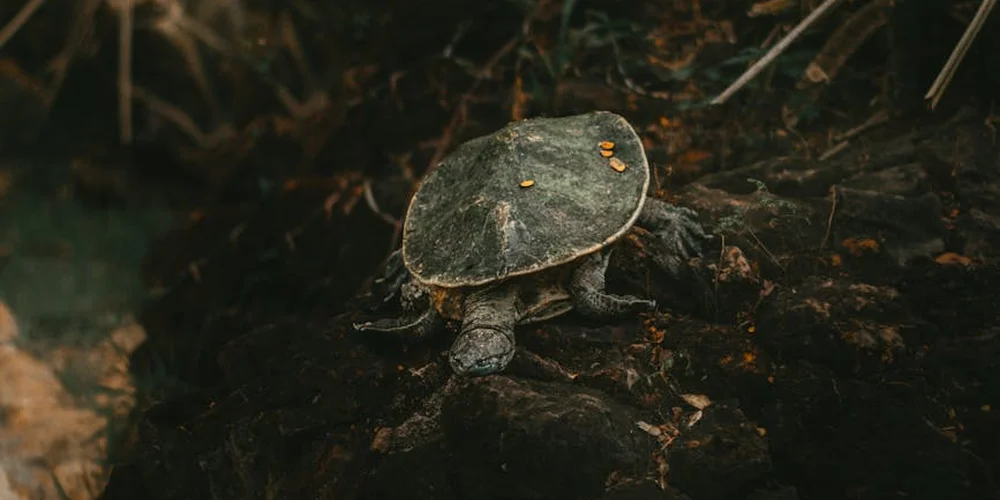
Your turtle’s health is a direct reflection of its environment. After a month, you have real data on how your setup is performing. It’s time to fine-tune. To guide your next steps, consult Shell Tail’s ultimate turtle health troubleshooting checklist. It helps translate data into concrete tweaks for your setup.
Lighting and Temperature Gradients
This is the engine of your turtle’s health. I cannot overstate its importance. Proper lighting and heat are non-negotiable for digestion, immune function, and overall vitality. To diagnose your turtle’s habitat, use a quick lighting, heat, and water checklist. It helps ensure you maintain perfect lighting, heat, and water conditions.
You need to create a mini-climate inside the enclosure.
- The Basking Spot: This area needs a focused heat lamp. The temperature directly under it should be a specific, toasty range for your species. For many aquatic turtles, this is 90-95°F. For my tortoises, it’s slightly higher. Check it with a thermometer.
- The Cool Zone: The opposite end of the habitat should be significantly cooler, allowing your turtle to thermoregulate. This area might be 70-75°F.
- The UVB Lamp: This is separate from the heat lamp. It must be a dedicated UVB bulb, replaced every 6-12 months as its output diminishes. Without UVB, turtles cannot metabolize calcium, leading to severe metabolic bone disease.
A simple test I do is to place my hand under the basking spot. It should feel like a warm, pleasant sunbeam, not a scorching desert sun.
Water Quality and Filtration Fundamentals
For aquatic and semi-aquatic turtles, the water is their world. Clean water is the single most effective way to prevent shell rot, skin infections, and eye issues. Essential filtration systems keep turtle water clean by continuously removing waste and maintaining clear, healthy water. A filter is not a luxury; it is a critical piece of life-support equipment.
Your filter should be rated for two to three times the volume of your tank. Turtles are messier than fish.
- Perform a Partial Water Change: Even with a great filter, you should be siphoning out 25-50% of the water weekly and replacing it with dechlorinated water.
- Test Your Water Parameters: Use an aquarium test kit to check for ammonia and nitrite. After a month, your tank should be cycled, meaning both should read zero. Any presence of ammonia is a red flag.
- Check the Filter Itself: Open it up. Rinse the media in old tank water you’ve siphoned out to preserve beneficial bacteria. Never rinse it under tap water, as the chlorine will kill the good bacteria.
A cloudy or smelly tank is a cry for help. Clear, odorless water and an active, hungry turtle are the best rewards for getting your filtration and maintenance routine right.
Monitoring Your Turtle’s Physical Health
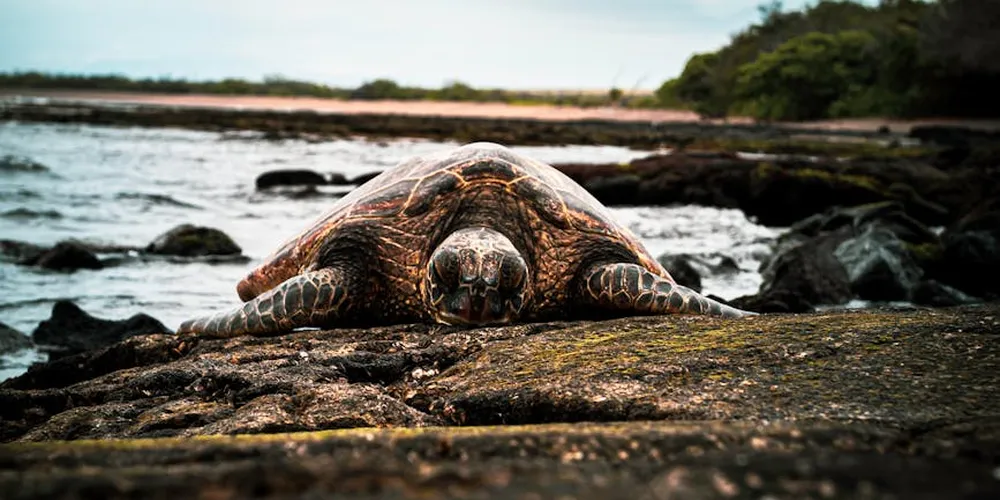
Shell and Skin Observation Guide
Start by gently examining your turtle’s shell under good lighting. Look for any cracks, pits, or soft areas that might indicate shell rot or injury. I always run my fingers over Austen’s shell weekly to feel for any irregularities, which has caught minor issues early. Healthy shells should feel firm and smooth, not flaky or spongy. To help interpret what you find, you can consult a visual guide showing different types of shell damage and what they mean. These guides can help you distinguish minor flaws from signs of more serious injury.
Check the skin around the legs, neck, and tail for redness, swelling, or parasites. With Bronte, I noticed small mites once by looking closely at her skin folds during a routine check. Keep an eye out for shedding skin; it should come off in small pieces without causing irritation.
- Inspect the shell for uniform color and growth rings
- Feel for any bumps or depressions that could signal metabolic bone disease
- Watch for clean, clear eyes and nostrils without discharge
Spotting Signs of Stress and Illness
Stress in turtles often shows through hiding excessively or refusing to bask. If your turtle spends most of its time tucked away, it might feel threatened or unwell. Creating dedicated basking spots and secure hiding areas can support turtle well-being by promoting regular basking and reducing stress. I’ve seen this with Orwell when his habitat was too noisy; moving him to a quieter spot helped.
Illness signs include lethargy, wheezing, or bubbles from the nose. Any change in behavior, like reduced movement or appetite, warrants a closer look and possibly a vet visit. List common symptoms to watch for:
- Swollen eyes or persistent closing
- Runny stools or lack of bowel movements
- Unusual swimming patterns or imbalance in water
Advocating for animal welfare means acting quickly if you spot these issues. Early intervention can prevent minor problems from becoming serious health crises.
Evaluating Your Turtle’s Behavior and Appetite
Diet, Feeding, and Supplementation
Offer a varied diet to mimic what they’d eat in the wild. I feed Austen a mix of leafy greens, veggies, and occasional fruits to keep his diet balanced and interesting. This is a straightforward way to create a balanced diet for your omnivorous turtle. Pair plant matter with appropriate protein to cover essential nutrients. Adjust portions based on age and species; younger turtles need more protein, while adults thrive on plant-based foods.
Supplements are crucial for shell and bone health. Dusting food with calcium powder twice a week has kept Bronte’s shell strong and prevents deficiencies. Use a reptile-specific multivitamin once a week to cover all bases.
- Provide fresh water daily for drinking and soaking
- Feed high-quality commercial pellets as a base
- Introduce live prey like worms for enrichment and protein
Monitor how much your turtle eats; a sudden drop could signal stress or illness. Orwell once skipped meals when his tank temperature was off, reminding me to double-check environmental factors regularly.
Planning Your Turtle’s Long-Term Care

Thinking about the years ahead with your turtle can feel like a big responsibility. I’ve found that breaking it down into three key areas-habitat, diet, and healthcare-makes the future feel much more manageable and less daunting. Let’s look at what you can plan for now to ensure a smooth, healthy life for your shelled friend.
Anticipating Your Turtle’s Future Habitat Needs
Your turtle will grow, and its home needs to grow with it. My Russian tortoise, Austen, started in a 40-gallon tank and now enjoys a custom-built enclosure twice that size. A common mistake is underestimating just how much space an adult turtle truly needs to thrive and exhibit natural behaviors. Choosing the right size enclosure is crucial.
Consider these future upgrades:
- Tank Size: Plan for an enclosure that is at least 4-5 times the length of your turtle’s adult shell size. For many species, this means a 75-125 gallon tank or larger outdoor pen.
- Filtration Power: As your turtle grows, so does its waste. Invest in a canister filter rated for 2-3 times the volume of your tank to keep the water crystal clear.
- Lighting Longevity: UVB bulbs lose their potency long before they burn out. Mark your calendar to replace them every 6-12 months, regardless of how they look.
- Substrate Depth: Many turtles, like my Greek tortoise Bronte, love to dig. Provide a deep layer of appropriate substrate to satisfy this instinctual behavior.
Evolving Dietary Requirements
A turtle’s diet is not static. What they eat as juveniles often changes as they mature into adults. My box turtle, Orwell, was far more interested in protein as a youngster than he is now. Observing your turtle’s changing tastes and nutritional needs is one of the most rewarding parts of long-term care, especially when deciding between commercial and homemade diets.
Keep these dietary shifts in mind:
- Protein to Greens Ratio: Many aquatic turtles need more protein when young, gradually shifting to a more herbivorous diet as adults.
- Calcium Sources: As shells and bones develop, consistent calcium access is non-negotiable. I keep a cuttlebone in all my turtles’ enclosures.
- Supplement Schedule: A high-quality reptile multivitamin powder, used as directed, helps fill any nutritional gaps in their primary diet.
Establishing a Lifelong Health Protocol
Proactive care is the best way to prevent big health problems down the road. Building a relationship with a qualified reptile veterinarian now is the single most important thing you can do for your turtle’s future. I have a wellness check scheduled for all three of my turtles this spring, just to be sure everything is on track. During a routine checkup, the vet will check shell, skin, eyes, and weight and may run a quick fecal test. Expect guidance on lighting, diet, and enclosure to help your turtles thrive.
Your long-term health plan should include:
- Annual Vet Exams: Even if your turtle seems perfectly healthy, a yearly checkup can catch subtle issues early.
- Weight and Growth Logs: I keep a simple notebook to track their weight every month. Sudden loss or gain is often the first sign of trouble.
- Emergency Fund: Reptile vet care can be expensive. Start setting aside a small amount each month specifically for potential medical costs.
- Observation Time: Spend at least 15 minutes each day simply watching your turtle. You’ll learn its normal basking, eating, and swimming patterns, making it easy to spot when something is off.
FAQs
Are there signs of respiratory distress in my turtle?
Respiratory distress can include open-mouth breathing, nasal discharge, or wheezing sounds. If you observe any of these symptoms, seek veterinary care immediately as they may indicate a serious infection.
How can I tell if my turtle is dehydrated?
Dehydration may show as sunken eyes, dry or flaky skin, or wrinkled shell seams. Provide fresh water for drinking and soaking daily to help maintain proper hydration levels.
What are common signs of parasites in turtles?
Look for visible worms in the stool, skin mites, or excessive scratching. Schedule a fecal exam with a reptile veterinarian to diagnose and treat any parasitic issues early.
Are there vaccinations available for pet turtles?
Vaccinations are not commonly recommended or available for most pet turtle species. Emphasize preventive care through a clean habitat and routine health screenings to support their immune system.
Should I house my turtle with other animals?
Housing turtles separately is often safer to reduce stress and prevent disease spread. If keeping multiple animals, ensure ample space and monitor closely for any behavioral or health concerns. Knowing which health issues are most critical to watch for helps you act quickly. Common red flags include shell injuries, respiratory trouble, and loss of appetite.
Your Turtle’s Thriving Path Forward
Focus on consistent habitat checks and regular health monitoring to catch issues early. From caring for my Russian tortoise Austen, I’ve seen how a stable setup reduces stress and promotes well-being.
Responsible ownership means committing to ongoing education about your turtle’s needs. Your dedication to learning ensures a joyful, healthy life for your shelled companion.
Further Reading & Sources
- Tips for Enhancing Your Turtle’s Habitat
- Sea Turtle | World Wildlife Fund
- Turtle – Adaptations, Habitats, Lifespan | Britannica
- Turtle Pet Care Guide – CodeForge Studio
Matthew is a dedicated turtle enthusiast and conservationist with over 15 years of experience in reptile care. Known affectionately as "The Leatherback" among his peers, he combines his passion for turtles with a commitment to educating pet owners on responsible turtle care and environmental stewardship.
Preventative Care