
What Do Bog Turtles Eat? A Guide for Captive Care
Published on: March 29, 2026 | Last Updated: March 29, 2026
Written By: Matthew The
Feeling unsure about your bog turtle’s diet can stir up worries, especially when you want to provide the best care for their long-term health and happiness.
We’ll cover their natural diet, safe food options, harmful items to avoid, and feeding best practices.
Understanding the Bog Turtle’s Natural Diet
Bog turtles thrive in wet, marshy areas where they forage for a mix of small creatures and tender plants. Observing their wild habits shows they eat insects, worms, snails, and soft aquatic vegetation. I’ve noticed with my own turtles, like Austen and Bronte, that mimicking this variety keeps them healthy and active.
Their natural menu includes earthworms, slugs, and occasional berries. This balanced approach prevents nutritional gaps and supports their steady growth. From caring for Orwell, I learned that even small changes in diet can affect their energy levels.
- Earthworms and insect larvae
- Small snails and aquatic invertebrates
- Soft plants like duckweed and watercress
Essential Foods for Captive Bog Turtles
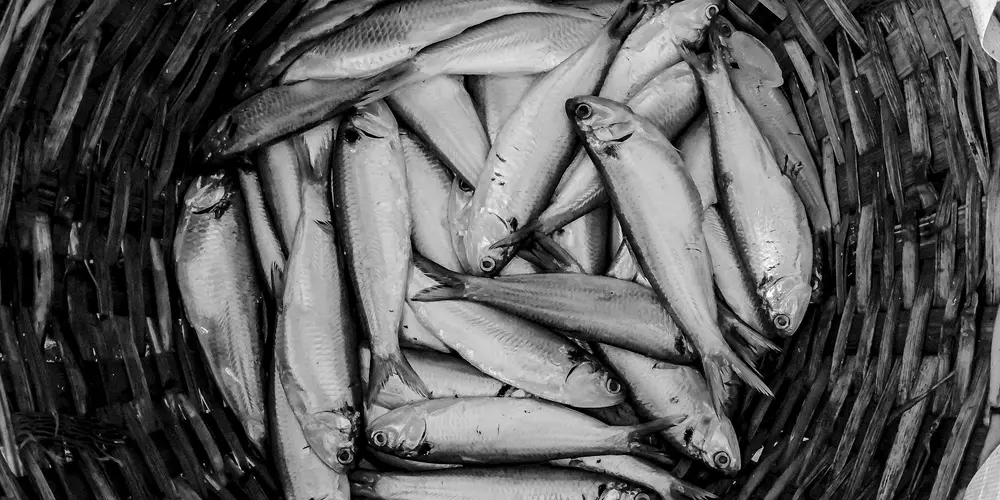
Replicating their wild diet in captivity ensures your bog turtle stays vibrant and content. Offer a mix of protein and greens to match their natural foraging instincts. I often rotate foods for my turtles to keep meals interesting and nutritious. Source fresh greens and proteins from trusted suppliers or your own garden, and wash and chop them before feeding. Preparing meals in small batches helps ensure your turtle always gets fresh, nutrient-rich foods.
Protein-Rich Invertebrates and Prey
Protein sources should be live or freshly prepared to entice eating. Feeding live prey like crickets or worms encourages natural hunting behavior. With Bronte, I’ve seen how this boosts her curiosity and health.
- Earthworms: Rich in nutrients and easy to digest
- Crickets: Provide essential vitamins and minerals
- Small snails: Offer calcium for shell strength
Plant-Based Foods and Vegetables
Include leafy greens and aquatic plants to round out their diet. Chopped vegetables like kale or zucchini add fiber and vitamins. For Austen, I mix in bits of carrot for a colorful, nutritious treat.
- Dandelion greens: High in calcium and antioxidants
- Water lettuce: Mimics their natural habitat foods
- Shredded squash: Easy to eat and hydrating
Feeding Schedule and Portion Control
Managing your bog turtle’s diet starts with a clear routine. A consistent feeding schedule helps mimic their natural foraging habits and prevents obesity in captivity. I’ve found that setting specific times, like early morning or late afternoon, aligns well with their active periods, much like how my Greek Tortoise Bronte perks up at dusk.
Portion sizes should match your turtle’s appetite without overloading them. Offer an amount of food roughly the size of their head, as this simple guideline has kept my Russian Tortoise Austen healthy for years. Adjust based on activity levels and seasonal changes, just as wild turtles would experience. To create a balanced diet for your omnivorous turtle, pair those portions with a varied mix of greens, vegetables, and appropriate animal protein. Rotate foods to cover all essential nutrients over time.
Juvenile vs. Adult Feeding Needs
Juvenile bog turtles grow rapidly and need more frequent meals. Feed them daily with high-protein foods to support shell and muscle development, similar to how I nurtured Orwell, my Box Turtle, in his early years. Their metabolism is faster, so skipping meals can stunt growth.
Adult bog turtles require less frequent feeding to maintain weight. I feed adults like Austen every other day, focusing on fibrous greens to avoid excess weight gain. Overfeeding adults can lead to health issues, so monitor their body condition regularly. To tell if your turtle is overweight or underweight, regularly check its body condition—look for a defined waist and a not-too-prominent shell. Any change in appetite, activity, or shell shape can signal weight issues and may require adjusting the diet.
- Juveniles: Daily feeding with small, nutrient-dense portions.
- Adults: Every 2-3 days with larger, low-calorie items.
- Adjust based on individual activity: More active turtles may need slightly larger portions.
Nutritional Supplements and Hydration
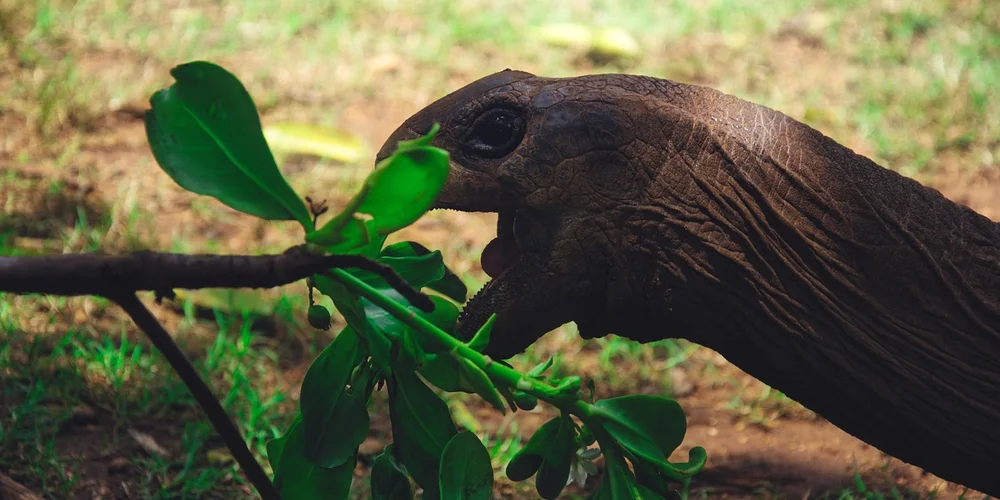
Supplements fill gaps in captive diets that mimic wild nutrient sources. Adding calcium and vitamins ensures strong bones and prevents metabolic diseases, a lesson I learned after Bronte showed signs of weakness without them. Always choose reptile-specific products to avoid harmful additives.
Hydration is vital for digestion and overall health. Provide a shallow water dish for drinking and soaking, as bog turtles often absorb water through their skin, much like my turtles enjoy a quick dip. Change water daily to keep it clean and inviting.
Calcium and Vitamin Essentials
Calcium is non-negotiable for shell integrity and nerve function. Dust food with a calcium powder twice a week, or offer cuttlebone for gnawing, which Orwell loves to do for enrichment. Without it, turtles can develop soft shells or mobility issues.
Vitamins, especially D3, aid in calcium absorption if UVB lighting is limited. Use a multivitamin supplement once a week to support immune health, as I’ve seen it boost energy in all my turtles. Rotate supplements to cover a broad spectrum of nutrients. This is part of a turtle calcium vitamin supplements complete guide. The guide covers calcium options, dosing, and balancing minerals for healthy turtles.
- Calcium: Apply lightly to moist foods to ensure it sticks.
- Vitamin D3: Essential for indoor turtles without direct sunlight exposure.
- Monitor for signs of deficiency: Lethargy or shell abnormalities mean adjust supplements.
Common Feeding Mistakes to Avoid

Many well-meaning keepers unintentionally harm their turtles through simple dietary errors. I’ve learned from my own early mistakes with Austen that a proper diet is more nuanced than just offering “turtle food.” To avoid common feeding mistakes, emphasize variety and the right calcium-to-phosphorus ratio, and practice proper portion control. Avoid relying solely on pellets or feeding inappropriate foods.
Foods That Harm Bog Turtles
Some common foods can cause serious digestive and nutritional problems. Feeding these items, even occasionally, can lead to long-term health issues.
- Iceberg Lettuce: It’s mostly water and offers no nutritional value, potentially causing diarrhea and malnutrition.
- Spinach and Kale: These greens contain high levels of oxalates, which can bind to calcium and prevent its absorption, leading to metabolic bone disease.
- Citrus Fruits: The high acidity is too harsh for their digestive systems and can cause stomach upset.
- Processed Human Foods: Bread, dairy, and cooked meats are difficult for them to digest and offer no benefits.
- Avocado and Rhubarb: These plants are outright toxic to many reptiles and should be strictly avoided.
Sticking to a species-appropriate diet is the safest path. When I first got Bronte, I made the lettuce mistake, and it took weeks to get her digestion back on track.
Monitoring Your Bog Turtle’s Health Through Diet
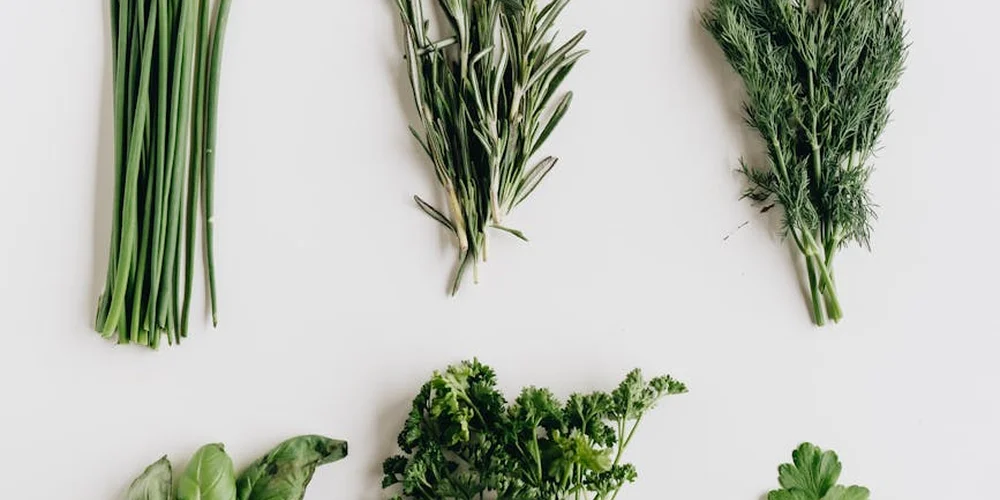
Your turtle’s diet is a direct window into its overall well-being. Observing their eating habits and physical condition provides the earliest warnings for potential health problems. Early signs may appear on the shell, such as soft spots or unusual texture. These can indicate nutritional or metabolic issues.
Watch for these key indicators during and after feeding time.
- Consistent Appetite: A sudden loss of interest in food is often the first sign of illness or stress.
- Healthy Shell: A firm, smooth shell indicates proper calcium intake. A soft or pyramiding shell suggests a dietary imbalance.
- Regular Bowel Movements: Well-formed, solid waste means their system is processing food correctly. Runny or infrequent stools signal a problem.
- Alert Behavior: A healthy turtle is active and eager during feeding time. Lethargy can be linked to poor nutrition.
- Clear Eyes and Nose: Discharge or swelling can sometimes be related to vitamin A deficiency from an improper diet.
I keep a simple journal for Orwell, noting what and how much he eats each day. This small habit has helped me catch minor issues before they became serious health scares.
FAQs
What is a balanced bog turtle diet chart for captive care?
A sample weekly plan includes protein like earthworms on alternating days and daily greens such as dandelion leaves. Adjust frequency for juveniles versus adults to maintain optimal health.
Can you share some easy bog turtle diet recipes?
Combine finely chopped watercress with live slugs for a protein-rich mix, or blend soft berries with calcium-dusted insects. Always rotate ingredients to ensure dietary variety and prevent boredom.
How does habitat setup influence a bog turtle’s diet?
Including aquatic plants in their enclosure encourages natural grazing and provides supplemental nutrition. A moist, enriching environment supports their instinct to forage and digest food efficiently.
Is the bog turtle diet different in Florida’s wild habitats?
Florida’s bog turtles may consume local invertebrates like crayfish and native vegetation due to regional availability. However, captive diets should still prioritize a balanced mix of protein and greens for consistency, as discussed in our protein guide for turtles.
Where can I find a reliable bog turtle diet guide in PDF format?
Search online for herpetology organizations or veterinary sites that offer downloadable care sheets focused on bog turtles. Ensure any guide is up-to-date and species-specific for accurate advice. Also, look for a complete guide that covers hatchling turtle care from incubator to tank hatchling care. A current, species-specific resource can help translate general care sheets into a practical incubator-to-tank care plan for bog turtles.
Your Path to a Thriving Bog Turtle
Offer a varied menu of insects, worms, and aquatic plants to mirror their wild diet and keep meals interesting. Always provide clean, shallow water for drinking and soaking to support their digestion and overall health.
Commit to learning about your turtle’s changing needs as they grow, just as I do with my own shelled companions like Austen and Bronte. Staying informed ensures you can adapt their care, promoting a long, vibrant life together. These ideas align with the care land aquatic turtles essential guide. It covers the essentials for both land and aquatic species, from habitat setup to daily routines.
Further Reading & Sources
- Glyptemys muhlenbergii (Bog Turtle)
- 10 Amazing Bog Turtle Facts
- Bog Turtle | Defenders of Wildlife
- Bog turtle – Wikipedia
Matthew is a dedicated turtle enthusiast and conservationist with over 15 years of experience in reptile care. Known affectionately as "The Leatherback" among his peers, he combines his passion for turtles with a commitment to educating pet owners on responsible turtle care and environmental stewardship.
Common Turtle Foods