
Can Turtles Eat Insects, Spiders, and Worms?
Published on: January 11, 2026 | Last Updated: January 11, 2026
Written By: Matthew The
You might be staring at your turtle, a handful of wiggling mealworms, and wondering if you’re about to make a huge mistake. It’s a common worry for any caring turtle owner who wants to provide the best diet.
This guide will walk you through protein basics, which insects are safe or dangerous, and how to feed them properly.
Understanding Turtle Protein Needs
Not all turtles share the same dinner plate preferences. The distinction between omnivorous and carnivorous species is the single most important factor in planning their diet. My box turtle, Orwell, is a classic omnivore, happily munching on berries one moment and hunting a worm the next. Many aquatic turtles, like sliders, lean more heavily towards animal protein, especially when young.
Protein is the fundamental building block for a healthy shell and strong muscles. Without adequate protein, a turtle’s growth can be stunted, and its immune system may struggle. But it’s a delicate dance; protein must be balanced with calcium for proper shell development and vitamins for overall metabolic function. An all-protein diet is just as harmful as one with none.
| Turtle Type | Primary Protein Sources | Feeding Frequency |
|---|---|---|
| Omnivorous (e.g., Box Turtles) | Earthworms, slugs, occasional insects, lean meats | 2-3 times per week |
| Carnivorous (e.g., Aquatic Sliders, young) | Feeder fish, shrimp, crickets, worms | Daily (juveniles), reducing with age |
| Primarily Herbivorous (e.g., Adult Tortoises) | Leafy greens, flowers; minimal animal protein | Rarely to never |
Safe Insects and Worms for Turtles
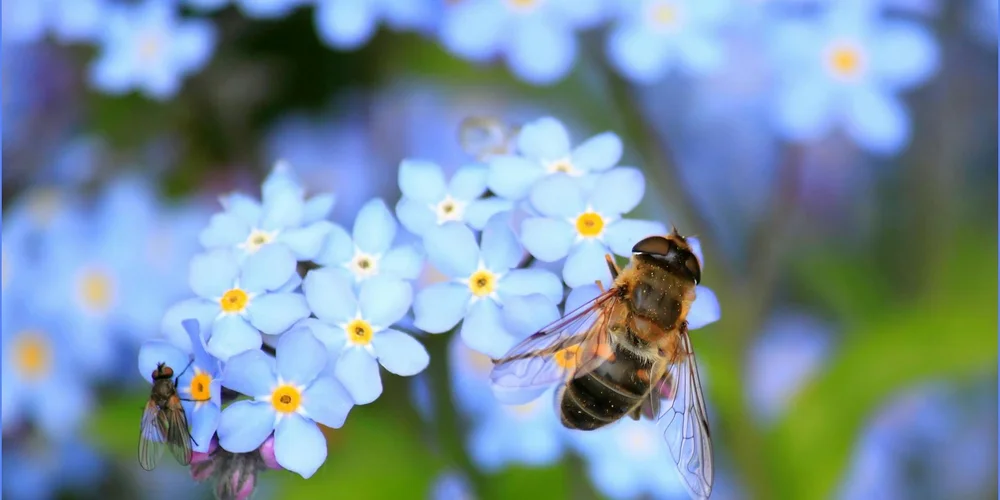
When it comes to live food, variety is your best friend. A diverse menu prevents nutritional gaps and keeps your turtle engaged and happy. I’ve found that a rotation of the following works wonders for my shelled companions. For aquatic turtles, a mix of live foods, pellets, and vegetables helps keep nutrition balanced. Rotating between live foods, pellets, and vegetables also keeps mealtimes interesting.
- Mealworms: A favorite treat, but offer them sparingly due to their high chitin content, which can be hard to digest.
- Crickets: A fantastic staple. I always “gut-load” them with nutritious veggies before feeding to boost their vitamin content for my turtles.
- Earthworms: Orwell goes absolutely wild for these. They are a natural, moist, and protein-rich option.
- Waxworms: These are like candy-high in fat. I use them only as a rare, special reward.
- Dubia Roaches: A superior feeder insect, packed with protein and easier to digest than some others.
Not every creepy-crawly is a good idea. Steer clear of insects you find in your backyard or home, as they could be contaminated with pesticides or parasites. I make it a rule to never feed my turtles ants, which can bite, or wild-caught spiders and roaches, whose diet is unknown and potentially harmful.
My personal experience taught me to always supervise feedings. I once saw a cricket a bit too large for my young turtle cause a real struggle. Now, I ensure all feeder insects are an appropriate size-no wider than the space between my turtle’s eyes. It’s a simple check that prevents choking and makes mealtime a calm, safe event.
Nutritional Benefits of Feeder Insects
Feeding insects to turtles isn’t just about variety—it’s a targeted way to boost their health with essential nutrients they might miss in a plant-only diet. Many terrestrial turtles also benefit from nibbling weeds, insects, and fruits to mirror their natural diet. In practice, a balanced mix helps ensure they get full spectrum nutrients. From my years caring for Austen, my Russian Tortoise, I’ve seen how a balanced insect treat can perk up his energy and shell health.
Different insects offer unique nutritional profiles that cater to your turtle’s needs.
- Crickets are packed with protein, making them a great muscle-builder, and they also provide B vitamins for metabolism support.
- Mealworms deliver a protein punch but are higher in fat, so I use them sparingly for my Greek Tortoise, Bronte, to avoid weight gain.
- Earthworms shine with calcium and iron, which help with bone strength and oxygen transport in the blood-think of them as a natural calcium boost for your turtle’s shell and skeleton.
- Waxworms, while high in fat, offer a quick energy source, and spiders (if sourced safely) can add variety with trace minerals.
To make these insects even more nutritious, gut-loading is a simple process I follow for all my turtles, including Orwell, the Box Turtle. I do this by gut-loading the prey with greens and calcium so the nutrients transfer to Orwell when he eats. Proper gut-loading helps ensure the insects meaningfully contribute to a balanced turtle diet.
- Choose high-quality feeder insects and place them in a clean container 24 hours before feeding.
- Feed the insects nutrient-rich foods like dark leafy greens, carrots, or commercial gut-load products to enrich their bodies with extra vitamins and calcium.
- Ensure the insects have access to water or hydrated foods to pass on moisture, which aids in your turtle’s digestion.
Gut-loading turns ordinary insects into superfoods, much like how I prep wholesome meals for my own pets to keep them thriving.
Potential Dangers and Safety Tips

While insects can be beneficial, they come with risks that I’ve learned to manage through trial and error with my turtles. Overfeeding worms to Orwell once led to a sluggish digestion, reminding me that moderation is key to their well-being.
Common dangers include parasites from wild-caught prey, choking on oversized insects, and digestive blockages from hard exoskeletons.
To keep your turtle safe, follow this checklist for sourcing and preparing insects.
- Source insects from reputable suppliers to avoid pesticides and parasites-never collect them from the wild.
- Choose appropriately sized insects; for smaller turtles like juveniles, opt for smaller prey to prevent choking.
- Wash insects thoroughly if they’ve been in contact with soil or debris, and consider dusting them with a calcium supplement for an extra health boost.
- Monitor your turtle after feeding for signs of distress, such as lethargy or lack of appetite, and adjust their diet accordingly.
Portion control is crucial based on your turtle’s size and age; for instance, I feed Austen, my adult Russian Tortoise, insects only once a week, while younger turtles might need slightly more frequent protein. Establishing a regular feeding schedule helps prevent overfeeding, since turtles often won’t self-regulate their intake. If you’re unsure, start with smaller portions and adjust based on appetite and activity.
Always prioritize animal welfare by observing how your turtle responds and consulting a vet if you’re unsure—it’s a small step that makes a big difference in their long-term health. There are clear signs your turtle needs veterinary care. If you notice lethargy, loss of appetite, swelling, or shell abnormalities, seek care promptly.
Feeding Practices for Different Turtle Species
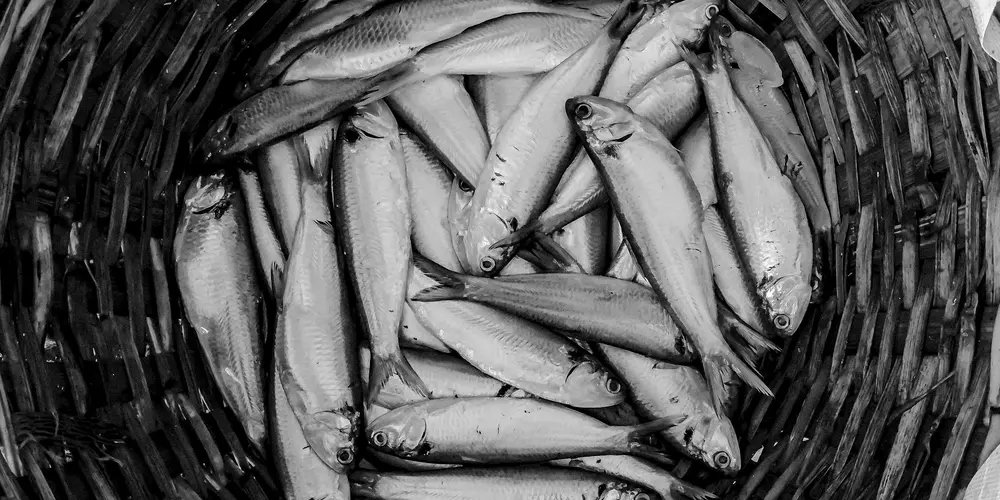
Aquatic turtles, like red-eared sliders, often thrive on a diet rich in animal protein, including insects, worms, and small fish. Their active lifestyles in water demand more frequent protein boosts compared to land-dwelling cousins. These patterns illustrate the key differences between aquatic and land turtle diets. In the following comparison, we’ll explain how habitat shapes their nutritional needs. Terrestrial turtles, such as box turtles, enjoy a balanced mix of plants, fruits, and insects, making their meals more varied and colorful.
My box turtle Orwell, with his reserved but intelligent nature, shows clear preferences during feeding time. He eagerly snatches up earthworms but often ignores crickets, reminding me that individual tastes matter as much as species needs. For aquatic species, I’ve observed that protein should make up about 50% of their juvenile diet, tapering to 25% as adults, while terrestrial types like Orwell do well with insects comprising just 10-20% of their intake.
Guidelines for Insect Feeding Frequency and Quantity
- Feed juvenile aquatic turtles insects 4-5 times weekly, in portions no larger than their head size.
- Offer adult terrestrial turtles like box turtles insects 2-3 times per week, roughly a teaspoon-sized amount.
- Adjust quantities based on activity level; more active turtles may need extra protein snacks.
- Always remove uneaten insects after 15 minutes to keep their habitat clean and stress-free.
Tailoring diets to personality has been a game-changer in my care routine. Orwell’s thoughtful approach means I scatter insects to encourage natural foraging, while a bolder turtle might prefer hand-feeding for bonding. Watching Austen, my gentle Russian tortoise, I learned that even herbivorous species occasionally nibble on insects for extra nutrients, so I offer tiny amounts as rare treats.
Preparing and Sourcing Feeder Insects
Safety starts with how you handle feeder insects, whether live or pre-killed. Always clean insects by rinsing them lightly with water to remove dirt and potential contaminants before serving. For live insects, gut-loading—feeding them nutritious foods like carrots or commercial gut-load diets—ensures your turtle gets the best vitamins and minerals. Carrots can be part of a feeding plan. Our turtles eat carrots benefits risks feeding guide explains the benefits and risks of including carrots in their diet.
Steps to Safely Prepare Insects
- Select healthy, active insects from a trusted source to avoid sick or weak ones.
- Rinse insects under cool, running water and pat dry with a paper towel.
- Gut-load live insects for 24-48 hours with fresh veggies before feeding.
- For dead insects, thaw frozen ones properly and check for signs of spoilage.
Ethical sourcing is non-negotiable for turtle health and animal welfare. I never collect insects from the wild due to high risks of pesticides and parasites that could harm my pets. Instead, I rely on reputable breeders or pet stores that raise insects in controlled environments, reducing disease transmission and supporting humane practices.
Starting a small bug farm at home is simpler than it sounds and adds enrichment to your turtle’s life. With a basic container, some substrate, and minimal upkeep, you can cultivate mealworms or crickets for a steady, safe supply. My own mini-farm began with a plastic bin and oatmeal bedding, and now it provides Orwell with fresh, gut-loaded insects that he eagerly hunts, mimicking his natural behaviors.
Enrichment Through Natural Feeding Behaviors
-
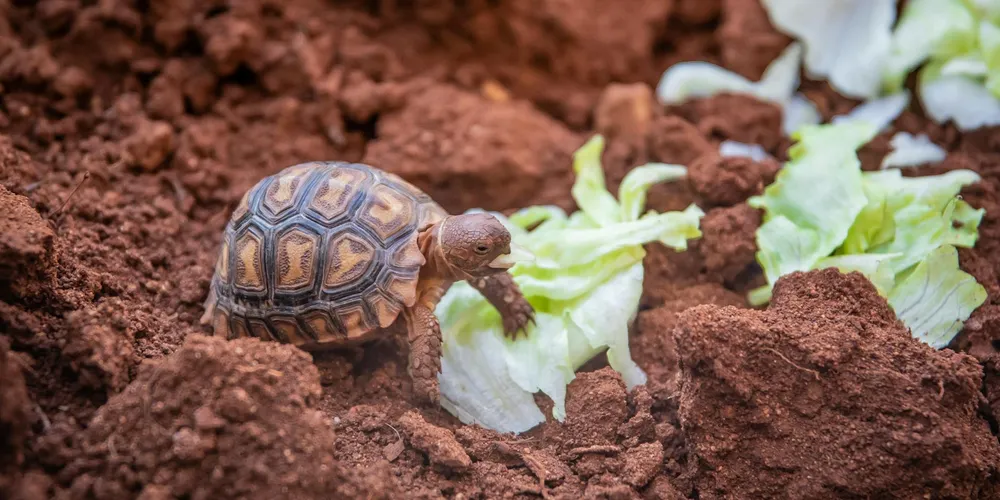
Feeding live or wiggling insects directly taps into your turtle’s ancient instincts. In the wild, a significant part of their day is spent foraging, stalking, and capturing prey. Replicating this hunt in captivity provides crucial mental stimulation that prevents boredom and associated stress behaviors. The physical act of chasing a cricket or tracking a worm’s movement is a full-body workout, promoting muscle tone, coordination, and a healthy appetite, far beyond what simply eating from a bowl can offer.
-
You can easily create engaging feeding scenarios that encourage these natural behaviors. Try scattering a few gut-loaded crickets in your turtle’s enclosure and watch the focused pursuit begin. For aquatic turtles, placing worms or insect larvae in a shallow, heavy-bottomed dish of water turns mealtime into a rewarding splashy challenge. Another favorite in my home is the “puzzle rock”-a large, clean rock with crevices where I can hide mealworms, encouraging my turtles to use their claws and beak to explore and extract the tasty morsels. Rotating these methods keeps their environment dynamic and their minds sharp.
-
I’ve seen firsthand how a varied, interactive diet lights up a turtle’s personality. My box turtle, Orwell, who is usually quite reserved, becomes a different creature when he detects a earthworm. He’ll methodically stalk it, his head moving with a precision I rarely see during his vegetable meals, before striking with surprising speed. Watching my Greek tortoise, Bronte, deliberately chase down a slow-moving beetle is a lesson in graceful persistence. These moments are more than just feeding; they are expressions of innate behavior, and observing them is a profound reminder of the complex creatures living in our care.
FAQs
Is it safe to feed store-bought spiders to my turtle?
It is generally not advised due to potential toxins or parasites that could harm your turtle. Stick to reputable feeder insects like crickets or mealworms for a safer protein source. Be mindful of common turtle feeding mistakes and avoid them.
How can I encourage a picky turtle to eat insects?
Try offering live, wiggling insects to stimulate natural hunting behaviors and interest. Gradually introduce small amounts mixed with familiar foods to help your turtle accept new items. Be sure to source fresh foods for your turtle and prepare them safely. Fresh, well-prepared ingredients can support ongoing health and dietary variety.
What are the signs of an allergic reaction to insects in turtles?
Watch for symptoms like swelling, difficulty breathing, or unusual lethargy after feeding. If you observe these, discontinue insects immediately and seek veterinary care to address any health issues.
Your Turtle’s Protein Path Forward
Based on my years with tortoises like Austen and Bronte, I stick to offering insects, spiders, and worms as occasional treats to match their natural foraging habits. Always choose pesticide-free sources and vary their diet to prevent nutritional imbalances and keep them thriving.
Responsible turtle care means committing to your pet’s long-term health through mindful feeding and habitat management. Stay curious and keep learning from trusted resources to ensure your shelled companion enjoys a full, vibrant life.
Further Reading & Sources
- What Do Turtles Eat?|Deltona Animal Medical Center
- The Varied Diets of Turtles: A Comprehensive Guide – A-Z Animals
- What Do Turtles Eat?
- Can turtles eat anything other than bugs? – Quora
Matthew is a dedicated turtle enthusiast and conservationist with over 15 years of experience in reptile care. Known affectionately as "The Leatherback" among his peers, he combines his passion for turtles with a commitment to educating pet owners on responsible turtle care and environmental stewardship.
Common Turtle Foods