Sea Turtle Biology and Conservation: Preserving Ocean Wonders
Published on: December 1, 2025 | Last Updated: December 1, 2025
Written By: Matthew The
Do you ever worry that sea turtles are silently vanishing from our seas, threatened by pollution and habitat loss? As someone who has volunteered with sea turtle nesting programs, I’ve felt that deep concern and seen how vital it is to act now.
In this article, we cover sea turtle anatomy, life cycles, major threats like plastic waste and climate change, and proven conservation methods you can support.
Understanding Sea Turtle Biology and Anatomy
Sea turtles are magnificent creatures built entirely for life in the ocean, a world away from our land-dwelling companions.
Their streamlined shells and powerful, wing-like flippers are a testament to an existence spent almost entirely swimming.
Physical Traits Built for the Sea
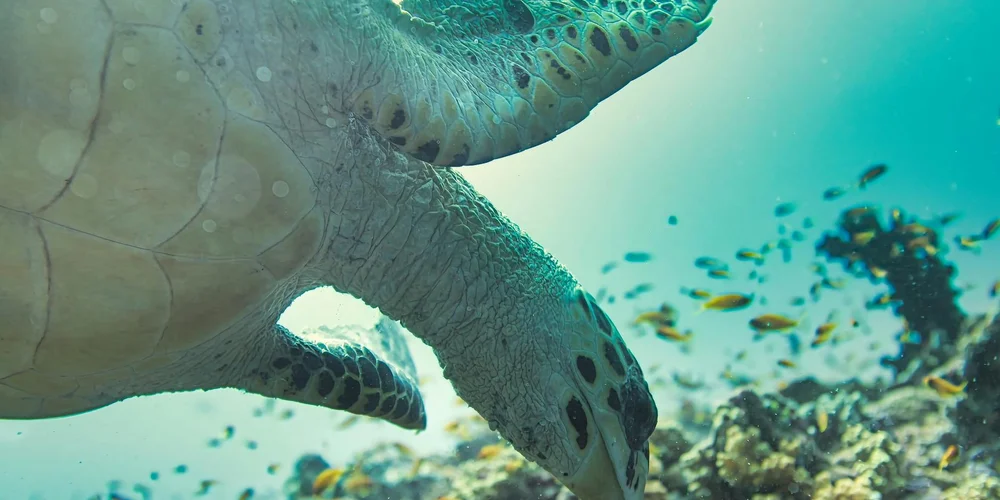
- Shells (Carapaces): Unlike the high-domed shells of many pet tortoises, sea turtle shells are flattened and hydrodynamic, reducing drag as they glide through the water.
- Flippers: Their front flippers are their primary propulsion, making powerful, wing-like strokes, while the smaller hind flippers act as rudders for steering.
- Scutes: The keratinous plates covering their shells are smoother and more streamlined than the often rough, patterned scutes of terrestrial turtles.
Remarkable Ocean Adaptations
- Salt Glands: Located near their eyes, these glands actively excrete the excess salt ingested from seawater, which is why they sometimes appear to be “crying.”
- Buoyancy Control: Their large, air-filled bodies are naturally buoyant, allowing them to rest and sleep floating at the surface or wedged in coral crevices without sinking.
- Efficient Lungs: They can hold their breath for hours by slowing their heart rate and directing oxygen to vital organs during deep dives.
How This Compares to Your Pet Turtle
Looking at my Russian tortoise, Austen, his biology is the complete opposite. His high-domed, heavy shell is for protection on land, not speed in water. His stout, clawed legs are for digging and walking, not swimming. The fundamental difference is habitat: one is an oceanic nomad, the other is a terrestrial explorer.
Sea Turtle Life Cycle and Behaviors
From Hatchling to Adult: Key Stages
Their journey from egg to ocean giant is one of the most perilous in the animal kingdom.
The Nesting Ritual
- Females return to the very beach where they hatched, dragging their heavy bodies ashore under cover of darkness.
- They dig a deep, flask-shaped chamber in the sand with their hind flippers and deposit a clutch of leathery-shelled eggs.
- After carefully covering the nest, they return to the sea, leaving the eggs to incubate for about two months.
The Great Escape and Migration
- Hatchlings emerge en masse, using the faint glow of the horizon over the ocean to guide their frantic scramble to the water.
- They enter a “swimming frenzy” period, swimming continuously for up to two days to reach deeper, safer offshore waters.
- Many species use Earth’s magnetic field to navigate complex migratory corridors, traveling thousands of miles between feeding grounds and nesting beaches throughout their lives.
A Climate-Determined Future
The temperature of the sand during incubation literally determines the sex of the hatchlings. Warmer nests produce mostly females, while cooler nests yield more males. This makes them incredibly vulnerable to the effects of climate change and rising global temperatures.
Feeding Ecology and Diet
What a sea turtle eats shapes its entire life, from its jaw structure to its habitat preferences.
Foraging and Specialized Diets
- Green Sea Turtles: As juveniles, they are omnivorous, but adults are primarily herbivores, grazing on seagrasses and algae, which contributes to their green-tinged fat.
- Loggerheads: They are carnivores with incredibly powerful jaws, perfectly adapted for crushing hard-shelled prey like conchs, crabs, and whelks.
- Leatherbacks: They are specialists, feeding almost exclusively on jellyfish. Their scissor-like jaws and backward-pointing spines in their throats help them capture and swallow their slippery prey.
Diet’s Impact on Health and Growth
A proper, natural diet is critical. For herbivores like greens, seagrass meadows are vital nurseries that fuel their growth. When they mistakenly ingest plastic bags, which resemble jellyfish, it can lead to fatal blockages and starvation. Watching my box turtle, Orwell, hunt for worms reminds me that a species-specific diet is non-negotiable for health, whether in a backyard or a coral reef.
Conservation Status of Sea Turtles
-
Many sea turtle species are facing serious threats to their survival, with endangerment levels varying across the globe. Understanding the sea turtle life cycle—from eggs on the beach to adults at sea—helps explain how threats impact each stage.
For example, the green turtle is listed as Endangered by the IUCN Red List, while the hawksbill turtle is Critically Endangered, and leatherbacks are Vulnerable.
These classifications highlight the urgent need for focused conservation actions to prevent further declines.
-
In conservation terms, “endangered” means a species is at a high risk of extinction in the wild, based on factors like population size, habitat loss, and reproductive rates.
It’s a formal category used by organizations like the IUCN to signal that immediate efforts are required to protect and recover these animals.
This status acts as a global alarm bell, urging us to step in before it’s too late.
-
Data from reputable sources, such as the IUCN and Sea Turtle Conservancy, show mixed population trends.
Green turtle numbers have increased in some protected areas, like parts of Florida, but overall declines persist due to bycatch, coastal development, and climate change.
Monitoring these trends helps us adapt strategies to give sea turtles a fighting chance.
Why Sea Turtles Are Threatened: Major Risks
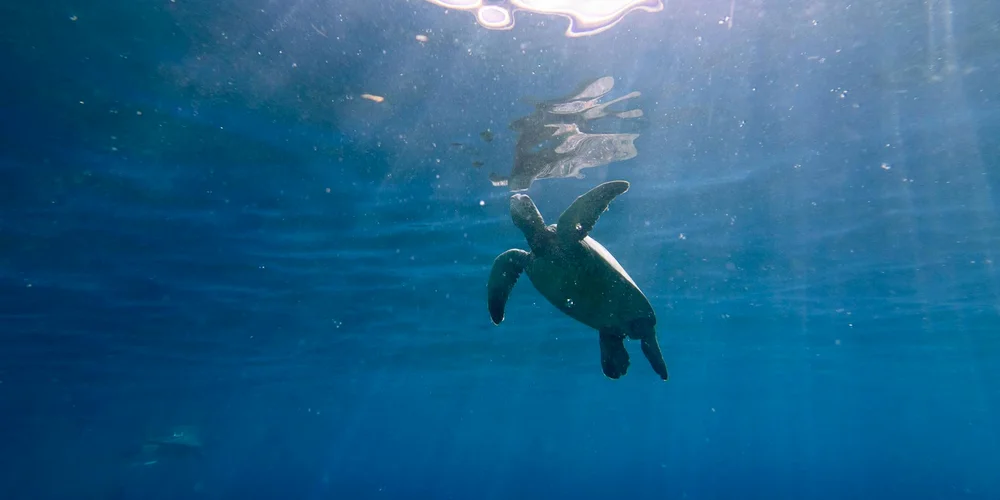
Sea turtles navigate a world full of dangers that threaten their ancient existence. Understanding these risks helps us see why conservation is so vital for their survival. In water, turtles can drown when nets, debris, or strong currents trap them. Understanding aquatic turtle safety helps prevent these drownings and protect their habitats. Let’s break down the key threats they face every day.
Human Activities and Bycatch
Human actions often unintentionally harm sea turtles, even when we mean well. Fisheries bycatch is a silent killer, where turtles get trapped in nets and lines meant for fish. This accidental capture happens worldwide, and poor fisheries management can make it worse by not using turtle-friendly gear.
- Many fishing operations lack proper regulations, leading to high turtle mortality rates in trawls and longlines.
- Coastal development, like building resorts or seawalls, destroys nesting beaches, leaving turtles with nowhere safe to lay eggs.
From my years caring for tortoises like Austen and Bronte, I’ve seen how habitat stability is everything. Losing nesting sites to construction is like taking away a turtle’s home, and it’s a struggle I’ve witnessed in smaller ways with my own pets. We must advocate for protected coastal areas to give sea turtles a fighting chance.
Environmental Pressures
Nature itself is changing in ways that hurt sea turtles, often because of our footprint. Plastic pollution turns oceans into minefields, with turtles mistaking bags for jellyfish and eating them. This can cause blockages, starvation, or even death, and it’s a problem that’s growing every year.
- Ingested plastic fills their stomachs, preventing them from digesting real food and leading to malnutrition.
- Climate change warms nesting sands, skewing hatchling sex ratios and making nests too hot for eggs to develop properly.
Just as my box turtle Orwell needs a balanced environment to stay healthy, sea turtles rely on stable temperatures for thermoregulation. Rising sea levels from climate change also flood nests, wiping out future generations before they even hatch. It’s a reminder that small changes in our habits can protect these majestic creatures. For readers curious about where and why turtles lay their eggs, this essential guide covers nesting sites and the cues that trigger laying. Understanding these patterns helps conservation and everyday actions to protect hatchlings.
How Sea Turtles Breathe and Survive Underwater
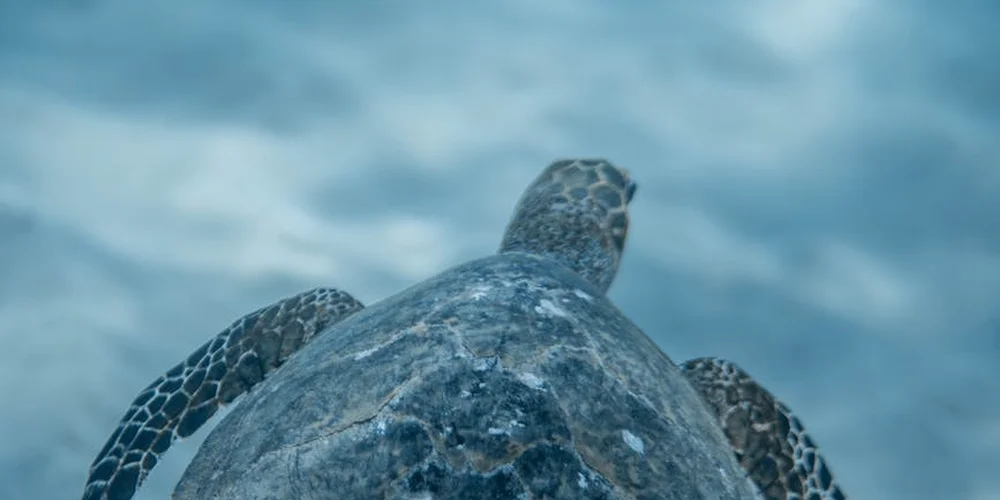
Sea turtles are the marathon runners of the reptile world, built for deep, long dives. Their immense lung capacity allows them to store vast amounts of oxygen, powering dives that can last for hours. While my Russian tortoise, Austen, might hold his breath for a minute during a soak, a leatherback sea turtle can descend over 1,000 meters and stay submerged for up to 85 minutes on a single breath. Unlike fish, turtles can’t breathe underwater, which makes their long dives even more impressive.
The Anatomy of a Deep Dive
Their secret lies in a suite of incredible physiological adaptations.
- Slow Metabolism: They drastically slow their heart rate, sometimes to just one beat every several minutes, to conserve oxygen.
- Efficient Oxygen Use: Their muscles are rich in myoglobin, a protein that stores oxygen, allowing them to function anaerobically for extended periods.
- Pressure Tolerance: Their flexible shells and collapsible lungs help them withstand the crushing pressures of the deep ocean.
A World Apart from Pet Turtles
This is where the biology of sea turtles and their terrestrial cousins diverge dramatically. My box turtle, Orwell, is a shallow breather with a much smaller lung capacity suited for his life on land and in shallow ponds. He surfaces frequently because his body isn’t built for oxygen conservation. Sea turtles, in contrast, are true athletes of the deep, with every aspect of their respiration fine-tuned for a life spent mostly beneath the waves. Inside, the turtle shell is a living part of its skeleton—the carapace and plastron are fused to the ribs and vertebrae and are covered with keratinous scutes. This shell biology supports buoyancy, protection, and streamlined movement that complement their respiratory adaptations.
Comparing Submersion Times
This difference becomes starkly clear when you look at how long each can remain underwater.
- Pet Turtles (like my Greek tortoise, Bronte): Typically a few minutes before needing to surface for air. Even aquatic pet species need regular access to the surface.
- Sea Turtles (like the Green Sea Turtle): Can easily rest on the seafloor for 4 to 7 hours while sleeping. During active swimming, they still manage impressive dives of 5 to 40 minutes.
The ocean demands a level of endurance that our backyard ponds simply do not, and a sea turtle’s breathing system is a masterpiece of evolutionary adaptation to that demanding environment. Over millions of years, turtles evolved key adaptations—such as the shell and paddle-like limbs—that shape their evolutionary history. These traits help explain how sea turtles breathe and endure in the ocean today. Witnessing my own turtles reminds me just how specialized and vulnerable these majestic ocean dwellers truly are.
Sea Turtles vs. Pet Turtles: What Owners Should Know
Many turtle enthusiasts see a majestic sea turtle and wonder if they could provide a similar home. The reality is, their worlds are completely different. Caring for a sea turtle is not just impractical; it’s an ecological and legal impossibility for a private individual. My experience with terrestrial turtles like Orwell has taught me that even their complex needs are a world away from the ocean’s giants.
Key Differences in Biology and Care
Let’s look at the fundamental contrasts. These aren’t just small variations; they’re chasms in lifestyle and requirement.
- Habitat: Sea turtles live their entire lives in the ocean, only females briefly coming ashore to nest. Pet turtles like my Russian and Greek tortoises need carefully controlled terrestrial enclosures with specific heat, light, and humidity.
- Size: A mature Leatherback sea turtle can weigh over 1,500 pounds. My tortoises, even fully grown, are a fraction of that size and can be comfortably housed in a secure backyard pen or a spacious indoor habitat.
- Lifespan: Many sea turtle species can live for 80 years or more. While pet turtles like Bronte, my Greek tortoise, can also live for several decades, their lifespan is generally more manageable for a committed owner.
- Diet: Sea turtles often travel hundreds of miles foraging for specific jellyfish or sea grasses. I provide my tortoises a prepared salad of leafy greens and vegetables daily-a diet I can easily source and control.
The Law is Crystal Clear
This is the most critical point for any prospective owner to understand. It is illegal virtually everywhere to own a sea turtle as a pet. They are protected under international agreements and national laws like the U.S. Endangered Species Act. Ethical considerations about welfare and habitat matter. Keeping a turtle as a pet also raises questions about conservation impact.
- All seven species of sea turtles are listed as either threatened or endangered.
- Taking one from the wild, harassing it, or attempting to keep it is a federal offense.
- Only authorized and permitted rehabilitation facilities can temporarily house them for medical treatment.
An Ethical Responsibility
Beyond the law, there’s a profound ethical dimension. The desire to own a piece of the wild can have devastating consequences for animal welfare and conservation.
- Wildlife Belongs in the Wild: Removing a sea turtle from its natural environment disrupts delicate ecosystems and contributes to population decline. Their complex migratory patterns and social structures cannot be replicated in captivity.
- Impact of the Pet Trade: While the pet turtle trade focuses on captive-bred species, the illegal wildlife trade that targets animals like sea turtles is brutal and unsustainable. Choosing a responsibly sourced, captive-bred pet is a conscious decision to avoid supporting this harm.
- Channeling Your Passion: If you love sea turtles, the best way to help is by supporting conservation organizations, reducing plastic use, and advocating for clean oceans. You can enjoy the companionship of a pet turtle while still being a champion for its wild cousins.
Supporting Sea Turtle Conservation as a Pet Owner

As someone who shares my home with terrestrial turtles, I’ve always felt a deep connection to their ancient sea-dwelling cousins. Caring for my own shelled companions has made me acutely aware of how our daily choices ripple out to affect all turtles.
Actions to Reduce Harm
Every piece of plastic you refuse is one less hazard in the ocean. I started by swapping out single-use items in my own pet care routine.
- Carry reusable bags for all your shopping, including pet store trips for food and supplies.
- Choose products with minimal or no plastic packaging whenever possible.
- Join or organize a local beach or river cleanup; even an hour makes a visible difference.
- Properly dispose of fishing line and nets, which are notorious for entangling marine life.
Our consumer habits directly impact the nesting beaches and feeding grounds sea turtles need to survive.
- Avoid purchasing souvenirs or products made from turtle shell, often illegally sold to tourists.
- Be mindful of seafood choices; support sustainable fisheries that use turtle-safe equipment.
- Look for sustainably sourced palm oil, as its irresponsible production destroys critical habitat.
Your wallet is a powerful tool for conservation, and every purchase is a vote for the world you want.
Engaging in Conservation Efforts
You don’t need to live near the coast to make a meaningful contribution. Supporting the organizations on the front lines is a profoundly effective way to help.
- Donate to reputable non-profits dedicated to sea turtle research, protection, and advocacy.
- Volunteer your time for beach patrols during nesting season if you live in a coastal area.
- Support the creation and maintenance of marine protected areas where turtles can thrive.
Technology now lets you follow the incredible journeys of these animals from your own home.
- Follow satellite tracking programs online to learn about migration routes and behaviors.
- Support sea turtle rehabilitation centers through donations or by “adopting” a patient.
- Share what you learn with fellow pet owners to amplify the message of conservation.
Watching the tracked path of a loggerhead turtle feels like having a window into a secret, ancient world. It’s a constant reminder of why this work matters so much.
FAQs
What kind of jobs are available in sea turtle biology?
Sea turtle biologists can work in research, conservation, and education roles. These positions often involve field studies, data analysis, and public outreach to protect endangered species.
What is the salary range for a sea turtle biologist?
Salaries vary based on experience and location, typically ranging from $40,000 to $70,000 annually. Entry-level roles may start lower, while senior positions in management or academia can offer higher compensation.
How can I find sea turtle conservation opportunities near me?
Check with local aquariums, universities, and organizations like the Sea Turtle Conservancy for volunteer or job listings. Online resources and community boards often list nearby projects and events.
Are there risks involved in being a sea turtle biologist?
Yes, field work can involve hazards like rough seas, wildlife encounters, and remote locations. Proper training and safety measures are crucial to mitigate these dangers during research activities.
Where can I find reliable online information about sea turtle biology?
Trusted sources include the IUCN Red List, NOAA Fisheries, and the Sea Turtle Conservancy websites. These provide accurate data, research updates, and educational content on sea turtle species.
Your Role in the Greater Shell
By providing a proper habitat and a balanced diet, you give your pet turtle the foundation for a thriving life. This attentive care directly mirrors the conservation efforts needed to protect their wild cousins in our oceans. For practical feeding basics, the Feed Your Pet Turtle: Ultimate Beginners Guide walks you through safe foods, portions, and feeding schedules. It helps you establish a simple, reliable feeding routine for a healthy turtle.
Responsible pet ownership is a continuous journey of learning and adapting to your turtle’s needs. Whether you care for land-dwelling or aquatic turtles, this essential guide helps you meet their unique needs. Stay curious, keep researching, and let your care for one shelled friend inspire a deeper respect for all turtles everywhere.
Further Reading & Sources
- Sea Turtle | World Wildlife Fund
- Sea Turtle Conservation & Research | Mote Marine Laboratory & Aquarium
- Sea Turtles: The Ultimate Expert Guide – The State of the World’s Sea Turtles | SWOT
- Status, trends and conservation of global sea turtle populations | Nature Reviews Biodiversity
Matthew is a dedicated turtle enthusiast and conservationist with over 15 years of experience in reptile care. Known affectionately as "The Leatherback" among his peers, he combines his passion for turtles with a commitment to educating pet owners on responsible turtle care and environmental stewardship.
Aquatic Turtles