
What to Feed Your Pet Turtle
Published on: December 8, 2025 | Last Updated: December 8, 2025
Written By: Matthew The
Figuring out what to feed your turtle can feel overwhelming, especially when you’re worried about giving them something that could make them sick.
I’ve been there myself, standing in the pet store aisle with my first tortoise, Austen, completely unsure. But after years of learning and caring for my shelled companions, I can tell you that a proper diet is simpler than it seems and is the absolute cornerstone of a long, healthy life for your pet.
This guide will walk you through the essentials: the best commercial and fresh foods, a simple feeding schedule, necessary vitamin supplements, and foods you must always avoid.
The Foundation of a Healthy Turtle Diet
Base Diet for Most Pet Turtles
Your turtle’s health starts with a solid base diet that mimics what they’d eat in the wild. A balanced mix of greens, vegetables, and proteins keeps them thriving for years. I’ve seen this firsthand with my Russian Tortoise, Austen, who stays energetic on a diet heavy in dark leafy greens. If you’re wondering how to tell if your turtle is sick, watch for changes in appetite or activity. Most pet turtles do well with a routine that includes:
- Dark leafy greens like kale and collard greens for essential vitamins
- Commercial turtle pellets as a staple to fill nutritional gaps
- Fresh vegetables such as carrots and squash for variety and fiber
Rotate foods weekly to prevent boredom and ensure they get a range of nutrients. Over time, I’ve noticed that consistency in feeding times helps turtles like my gentle Austen feel secure and eat better.
Feeding Differences: Aquatic vs Land Turtles
Aquatic and land turtles have distinct dietary needs based on their natural habitats. Aquatic turtles, like red-eared sliders, need more animal protein to support their active lifestyles. In contrast, land turtles such as tortoises thrive on plant-based diets. My Greek Tortoise, Bronte, enjoys grazing on weeds and flowers, which keeps her shell strong. Live plants in turtle habitats can offer enrichment and provide edible greens for herbivores like tortoises. They also help recreate a natural environment, supporting welfare when plants are safe and well-maintained. Here’s a quick comparison:
- Aquatic turtles: Offer protein sources like insects or small fish 2-3 times a week, alongside veggies
- Land turtles: Focus on high-fiber plants daily, with minimal fruit to avoid digestive issues
Adjust portions based on age-young turtles need more protein for growth, while adults benefit from leafy greens. Observing your turtle’s behavior after meals can clue you in on what works best, much like how my thoughtful Bronte prefers softer leaves on sunny days.
Safe and Nutritious Foods for Your Turtle
Vegetables Turtles Can Enjoy
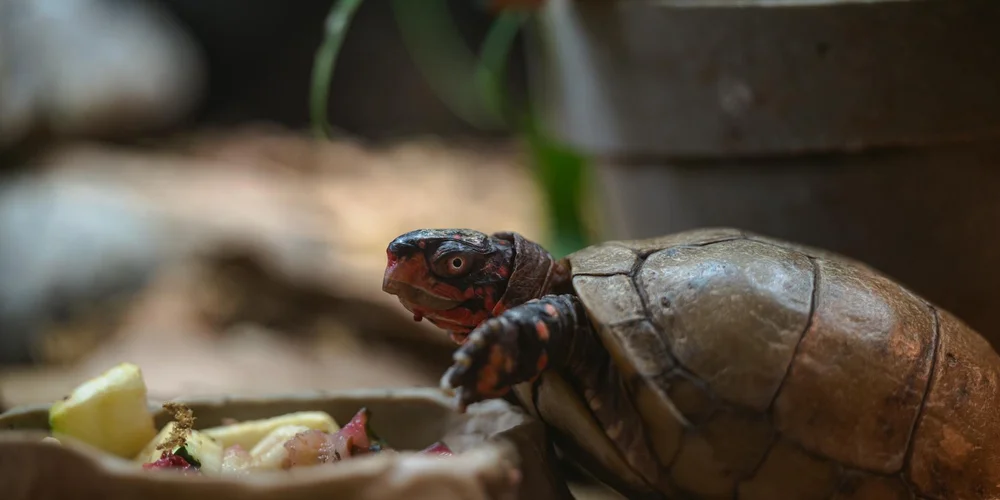
Vegetables are the backbone of a healthy turtle diet, providing vital nutrients without excess calories. Stick to non-starchy options to avoid weight gain and shell problems. My Box Turtle, Orwell, loves the crunch of bell peppers, which I chop small to prevent choking. Safe choices include:
- Romaine lettuce and dandelion greens for hydration and calcium
- Bell peppers and zucchini for a boost of vitamins A and C
- Carrots and sweet potatoes, cooked lightly to soften them up
Always wash veggies thoroughly to remove pesticides. I’ve found that mixing colors in their bowl, like red peppers with green kale, makes meals more appealing and nutritious.
Fruits as Occasional Treats
Fruits should be rare treats due to their high sugar content, which can lead to obesity. Limit fruits to once a week or less to keep your turtle’s diet in check. My tortoises get excited over a tiny piece of apple, but I never overdo it. Safe fruits to offer sparingly:
- Berries like strawberries and blueberries for antioxidants
- Melon cubes or apple slices without seeds, which are toxic
- Bananas in small bits for potassium, but only if your turtle isn’t prone to weight gain
Remove any uneaten fruit quickly to prevent spoilage in their habitat. Watching Orwell nibble on a berry reminds me that treats are best saved for special moments, not daily routines.
Protein Sources for Growth and Health
Protein is crucial for young, growing turtles and omnivorous species, but balance is key to avoid kidney strain. Offer protein 1-2 times a week for adults, and more frequently for juveniles. I’ve fed my turtles everything from earthworms to cooked chicken, always in moderation. Good options include:
- Live or freeze-dried insects like crickets and mealworms for enrichment
- Cooked lean meats or eggs, chopped finely to aid digestion
- Commercial turtle sticks with high protein content for convenience
Monitor your turtle’s shell and energy levels – too much protein can cause pyramiding in shells. In turtle anatomy, the shell is a fused bone-keratin structure. Nutrition can shape its growth and strength. From experience, varying protein sources keeps turtles like my intelligent Orwell engaged and healthy without overloading their systems.
Foods to Avoid for Turtle Health

Navigating the do’s and don’ts of turtle nutrition can feel tricky, but getting it right is one of the most caring things you can do. My tortoises, Austen and Bronte, have taught me that a simple, species-appropriate diet is the foundation for a long, vibrant life. In addition to nutrition, an essential turtle tank setup matters just as much. A complete daily, weekly, monthly care guide helps you keep every part of their habitat in prime condition.
Processed Human Foods
It’s tempting to share a bite of your lunch, but a turtle’s digestive system isn’t built for our food. These items offer no nutritional value and can cause serious harm. For more on how turtle anatomy supports digestion, check out our turtle anatomy biology FAQs. They explain the roles of the beak, stomach, and intestines in processing food.
- Bread and Pasta: These foods swell in their stomach, leading to digestive blockages and potentially fatal impactions.
- Dairy Products: Turtles are lactose intolerant. Cheese, milk, or yogurt can cause severe digestive upset and diarrhea.
- Salty Snacks: Chips or pretzels can cause dangerous dehydration and kidney stress.
- Sugary Foods: Candy or sweetened cereals disrupt their gut flora and can lead to obesity.
Toxic Fruits and Vegetables
Not all plants are safe, even if they seem healthy to us. Some contain compounds that are toxic to reptiles.
- Avocado: All parts of the avocado-the fruit, pit, and skin-contain persin, a fungicidal toxin that is poisonous to turtles.
- Rhubarb: The leaves are highly toxic due to oxalic acid, which can cause kidney failure.
- Onions and Garlic: These can cause digestive irritation and lead to a condition called hemolytic anemia, which damages red blood cells.
Problematic Greens and Legumes
Some otherwise healthy greens can interfere with nutrient absorption if fed in large, consistent quantities.
- Spinach and Beet Tops: These are high in oxalates, which bind to calcium and prevent your turtle from absorbing it, leading to metabolic bone disease over time.
- Iceberg Lettuce: This is mostly water and has virtually no nutritional value. I learned this the hard way when Orwell went through a phase of only eating it, and his shell growth became uneven. It can fill them up without providing any benefits.
- Dried Beans: Uncooked beans contain lectins, which are toxic. While cooked beans are safer, they are still not a natural part of their diet and are best avoided.
Other Key Items to Exclude
Beyond specific foods, there are other categories that pose a significant risk.
- Raw Meat: Can harbor harmful bacteria like Salmonella and E. coli, posing a risk to both your turtle and your household.
- Wild-Caught Insects: Insects from your garden may have been exposed to pesticides or parasites. It’s much safer to buy feeder insects from a pet store.
- Dog or Cat Food: The protein and fat levels are far too high for a turtle and will quickly lead to liver and kidney damage.
How to Feed Your Turtle Properly
Feeding Frequency by Age
Your turtle’s age plays a huge role in how often they need to eat. I’ve watched my own turtles, from the steady Austen to the thoughtful Bronte, thrive by adjusting their feeding schedules as they’ve matured. Younger turtles are growing rapidly and need more frequent meals, while adults require less to maintain their health. For hatchlings and juveniles in their first year, expect frequent, smaller meals as growth is fastest. After that first year, you’ll gradually shift to fewer, larger meals as they mature.
Here’s a simple breakdown based on my experience and general care guidelines:
- Hatchlings (Under 1 year): Feed them daily. Their little bodies are building shell and muscle, so they need consistent nutrition. I remember Orwell as a hatchling-he was always eager for his next meal!
- Juveniles (1 to 5 years): Offer food every other day. This helps prevent overfeeding while supporting steady growth. Bronte, my Greek tortoise, settled into this rhythm beautifully around age two.
- Adults (5 years and older): Feed them 2 to 3 times a week. Austen, my Russian tortoise, now enjoys this pace, which keeps him active without excess weight gain.
Always observe your turtle’s behavior and adjust if they seem hungry or disinterested. If your turtle isn’t eating, it can indicate stress, brumation, or environmental factors. I encourage offering a small, varied menu and a calm feeding routine to help stimulate eating. Overfeeding can lead to health issues, so it’s better to err on the side of caution. For animal welfare, I stick to this schedule to mimic their natural eating patterns in the wild.
Preparing Turtle Meals
Getting meals ready for your turtle is like preparing a fresh salad-it should be clean, varied, and appealing. I’ve found that taking a few extra minutes to prepare food properly makes a big difference in their enjoyment and health. Start by gathering fresh ingredients; I often use leafy greens, chopped veggies, and occasional proteins based on their species. When combined with proper habitat and care as outlined in this essential care guide, your turtle is sure to thrive.
Follow these steps to create a balanced meal:
- Wash all produce thoroughly under cool water to remove pesticides or dirt. I do this for Bronte, who’s graceful but can be sensitive to impurities.
- Chop food into small, bite-sized pieces that match your turtle’s mouth size. For Orwell, my box turtle, I make sure nothing is too large to prevent choking.
- Mix different food types to provide variety-think dark greens, colorful vegetables, and a sprinkle of calcium supplement for shell strength.
- Serve in a clean dish to avoid contamination, and remove uneaten food within a few hours to keep their habitat tidy.
Rotate ingredients weekly to prevent boredom and ensure nutritional balance. This approach has kept my turtles engaged and healthy, much like how I’d care for any cherished pet. Always prioritize fresh, whole foods over processed options to support their well-being.
Ensuring Nutritional Balance
Getting your turtle’s diet right is less about a single magic food and more about creating a varied menu. Think of it like building a colorful, textured salad where every ingredient brings a different nutritional benefit to the table. I learned this through trial and error with my own shelled companions.
Austen, my Russian tortoise, thrives on a wide assortment of leafy greens. Bronte, the Greek tortoise, needs a slightly different mix with more fibrous weeds. Their individual needs taught me that even within species, a one-size-fits-all approach can fall short. You must observe and adjust.
Signs of Dietary Issues
Your turtle’s body and behavior will tell you a lot about its diet long before a serious problem develops. Learning to read these subtle signals is your first line of defense in keeping your pet healthy and vibrant. For a practical, step-by-step resource, check out the turtle health troubleshooting checklist from Shell Tail. It’s designed to help you act quickly and confidently. I’ve seen these signs myself and made swift corrections.
Watch for these common red flags:
- Soft or Malformed Shell: This often points to a critical lack of calcium or an inability to process it due to insufficient UVB light.
- Swollen or Puffy Eyes: Frequently a sign of Vitamin A deficiency, which is serious but preventable with the right leafy greens and vegetables.
- Lethargy and Lack of Appetite: While this can indicate other issues, a consistently poor or monotonous diet is a common culprit.
- Runny Stool or Unusual Feces: This can signal that your turtle’s system is struggling with a particular food, often one too high in sugar or water content.
When I first noticed Orwell, my box turtle, was less active, I realized his protein intake was too low. A simple adjustment to include more earthworms and insects brought his playful curiosity right back. It’s a constant, gentle process of observation and refinement.
Here is a quick guide to the essential supplements your turtle likely needs:
| Supplement | Primary Benefit | How to Offer It |
|---|---|---|
| Calcium Powder (without D3 if using UVB light) | Builds strong bones and a healthy shell. | Lightly dust onto salads or insects 2-3 times a week. |
| Multivitamin Powder | Fills in general nutritional gaps in the diet. | Use once a week, following package instructions carefully. |
Always provide a cuttlebone in the enclosure; it allows your turtle to self-regulate its calcium intake, which is a natural and empowering behavior for them. My turtles all have one, and I often see Bronte nibbling on hers.
FAQs
What is the base diet for most pet turtles?
Most pet turtles require a balanced mix of dark leafy greens, commercial pellets, and fresh vegetables for essential nutrients. This foundation supports shell health and overall vitality without overcomplicating meals.
Which vegetables are generally safe for turtles?
Safe vegetables include romaine lettuce, bell peppers, and carrots, which provide hydration and key vitamins. Always wash produce thoroughly to remove pesticides before serving to your turtle.
Are fruits appropriate for daily feeding of turtles?
No, fruits are not suitable for daily feeding due to their high sugar content, which can cause obesity and digestive issues. Reserve fruits like berries or melon as occasional treats, offered no more than once a week.
How often should hatchling turtles be fed?
Hatchling turtles should be fed daily to support their rapid growth and development needs. This frequent feeding helps build strong shells and muscles during their critical early stages.
What protein options are suitable for turtles?
Suitable protein sources include insects like crickets and mealworms, as well as cooked lean meats or eggs. Offer these proteins 1-2 times weekly for adults, adjusting based on species and age to prevent health issues.
Feeding Your Turtle Right: A Quick Recap
Stick with a balanced diet of high-quality commercial pellets, fresh leafy greens, and occasional protein-rich treats. Variety is the cornerstone of good health, so rotate their greens and avoid iceberg lettuce at all costs.
Your commitment to learning doesn’t end here; caring for a turtle is a long-term journey of observation and adaptation. Stay curious, keep researching their specific needs, and you’ll be rewarded with a healthy, thriving companion for years to come. For box turtles, a complete beginner’s guide can help you get started with confidence. It covers housing, temperature, and diet to set you up for success.
Further Reading & Sources
- Feeding Aquatic Turtles | VCA Animal Hospitals
- What Do Turtles Eat? A Guide To Feeding Your Pet Turtle | Chewy
- How Much & How Often to Feed Turtles: Vet-Reviewed Guide | Hepper Pet Resources
- Ultimate Guide to Feeding Your Pond Turtle (2025) – ProtoPond
Matthew is a dedicated turtle enthusiast and conservationist with over 15 years of experience in reptile care. Known affectionately as "The Leatherback" among his peers, he combines his passion for turtles with a commitment to educating pet owners on responsible turtle care and environmental stewardship.
Common Turtle Foods