
Where Do Snapping Turtles Live in the Wild?
You might be curious or even a bit concerned about where snapping turtles make their homes, especially if you’ve spotted one near a pond or while exploring outdoors. From my time caring for turtles like Orwell, the reserved box turtle, I’ve learned that understanding their habitats helps us appreciate and protect them without fear.
This article covers their preferred environments, daily habits, and simple ways to support their well-being.
Understanding Snapping Turtles and Their Range
Snapping turtles are not creatures of a single pond or river; they are widespread survivors. Their range covers a massive portion of eastern North America, from southeastern Canada all the way down to the Gulf of Mexico and as far west as the Rocky Mountains’ edge. I’ve observed them in everything from pristine nature reserves to surprisingly urban creeks, proving their incredible adaptability.
They are almost exclusively freshwater turtles, rarely venturing into brackish waters. Their success stems from a simple, powerful formula: find water with a soft, muddy bottom and plenty of cover. This preference for mucky environments is a key part of their hunting and hiding strategy.
Where You’ll Find Them
- Slow-moving rivers and creeks
- Shallow, weedy ponds and lakes
- Marshes and wetland complexes
- Even some canals and drainage ditches
The Freshwater Worlds of Snapping Turtles
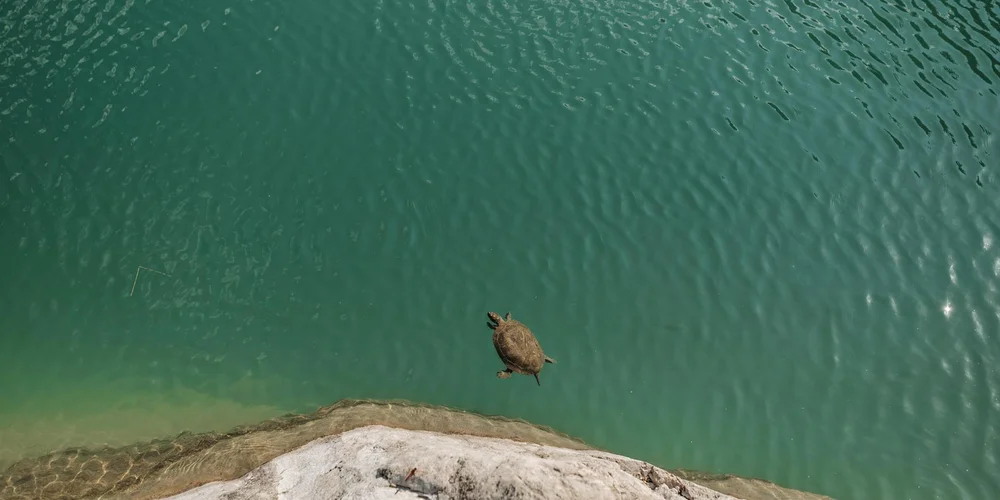
Imagine a body of water where you can’t see the bottom. The water is tea-stained, the sediment is soft, and submerged logs litter the landscape. This is the snapping turtle’s perfect living room, a place where ambush is the primary way of life. They spend most of their time submerged, relying on patience and camouflage. Like all turtles, they often sleep underwater, resting in the dim quiet of their submerged world. They slow their breathing and metabolism, surfacing only occasionally to take air.
I remember spotting my first wild snapper; only its nostrils and eyes broke the surface, perfectly still among the duckweed. They prefer waters with abundant aquatic vegetation, which provides both hunting grounds and protection from predators. The soft, muddy bottom is crucial, as it allows them to bury themselves completely, lying in wait for an unsuspecting meal to wander by.
Key Features of Their Aquatic Habitat
- Soft, Muddy Bottoms: For easy burying and hibernation.
- Ample Cover: Submerged logs, dense vegetation, and undercut banks.
- Slow Current: Conserves their energy.
- Accessible Basking Sites: Though less frequent than other turtles, they will use logs or sunny banks.
While they are aquatic, female snapping turtles undertake significant overland journeys to find suitable nesting sites. It’s a common and often surprising sight to see a large female trudging determinedly across a field or road far from water in early summer. If you see one, appreciate her from a distance and never attempt to “help” her back to water; she knows exactly where she is going.
Habitat Differences: Common vs. Alligator Snapping Turtles
While both species are iconic, their preferred living arrangements are surprisingly distinct. Common Snapping Turtles are the ultimate adaptable survivors, found in almost any permanent freshwater body across North America. In the US, they’re common in quiet, slow-moving waters—from ponds and marshes to creeks and lakes. Look for them along sun-warmed banks and basking logs. I’ve often spotted them in the murky, weedy edges of farm ponds and slow-moving creeks. If you’re interested in learning more about where to find snapping turtles in the US, there are plenty of resources available.
Their habitat checklist is wonderfully simple:
- Slow-moving or still freshwater
- A soft, muddy bottom for easy burrowing
- Abundant aquatic vegetation for cover and hunting
- Fallen logs or debris for basking sites
In contrast, the Alligator Snapping Turtle is far more selective. This prehistoric giant demands larger, deeper river systems, canals, and lakes, primarily in the southeastern United States. They are creatures of deep water, rarely venturing into the small ponds their common cousins happily inhabit.
Their specific requirements include:
- Large, deep rivers with strong currents
- Submerged root systems and logjams for ambush sites
- Clearer water is often preferred over murky ponds
- A stable, undisturbed environment
The key difference lies in their hunting strategy. The common snapper actively forages, while the alligator snapper is a master of patience, using its worm-like tongue as a lure. This fundamental behavioral difference directly shapes the habitat each species calls home.
Seasonal Rhythms and Habitat Use
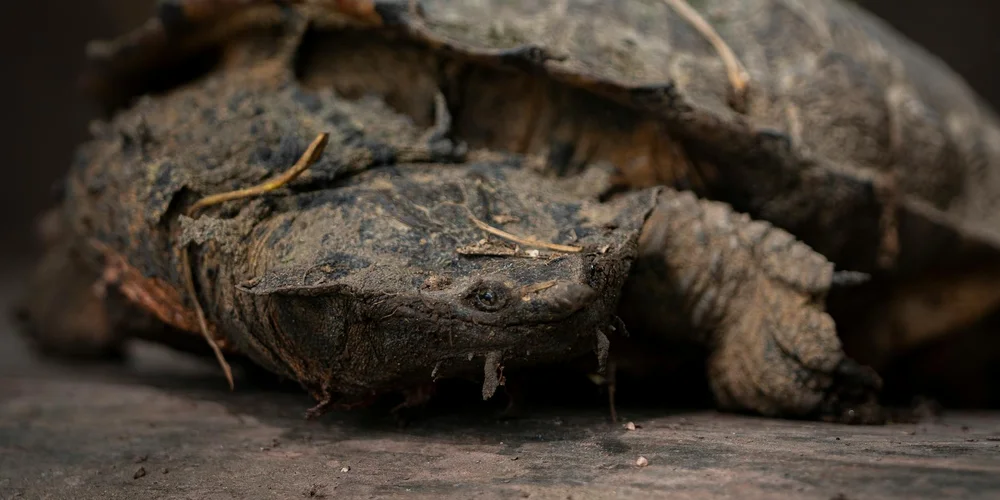
A snapping turtle’s relationship with its home changes with the seasons. Their annual cycle is a beautiful dance of activity and rest, deeply tied to water temperature and daylight. Observing my own turtles’ behavior gives me a small window into this wild rhythm. During winter they slow to a near standstill and brumate in the mud at the bottom of ponds, sometimes beneath a thin layer of ice, until spring. This quiet period is essential for their winter survival.
During the warm summer months, they are most active.
- Basking occurs frequently, often in shallow, sun-drenched waters.
- They travel more, sometimes overland, to find new feeding grounds or mates.
- Nesting season sees females journeying far from water to lay eggs in sandy soil.
As autumn’s chill sets in, their behavior shifts dramatically. They begin a gradual retreat to the deepest, most protected parts of their aquatic home. This is a preparation phase, where feeding slows and they seek out the perfect spot to wait out the cold.
Winter is a time of profound stillness. Snapping turtles do not truly hibernate but enter a state of brumation.
- They bury themselves completely in the mud at the bottom of a pond or river.
- Their metabolism slows to an absolute crawl.
- They absorb what little oxygen they need directly from the water through their skin and cloaca.
With the spring thaw, they re-emerge, often looking a bit thinner. This seasonal reliance on specific microhabitats, like deep wintering pools, makes protecting these areas absolutely vital for their survival. A disrupted wintering site can be a death sentence for an entire local population.
Translating Wild Habitat to Captive Care
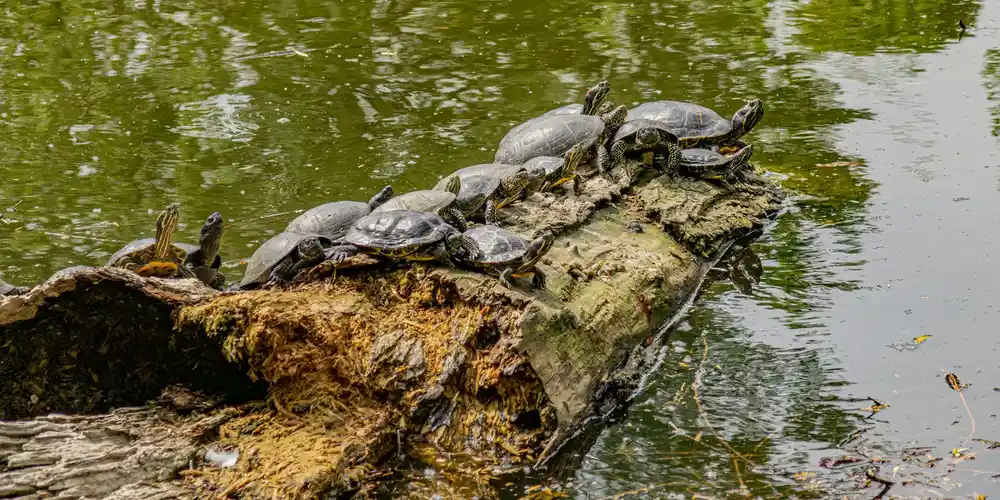
Creating a home for a snapping turtle is a big responsibility. Their complex wild needs demand an equally thoughtful captive environment to thrive. From my years with aquatic turtles, I’ve learned that replicating key habitat features prevents stress and promotes natural behaviors. Understanding snapping turtle behavior is essential for safety. This short safety guide on snapping turtle behavior facts offers practical tips for responsible care.
Mimicking the Aquatic Environment
Snapping turtles are not casual swimmers; they are bottom-dwellers. Your tank or pond must reflect this.
- Water Volume is Non-Negotiable: Provide at least 10 gallons of water for every inch of shell length. An adult common snapper needs a pond or stock tank, not an aquarium.
- Depth for Diving: The water must be deep enough for the turtle to fully submerge and walk along the bottom. Shallow water is frustrating and unnatural for them.
- Soft, Muddy Substrate: Use a fine sand or very small, smooth gravel. They love to bury themselves completely, lying in wait just as they would in a wild creek bed.
Essential Basking and Hiding Areas
While they are less conspicuous baskers than other turtles, they still require the option.
- Secure Basking Platform: Offer a large, sturdy platform that can support their significant weight, positioned under a proper heat and UVB lamp.
- Ample Hiding Spots: Provide caves, PVC pipes, or dense aquatic plants. Hiding is a fundamental security behavior, not a sign of illness. My own turtles have always been more active and confident when they have secure places to retreat.
- Minimal Handling: Respect their defensive nature. Observe, don’t harass. A happy snapper is one you leave alone to do its thing.
Legal and Conservation Considerations
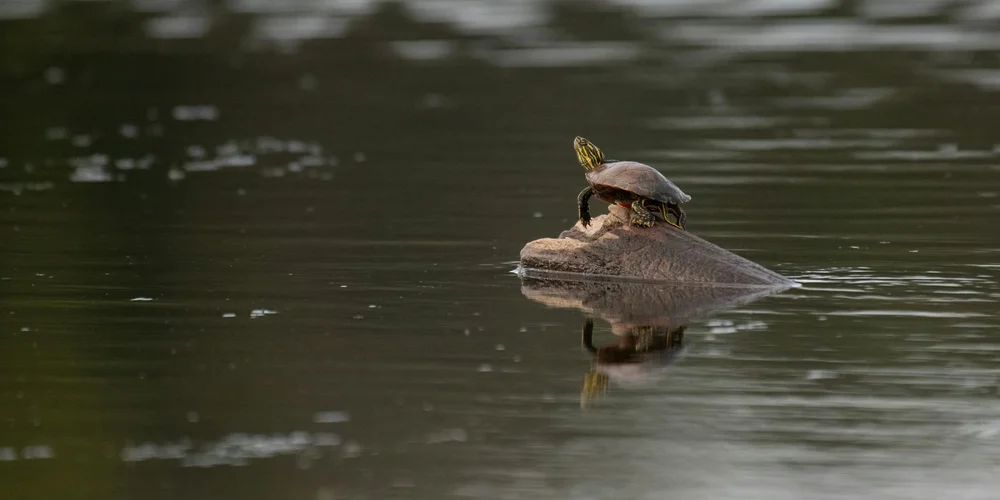
Owning a snapping turtle is not as simple as buying one from a pet store. These creatures are often protected by state and local laws due to their ecological role and, in some areas, declining populations. If you’re considering keeping one as a pet, check your local regulations to see if it’s legal and whether a permit is required. Understanding the rules upfront helps ensure you can keep a turtle responsibly and legally.
I strongly advocate for knowing the origin of any turtle. The pet trade can negatively impact wild populations.
Understanding Local Regulations
Laws vary dramatically.
- Permit Requirements: Many states require a special permit or fishing license to legally possess a snapping turtle.
- Outright Bans: Some jurisdictions completely prohibit keeping native snapping turtles as pets.
- Size and Bag Limits: Even where harvesting from the wild is allowed, there are often strict limits on the size and number of turtles you can take.
The Ethical Choice: Rescue and Adoption
Before considering a wild-caught turtle, look into rescue organizations. Many wonderful snappers need homes after being surrendered by owners unprepared for their long lifespan and size. Adopting a rescue turtle is a compassionate act that directly supports animal welfare.
Always contact your state’s fish and wildlife agency for the most current regulations. What is legal in one state can be a serious violation in the next.
FAQs
What is the habitat of snapping turtles for kids?
Snapping turtles live in muddy, slow-moving waters like ponds and rivers where they can hide and hunt easily. They enjoy places with lots of plants and soft bottoms to bury themselves in for safety. Unlike some species that can live on land, snapping turtles are primarily aquatic and need water to survive.
What is a habitat map for snapping turtles?
A habitat map illustrates their range across eastern North America, from Canada to the Gulf of Mexico. It highlights freshwater areas like lakes and wetlands where they are commonly found.
How to DIY a snapping turtle habitat tank?
Start with a large stock tank or pond liner, adding deep water and a sandy substrate for burrowing. Include hiding spots like rocks or PVC pipes and a sturdy basking area with proper heating and UVB lighting.
What is a snapping turtle habitat tank kit?
A habitat tank kit is a pre-assembled set that often includes a tank, filter, and basking platform for easy setup. These kits provide a foundation but may require upgrades to meet the turtle’s full habitat needs as it grows. Learning how to set up the perfect painted turtle tank can help you make necessary adjustments and create an ideal environment for your pet turtle.
What are the habitat and food of snapping turtles?
Snapping turtles thrive in freshwater habitats with soft bottoms and ample cover, where they eat a varied diet of fish, insects, and plants. In captivity, they need a similar environment and a balanced diet including commercial pellets and fresh foods. Understanding their diet in the wild can help ensure they are properly cared for.
Parting Wisdom for Turtle Enthusiasts
Snapping turtles favor slow-moving freshwater habitats rich in vegetation and hiding spots. In behavior biology terms, they display ambush predation, powerful bites, and temperature-influenced activity patterns. In the wild, these cues shape how they move, forage, and interact with their surroundings. Understanding their wild environments helps you craft a captive space that honors their natural instincts and promotes well-being.
Embrace responsible pet ownership by continually educating yourself on proper turtle care and habitat needs. My years with Bronte have taught me that dedicated learning and adaptability are key to nurturing a thriving, content turtle.
Further Reading & Sources
- Common snapping turtle – Wikipedia
- Common Snapping Turtle – Flat Rock Brook
- Chelydra serpentina (Common Snapping Turtle) | INFORMATION | Animal Diversity Web
- Alligator Snapping Turtle | National Wildlife Federation
Matthew is a dedicated turtle enthusiast and conservationist with over 15 years of experience in reptile care. Known affectionately as "The Leatherback" among his peers, he combines his passion for turtles with a commitment to educating pet owners on responsible turtle care and environmental stewardship.
Aquatic Turtles