
How and Why Turtles Sleep Underwater
Published on: May 23, 2026 | Last Updated: May 23, 2026
Written By: Matthew The
If you’ve ever spotted your turtle resting at the bottom of a tank or pond and felt a twinge of worry about how they breathe, you’re in good company. I’ve spent countless hours observing my own turtles, like Austen and Bronte, and initially shared that same concern for their safety and comfort.
We will cover: how turtles manage to sleep underwater, the reasons they prefer it, the unique body adaptations that make it safe, and practical care tips from my personal journey with these gentle creatures.
How Turtles Sleep Underwater
Physiological Adaptations for Underwater Rest
Turtles possess remarkable biological tools that make sleeping in water possible. Their bodies can absorb small amounts of oxygen directly from the water through specialized areas of skin, particularly around their cloaca. This process, often called cloacal respiration, acts like a slow-burning battery, supplementing the oxygen they get from the air.
My Russian tortoise, Austen, is a land dweller, but watching my aquatic friends has shown me how their metabolism dramatically slows down during rest. This state of reduced activity lowers their overall oxygen requirement, allowing them to stay submerged for extended periods without needing a breath. It’s a brilliant, energy-efficient system honed by millions of years of evolution.
Breathing and Buoyancy During Sleep
You won’t see a sleeping turtle actively swimming or paddling. They often find a secure spot, like a submerged log or a dense patch of plants, and settle in, becoming almost weightless in the water. Their shell provides natural stability, preventing them from tipping over. Normally, this buoyancy is just right for resting underwater. But when buoyancy goes off—due to gas buildup, illness, or injury—the turtle may float abnormally or have trouble submerging.
Breathing is handled in brief, almost imperceptible surfacing events. A sleeping turtle will instinctively raise its head just enough to break the water’s surface, take a quick, quiet breath, and sink back down without fully waking. It’s a far cry from the deep, rhythmic sleep we experience, but it’s perfectly restful for them. How turtles hold their breath for such extended periods is truly fascinating.
Why Turtles Sleep Underwater
Safety from Predators
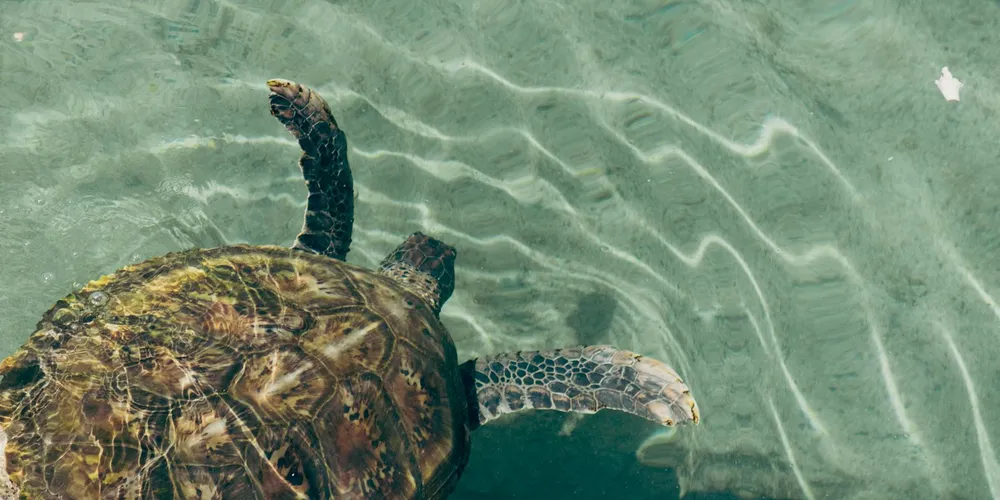
For a turtle, the underwater world is a sanctuary. Sleeping submerged offers a layer of protection that dry land simply cannot provide, shielding them from land-based predators like raccoons, foxes, and birds. The water obscures their scent and makes them a much more difficult target to spot and reach.
I’ve seen my box turtle, Orwell, who is semi-aquatic, choose to sleep in his shallow water dish on nights when he seems more skittish. This instinctual drive for a secure resting place is hardwired into their behavior, ensuring they wake up to see another day. They also bask to warm up and absorb UVB for vitamin D3, which helps calcium use for the shell and bones. This is why box turtles spend so much time out of water, especially in sunny weather.
Energy Conservation and Metabolism
Water provides a uniquely efficient environment for rest. The buoyancy of water supports their body, meaning their muscles can fully relax without exerting energy to hold a position. On land, they must constantly make minor adjustments to stay comfortable.
This relaxed state allows their metabolism to drop even further than it would during terrestrial sleep. By slowing their bodily functions in the cool, weightless embrace of water, turtles conserve vital energy for digestion, growth, and immune function. It’s the ultimate form of reptilian rest and recharge.
Is Underwater Sleeping Normal for Pet Turtles?
Absolutely. Seeing your turtle resting on the bottom of the tank can be startling, but it’s a completely natural behavior for many species. My Russian tortoise, Austen, prefers dry land for his naps, but my aquatic turtles have always snoozed submerged. This is their instinctual way of resting safely away from potential predators.
Freshwater vs. Sea Turtle Sleep Habits
While all turtles need sleep, their methods differ dramatically based on their habitat.
- Freshwater Turtles (Like Red-Eared Sliders): These are the champions of underwater napping. They can sleep fully submerged for hours. Their secret is a process called cloacal respiration, where they can absorb small amounts of oxygen directly from the water through a specialized opening.
- Sea Turtles: These giants of the ocean have a different strategy. They must surface to breathe air, even while sleeping. They often nap while resting on the ocean floor or by taking short, slow-moving “power naps” near the surface, rising for a quick breath without fully waking.
The key takeaway is that your pet freshwater turtle sleeping underwater is not just normal; it’s a sign they feel secure in their environment. To diagnose your turtle’s habitat, use a simple checklist for perfect lighting, heat, and water quality. This helps ensure they have what they need to thrive.
Signs Your Turtle Is Sleeping vs. Distressed
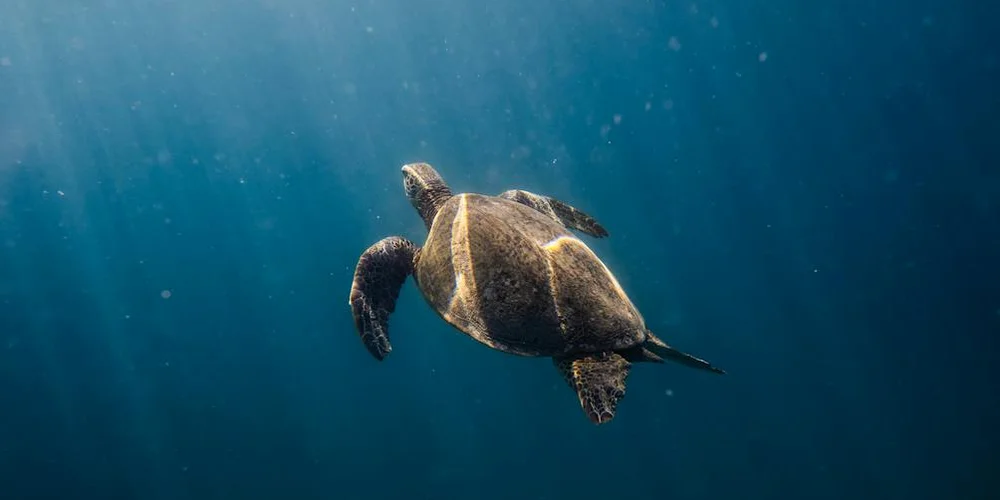
It’s vital to know the difference between a peaceful slumber and a potential health crisis. A sleeping turtle exhibits calm, predictable behaviors.
Healthy Sleep Indicators
- Relaxed Limbs: Their legs and neck will be extended loosely, not tucked tightly into their shell.
- Chosen Resting Spot: They often pick a favorite corner, under a plant, or on a smooth rock.
- Slow, Gentle Movements: You might see them make slight adjustments in their position.
- Quick Response: A gentle tap on the glass or a change in light will usually cause them to stir and become alert.
A turtle that is simply sleeping will appear completely at peace, almost meditative in its stillness. I’ve watched my own turtles for years, and this relaxed posture is the most telling sign of a good nap.
Red Flags for Distress
Some behaviors mimic sleep but signal a serious problem. If you notice any of these, it’s time for a closer look.
- Lethargy During Active Hours: If your turtle is consistently inactive when they are normally basking or swimming, it’s a concern.
- Listing or Floating Oddly: An inability to stay submerged or floating lopsided can indicate respiratory infections or other issues.
- Bubbles from the Nose or Mouth: This is a classic symptom of a respiratory infection and requires immediate veterinary attention.
- No Response to Stimuli: If your turtle doesn’t react to you or food after what seems like a long sleep, they may be ill.
Trust your instincts—you know your turtle’s normal behavior better than anyone. A sudden, prolonged change in their resting habits is the most important clue that something is wrong. If these changes persist or you notice other warning signs, it’s time to consider whether your turtle needs to see a veterinarian. Early veterinary care can help ensure your turtle stays healthy.
Setting Up a Safe Tank for Underwater Sleep
Optimal Water Depth and Quality
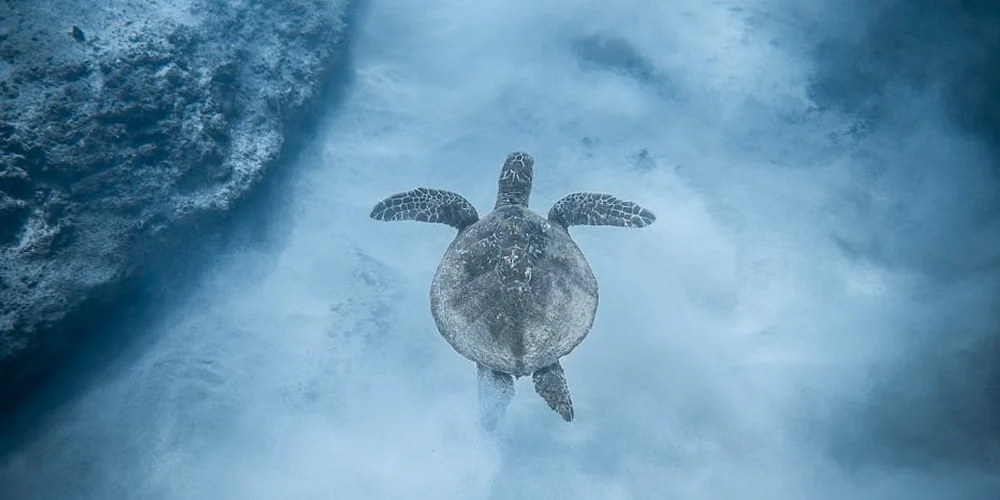
Getting the water depth right makes a huge difference for your turtle’s underwater naps. For most aquatic turtles, aim for a depth that allows them to fully submerge and move comfortably without struggling to reach the surface. I’ve found with my own turtles, like Orwell the box turtle, that a depth of 1.5 to 2 times their shell length works well, but always check species-specific needs-some prefer shallower spots.
Water quality is just as vital as depth. Keep the water clean with a reliable filter to remove waste and prevent harmful bacteria buildup. Essential filtration systems keep turtle water clean and clear, continuously removing waste and toxins. From my experience, a good filter reduces stress and lets turtles sleep soundly, much like how Bronte, my Greek tortoise, thrives in her well-maintained habitat.
- Maintain a stable temperature between 75-85°F for most species
- Test pH levels weekly, aiming for 6.5 to 8.0 to avoid skin irritation
- Change 25% of the water weekly to keep it fresh and clear
Basking and Resting Areas
Basking spots are essential for your turtle to dry off and regulate body temperature after sleeping underwater. Provide a sturdy platform under a heat lamp where your turtle can climb out easily and soak up warmth. I’ve watched Austen, my Russian tortoise, spend hours basking peacefully, which helps him digest food and stay healthy. To support turtle well-being, also create basking hiding areas—simple caves or shaded nooks—near the basking spot so your turtle can retreat when stressed. This combination promotes comfort, security, and natural behavior.
Resting areas in the water give turtles a place to pause without fully surfacing. Add smooth rocks or driftwood at varying depths to create natural resting spots. This mimics their wild habitats and reduces exhaustion, something I’ve seen with Bronte who gracefully perches on her favorite log. To create a perfect basking area for your aquatic turtle, add a dry, stable platform above the water with UVB lighting and a gentle heat source. Make sure the area is easy to access and kept clean and dry.
- Choose non-toxic materials like slate or resin for basking areas
- Ensure the basking spot is large enough for your turtle to stretch out fully
- Position resting areas away from strong water currents to prevent disturbance
Common Sleep-Related Health Issues
When to Contact a Veterinarian
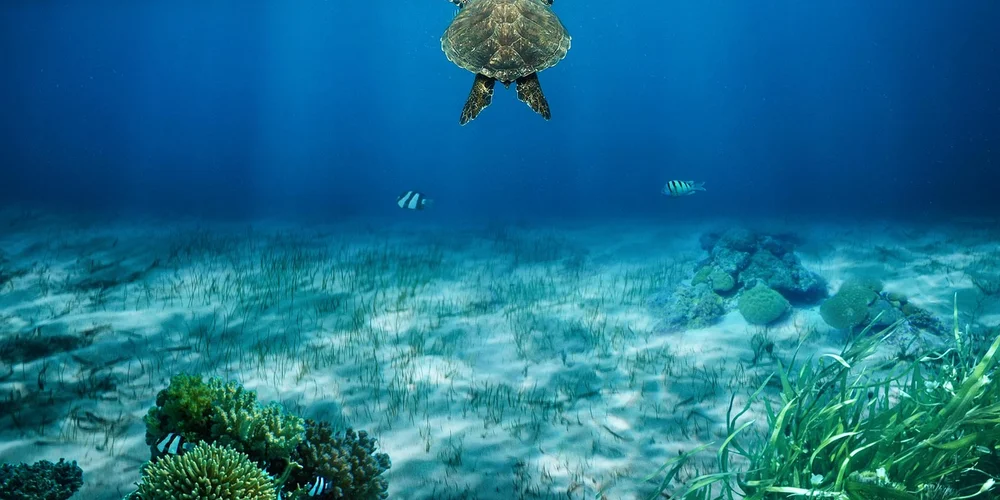
Sleep issues in turtles can signal underlying health problems that need quick attention. If your turtle sleeps excessively or seems lethargic during waking hours, it might indicate an infection or poor water conditions. I once noticed Orwell acting unusually sluggish, and a vet visit revealed a minor respiratory issue we caught early.
Watch for changes in breathing or buoyancy while your turtle rests underwater. Labored breathing or difficulty staying submerged could point to serious conditions like pneumonia. Early warning signs of respiratory infections in turtles can include nasal discharge, swollen eyes, or reduced appetite. Being alert to these signs along with breathing changes helps prompt timely care. Trust your instincts—if something feels off, it’s better to consult a professional than wait.
- Contact a vet if your turtle refuses to eat for more than a few days
- Seek help for visible swelling, discharge, or irregular shell growth
- Get advice if your turtle floats oddly or can’t dive properly
FAQs
Do turtles sleep underwater at night?
Yes, many turtles sleep underwater at night as it aligns with their natural circadian rhythms for rest. This behavior helps them avoid nocturnal predators and conserve energy efficiently. Are turtles nocturnal? Sleep patterns vary by species and habitat, so not all turtles are strictly nocturnal.
Can turtles sleep underwater?
Yes, turtles can sleep underwater thanks to physiological adaptations like reduced metabolic rates and cloacal respiration. However, the ability varies by species, with aquatic turtles being more adept than terrestrial ones.
Do turtles sleep underwater or on land?
Turtles may sleep in either location based on their species and individual preferences. Aquatic turtles often choose water for safety, while land-dwelling species typically rest on solid ground.
How do sea turtles sleep underwater?
Sea turtles sleep underwater by taking brief naps and surfacing intermittently to breathe air. They often rest while stationary on the ocean floor or drifting slowly to maintain oxygen levels.
Do turtles sleep underwater during the day?
Yes, turtles can sleep underwater during the day if they feel secure and undisturbed. Their sleep patterns are flexible, allowing rest whenever their environment feels safe.
A Final Word on Your Turtle’s Rest
Ultimately, your turtle’s ability to sleep soundly underwater hinges on you providing clean, well-oxygenated water and a habitat designed for their specific needs. By understanding their unique biology and observing their behavior, you can create a sanctuary where they feel perfectly safe to drift into their aquatic slumber.
Being a responsible turtle guardian is a continuous journey of learning and adapting to your shelled friend’s needs. I encourage you to keep asking questions and deepening your knowledge, because a well-cared-for turtle is a happy, healthy companion for years to come.
Further Reading & Sources
- r/turtle on Reddit: Is it normal for a turtle to sleep underwater?
- Where do Sea Turtles (honu) sleep? – Turtle Snorkeling Oahu ~ Turtles and You
- Do Turtles Sleep Underwater? – All Turtles
- How Do Turtles Sleep? Do Turtles Sleep Underwater? – YouTube
Matthew is a dedicated turtle enthusiast and conservationist with over 15 years of experience in reptile care. Known affectionately as "The Leatherback" among his peers, he combines his passion for turtles with a commitment to educating pet owners on responsible turtle care and environmental stewardship.
Understanding Turtle Behavior