
Can You Legally Keep a Turtle as a Pet? A Guide to Laws and Care
Published on: May 2, 2026 | Last Updated: May 2, 2026
Written By: Matthew The
After years of sharing my life with turtles like Austen and Bronte, I’ve learned that their calm presence brings joy, but it’s vital to start with the legal and ethical basics.
If you’re curious about turtle ownership but concerned over legality, animal welfare, or complex regulations, you’re asking the right questions from the start.
This article breaks down key areas: legal requirements by location, protected species to avoid, essential care steps, and ethical pet ownership principles.
Understanding Turtle Ownership Laws by Location
Navigating turtle ownership laws can feel like a maze, but I’ve learned through my own experiences with Austen and Bronte that it boils down to three main layers of rules. Federal laws set the baseline, state laws build on them, and local ordinances add the final, often surprising, touches. Beyond the legal framework, daily care differs between aquatic and terrestrial turtles. Water quality and tank upkeep define the aquatic routine, while land-based habitats and feeding define the terrestrial one.
The U.S. Fish and Wildlife Service enforces the Lacey Act and international agreements like CITES (the Convention on International Trade in Endangered Species of Wild Fauna and Flora). These laws protect wildlife from illegal trade and overexploitation. These regulations primarily focus on protecting species from overharvesting and illegal trafficking across borders.
Where you live dramatically changes what you can legally own. For instance, some states completely ban the sale of small turtles under four inches to protect children from salmonella. Others, like my home state, have strict rules about owning native species to prevent disrupting local ecosystems. You might find that a turtle perfectly legal in a neighboring state is completely off-limits where you are. This is especially important to consider when choosing a turtle habitat for your pet.
- CITES: An international agreement ensuring trade doesn’t threaten species’ survival.
- Native Species Protection: Many states prohibit capturing or keeping turtles from their local wild populations.
- State Wildlife Agencies: Your primary resource for specific, local regulations.
Legal Turtle Species for Pet Ownership
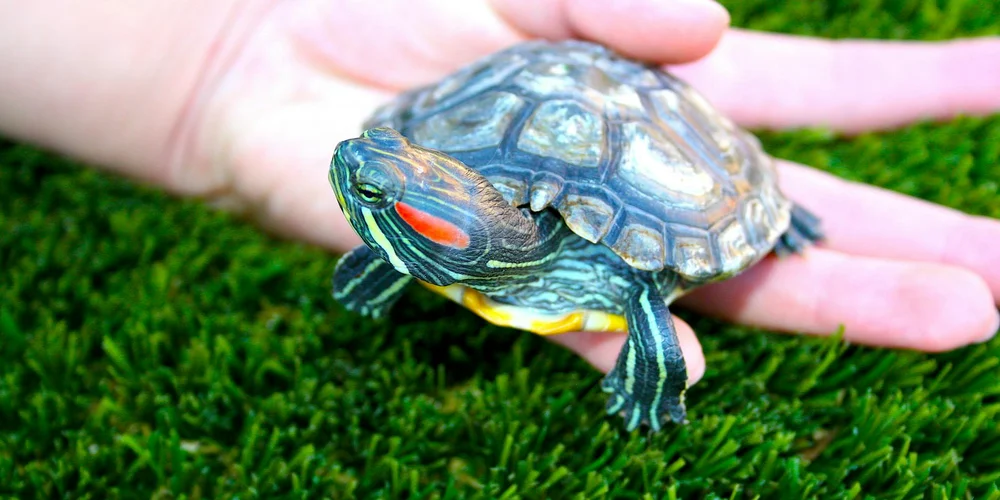
Based on my decade of keeping tortoises, I can share that many common pet species are widely legal, but you must always double-check. Generally, captive-bred turtles from reputable breeders are your safest and most ethical bet. Ethical considerations matter as much as legality, including welfare and the impact on conservation. If you decide to keep a turtle, prioritize captive-bred individuals from reputable sources and ensure you can provide appropriate, long-term care.
Laws get much stricter with exotic, venomous, or endangered turtles. Importing species listed on CITES Appendix I, like certain tortoises, is typically forbidden without special permits. Owning an endangered or exotic species without proper documentation can lead to significant fines and the animal being confiscated. My Russian and Greek tortoises, for example, are common in the pet trade and not considered endangered, which makes their ownership far less complicated. If you’re considering a pet turtle, check a reputable guide on where to buy and how to acquire responsibly. Look for licensed breeders or rescue centers and ask for documentation of origin and permits.
Here is a simple list of species often allowed, but remember to verify with your local authorities:
- Red-Eared Slider: Common, but banned in some areas due to invasive potential.
- Russian Tortoise: Like my Austen, generally legal with few restrictions.
- Greek Tortoise: Similar to Bronte, widely accepted as a pet.
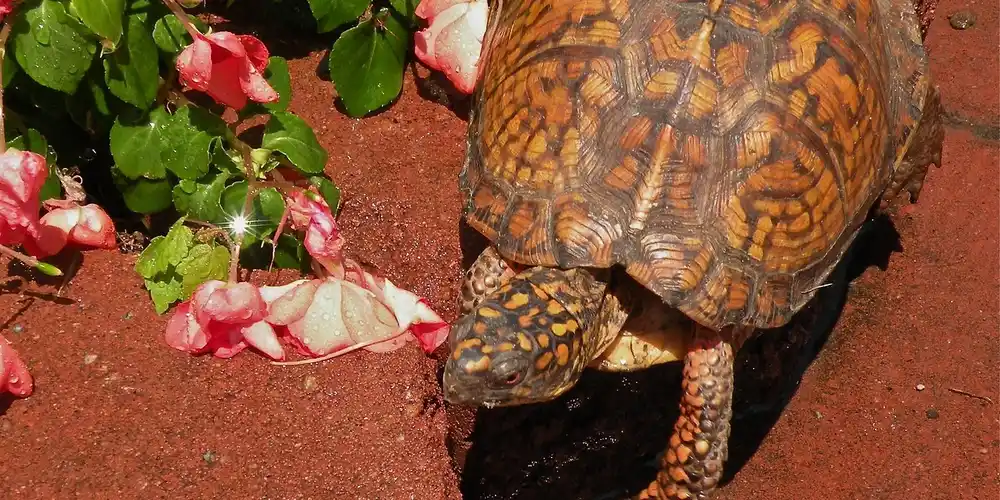
- Box Turtle: My Orwell is a box turtle, but many states protect their native populations.
- Painted Turtle: Often legal, but check local laws on native wildlife.
Permits, Licensing, and Registration Requirements
Navigating the legal side of turtle ownership can feel complex, but it ultimately protects both you and the animals. You’ll typically need a permit for activities beyond simple pet ownership, such as breeding turtles or selling or transporting turtles commercially. Laws about selling or transporting turtles vary by jurisdiction and often require health checks or permits. Even moving them across borders can fall under wildlife transport regulations. My own journey with Bronte, my Greek tortoise, required me to look into this when I considered conservation-focused breeding.
Licensing processes vary by state and locality, but they generally involve applying through your state’s fish and wildlife or environmental conservation department. The application process usually asks for detailed information about your experience, the turtle’s intended habitat, and your reasons for ownership. In particular, agencies may require you to outline the space and habitat you’ll provide for the turtle, including enclosure size and environmental controls. Adequate habitat setup is a common factor in approval decisions.
Steps to Apply for a Permit
- Contact your state’s wildlife agency to identify the correct permit type.
- Complete the application form with precise details about the turtle species and source.
- Submit any required facility inspections or husbandry plans.
- Pay the associated application or licensing fee.
- Wait for the review and approval, which can take several weeks.
Checklist: When You Might Need a Permit
- Owning a turtle species listed as endangered or threatened.
- Breeding turtles with the intent to sell the offspring.
- Selling turtles, even casually or online.
- Housing a turtle with a shell length exceeding a state-mandated size.
- Keeping a native species removed from the wild under special circumstances.
Rules for Buying, Selling, and Importing Turtles

Where you get your turtle matters immensely, both legally and ethically. Federal law prohibits the sale of turtles with a carapace length under 4 inches, a rule designed to prevent Salmonella risks to children. This affects most pet store offerings.
Acquiring turtles from breeders or through trade requires due diligence. Always ask for documentation proving the turtle was captive-bred, not taken from the wild. I made sure to get Austen and Bronte from reputable breeders who provided detailed lineage papers.
Taking turtles from the wild is generally illegal and harmful to local ecosystems. Wild-caught turtles often struggle to adapt to captivity and can introduce diseases to other pets. Their removal also depletes natural populations that are already under stress.
Key Points on Import and Export Regulations
- International trade is regulated by CITES (Convention on International Trade in Endangered Species).
- Imported turtles often require health certificates and mandatory quarantine periods.
- Some states have outright bans on importing certain non-native species.
- There are strict quotas on the number of turtles that can be legally exported from some countries.
- Commercial importers must often meet specific facility and care standards.
Health, Habitat, and Welfare Standards
Your turtle’s home is their entire world, and the law often has specific opinions on its construction. Proper habitat setup isn’t just about comfort; it’s a legal cornerstone for responsible ownership. Based on my decade with my tortoises, I’ve learned that meeting these standards is the first step in proving you’re a capable guardian.
Mandated Enclosure and Habitat Safety
Many jurisdictions base minimum enclosure sizes on the species’ adult size, often requiring a footprint several times the turtle’s length and width. For my Russian Tortoise, Austen, that translated to a 4×2 foot indoor enclosure as a legal minimum for his well-being. Outdoor rules frequently demand secure, predator-proof fencing that also prevents escapes. Every element, from the type of substrate to the height of water features, must be evaluated for safety to prevent drowning or injury. It’s essential to verify what size enclosure is needed for your specific species to ensure their health and safety.
Health Standards and Veterinary Care
Legal ownership means committing to your pet’s health from day one. A mandatory quarantine period for any new turtle is a non-negotiable best practice to prevent the spread of disease to other animals you may own. You are legally obligated to seek veterinary care from a professional experienced with reptiles for any signs of illness or injury. In some areas, certain contagious diseases, like Salmonella outbreaks traced to reptiles, must be reported to health authorities.
Steps for Maintaining Ongoing Welfare
Caring for a turtle is a dynamic process. I perform a quick habitat check every morning during feeding.
- Conduct a daily visual inspection of your turtle for any signs of distress or injury.
- Perform a weekly deep clean of the enclosure, replacing soiled substrate and sanitizing water bowls.
- Schedule a monthly comprehensive habitat assessment, checking that all heating and lighting equipment functions perfectly.
- Arrange for an annual check-up with a qualified reptile veterinarian, even if your turtle seems healthy.
Penalties and Compliance Steps for Turtle Owners
Ignorance of the law is rarely considered a valid excuse, and the consequences for illegal turtle ownership can be severe. Getting caught on the wrong side of these regulations can lead to more than just a slap on the wrist; it can mean losing a beloved pet. Understanding the stakes is crucial for every potential and current owner. First-time turtle owners are especially prone to a few common mistakes, including not understanding legal requirements and basic care.
Potential Legal Consequences
The penalties vary widely but are designed to be a deterrent. You could face significant fines, often running into hundreds or even thousands of dollars, depending on the violation. In severe cases, such as trafficking endangered species, criminal charges are a real possibility. The most heart-wrenching penalty is the confiscation of your turtle, which is then placed into a licensed sanctuary or, in worst-case scenarios, euthanized.
What to Do If Your Ownership Is Questionable
If you have doubts about your turtle’s legal status, the worst thing you can do is nothing. Your first call should be to your state’s fish and wildlife agency or a local reptile rescue organization for confidential guidance. They can help you identify your turtle’s species and determine its legal status. If you discover you possess an illegal species, these organizations can often facilitate a safe, no-penalty surrender.
Age and Quantity Restrictions
Laws often protect both the animals and the public. Many areas enforce a minimum age requirement, typically 16 or 18 years old, for the primary owner of a turtle to ensure responsible care. There are also often limits on the number of turtles a single household can keep without a special breeder or exhibitor’s permit. These rules help prevent hoarding situations and ensure each animal receives adequate space and resources.
FAQs
Do you need a permit to own a pet turtle?
Permit requirements depend on your location and the turtle species. For common pet turtles, permits are often unnecessary, but exotic or endangered species typically require one or more permits.
Are there minimum size or age requirements for pet turtles?
Federal law prohibits selling turtles under 4 inches to reduce salmonella risks. Some states also impose minimum age limits for owners, usually 16 or 18 years old.
Are wild caught turtles illegal to own as pets?
Yes, capturing wild turtles is generally illegal to protect natural populations and ecosystems. Opt for captive-bred turtles from reputable sources to ensure legality and animal welfare.
Do you have to register your pet turtle with authorities?
Registration is not typically required for common pet turtle species. However, owning protected or exotic turtles may involve registration or licensing with wildlife agencies. Legal restrictions on owning certain turtle species vary by country, region, and even municipality. Always verify with local wildlife authorities to determine if a permit, registration, or outright prohibition applies.
What steps should you take if you think your turtle ownership might be illegal?
Immediately contact your state’s fish and wildlife department or a reptile rescue for guidance. They can help assess the situation and advise on legal options or safe surrender.
Your Turtle Journey Awaits
Before welcoming a shelled friend, always verify local laws and select species that align with legal and care requirements, just as I did with my Russian tortoise Austen to ensure his home is secure. Proper research prevents legal issues and sets the stage for a thriving pet.
Embrace the role of a dedicated guardian by committing to their long-term health through regular habitat checks and a balanced diet. Stay curious and keep learning, as each turtle, like my thoughtful Greek tortoise Bronte, teaches me something new about their unique needs.
Further Reading & Sources
- Turtle & Tortoise Laws (US, CA, UK & AU) – All Turtles
- Reptile Ownership Laws by State | USARK – United States Association of Reptile Keepers
- The Legal Maze: Is Owning a Turtle as a Pet Allowed?
- Turtle and tortoise laws and regulations for New York
Matthew is a dedicated turtle enthusiast and conservationist with over 15 years of experience in reptile care. Known affectionately as "The Leatherback" among his peers, he combines his passion for turtles with a commitment to educating pet owners on responsible turtle care and environmental stewardship.
Turtle Myths and Misconceptions