
Where to Buy a Healthy Pet Box Turtle: A Trusted Guide
Choosing where to buy a box turtle can be daunting, especially when you’re worried about their health, ethical sourcing, and avoiding scams that harm these gentle creatures.
This article covers reputable breeders, adoption centers, red flags to watch for, essential health checks, and cost considerations to help you make an informed, compassionate choice.
Understanding Your Sourcing Options
You have several paths to find a box turtle, but not all lead to a healthy pet. I learned this firsthand with Orwell, my reserved but intelligent box turtle. Captive-bred turtles from reputable sources are your best bet for a thriving companion. Wild-caught turtles often face stress, parasites, and adaptation issues that can shorten their lives.
Common options include breeders, pet stores, rescues, and online sellers. Always prioritize animal welfare by choosing sources that emphasize captive breeding and proper care. Orwell came from a dedicated breeder who shared detailed health records, which made all the difference in his smooth transition to our home.
- Reputable breeders: Offer health guarantees and detailed histories.
- Pet stores: Vary widely in quality; inspect conditions closely.
- Rescues: Provide a second chance for turtles in need.
- Online sellers: Require thorough vetting to avoid scams.
Each option has its nuances, so take your time to research. Your choice impacts not just your turtle’s health but also conservation efforts for wild populations. When choosing a turtle species, key factors to consider include size, habitat needs, diet, and lifespan. Choosing wisely ensures the turtle fits your home and supports conservation.
Choosing a Reputable Breeder for a Captive-Bred Turtle
Selecting a breeder is a critical step that ensures your turtle starts life on the right foot. Look for breeders who openly share their practices and welcome visits to their facilities. When I found Orwell’s breeder, I asked to see where the turtles lived and how they were fed, which gave me peace of mind.
Start by checking for clear signs of expertise and care. A good breeder will provide proof of captive breeding, such as photos of parents or hatchling records. Avoid those who can’t answer basic questions about diet, habitat, or health screenings.
- Visit the facility if possible to observe cleanliness and turtle behavior.
- Ask for health certificates or vet check records to confirm well-being.
- Read reviews and seek recommendations from other turtle owners.
- Ensure they follow ethical practices, like not overbreeding.
Trust your instincts-if something feels off, move on. This careful approach helps you support breeders who prioritize animal welfare and produce healthier pets. Orwell’s steady nature today stems from that initial diligence in choosing his source.
Adopting from a Reptile Rescue or Shelter
Choosing to adopt a box turtle from a rescue is one of the most rewarding decisions you can make. You’re not just getting a pet; you’re offering a second chance to an animal that truly needs a stable, loving home. My own box turtle, Orwell, came to me this way, and the bond we’ve built is incredibly special.
Rescues are filled with turtles who have been surrendered due to life changes or were found in unsuitable environments.
- You directly support animal welfare by freeing up space and resources for another reptile in need.
- Many rescue turtles are already past the delicate hatchling stage, which can mean a hardier pet.
- Rescue staff often have deep knowledge of each animal’s unique personality and history, providing invaluable insight for your care.
Finding a reputable reptile rescue requires a bit of digging. Start with a simple online search for “reptile rescue near me” or check with general animal shelters, as they sometimes have dedicated exotic pet sections. Once you find a rescue, ask about their turtle intake procedures and guidance on bringing a turtle home. The first month at home is critical for setting up a safe enclosure, monitoring the turtle’s health, and following a rehabilitation plan with veterinary support.
Evaluating Health Before You Buy
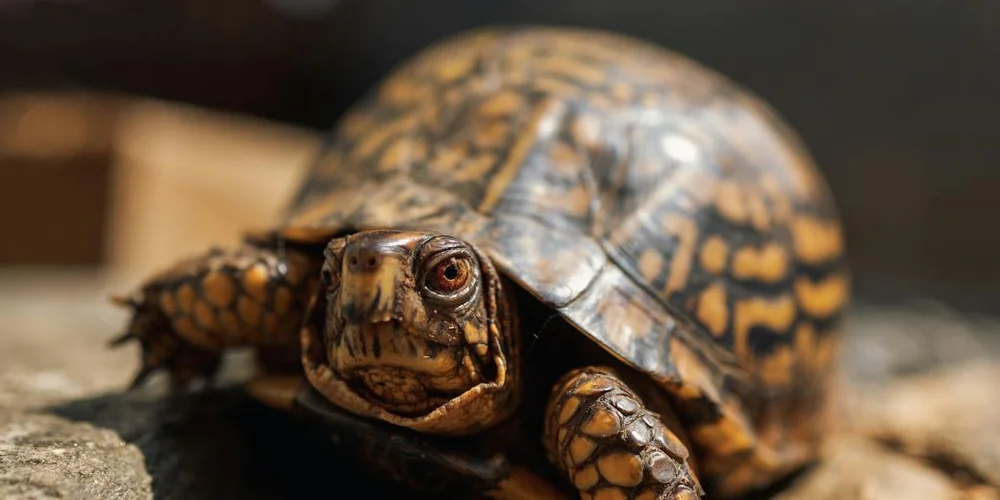
Whether you’re at a rescue, a breeder, or a store, a thorough health check is non-negotiable. I always tell people that a healthy turtle is an active turtle, with clear, bright eyes and a shell free of major imperfections. Walking away from a sick animal is tough, but it’s the responsible choice. Knowing the signs of illness can help you make that decision.
Follow this simple checklist to assess a turtle’s condition:
- Eyes: They should be fully open, clear, and free of any swelling or discharge. Sunken or crusty eyes are a major red flag.
- Nose and Mouth: Check for any bubbling, mucus, or wheezing sounds, which can indicate a respiratory infection. The mouth should be clean.
- Shell: Look for a hard, firm shell without any soft spots, pits, or obvious cracks. Pyramiding (raised scutes) can signal past poor nutrition.
- Activity Level: A healthy turtle should be alert. When gently picked up, it will likely pull its head and legs into its shell-a sign of a good defense instinct.
- Weight: The turtle should feel substantial for its size, not light or hollow. You should not be able to see the hip bones protruding.
Don’t be shy about asking the seller to let you see the turtle eat. A good appetite is one of the most reliable indicators of robust health. Taking these few extra minutes to observe can save you from heartache and expensive vet bills down the road. If you notice any red flags—persistent not eating, lethargy, or shell changes—those are signs your turtle may need a veterinarian. It’s wise to consult a turtle-savvy vet if you see these warning signs.
Navigating Legalities and Permits
Before you fall in love with a specific turtle, you must check your local and state regulations. Many areas, including some entire states, strictly regulate or prohibit keeping box turtles as pets. This protects wild populations from being depleted by the pet trade. Legal restrictions on owning certain turtle species vary by jurisdiction. Some species may require permits or be prohibited.
I learned this the hard way years ago when I almost adopted a turtle without checking, only to find my city required a special permit.
Your research should focus on these key areas:
- Contact your state’s fish and wildlife agency for the most current rules.
- Check your city or county ordinances for any additional exotic pet restrictions.
- Understand the difference between captive-bred and wild-caught turtles; the legalities often differ.
Securing the proper paperwork is your first responsibility as a potential owner. This due diligence ensures you provide a legal and safe forever home.
Preparing Your Home for a New Box Turtle
Creating the right environment is the most critical step you will take for your turtle’s long-term health. A proper habitat mimics their natural ecosystem, providing security and stimulating natural behaviors. A bioactive enclosure uses living plants and beneficial microfauna to help maintain humidity and cleanliness. It also encourages natural foraging behaviors. My box turtle, Orwell, took weeks to fully explore his enclosure, but his cautious curiosity was a joy to watch.
Your setup needs to address several core needs from day one.
The Ideal Enclosure
A simple glass aquarium is not enough for an active box turtle. They need space to roam, dig, and explore.
- For one adult turtle, aim for an enclosure at least 4 feet by 2 feet.
- Consider a custom-built wooden tortoise table or a very large plastic stock tank.
- Outdoor enclosures are fantastic for providing natural sunlight during warm months, but they must be predator-proof.
Bigger is always better when it comes to your turtle’s living space.
Essential Habitat Components
Think of the enclosure as a miniature landscape. It needs distinct zones for different activities.
- Substrate: Use a deep layer of organic topsoil mixed with coconut coir or cypress mulch. This allows for burrowing, which is essential for their mental well-being.
- Humidity & Hydration: Provide a shallow water dish large enough for the turtle to soak its entire body. Maintain ambient humidity around 60-80% by misting the enclosure daily.
- Hiding Spots: Offer multiple secure hides, like half logs, cork bark rounds, or opaque plant pots turned on their sides. This gives them a place to retreat and feel safe.
- Temperature Gradient: Create a warm basking area at one end (85-88°F) using a reptile heat lamp and a cooler area at the other end (70-75°F).
- UVB Lighting: A high-quality UVB lamp is non-negotiable. It enables your turtle to synthesize vitamin D3, which is crucial for metabolizing calcium and preventing metabolic bone disease.
Avoiding Common Sourcing Pitfalls

I’ve seen too many new turtle parents face heartbreak because they bought from the wrong place. Many first-time turtle owners make a few common mistakes that can seriously affect their turtle’s health. Your first decision is the most critical one for your turtle’s long-term health.
The Wild-Caught Trap
Many box turtles in general pet stores are wild-caught, a practice I strongly advise against. My box turtle, Orwell, was a rehomed pet, and his smooth transition into our home solidified my views. Thinking about turtle habitats helps frame this issue of keeping wild pets. A home should mimic a turtle’s natural environment, not just resemble a store display.
- High Stress Levels: Wild-caught turtles are ripped from their natural habitat, leading to severe stress that suppresses their immune system.
- Internal Parasites: They almost always carry a heavy load of internal parasites that require immediate and costly veterinary care.
- Difficulty Adapting: These turtles struggle to accept commercial diets and often fail to thrive in captivity, no matter how perfect your setup is.
Choosing a captive-bred turtle is an act of animal welfare that supports ethical breeding practices.
Red Flags at General Pet Stores
While convenient, large chain pet stores are a gamble for a specialized pet like a box turtle.
- Lack of Specialized Knowledge: Staff are often trained on common pets like dogs and cats, not the specific needs of reptiles.
- Unknown Origin: You rarely get a clear history on the turtle’s lineage or health background.
- Housing Conditions: Look for clear, bright eyes and alert behavior. Lethargic turtles or those housed on inappropriate substrate are a major warning sign.
A reputable source will be transparent and eager to share their husbandry knowledge with you.
Online Classifieds and Unregulated Sellers
Platforms like Craigslist or Facebook Marketplace can be a minefield. I’ve encountered well-meaning people who simply didn’t know how to care for their turtle properly.
- Ask for detailed, current photos and a video of the turtle moving and eating.
- Inquire about the turtle’s origin. If the seller cannot confirm it is captive-bred, walk away.
- Be wary of prices that seem too good to be true; they usually are.
A healthy turtle is an investment, and a suspiciously low price often reflects poor health or unethical sourcing. For the ultimate cost-benefit analysis of owning a turtle, consider lifelong care, housing, and veterinary costs alongside the initial price. This helps ensure value aligns with welfare and long-term enjoyment.
Physical Signs of an Unhealthy Turtle
No matter where you look, your eyes are your best tool. Learn to spot these critical warning signs.
- Shell Condition: Avoid turtles with soft spots (indicating Metabolic Bone Disease), pyramiding, or visible cracks.
- Eyes and Nose: Eyes should be fully open and clear. Bubbles or mucus from the nose or mouth can signal a serious respiratory infection.
- Body Weight: The skin should not be saggy or wrinkled, a sign of dehydration. The turtle should feel solid, not hollow.
Trust your gut; if something feels off about the turtle or the seller, it is okay to walk away and continue your search.
FAQs
What should I look for in a healthy box turtle’s leg scales?
Healthy leg scales should be smooth, evenly colored, and free of cracks or lesions. They should lie flat without excessive gaps or overlapping to indicate good overall health.
How should the scales on a box turtle’s legs be spaced?
Properly spaced leg scales are close but not touching, allowing for natural flexibility and movement. Irregular spacing, such as wide gaps, can signal dehydration or nutritional issues.
Is it normal for a box turtle’s leg scales to overlap?
Minor overlapping can be normal, but significant overlapping may indicate poor shedding or health problems like retained skin. Consistent, smooth scales without tight overlaps are a sign of well-being.
Can I evaluate leg scale spacing indoors when buying a box turtle?
Yes, use bright lighting to closely inspect the leg scales for even spacing and any abnormalities indoors. Maintaining proper humidity in the enclosure helps ensure scales remain healthy and not overly dry.
Where can I find reliable resources on box turtle leg scale health?
Online communities like Reddit often share user experiences and photos for visual reference. Reputable care guides in PDF format from veterinary sites can provide detailed, trustworthy information on scale conditions.
Finding Your Perfect Shelled Companion
Based on my experience with Orwell, my box turtle, I always recommend sourcing from ethical breeders or rescues who prioritize health and proper care. Look for turtles with clear eyes, smooth shells, and active behavior to ensure you’re bringing home a thriving pet. Ethical considerations should guide your decision to keep a turtle. Responsible ownership means planning for proper housing, diet, and lifelong veterinary care.
Caring for a box turtle is a rewarding journey that demands your dedication to their habitat, diet, and overall well-being. Stay curious and keep educating yourself on turtle care to build a lifelong bond filled with joy and responsibility.
Further Reading & Sources
- Box turtle for sale | baby box turtles for sale | eastern | 3 toe ornate
- Box Turtles For Sale | MorphMarket
- Turtles For Sale – Underground Reptiles
- Turtles for Sale – Fast Shipping and Best Prices
Matthew is a dedicated turtle enthusiast and conservationist with over 15 years of experience in reptile care. Known affectionately as "The Leatherback" among his peers, he combines his passion for turtles with a commitment to educating pet owners on responsible turtle care and environmental stewardship.
Preventative Care