
What Are the Legal Restrictions on Owning Certain Turtle Species?
You might be eyeing a new shelled friend but feel a knot in your stomach over legal pitfalls-I’ve been there with my own tortoises, Austen and Bronte, and it’s wise to address those worries head-on.
This guide walks you through federal laws, state-specific rules, protected species lists, and practical steps for compliant ownership.
Understanding Federal Turtle Ownership Laws
Navigating the legal landscape for pet turtles starts at the federal level. These laws are designed to protect both the animals and our ecosystems, and ignorance of them isn’t a valid excuse. I learned this early on when researching for my own shelled companions, Austen and Bronte.
How CITES Affects Pet Turtle Trade
The Convention on International Trade in Endangered Species (CITES) is a global agreement that many countries, including the U.S., follow. Its main job is to ensure that international trade in wild animals and plants doesn’t threaten their survival. Many popular turtle species fall under its protection.
- Species are listed in Appendices I, II, and III, with I being the most restrictive.
- Appendix I includes turtles like the Radiated Tortoise, making commercial trade for pets virtually impossible.
- Appendix II includes species like many Red-Eared Sliders, requiring specific export permits from their country of origin.
- When you buy a turtle from a reputable breeder, they should provide documentation proving it was legally sourced and is CITES-compliant.
Lacey Act and Its Role in Turtle Conservation
This is a powerful U.S. law that complements CITES. The Lacey Act makes it a federal crime to import, export, sell, or acquire wildlife that was taken, possessed, or transported illegally. It essentially closes the loophole of bringing illegally sourced animals into the country.
For you as a keeper, this means you must be certain of your turtle’s origins. Purchasing a turtle that was poached from the wild, even unknowingly, can have serious legal consequences. I always double-check the breeder’s reputation and ask for paperwork to ensure my pets like Orwell were captive-bred.
- It prohibits the interstate transport of illegally taken wildlife.
- It helps protect native species from being collected from the wild for the pet trade.
- Violations can result in significant fines and even imprisonment.
State and Local Regulations for Turtle Keepers
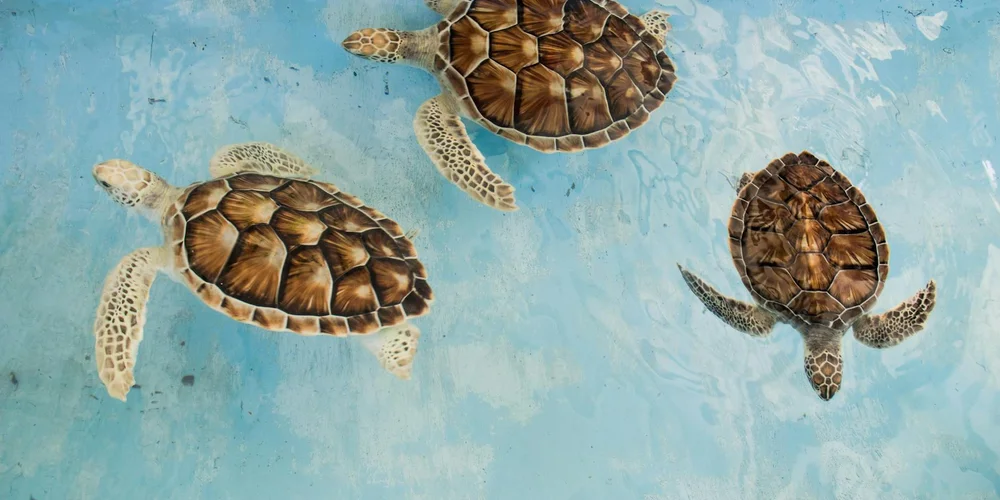
Even if a turtle species is legal at the federal level, your state or city might have its own rules. These local laws can be much more specific and restrictive, so checking them is a non-negotiable step. I’ve found that a quick call to your state’s fish and wildlife agency can clear up any confusion. Beyond legality, there are other key factors to consider when choosing a turtle species. Think about adult size, space, climate needs, and daily diet to make a good fit.
Rules for Native vs. Non-Native Turtle Species
This is a critical distinction that varies wildly from state to state. States are often very protective of their native turtle populations to prevent over-collection and ecological disruption.
- Native Species: Many states, like Florida and California, heavily restrict or outright ban the private ownership of turtles native to that state. They worry about wild populations being depleted by the pet trade.
- Non-Native Species: Some states welcome non-native turtles, while others ban them as “invasive species” to prevent them from establishing wild populations if released. For example, Red-Eared Sliders are banned in several states for this reason.
- Some states require permits or licenses to keep certain species, native or not.
- Local city or county ordinances might also ban turtles outright, regardless of state law.
Always research your specific state’s list of prohibited and restricted species before bringing a new turtle home. Responsible ownership begins with knowing and following the law. For responsible acquisition, see our guide on where to buy pet turtles for reputable sources. It also covers key questions to ask sellers.
Permits and Licensing for Legal Turtle Ownership
Navigating the legal side of turtle ownership can feel overwhelming, but it’s a vital step to ensure you’re caring for your pet responsibly. Proper permits protect both you and the turtles by aligning with conservation goals and preventing illegal trade. I’ve learned through owning Austen, my Russian tortoise, that checking local regulations early saves headaches down the road — especially when it comes to understanding whether you can legally keep a turtle as a pet.
Many regions require permits for species listed under laws like the Endangered Species Act or CITES. You’ll typically need to apply through state wildlife agencies or federal bodies, providing details on the turtle’s origin and your care setup. This process ensures only qualified owners handle sensitive species. Permits for protected turtles are important to prevent illegal trade and ensure proper care.
Captive Breeding and Special Use Permits
If you’re interested in breeding turtles like my Greek tortoise, Bronte, special permits are often mandatory. Captive breeding permits help track genetic diversity and prevent overharvesting from the wild. They usually require proof that you can house and raise turtles humanely. Understanding their wild habitats matters. This informs responsible choices when keeping turtles as pets.
- Submit an application with photos of enclosures and breeding plans.
- Undergo inspections to verify proper habitat conditions.
- Report births and transfers to authorities annually.
Special use permits cover activities like educational displays or rehabilitation. I’ve found that these permits foster community awareness while safeguarding turtle populations. If you’re introducing your turtle to supervised outdoor time for turtles, follow local guidelines to keep it safe and legal. Start with short, monitored sessions in a secure, shaded area. Always check for updates, as laws can change based on conservation needs.
Species-Specific Restrictions and Prohibitions
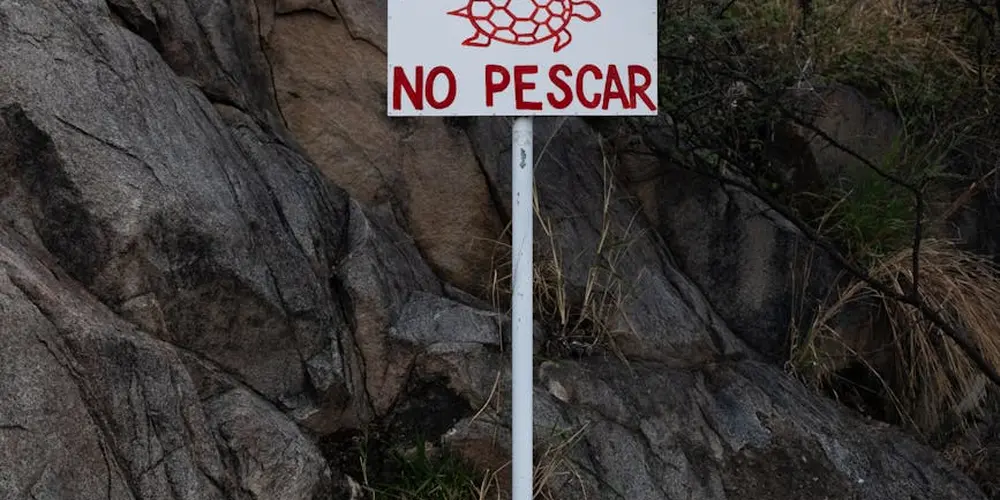
Not all turtles are created equal in the eyes of the law, and some species come with strict no-ownership rules. These restrictions exist to curb poaching and support recovery efforts for threatened animals. With Orwell, my box turtle, I’ve seen how species-specific laws vary widely by location.
Commonly restricted turtles include those with small wild populations or high smuggling risks. Always research your desired species against local and international lists before bringing one home. This proactive approach honors animal welfare and keeps you on the right side of the law.
Sea Turtle Ownership Laws
Sea turtles, like greens or loggerheads, are almost universally off-limits for private ownership. Federal laws in places like the U.S. strictly prohibit keeping sea turtles due to their endangered status and complex marine needs. I’ve volunteered with rescue groups and seen how these laws help rehabilitate injured sea turtles for release.
Owning a sea turtle can lead to heavy fines or legal action. Instead, support conservation through ethical tourism or donations to protection programs. These majestic creatures thrive in the wild, not in home aquariums.
- Sea turtles are protected under acts like the ESA and Marine Turtle Conservation Act.
- Exceptions exist only for accredited research or rehabilitation facilities.
- Report stranded or injured sea turtles to wildlife authorities immediately.
Respecting these laws ensures future generations can enjoy sea turtles in their natural habitats. By focusing on land-based species like tortoises, you can still experience the joy of turtle companionship legally and ethically.
Penalties and Enforcement of Turtle Laws

Breaking turtle laws can lead to serious consequences, and I’ve seen how ignorance isn’t an excuse in the eyes of the law. Authorities like the U.S. Fish and Wildlife Service actively monitor and enforce these rules to protect vulnerable species. If you’re caught with a restricted turtle, you might face hefty fines, confiscation of your pet, or even criminal charges. For instance, when I first considered adding Bronte, my Greek tortoise, to my family, I researched thoroughly to avoid any legal mishaps.
- Fines ranging from hundreds to thousands of dollars, depending on the violation and species involved.
- Confiscation of the turtle, which can be heartbreaking for both you and the animal.
- Potential jail time for severe cases, especially with endangered species under CITES regulations.
- Civil penalties that might include community service or mandatory education on wildlife laws.
Enforcement isn’t just random; it’s often triggered by tips, inspections at pet stores, or online sales monitoring. I always advise fellow turtle lovers to double-check local and federal laws before making any decisions. From my experience with Orwell, my box turtle, I learned that even well-meaning owners can slip up, so staying informed is your best defense.
Additional Legal Considerations for Turtle Care

Beyond ownership restrictions, there are other legal hoops to jump through for proper turtle care. Many states require permits for keeping certain species, and these often come with specific habitat and care standards. When I moved with Austen, my Russian tortoise, I had to ensure interstate transport complied with both origin and destination laws to avoid penalties. If you’re moving across the country with a turtle, a dedicated relocation guide can help you plan these steps. It lays out how to verify permits, choose a compliant carrier, and coordinate transport across jurisdictions so your pet arrives safely.
- Permit requirements for species listed as threatened or endangered, which may involve regular inspections.
- Laws on outdoor enclosures to prevent escapes and protect local ecosystems.
- Regulations on breeding turtles, especially if you plan to sell offspring.
- Health certifications for interstate moves, like vet checks to prevent disease spread.
Animal welfare laws also play a big role, mandating adequate space, diet, and veterinary care. In my years caring for turtles, I’ve found that following these rules not only keeps you legal but also ensures your pets thrive. For example, providing a varied diet for Bronte helped me meet both ethical and legal standards for her well-being.
Pet Trade Regulations and Selling Turtles
Selling turtles involves a web of regulations designed to curb illegal trade and protect species. The U.S. has strict rules, like the 4-inch law that bans selling small turtles to reduce salmonella risks, which I encountered when I first looked into acquiring Orwell. Online sales are closely watched, and missteps can lead to fines or loss of business licenses.
- CITES permits for international trade of endangered species, requiring documentation for each transaction.
- State-level bans on selling native turtles to prevent overharvesting from the wild.
- Requirements for sellers to provide care sheets and proof of legal acquisition to buyers.
- Penalties for false advertising, such as mislabeling species to bypass restrictions.
From my perspective, ethical selling means prioritizing the turtles’ health over profit. I’ve always made sure any rehoming of my turtles follows these laws to give them the best chance at a good life. If you’re thinking of selling, start by researching your local wildlife agency’s guidelines-it’s a simple step that can save you from legal trouble.
FAQs
What age restrictions apply to turtle ownership?
Some states or localities set minimum age requirements for owning turtles to ensure responsible care. Always check your area’s specific regulations, as these rules can vary widely.
Do owners need to register their turtles?
Registration is not typically required for common pet turtles, but certain protected or endangered species may need documentation. Verify with state wildlife agencies to confirm any registration obligations.
Are there housing and enclosure requirements for pet turtles?
Many jurisdictions enforce specific enclosure standards, such as minimum size and security features, to protect turtle welfare. Adhering to these rules helps prevent escapes and ensures a safe habitat.
Are there health and welfare regulations for turtles?
Animal welfare laws often mandate proper nutrition, veterinary care, and humane treatment for pet turtles. Failure to meet these standards can result in legal action and harm to the animal. Ethical considerations about keeping a pet turtle go beyond legality to ask if captivity serves the animal’s welfare. Prospective owners should assess whether they can meet its long-term needs for space, climate, and enrichment.
Are there limits on the number of turtles a person can own?
Some local laws cap the number of turtles per household to prevent overcrowding and neglect. Exceeding these limits may require permits or lead to penalties.
Navigating Turtle Ownership Legally and Ethically
Always verify your local and state laws before acquiring a turtle, and purchase only from reputable, legal sources to avoid supporting the harmful wildlife trade. This includes understanding the rules around selling, transporting, and keeping turtles, which can vary by jurisdiction. Some species may require permits or have strict transport restrictions. This proactive approach ensures you welcome your new pet without legal complications and protects vulnerable species.
Commit to being a responsible guardian by continually educating yourself on proper turtle care, habitat needs, and welfare standards. Consider following a beginner’s guide to box turtles to cover the essentials for new owners. It helps translate your dedication into practical daily care. Your dedication to lifelong learning creates a thriving environment for your shelled companion and strengthens the entire pet-keeping community.
Further Reading & Sources
- Turtle & Tortoise Laws (US, CA, UK & AU) – All Turtles
- Tennessee Turtle Laws Explained – TurtleOwner.com
- California Turtle Laws Explained – TurtleOwner.com
- Turtle and tortoise laws and regulations for New York
Matthew is a dedicated turtle enthusiast and conservationist with over 15 years of experience in reptile care. Known affectionately as "The Leatherback" among his peers, he combines his passion for turtles with a commitment to educating pet owners on responsible turtle care and environmental stewardship.
Unusual Turtle Species