
Russian Turtle Lifespan: Key Facts and Care Insights
Are you wondering just how long your Russian tortoise might live and if you’re providing the right care to support their well-being over the years?
In this article, we’ll explore: average lifespan ranges, factors that impact longevity, essential care practices, diet and habitat tips, and common health considerations.
Russian Tortoise Lifespan: An Overview
Russian tortoises, scientifically known as Testudo horsfieldii, are remarkably resilient creatures. In my years of caring for them, I’ve found their general lifespan range to be one of their most impressive traits. With proper care, these small, hardy tortoises can be companions for a very long time.
The average life expectancy for a Russian tortoise in captivity often falls between 40 and 50 years. My own Russian tortoise, Austen, is a sprightly 10-year-old, and he’s barely a youngster in the grand scheme of his potential life. Like all tortoises, Austen will age gradually over decades. This long lifespan means that steady, ongoing care matters for his health as he grows. He has many, many healthy years ahead of him with continued diligent care.
| Environment | Typical Lifespan |
|---|---|
| Wild | 20 – 30 years |
| Captivity | 40 – 50+ years |
Lifespan in the Wild vs. Captivity
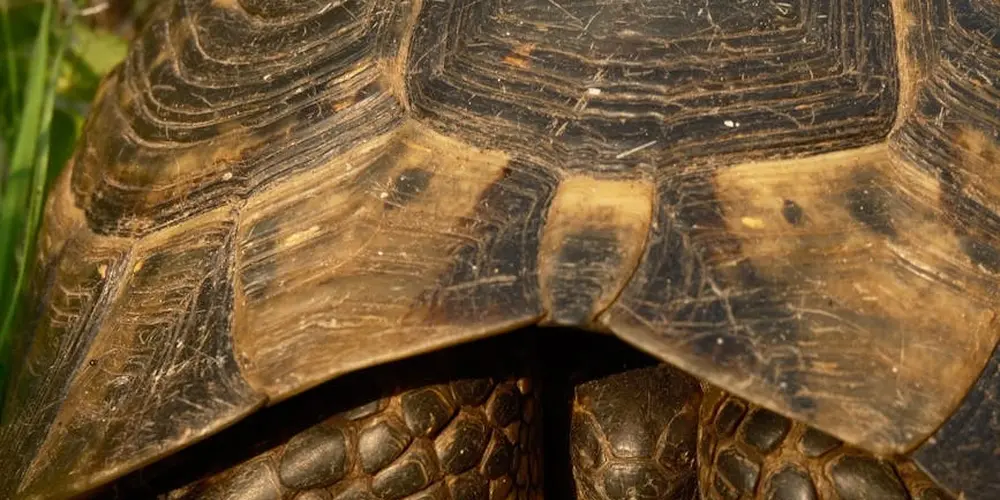
Life in the wild is a constant test of survival for any animal. For Russian tortoises, the stark difference in lifespan between wild and captive settings is a direct reflection of the hardships they face. Their natural environment is fraught with challenges we can mitigate in our homes.
In captivity, we can control nearly every aspect of their world. Providing a safe enclosure, a balanced diet, and proper veterinary care effectively removes the daily threats that shorten wild lives. I’ve observed this contrast firsthand between my tortoises; my captive Greek tortoise, Bronte, lives a life of predictable comfort, while her wild counterparts navigate a much more uncertain existence.
Wild Lifespan Challenges
Wild Russian tortoises face a gauntlet of dangers from the moment they hatch. Their survival is a testament to their toughness, but the odds are often stacked against them.
- Predation: Birds of prey, foxes, and other mammals readily prey on both juveniles and adults.
- Habitat Loss: Human development and agriculture continuously shrink and fragment their natural arid grasslands.
- Climate Extremes: Severe droughts and harsh winters can lead to starvation or exposure.
Their survival strategy includes a deep brumation, similar to hibernation. This period of dormancy is risky, as an improper burrow or a sudden warm spell can deplete their energy reserves and prove fatal. It’s a delicate balance that doesn’t always tip in their favor.
Captivity Lifespan Advantages
Providing a captive home for a Russian tortoise is like offering them a lifelong sanctuary. The controlled environment we create is the single biggest factor in extending their lives well beyond their wild potential.
- Safety: No predators, no cars, and no pesticides threaten their well-being.
- Consistent Nutrition: A steady supply of appropriate greens, vegetables, and supplements prevents malnutrition.
- Veterinary Medicine: Access to a qualified reptile vet can address health issues like parasites or shell infections early.
- Managed Brumation: We can supervise their winter sleep in a safe, temperature-controlled fridge or box, eliminating the risks of the wild.
With good husbandry, it is not unusual for a Russian tortoise to reach 50 years old. Some well-documented individuals have even celebrated their 60th birthdays, a true testament to the power of dedicated, knowledgeable care. This is the legacy we can help them achieve.
Key Factors Influencing Russian Tortoise Lifespan
Several elements play a huge role in how long your Russian tortoise thrives. Getting these right can add years of health and happiness to their life.
- Diet: A balanced diet prevents metabolic bone disease and supports organ function. From caring for Orwell, I learned that adding calcium powder to his meals keeps his shell strong and free from soft spots.
- UVB Lighting: This mimics natural sunlight, helping your tortoise produce vitamin D3 for calcium absorption. Without it, they can develop serious shell deformities.
- Temperature Gradient: A range of warm and cool areas lets them regulate their body temperature, aiding digestion and overall activity levels.
- Humidity: Proper moisture levels prevent shell pyramiding and respiratory issues. I keep a hygrometer in Orwell’s enclosure to monitor it daily.
Diet and Nutrition
Feeding your Russian tortoise the right foods is like giving them a longevity boost. Focus on high-fiber, low-protein greens to mimic their natural grazing habits.
- Essential foods include dark leafy greens like dandelion greens, endive, and kale. Avoid iceberg lettuce-it’s mostly water with little nutrition.
- Calcium sources are crushed cuttlebone or calcium powder sprinkled on food. Orwell loves his weekly dusting, and it shows in his smooth, sturdy shell.
- Foods to avoid are fruits, meats, and high-oxalate veggies like spinach, which can bind calcium and harm shell health.
- A sample feeding schedule: Offer fresh greens daily in the morning, remove uneaten food by evening to prevent spoilage, and provide calcium supplements 2-3 times a week.
Environmental Conditions
Creating the right home environment makes your tortoise feel secure and healthy. A well-set enclosure reduces stress and prevents common illnesses. To set up a perfect indoor tortoise enclosure, prioritize ample space, proper lighting, heat, and safe substrate.
- Enclosure size should be at least 4 feet by 2 feet for an adult, giving them space to roam and explore.
- Basking spots need a temperature of 90-95°F, with a cooler area around 70-80°F, so they can thermoregulate easily.
- Humidity levels should stay between 40-60%; I use a shallow water dish and occasional misting to maintain this for Orwell.
- UVB lighting prevents health problems like metabolic bone disease by enabling vitamin D3 synthesis-replace bulbs every 6-12 months for effectiveness.
A Care Guide for Maximizing Lifespan
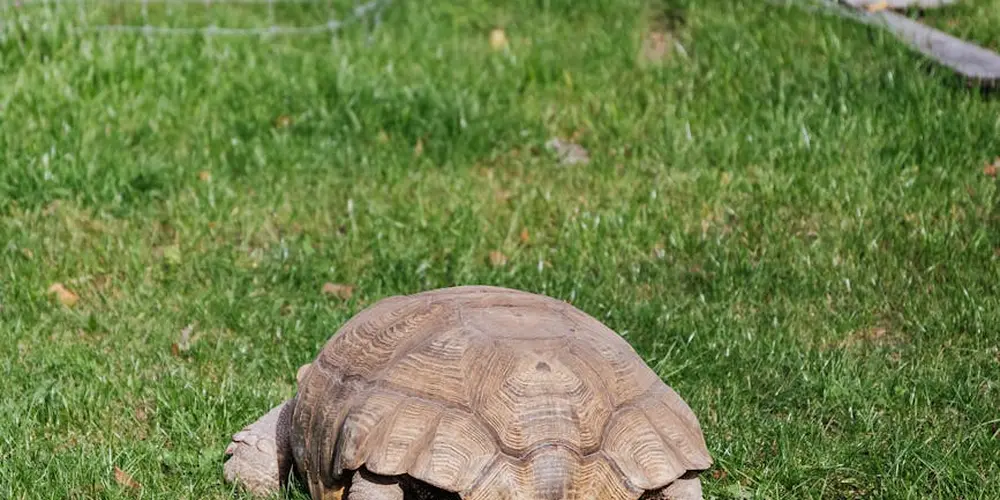
Follow these steps to give your Russian tortoise the best chance at a long, vibrant life. Animal welfare starts with consistent, gentle care and observation. You should also consider creating a safe outdoor enclosure for your tortoise. It should have secure fencing, shelter, and shaded areas to protect from heat and predators.
- Set up a habitat that mimics their natural environment, with hiding spots and clean substrate.
- Establish a daily routine for feeding, spot-cleaning, and checking temperatures.
- Handle your tortoise minimally and support their whole body to avoid stress or injury.
- Monitor their behavior and shell condition weekly for early signs of trouble.
- Checklist for ideal home terrarium conditions: proper size, temperature gradient, UVB light, humidity control, and safe, edible plants.
Habitat Setup Steps
Building the perfect home is simpler than you think. Take it one step at a time to ensure everything is just right.
- Choose an enclosure that’s spacious and secure, with a substrate like coconut coir or cypress mulch for burrowing.
- Set up a basking lamp for heat and a UVB bulb overhead, ensuring gradients from warm to cool areas.
- Maintain humidity with a mister or humidifier, and include a shallow water dish for drinking and soaking.
Routine Health Monitoring
Keeping an eye on your tortoise helps catch issues early. Regular checks are your best defense against health declines. Even for routine checkups, knowing what to expect can make a difference when you visit your vet.
- Signs of common health issues include lethargy, runny nose, soft shell, or loss of appetite-act quickly if you see these.
- Schedule annual vet check-ups for a professional assessment and fecal exams to check for parasites.
- Preventive care involves quarantining new plants or animals and maintaining a clean habitat to reduce disease risks.
Estimating Your Russian Tortoise’s Age
Figuring out your tortoise’s age can feel like detective work, but a few reliable methods offer clues. I often use shell ring counting and size comparisons to get a rough estimate for my own tortoises. Each scute on the shell develops growth rings, similar to a tree. For a more complete, visual approach, see the Determine Your Turtle’s Age: Complete Visual Guide. It walks you through rings, size benchmarks, and shell features with clear photos.
- Count the concentric rings on a single scute.
- Wider, lighter bands often indicate periods of plentiful food and rapid growth.
- Tighter, darker bands can suggest slower growth, sometimes during colder months.
My Greek tortoise, Bronte, has beautifully defined rings that hint at her twelve years. Her shell tells a story of steady, graceful growth.
Size is another fantastic indicator, especially for younger tortoises.
- Hatchlings are typically under 2 inches.
- By age 5, many reach 4 to 5 inches.
- A full-grown adult, like my 10-year-old Russian Austen, usually measures 6 to 8 inches.
Remember, these are guidelines. Diet, habitat, and overall health significantly influence growth rates and shell appearance. A well-cared-for tortoise will show more consistent, healthy growth rings. This ties the topic to whether a turtle’s shell grows and regenerates. In short, the shell grows as the animal grows and can heal minor cracks, but it does not regrow large missing sections.
Russian Tortoise Lifespan Compared to Other Species
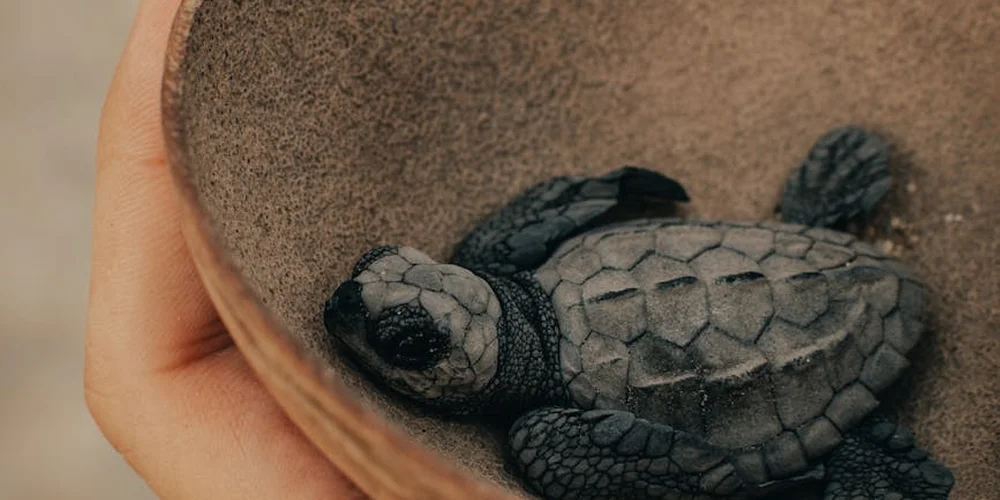
Russian tortoises are impressive long-term companions, but how do they stack up against other shelled friends? Their lifespan is substantial, yet often shorter than some of their giant relatives. I’ve cared for multiple species, and the differences are fascinating.
My Russian tortoise, Austen, is a decade old and still has a very long, vibrant life ahead. Russian tortoises commonly live 40 to 50 years with proper care.
- Box Turtles: My reserved box turtle, Orwell, belongs to a species that can also live for decades, often 30 to 50 years. They share a similar long-life commitment.
- Greek Tortoises: Bronte’s species is another medium-sized tortoise with a comparable lifespan, frequently reaching 50 years or more.
- Giant Tortoises: Species like the Aldabra or Galapagos can live well over 100 years, making a Russian tortoise’s lifespan seem almost modest.
What makes Russian tortoises unique is their combination of manageable size and remarkable hardiness. They don’t require the immense space of a giant species but still offer that profound multi-generational bond. Their steady, gentle nature makes those 40-plus years a truly rewarding experience.
Debunking Common Longevity Myths
You might have heard the tall tale that Russian tortoises are practically immortal or that they can reproduce indefinitely. These myths often stem from seeing these resilient creatures thrive for decades, but the reality of their biology is far more nuanced—more about longevity than being immortal.
Let’s set the record straight. A female Russian tortoise, like my own Austen, does not have an endless reproductive window. While they can lay eggs well into their senior years, their most fertile and reliable breeding period is typically between 15 and 40 years of age. The idea of an ageless, eternally breeding tortoise is a fantasy that ignores their natural life cycle.
I once had a well-meaning visitor look at Austen and declare, “He’ll probably outlive us all, a true immortal!” I had to gently correct them, explaining that while his 10-year lifespan is just the beginning, he is subject to the same aging processes as any other living being. His long life is a testament to proper care, not magic. Their longevity is earned through dedicated husbandry, not bestowed by mythical powers.
Caring for an Aging Russian Tortoise
As your Russian tortoise enters its golden years, its needs will subtly shift. Observing and adapting to these changes is one of the most rewarding parts of a long-term keeper’s journey.
You’ll want to make a few thoughtful adjustments to ensure their comfort and health.
- Diet: Older tortoises may struggle with tougher greens. I started lightly steaming dandelion greens and chopping them finely for Austen, making them easier to eat and digest while retaining nutrients.
- Enclosure: Reduce the height of any steep inclines to prevent falls. Ensure the basking area is easily accessible and that the substrate is soft. I added a flat, warm stone under his heat lamp that he loves to lounge on.
- Activity: Don’t be alarmed if your tortoise becomes less active. Provide gentle stimulation with novel, safe items to explore, but respect their need for more frequent and longer naps.
Compassionate end-of-life care focuses on quality of life, not just its length. Look for signs of contentment: a healthy appetite, clear eyes, and the ability to move about their space without obvious distress.
When my elderly Greek tortoise, Bronte, began to slow down significantly, our vet and I focused on keeping her comfortable. We prioritized her favorite foods and made sure she was warm and pain-free. Caring for an aging pet is a profound responsibility that asks for our deepest empathy and patience. It’s about honoring the life you’ve shared by ensuring their final chapter is as peaceful and dignified as possible.
FAQs
What is the oldest known Russian tortoise on record?
While exact records are rare, some Russian tortoises have reportedly lived over 60 years in captivity with exceptional care. Proper husbandry, including a balanced diet and safe habitat, plays a key role in achieving such milestones. Essential heating and lighting in the tortoise habitat, including a basking spot and UVB exposure, support their health and longevity.
How can I tell if my Russian tortoise is stressed and how does stress affect lifespan?
Signs of stress include hiding excessively, lack of appetite, or frantic attempts to escape their enclosure. Chronic stress can weaken their immune system and lead to health issues that may shorten their overall lifespan.
Do Russian tortoises need companionship to live longer?
Russian tortoises are solitary by nature and do not require companionship for longevity. In fact, housing them with other tortoises can cause stress and aggression, which might negatively impact their health and lifespan.
What are the most critical years for a Russian tortoise’s development?
The first five years are crucial for establishing healthy growth and shell development through proper diet and UVB exposure. Good care during this period sets a strong foundation for a long, healthy life into adulthood.
How does the size of the enclosure impact their lifespan?
A spacious enclosure allows for natural behaviors like roaming and burrowing, which reduces stress and prevents obesity. Inadequate space can lead to health problems and a shorter lifespan due to restricted movement and poor mental stimulation.
A Lifetime of Companionship
Providing a proper habitat and a balanced, calcium-rich diet forms the bedrock of your Russian tortoise’s long and healthy life. Consistent care and regular health checks are your most powerful tools for ensuring your shelled friend thrives for decades, especially when it comes to shell health.
Embrace the journey of being a turtle guardian, understanding that their needs will evolve over their long lifetime. Stay curious, connect with a community of fellow enthusiasts, and let your love for the animal guide your commitment to their welfare. This care land aquatic turtles essential guide offers practical tips for habitat, nutrition, and health. It helps you confidently care for both land and aquatic turtles.
Further Reading & Sources
- Russian tortoise lifespan
- Russian Tortoises: A Deep Dive into Their Lifespan – A-Z Animals
- Russian Tortoise By Catherine Love, DVM Updated 2021 Natural History
- Russian four-toed turtle – Avonturia
Matthew is a dedicated turtle enthusiast and conservationist with over 15 years of experience in reptile care. Known affectionately as "The Leatherback" among his peers, he combines his passion for turtles with a commitment to educating pet owners on responsible turtle care and environmental stewardship.
Terrestrial Turtles