
Essential Heating and Lighting for Your Tortoise Habitat
Published on: December 31, 2025 | Last Updated: December 31, 2025
Written By: Matthew The
Getting the temperature and lighting wrong in your tortoise’s home isn’t just a minor mistake-it directly impacts their digestion, immune system, and overall well-being. I’ve learned this through years of caring for my own shelled companions, Austen and Bronte, and seeing how they thrive when their environment is just right.
This guide will walk you through: creating a perfect temperature gradient, choosing the right UVB lighting, selecting safe heating equipment, and setting up a daily and seasonal routine.
Why Proper Heating and Lighting Matter for Your Tortoise
Heat is the engine that drives your tortoise’s entire system. Without the right warmth, their metabolism slows to a crawl, making digestion nearly impossible. I learned this firsthand with my Russian tortoise, Austen. On cooler days, he would completely ignore his food, becoming a quiet, unmoving statue in his enclosure.
My Greek tortoise, Bronte, taught me the importance of consistent light. Her graceful morning routine of stretching and basking is entirely dependent on that first light hitting her golden-brown shell. It sets her internal clock, dictating her activity, appetite, and overall mood for the day.
- Inadequate heating leads to lethargy and a loss of appetite. Your tortoise may stop exploring and simply hide away.
- Poor digestion from low temperatures can cause serious health issues over time, including shell deformities and nutrient deficiencies.
- The right light cycle mimics their natural habitat, reducing stress and promoting natural behaviors like foraging and burrowing.
Setting Up the Ideal Temperature Gradient
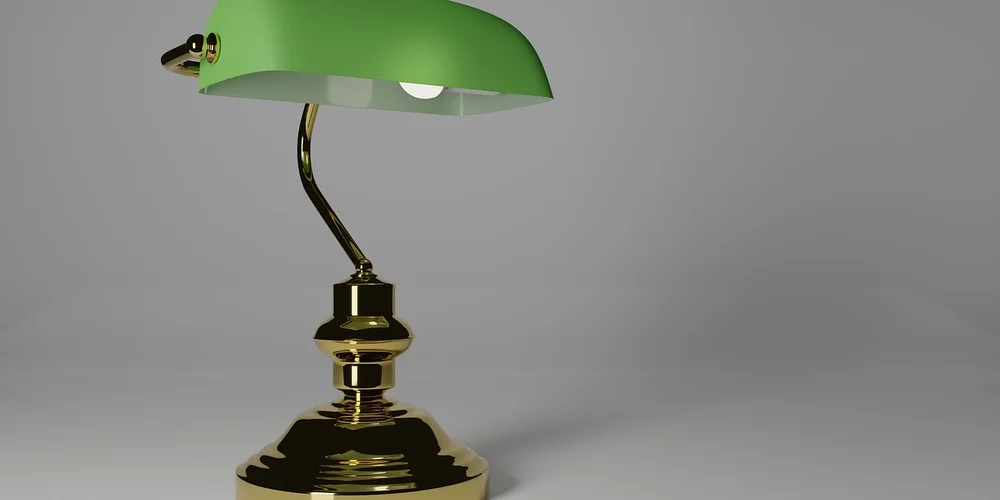
A temperature gradient is simply a range of warm to cool areas within the habitat. Creating this gradient is non-negotiable, as it allows your tortoise to thermoregulate-to move between spots to control its body temperature. Think of it like having both a sunny patio and a shaded room in your home.
Your basking spot should be the warmest area. Aim for a surface temperature between 95°F and 100°F (35°C – 38°C) directly under the heat lamp for most common species. This is where your tortoise will go to kickstart its digestion and absorb vital warmth.
- Use a reliable digital thermometer with a probe. Place the probe directly on the basking surface to get an accurate reading.
- The ambient temperature on the warm side of the enclosure should be around 80-85°F (27-29°C).
- The cool side must be noticeably cooler, typically between 70-75°F (21-24°C), providing a necessary escape from the heat.
Choosing the Right Basking and Ambient Heat Sources
Selecting the right equipment is crucial for safety and effectiveness. I’ve found that a combination of a dedicated basking lamp and a separate ambient heat source often works best for maintaining a stable gradient.
- Basking Lamps: These provide a concentrated spot of heat and light. They are essential for creating the high-temperature zone your tortoise needs for digestion.
- Ceramic Heat Emitters (CHEs): These are my go-to for nighttime or 24/7 ambient heat. They produce no light, so they won’t disrupt your tortoise’s sleep cycle, and they are very durable.
- Infrared Heaters: These can be useful but require careful placement to prevent drying out the habitat or causing burns.
Always pair your heat sources with a ceramic socket lamp stand to prevent melting or fire hazards. Install them securely outside the enclosure or on a sturdy screen top, ensuring your tortoise cannot make direct contact with the hot surface. These are common enclosure mistakes to avoid for terrestrial turtles and tortoises. Proper heat source placement and protection help prevent burns and overheating.
Monitoring and Maintaining Temperature Consistency
A simple on/off heat lamp isn’t enough. Investing in a quality thermostat is the single most important thing you can do for your tortoise’s environmental health. It automatically turns your heat source on and off to maintain your set temperature, preventing dangerous spikes or drops. For hatchling turtles kept in an incubator tank, precise temperature control is essential. This principle is a central part of the hatchling turtle care guide from an incubator tank.
I use a timer for my basking lamp to simulate a natural day/night cycle. This automated system gives me peace of mind, knowing that Orwell and the others have consistent conditions even when I’m not home.
- Be prepared to adjust temperatures slightly for seasonal changes. Your home’s ambient temperature in winter versus summer will affect the enclosure.
- Different species have different needs. A Russian tortoise like Austen tolerates slightly cooler temperatures than a Greek tortoise like Bronte. Always research your specific pet.
Selecting and Installing UVB Lighting
Think of UVB lighting as your tortoise’s non-negotiable sunshine supplement. It’s absolutely vital because it enables them to synthesize vitamin D3, which is required to properly metabolize calcium for strong bones and a healthy shell. Without it, even with a calcium-rich diet, they can develop metabolic bone disease, a serious and painful condition. Likewise, what you place in the enclosure matters: some plants are safe for tortoises, while others are toxic. Choose safe greens and decor to keep the habitat both healthy and appealing.
You’ll primarily choose between two types: compact UVB bulbs and linear fluorescent UVB tubes.
- UVB Bulbs: These are screw-in types, often combined with a basking spot. They’re convenient but can sometimes create a narrow, intense beam of UV. I’ve found they work well for smaller enclosures.
- UVB Tubes: These fluorescent tubes provide a more even, widespread distribution of UVB light across the habitat. For my tortoises’ larger table, I always use a tube to ensure they get exposure even when they’re not directly under the lamp.
Many quality UVB lights also emit UVA. UVA is part of the natural sunlight spectrum and is believed to encourage natural behaviors like feeding and breeding, contributing to overall well-being.
Getting the distance right is critical. Place the bulb too close, and you risk harming your tortoise; too far, and the UVB becomes ineffective. Always follow the manufacturer’s specific distance guidelines, which are usually 12 to 18 inches from the tortoise’s shell when it’s basking. Using a reflector behind your bulb or tube dramatically increases its efficiency by directing all the valuable light downward into the enclosure. Additionally, selecting the best substrate for a terrestrial turtle or tortoise enclosure matters. The right substrate supports digging, moisture balance, and comfort around the basking area.
Positioning and Replacing UVB Equipment
Safe placement prevents both overexposure and deficiency. The goal is to create a UV gradient, much like a temperature gradient.
- Position the UVB light so it shines over the basking area.
- Ensure there are plenty of shaded areas and hides at the opposite end of the enclosure where your tortoise can escape the light entirely.
- Never place the light where it must shine through a glass or plastic cover, as these materials block virtually all UVB rays.
UVB bulbs have a finite lifespan. The phosphors inside that produce UVB degrade over time, long before the bulb visibly burns out. A bulb can stop emitting sufficient UVB after 6 to 12 months, even if it still lights up. Mark your calendar to replace it on a strict schedule. There’s no visible sign it’s time; you must be proactive for your pet’s health.
Establishing a Natural Day-Night Cycle

A consistent photoperiod, or cycle of light and dark, is a cornerstone of tortoise health. This rhythm regulates their internal clock, influencing crucial activities like feeding, basking, and rest. An erratic light cycle can cause stress, suppress their appetite, and disrupt normal behavior.
The simplest way to achieve consistency is with an inexpensive plug-in timer. I set my timers to provide about 12-14 hours of light during the spring and summer, mimicking their most active seasons, and reducing it to 10 hours in the winter to simulate a rest period. This takes the guesswork out of your daily routine and provides stability for your shelled friend.
For an even more naturalistic environment, consider the light quality. Using daylight spectrum bulbs can help simulate the color temperature of natural sunlight, making the habitat feel more authentic and may further support natural behaviors. UVB lighting is essential for calcium metabolism and shell health. Without proper UVB, turtles can develop metabolic bone disease. Just remember, these are not a substitute for the specific UVB-emitting bulbs your tortoise requires.
Ensuring Safety in Your Heating and Lighting Setup
Your tortoise’s habitat must be a safe sanctuary, and that begins with managing the equipment that keeps them warm and healthy. This is also how you set up the perfect indoor tortoise enclosure. We’ll cover layout, heat, humidity, and safety.
Exposed power cords are a major hazard, as curious tortoises might mistake them for a strange new vine to nibble on. I always use cord protectors or securely tape cords along the outside back of the enclosure, well out of reach. These precautions also apply when you create a safe outdoor enclosure for your tortoise. In outdoor setups, route cords through conduit or along the back of the shelter, keeping them concealed and out of reach.
Every heat lamp and ceramic heater must be firmly installed in a ceramic-based fixture rated for high wattage.
A flimsy clamp lamp can easily fail, turning a basking spot into a serious fire risk. I learned this the hard way years ago when a cheap lamp drooped dangerously close to the substrate; now, I only use fixtures that can be securely screwed into place.
Preventing Overheating and Burns
Direct, uncontrolled heat is a primary cause of shell burns and dangerous temperature spikes.
Using a wire cage guard over your heat lamps creates a crucial barrier between the hot bulb and your pet. This simple addition prevents direct contact and potential injury.
For precise temperature control, a dimming thermostat is non-negotiable.
A dimming thermostat automatically adjusts the power to your heat source to maintain your exact desired temperature. It prevents the basking area from becoming a scorching desert on a warm day, something my tortoise Orwell appreciates during his midday naps.
Tools for Monitoring and Fine-Tuning Your Habitat
Creating the perfect environment is an ongoing process that relies on accurate data and keen observation.
You need reliable tools to understand the world from your tortoise’s perspective. Guessing temperatures and humidity levels is a recipe for an unhealthy pet.
Essential Monitoring Equipment
- Digital Thermometers: Place one directly under the basking lamp and another in the coolest corner.
- Infrared Temperature Gun: Perfect for instantly checking the surface temperature of rocks or the tortoise’s shell.
- Digital Hygrometer: This measures humidity, a critical factor for species like my Russian tortoise, Austen, who needs proper moisture for healthy respiration.
Regularly checking these devices gives you a clear snapshot of the habitat’s climate throughout the day. I make it a habit to check mine each morning and evening.
Adjusting Based on Behavior and Feedback
Your tortoise will tell you everything you need to know if you pay attention.
- Watch where your tortoise spends its time. Are they always hiding in the cool end? The basking area might be too hot.
- Notice their activity levels. A lethargic tortoise could be dealing with incorrect temperatures.
- Use your thermometer readings to make small, incremental adjustments to lamp height or thermostat settings.
Fine-tuning your setup is a continuous dialogue between you, your tools, and your pet’s behavior. When my Greek tortoise, Bronte, started avoiding her usual basking spot, a quick check with the temperature gun revealed the spot was several degrees too warm, a simple fix once identified.
The most sophisticated tool you have is your own consistent, caring observation. Technology provides the numbers, but your watchful eye ensures your tortoise truly thrives.
FAQs
What is the difference between UVA and UVB lighting?
UVA light encourages natural behaviors like feeding and breeding in tortoises. UVB light is crucial for vitamin D3 synthesis, which enables calcium absorption for strong bones and shells. Having live plants in the habitat supports natural feeding and foraging, aligning with the benefits of UV light. A well-planted habitat also offers shelter and microclimates that help keep tortoises calm and active.
Can I use sunlight instead of artificial UVB lighting?
Direct sunlight provides excellent UVB, but it is unreliable due to weather and safety risks like predators or overheating. For consistent and controlled exposure, a dedicated UVB bulb is recommended for indoor habitats.
Is it safe to use heat rocks for tortoises?
Heat rocks are unsafe as they can cause severe thermal burns on a tortoise’s shell and skin. Overhead heating sources like basking lamps or ceramic heat emitters are safer and more natural alternatives.
Creating a Cozy Home for Your Tortoise
From my decade with Austen, I’ve learned that setting up the right heat and light is like giving your tortoise a slice of their wild habitat. Always aim for a warm basking spot and reliable UVB exposure to support their digestion and prevent health issues. Nighttime heat management matters too—do turtles need a warm overnight temperature, or is a cool drop acceptable? A short nighttime heat-temperature guide can help you decide and keep your enclosure safe.
Caring for a tortoise means committing to their lifelong needs, which includes staying updated on best practices in pet turtle care. Keep exploring resources and observing your pet’s behavior to make their home a safe, thriving space. Also, enclosure size matters—too small can restrict movement and cause stress. Tailor the enclosure to your species and adult size so they have room to move, bask, and thermoregulate.
Further Reading & Sources
- Heating tortoise enclosures
- What set up do I need for my Tortoise? – ExoticDirect
- What type of lighting does a tortoise need? | Tortoise Forum
- Do I Need a Tortoise Heat Lamp? Yes, It’s a Tortoise Table Essential! – Home & Roost
Matthew is a dedicated turtle enthusiast and conservationist with over 15 years of experience in reptile care. Known affectionately as "The Leatherback" among his peers, he combines his passion for turtles with a commitment to educating pet owners on responsible turtle care and environmental stewardship.
Heating and Lighting