
How to Train and Bond With Your Pet Turtle
Published on: July 2, 2026 | Last Updated: July 2, 2026
Written By: Matthew The
Many new turtle owners wonder if their shelled friend will ever truly recognize or interact with them, leading to worries that their pet is more of a living ornament than a companion.
I’ve spent years with my own turtles, Austen, Bronte, and Orwell, and I can tell you that the bond is absolutely real-it just unfolds on a different, wonderfully slow timeline.
This guide will walk you through practical steps for training and bonding, covering essential topics like reading turtle body language, establishing trust through feeding, creating an enriching habitat, and teaching simple, fun commands.
Understanding Your Pet Turtle’s Behavior and Needs
Turtles are quiet companions who speak through their bodies, not their voices. Learning their unique language of posture and habit is the first step toward a deep, trusting bond. It transforms vague care into a responsive conversation. Color changes in a turtle’s shell and skin are a key part of that language, signaling stress, temperature shifts, or mood. By tuning into these cues, you can better support their well-being.
How Turtles Communicate
Watch for these subtle cues. An outstretched neck and relaxed limbs often signal curiosity. Rapid blinking can mean they are processing their surroundings. If they retreat into their shell suddenly, they’ve sensed something unsettling.
- Head bobbing: A common social signal, which can indicate recognition or a territorial display.
- Following you: A clear sign of association, often linked to feeding time.
- Scratching at enclosure walls: This can signal a desire to explore or, if constant, that their habitat needs adjustment.
Comfortable vs. Stressed: Reading the Signs
Recognizing their emotional state prevents health issues and builds trust.
- Signs of a Comfortable Turtle:
- Actively exploring their environment
- Basking regularly with limbs fully extended
- Eating with a healthy appetite
- Approaching the glass when you’re near
- Signs of a Stressed Turtle:
- Hiding incessantly and refusing to come out
- Hissing or puffing air (a defensive behavior)
- Lethargy and lack of interest in food
- Frequent attempts to escape the enclosure
Personal Observations from My Shelled Family
My Russian tortoise, Austen, has a specific digging spot he returns to when he feels content and ready to settle for the evening. I’ve learned that his steady, methodical movements are his way of saying he feels safe and secure.
My Greek tortoise, Bronte, is more expressive. She will stop, raise her head high, and remain perfectly still to listen to my voice. It’s a graceful, thoughtful pause that shows she is engaged.
Orwell, my box turtle, is the most reserved. His trust was earned slowly. The first time he took a piece of fruit directly from my hand without retreating into his shell felt like a monumental victory in our relationship. Now, a gentle tap on his shell from me is met with curiosity, not fear.
Creating a Safe and Stimulating Habitat for Bonding

A proper home is more than a container; it’s the foundation of your turtle’s well-being and your budding friendship. When their core needs are met without stress, they have the mental space to learn and connect with you.
Essential Enclosure Elements
Think of their habitat as a miniature ecosystem that you curate.
- Size: Bigger is always better. A general rule is 10 gallons of tank space per inch of shell length. For my adult tortoises, I use large, custom-built terrariums.
- Substrate: Use a mix of organic topsoil and coconut coir. It holds humidity for burrowing species and is safe if ingested in small amounts.
- Basking Area: This is non-negotiable. Create a dry, flat rock or platform directly under the heat lamp where they can completely dry off and regulate their body temperature.
Proper UVB Lighting and Heat Setup
Lighting is not optional; it is a medical requirement.
- UVB Light: Turtles need UVB rays to synthesize Vitamin D3 and metabolize calcium. Without it, they can develop metabolic bone disease, a painful and crippling condition. Replace UVB bulbs every 6-12 months, as their output diminishes long before the light burns out.
- Heat Lamp: The basking spot should be 10-15 degrees Fahrenheit warmer than the rest of the enclosure, typically between 90-95°F for most species. This creates a vital temperature gradient.
Humidity and Sanitation for Health
A clean habitat is a healthy habitat, and good health is the bedrock of a strong bond.
- Humidity: Research your specific species. My Russian tortoise, Austen, needs lower humidity (30-50%), while Orwell the box turtle requires much higher (60-80%). I use a digital hygrometer to monitor levels accurately.
- Sanitation: Spot-clean waste and uneaten food daily. I do a full substrate change and enclosure scrub-down every month. This routine not only prevents illness but also makes your handling during cleanups a normal, non-threatening part of their life.
Gentle Handling Techniques to Build Trust
-
Start with slow approaches and minimal contact
Move like a drifting leaf, not a startled bird. Quick movements will make your turtle retreat into its shell, reinforcing fear instead of trust. I always approach my Russian tortoise, Austen, from the front where he can see me, letting my presence be known before my touch. Keep initial sessions brief—just a minute or two of calm coexistence speaks volumes. If you find a turtle in the wild, give it space and observe from a distance. Do not pick it up or move it unless it’s in immediate danger; contact local wildlife rescue for guidance.
-
Demonstrate how to safely pet a turtle’s shell and head
Use one or two fingers to gently stroke the top of the shell. Think of it as a light, reassuring pat, not a vigorous scrub. For the head, a slow stroke under the chin or along the neck is often welcome. My Greek tortoise, Bronte, will stretch her neck out in pure bliss for a chin rub, a sign she feels completely secure.
-
Advise on reading your turtle’s comfort levels during handling
Watch their body language like a quiet conversation. A turtle that pulls its head and limbs tightly into its shell is asking for space, while one that remains out and alert is showing curiosity. Hissing can be a sign of fear, not aggression. Orwell, my box turtle, will sometimes just sit and observe, and I respect that quiet contemplation as his way of processing the interaction.
Basic Training Steps Using Positive Reinforcement

-
Introduce target training with a stick or tongs
Choose a distinctive, non-threatening object like a brightly colored chopstick or the blunt end of feeding tongs. Present the target near your turtle’s face, and the moment they investigate it with a sniff or a nudge, immediately offer a reward. This builds a positive association and teaches them that interacting with the target leads to good things.
-
Use favorite treats for rewards and consistency
Find that one irresistible morsel. The key to effective training is a high-value reward that your turtle will actively work for. For my crew, a tiny piece of strawberry or a sliver of dandelion green is pure gold. Consistency in your reward is what turns a random action into a learned behavior.
-
Practice short, daily sessions to build patience and routine
A turtle’s attention span is not long, and neither should your sessions be. Five minutes of focused, positive interaction each day is far more powerful than one long, frustrating session per week. This daily ritual not only trains their mind but also strengthens your bond through predictable, gentle engagement.
Enrichment Activities to Strengthen Your Connection
Engaging your turtle with fun activities builds trust and keeps their minds sharp. I’ve found that mixing up their routine with toys and puzzles makes our interactions more joyful and rewarding. Start with simple items to see what captures their interest.
Mental Stimulation Through Play
Turtles enjoy challenges that mimic natural foraging. Food puzzles, like hiding treats under safe objects, encourage problem-solving and reduce boredom. For my tortoises, I use shallow dishes with obstacles they must navigate.
- Floating toys for aquatic turtles to push around
- Maze feeders for terrestrial species to explore
- Scatter feeding in clean substrate to stimulate hunting instincts
Supervised Outdoor Adventures
Taking your turtle outside under close watch offers new sights and smells. Always choose a secure, enclosed area to prevent escapes and protect from predators. I let Austen roam in a kiddie pool with shade and fresh greens.
Keep sessions short to avoid stress from temperature changes. Watch for signs of overheating or fear, and always provide a hide spot. This outdoor time has deepened my bond with Bronte, who becomes more curious in natural light.
Bonding Through Health Routines
Regular shell care and health checks turn necessary tasks into connection moments. Gently inspecting their shell and skin helps you spot issues early while building familiarity. I talk softly to Orwell during checks to keep him calm.
- Use a soft brush for shell cleaning to make it pleasant
- Check for abnormalities while offering a favorite treat
- Schedule weekly routines to establish trust and routine
Species-Specific Training Tips for Different Turtles

Understanding your turtle’s natural behaviors is key to effective training. Aquatic and terrestrial species have distinct needs that shape how you interact with them. Adjust your methods to respect their instincts and pace.
Aquatic Versus Terrestrial Approaches
Aquatic turtles, like sliders, often respond well to water-based cues and quick rewards. Terrestrial tortoises prefer slow, deliberate interactions with plenty of patience. I use hand-feeding in water for aquatic types and ground-level engagement for land dwellers.
- For aquatic: Train during feeding times with floating targets
- For terrestrial: Use visual barriers to guide movement without stress
- Always prioritize gentle handling to avoid shell damage
Handling Adjustments by Species
Russian Tortoises, like Austen, tend to be calm and tolerate gentle holding. Box Turtles, such as Orwell, may retract into their shells, so approach from the front with slow movements. Support their body fully to make them feel secure.
Greek Tortoises, like Bronte, appreciate graceful interactions without sudden noises. I’ve learned that speaking in a low, steady voice helps all species feel at ease during handling. Avoid lifting by the shell edges to prevent injury.
Personal Training Anecdotes
Training Austen, my Russian Tortoise, involved steady repetition for simple commands like coming for food. His gentle nature meant progress was slow but consistent, reinforcing the value of patience. We bonded over daily sessions where I’d reward his efforts with dandelion greens.
With Orwell, the Box Turtle, I focused on building confidence through exploration games. His reserved but intelligent personality meant he learned quickly when I used positive reinforcement without pressure. Over time, he started approaching me willingly, showing that trust grows with respect for their space.
Overcoming Common Training and Bonding Challenges
Training a turtle requires understanding their unique personalities and needs. Each turtle, like my gentle Austen or thoughtful Bronte, has their own pace for building trust. Start by observing their behaviors closely to tailor your approach. With a new pet turtle, consistency and gentle handling help build trust. Over time, patient, calm routines help it feel secure and open to learning.
-
Address Shyness with Gentle Patience
Shy turtles often hide when they feel uncertain. For a tame shy scared turtle, patient handling and steady routines are essential. Consistent, gentle contact over time helps build trust. I found that sitting quietly near Austen’s enclosure for short periods helped him associate my presence with safety. Avoid sudden movements and let your turtle initiate contact over weeks or months.
-
Solutions for Treat or Handling Resistance
If your turtle ignores treats, try different options like leafy greens or small insects. With Orwell, my reserved Box Turtle, I used long-handled tweezers to offer food without invading his space. For a sick or reluctant turtle, hand-feeding can help encourage a meal. Approach slowly and keep offers gentle, watching their response. Gradually reduce distance as they become comfortable, and never grab them abruptly.
-
Prioritize Animal Welfare and Know When to Seek Help
Always respect your turtle’s boundaries to prevent stress. If you’re unsure whether your turtle is stressed, watch for signs like increased hiding, reduced appetite, or lethargy. If hiding or resistance lasts more than a few weeks, or you notice changes in eating or activity, consult a reptile-savvy veterinarian. Animal welfare means putting their health above training goals.
Maintaining Long-Term Health and Happiness
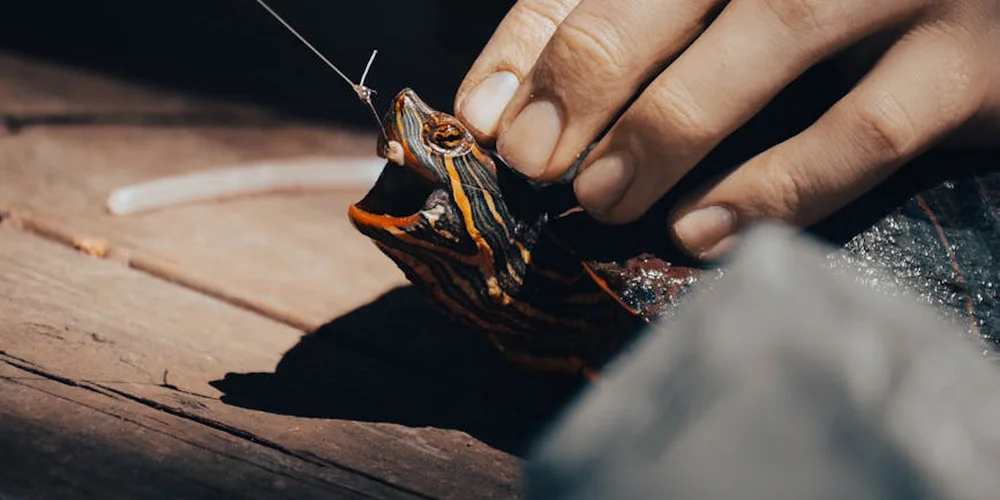
A happy turtle thrives on consistent care and stimulation. From my years with Bronte and Austen, I’ve seen how small daily habits prevent big health issues. Focus on diet, environment, and mental engagement for a fulfilling life together.
-
Outline a Balanced Diet with Variety
Turtles need a mix of greens, proteins, and supplements. I feed my tortoises dark greens like kale, occasional proteins like cooked chicken or insects, and sprinkle calcium powder twice a week. Adjust portions based on age and species to avoid obesity or deficiencies.
- Greens: Romaine lettuce, dandelion greens, and collard greens
- Proteins: Earthworms, mealworms, or small amounts of lean meat
- Supplements: Calcium and vitamin D3 for shell and bone health
-
Stress Regular Observation and Sanitation
Check your turtle daily for clear eyes, smooth shell, and normal behavior. Clean their habitat weekly to remove waste and prevent infections, using reptile-safe disinfectants. I spot-clean Orwell’s area every other day to keep it fresh and reduce stress. Daily, weekly, and monthly care tasks help a water turtle stay healthy. For example, daily health checks, weekly habitat cleaning, and monthly maintenance cover the basics.
-
Encourage Continuous Enrichment
Rotate toys, add new hiding spots, or introduce safe objects to explore. Bronte enjoys pushing small balls or navigating obstacle courses I set up with rocks and logs. Enrichment prevents boredom and encourages natural behaviors, strengthening your bond over time.
FAQs
Can pet turtles learn to recognize their names?
While turtles may not understand names in the same way as mammals, they can learn to associate specific sounds with your presence and positive interactions. Consistent, gentle vocal cues during feeding or handling can help them respond over time. However, it’s important to note that these sounds are different from natural turtle vocalizations. For a complete understanding, read our guide to turtle vocalizations.
What is the best way to introduce a new turtle to its environment for bonding?
Allow the turtle to acclimate by placing it in the enclosure and minimizing disturbances for the first few days. Gradually sit near the habitat while speaking softly, and offer food by hand to build familiarity without pressure. This foundation is particularly important before introducing your turtle to supervised time outdoors in a safe environment.
How does training a turtle improve its overall well-being?
Training engages their mind, reducing stress and boredom by encouraging natural problem-solving behaviors. This mental enrichment supports physical health and deepens your connection through positive, routine interactions.
Embracing the Gentle Rhythm of Turtle Bonding
From my time with Austen, I’ve seen that building a bond with your turtle relies on patient, daily interactions and using treats to reinforce positive behaviors. Consistency in your approach helps your turtle feel secure and gradually responsive to your presence.
Caring for a turtle is a lifelong journey that requires staying informed about their specific needs, from diet to habitat setup. Your commitment to learning and adapting ensures your shelled friend enjoys a healthy, enriched life.
Further Reading & Sources
- r/turtles on Reddit: Turtle bonding. How do I bond with my turtle as it’s a baby and I wanna start a strong bond soon as possible so it will grow even stronger through the years, she seems scared and goes in her cave for long periods of time what do I do?
- Can You Train A Tortoise to Do Tricks? | Tortoise Owner
- REEVES TURTLE TRAINING BOOK: The Easy Training Guide To Raising A Healthy Turtle: Caring, Social Interactions, Diet, Breeding, Reproduction And Lot … Expert Care and Training Techniques”): Samuel, Derek: 9798394087790: Amazon.com: Books
- How To Train Your Turtle | Underneath The Shell
Matthew is a dedicated turtle enthusiast and conservationist with over 15 years of experience in reptile care. Known affectionately as "The Leatherback" among his peers, he combines his passion for turtles with a commitment to educating pet owners on responsible turtle care and environmental stewardship.
Understanding Turtle Behavior