
Can Turtles Drown? Aquatic Turtle Safety Explained
Published on: December 19, 2025 | Last Updated: December 19, 2025
Written By: Matthew The
Many turtle owners lie awake at night, haunted by the fear that their aquatic friend could drown-a worry I’ve felt myself while caring for my own turtles like Orwell, the box turtle who enjoys his watery hideaways.
This article will walk you through: drowning risks, prevention strategies, warning signs, and emergency care steps.
The Surprising Truth About Turtles and Drowning
Many people assume turtles are invincible in water because they swim so gracefully. Turtles can and do drown if they cannot reach the surface to breathe air. They are reptiles, not fish, and rely on lungs just like we do. I learned this firsthand with Orwell, my box turtle. Even though he spends time in shallow water, he always needs a dry spot to haul out and catch his breath. Watching him reminds me how vital air access is for all turtles, aquatic or not.
Their ability to hold their breath varies by species, age, and health. Young or sick turtles may tire quickly and struggle to surface in deep water. Imagine feeling exhausted and unable to reach the top—it is a real risk in poorly designed habitats. From my observations, even hardy species like red-eared sliders can panic if trapped, leading to tragic outcomes. There’s a surprising truth: some turtles can breathe underwater to a degree by absorbing oxygen through their skin or cloacal membranes. It’s not magic—these underwater respiration methods extend how long they can stay submerged.
Why Turtles Need Air
Turtles extract oxygen from air, not water. Without regular access to the surface, they suffocate within minutes. Their metabolism slows in cool water, extending dive times, but stress or high activity depletes oxygen fast. I have seen Orwell retreat to his basking area after a swim, his slow, steady breaths a sign of relief. It is a gentle nudge to always provide an easy escape route in their enclosures. That’s the kind of practical detail you’ll find in the complete guide to hatchling turtle care from incubator to tank. It walks you through the setup from incubator to tank, emphasizing surface access and proper aeration for hatchlings.
- All turtles breathe air through lungs, not gills.
- Dive duration depends on species-some last hours, others just minutes.
- Stress or illness reduces their ability to hold breath effectively.
Common Drowning Scenarios for Pet Turtles
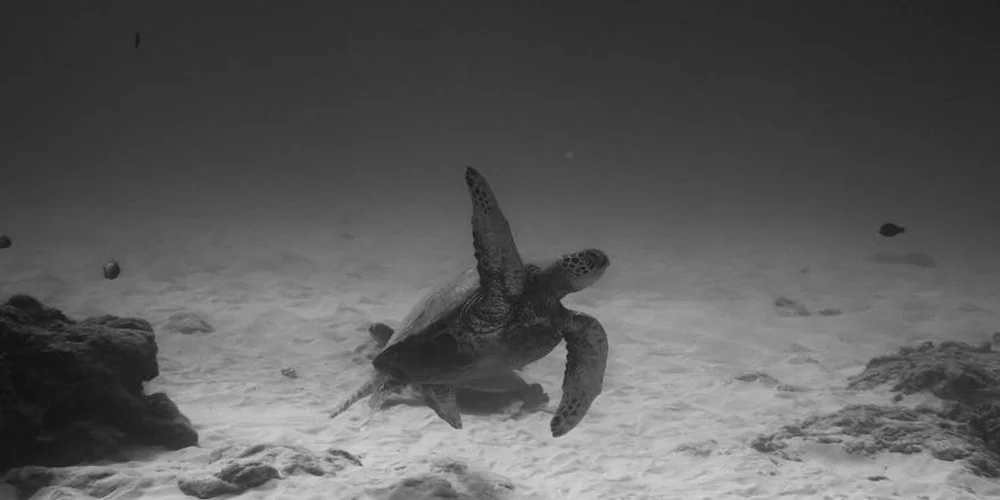
Drowning often happens in everyday situations that owners overlook. Inadequate tank setups are the leading cause of accidental drowning in pet turtles. I have visited homes where turtles struggled in deep bowls with no ramps, and it breaks my heart. Simple changes can prevent these emergencies.
Poorly Designed Habitats
Many tanks lack proper basking areas or shallow zones. Turtles need a dry platform to rest and regulate their body temperature. Without it, they may swim endlessly until exhausted. For Orwell, I built a gradual slope with rocks so he can climb out easily. It mimics natural riverbanks and keeps him safe.
- Deep water without ramps or steps traps turtles underwater.
- Overcrowded tanks with decorations block surface access.
- Slippery sides on containers prevent climbing out.
Human Error and Neglect
Owners sometimes forget to check water levels or secure lids. Escaped turtles can fall into pools or deep sinks and drown before being found. I once helped a friend whose turtle slipped into a bucket overnight-thankfully, we rescued it in time. Always supervise turtles during playtime outside their tank.
- Monitor water depth to match your turtle’s size and swimming ability.
- Install secure tank lids to prevent escapes into hazardous areas.
- Regularly inspect for obstacles that could trap your turtle underwater.
Health and Environmental Factors
Weak or ill turtles are more prone to drowning. Respiratory infections or shell injuries can impair swimming and breathing. Keep water clean and temperatures stable to support their immune system. I check Orwell weekly for any signs of lethargy, as early action saves lives. That’s how I tell if my turtle is sick: I watch for signs of changes in appetite, activity, and breathing.
- Cold water slows turtles down, making it harder to reach the surface.
- Poor water quality leads to stress and health issues that increase drowning risk.
- Always provide multiple exit points in aquatic setups for safety.
Recognizing the Signs of Drowning Distress
Immediate Emergency Indicators
Watch for a turtle that stops swimming and sinks to the bottom without effort. This lack of movement often signals they are struggling to surface for air. I recall when Orwell, my box turtle, once got stuck under a decoration and showed similar signs-his usual reserved curiosity vanished into stillness.
Look for bubbles coming from the nose or mouth, which can mean water is entering their lungs. Bubbling is a clear red flag that demands your immediate attention to prevent further harm.
Check if their limbs are limp or unresponsive when you gently touch them. A healthy turtle will usually retract or move, but in distress, they may not react at all. This happened with Bronte, my Greek tortoise, during a rare deep-water mishap; her graceful movements turned sluggish.
- Gasping at the water’s surface repeatedly
- Floating unevenly or listing to one side
- Eyes closed for extended periods without normal basking behavior
Emergency Response: Saving a Drowning Turtle
Basic Turtle CPR Techniques
First, gently remove the turtle from the water and place them on a soft, dry surface. Handling them calmly reduces stress and helps you assess their condition more effectively. I’ve found that using a towel can prevent slipping and keep them secure.
Check for breathing by observing chest movements or holding a mirror near their nose for fog. If there’s no breath, you need to act fast to clear any blockages and stimulate respiration.
- Turn the turtle upside down briefly to let gravity drain water from their airways-do this for no more than 10 seconds to avoid injury.
- Perform rescue breaths by covering their nose and mouth with your lips and giving two slow, gentle puffs of air, watching for chest rise.
- If no response, continue with chest compressions by pressing lightly on the shell above the heart area at a steady pace of one compression per second.
Always monitor for signs of recovery and keep them warm afterward. Seek veterinary care immediately, as even if they revive, internal damage might need professional treatment. From my experience with Austen, my Russian tortoise, quick action saved him from a similar scare, reinforcing why animal welfare should always come first.
Preventing Drowning Through Proper Habitat Design
Ideal Water Depth and Surface Access
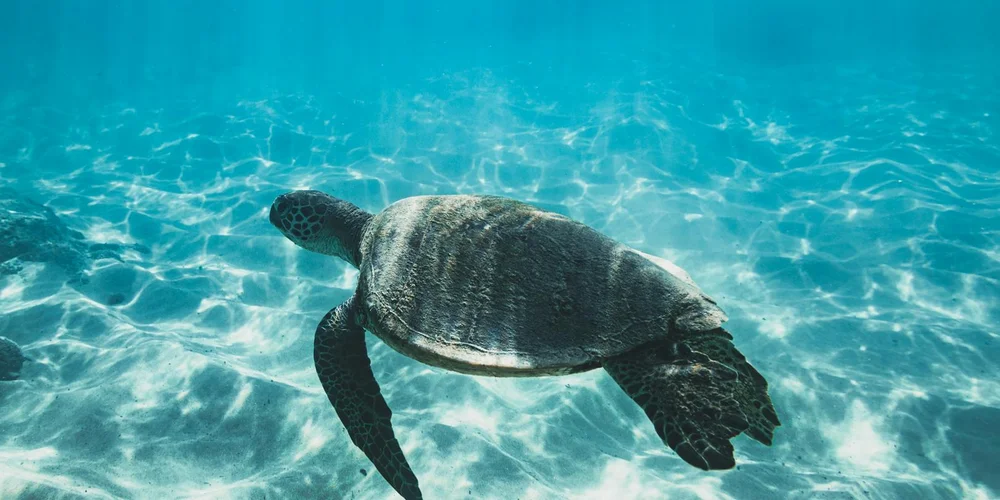
Getting the water depth right is one of the most critical steps in keeping your turtle safe. A good rule I follow with my own turtles is to provide a depth roughly 1.5 times the length of their shell. This gives them plenty of room to swim and exercise without making it a marathon to reach the surface for air. The absolute key is ensuring they can easily plant their back feet and push off the bottom to breach the surface in one swift motion.
Surface access is about more than just water depth. You must create multiple, easy-to-reach dry areas. I use a combination of a large, gently sloped basking dock and stable, low-lying platforms made from smooth river rocks. These give my turtles plenty of options to haul out and completely dry off, which is vital for their shell health and to prevent exhaustion. Think of these basking spots as life rafts; your turtle should never have to swim far to find a place to rest and breathe.
Safe Tank Decor and Obstacle Prevention
The items you put in the tank can either be enriching or dangerous. I always opt for decorations with smooth, rounded edges to prevent any cuts or scrapes that could lead to infection. Avoid anything with small holes or tight tunnels where a turtle could potentially get its head or limbs stuck. An obstructed turtle is a panicked turtle, and panic underwater can quickly lead to a tragic accident.
Be particularly mindful of fake plants. While they look nice, long, stringy plastic plants can entangle a turtle’s legs. I’ve switched to using either live plants like Anubias or very short, stiff silicone plants that offer no risk of snaring. Regularly check all decorations for sharp points or wear and tear, as a safe habitat today might not be safe tomorrow.
Daily Safety Practices for Aquatic Turtle Care
Supervision and Interaction Safety
Never underestimate the value of simply watching your turtle. I make a habit of spending a few minutes each day observing their swimming patterns and behavior from outside the tank. You’ll learn what’s normal for them and be able to spot signs of struggle or lethargy early. This quiet observation is your first and best defense against noticing when something is wrong. For a structured approach, consult the ultimate turtle health troubleshooting checklist from Shell Tail. It helps turn daily observations into concrete steps to keep your turtle healthy.
When it comes to handling, always support their entire body and keep interactions over a soft surface, like a carpeted floor or a towel-lined table. A fall from even a modest height can cause serious injury. I never handle my turtles near the open tank or any body of water. A dropped turtle can hit the water awkwardly, become disoriented, and drown before it can right itself, a risk that is entirely preventable with simple caution.
Special Considerations for Different Turtle Types
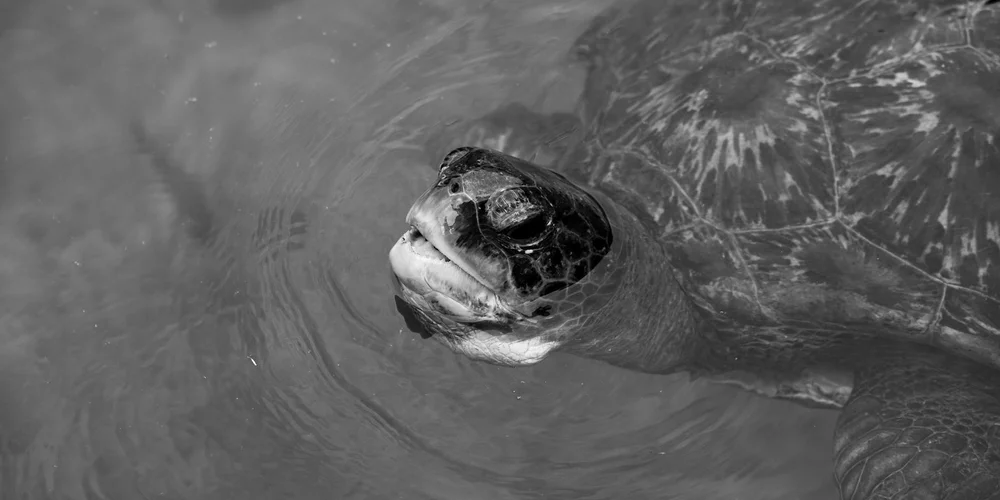
Not all turtles are created equal when it comes to their relationship with water. Their natural history and anatomy dictate the specific safety measures you must take in their habitat. I’ve learned this firsthand caring for my own shelled family, each with their own unique needs. This care guide for land and aquatic turtles is essential for translating these differences into practical steps. It helps you tailor safety and enrichment to each species’ needs.
High-Risk Situations and Vulnerable Turtles
Some turtles face a much higher risk of drowning, and understanding this is the first step to prevention. Young, elderly, or ill turtles are inherently more vulnerable and require extra vigilance. Their energy reserves are lower, making a struggle to reach the surface far more dangerous.
My Russian tortoise, Austen, is a perfect example of a terrestrial species that needs careful supervision around water. Terrestrial turtles and tortoises can drown in surprisingly shallow water, like a deep water dish or a pond they can’t climb out of. They simply aren’t built for swimming.
- Aquatic Turtles: While strong swimmers, they can still drown if trapped underwater without access to air. They need properly secured tank decorations and a basking area they can easily climb onto.
- Semi-Aquatic Turtles: Species like my box turtle, Orwell, need a habitat with a gentle slope from water to land. A steep, slippery bank is a drowning trap for them.
- Breeding and Mating: Male turtles can be overly aggressive, sometimes holding females underwater during courtship. Always monitor interactions closely during breeding seasons.
Another critical risk factor is water quality. Poor water conditions can lead to respiratory infections, weakening a turtle and making it harder for them to hold their breath or swim effectively. A clean tank is a fundamental part of drowning prevention. Regular testing and maintaining essential water quality parameters—pH, ammonia, nitrite, nitrate, temperature, and chlorine—helps ensure a healthy turtle tank. This proactive care supports respiratory health and safe swimming.
- Ensure all ramps and basking platforms have a rough, textured surface for easy gripping.
- Regularly check that water filters and currents are not too strong for smaller or weaker turtles.
- Never leave a turtle unsupervised in a temporary container or bath where they could flip over.
- Be extra cautious when introducing new turtles to an established tank, as territorial disputes can lead to bullying and forced submergence.
I once found my Greek tortoise, Bronte, struggling after she’d awkwardly tipped herself in her water bowl. That moment solidified for me that constant, proactive assessment of your turtle’s entire environment is non-negotiable for their safety. It’s not just about the deep end of a pond; danger can be anywhere a turtle cannot right itself or find air.
FAQs
Can turtles drown while sleeping?
Yes, turtles can drown if they fall asleep underwater and cannot reach the surface to breathe. Always provide shallow resting areas in their habitat to prevent this risk during sleep. At night, keep the habitat temperature stable and within the recommended range. A nighttime heat management guide can help you set the right conditions for your turtle’s habitat.
Can turtles drown in Minecraft?
In Minecraft, turtles can drown if they remain underwater for too long without access to air, just like other air-breathing mobs. Normal floating happens when turtles can breathe at the surface, while prolonged underwater time without air leads to drowning, which is the problematic floating you want to avoid. Ensure they have a dry land or bubble column nearby to avoid this in the game.
Can turtles drown upside down?
If a turtle flips upside down in water, it may struggle to right itself and could drown from exhaustion or inability to breathe. Use tank decor with stable bases and supervise interactions to prevent flipping.
Can turtles drown in too much water?
Excessively deep water without ramps or basking spots can tire turtles out, leading to drowning as they fail to surface for air. Adjust water depth to match your turtle’s size and swimming ability for safety.
Can turtles drown themselves?
Turtles do not intentionally drown themselves; drowning occurs accidentally due to hazards like trapped limbs or poor tank setups. Regularly inspect their environment to eliminate risks that could cause accidental submergence.
Caring for Your Aquatic Companion
Always provide a secure basking area and monitor water conditions to prevent drowning risks. From my time with tortoises like Austen, I’ve learned that a well-designed habitat is the foundation of turtle health.
Commit to regular research and adjustments in your care routine as your turtle grows. Your dedication to learning ensures a thriving life for your pet, just as I strive for with my own animals, especially when it comes to understanding the critical stages from hatchling to juvenile.
Further Reading & Sources
- “Turtle CPR”: How to help a drowned turtle – @the-awkward-turt on Tumblr
- Can A Turtle Drown? (How To Check & Save One) – All Turtles
- Can Turtles Drown? Vet Approved Facts & Safety Guide | Hepper Pet Resources
- Can sea turtles drown? | Olive Ridley Project
Matthew is a dedicated turtle enthusiast and conservationist with over 15 years of experience in reptile care. Known affectionately as "The Leatherback" among his peers, he combines his passion for turtles with a commitment to educating pet owners on responsible turtle care and environmental stewardship.
Aquatic Turtles