
Do Turtles Need Nighttime Heat? Temperature Management Guide
Published on: December 18, 2025 | Last Updated: December 18, 2025
Written By: Matthew The
If you’re lying awake worrying that your turtle might shiver through the night, you’re tapping into a real concern-I’ve been there with my own shelled friends, and getting the temperature right is a game-changer for their health.
In this guide, we’ll dive into why nighttime heat matters, how to set up a safe heating system, signs your turtle is too cold or hot, and simple steps to keep them cozy, all drawn from my years with Austen, Bronte, and Orwell.
Understanding Turtle Thermoregulation
Turtles are ectothermic, which means they rely on their environment to control their body temperature. This biological reality makes their habitat setup a direct extension of their well-being.
At night, this reliance becomes especially important. A natural, gradual drop in temperature signals to your turtle that it’s time to rest and conserve energy. Just like in the wild, where the sun sets and the world cools, your pet’s enclosure should mimic this cycle. During the day, a proper UVB lighting setup is critical for calcium metabolism and shell health, so be sure it’s installed and maintained.
Temperature governs their most vital internal processes. Their metabolism, digestion, and immune function are all directly tied to the warmth they can absorb. If it’s too cold, their system slows to a crawl, making them vulnerable.
Assessing Your Turtle’s Nighttime Heat Needs
Not all turtles have the same requirements. The ideal nighttime temperature is a personal recipe based on your specific pet.
| Species | Typical Nighttime Temperature Range |
|---|---|
| Russian Tortoise | 60-70°F (15-21°C) |
| Greek Tortoise | 60-70°F (15-21°C) |
| Box Turtle | 65-70°F (18-21°C) |
| Red-Eared Slider | 70-75°F (21-24°C) |
Several key factors will fine-tune these general ranges.
- Species: Tropical turtles often need warmer nights than temperate species.
- Age & Health: Hatchlings, seniors, and sick turtles usually require more stable, slightly warmer conditions.
- Brumation Status: A turtle preparing for or in brumation needs a significantly cooler and darker environment.
Your turtle will tell you if its temperature is wrong. Watch for lethargy, refusing food, or constantly trying to burrow as signs it might be too cold. Conversely, if it’s always hiding in the coolest spot, the ambient temperature might be too high. Observing my own turtles, like Austen’s gentle pacing when his spot was too cool, taught me to read these subtle cues. It is essential to understand these signs, especially when you’re first learning how to properly care for a red-eared slider turtle.
Essential Nighttime Heating Equipment
Choosing the right heating equipment is your first step toward a secure, warm night for your shelled friend. Your choice directly impacts their comfort and metabolic health during the crucial rest period. I’ve tested various options over the years to find what works best for my crew.
Comparing Heat Sources
Not all heaters are created equal, especially when the sun goes down.
- Ceramic Heat Emitters (CHEs): My personal go-to for nighttime. They produce pure, radiant heat without any light, perfectly mimicking a natural temperature drop. They get very hot, so a protective guard is non-negotiable.
- Heat Lamps: Typically emit light along with heat, which can disrupt a turtle’s circadian rhythm at night. I reserve these for daytime basking spots only.
- Under-Tank Heating Pads: These can be useful for providing gentle, belly warmth. I use one for my box turtle, Orwell, who sometimes prefers ground-level heat. They must be placed on the side of the tank, not the bottom, to prevent dangerous overheating from below.
The Non-Negotiable Thermostat
A heater without a thermostat is like a car without brakes. This single device is the most critical piece of safety equipment you will buy. It constantly monitors the temperature and cycles your heat source on and off to maintain your exact setting. I learned this the hard way after a simple heat bulb nearly turned a terrarium into an oven. A thermostat prevents those scary scenarios.
Steps for Proper Heater Placement
Correct placement creates a safe temperature gradient, allowing your turtle to choose its comfort zone.
- Position your heat emitter, like a CHE, over one end of the enclosure. This creates a warmer zone.
- The opposite end of the habitat should remain unheated, forming the cooler zone.
- Use at least two digital thermometers-place one in the warm zone and one in the cool zone.
- Ensure the heater is securely fixed and cannot fall or be touched by your turtle or anything flammable.
Setting Up a Safe Nighttime Habitat
A warm environment is more than just a hot spot; it’s a balanced, humidified ecosystem. Creating this stability is what allows turtles like my Russian tortoise, Austen, to sleep soundly and wake up refreshed.
Mastering Ambient Temperature & Humidity
Nighttime doesn’t mean a temperature crash. For most common pet species, the ambient temperature should only drop by about 10 degrees Fahrenheit from their daytime temperature. A drop from 80°F to 70°F is usually perfect. Humidity is equally vital. I keep a shallow water dish in the warm end; the evaporating water naturally boosts humidity levels, which helps prevent pyramiding in their shells.
Critical Safety Checks for Equipment
Your turtle’s safety depends on the integrity of your electrical setup. Make this a weekly ritual.
- Inspect all cords for fraying or chew marks.
- Check that all fixtures are secure and not leaning against the enclosure walls.
- Ensure all connections are dry and away from water bowls or misters.
- Verify your thermostat probe is firmly in place and not directly under the heat source.
Energy-Efficient Heating Practices
Caring for your turtle sustainably is good for them and your wallet. Insulating the back and sides of a glass tank with foam board can dramatically reduce heat loss, meaning your heater works less. I also use a thermostat with day/night programming to automatically lower the temperature setpoint after dark, which saves energy without any extra effort from me. This is part of the essential turtle tank setup and the complete daily, weekly, monthly care guide. Following these steps helps keep the habitat stable with minimal ongoing effort.
Addressing Common Nighttime Heating Problems
Even the best-laid plans can hit a snag. Equipment failure is the most common culprit for a sudden, chilly habitat. I’ve woken up to a cold tank more than once because a ceramic heat emitter burnt out overnight.
Troubleshooting Equipment and Gradients
If your basking area feels warm but the rest of the tank is cold, your temperature gradient is off. Here is how to fix it:
- Check all heat sources and thermostats first. A spare bulb is a lifesaver.
- Use two digital thermometers-one for the warm side and one for the cool side.
- Adjust the height of your heat lamp or the wattage of the bulb to fine-tune the warmth.
Adapting to Seasonal Shifts
Your home’s ambient temperature changes with the seasons, and your turtle’s enclosure will, too. I adjust my thermostat settings slightly in winter to compensate for the colder house. A simple, programmable outlet can automate this for you, lowering the heat slightly during the night hours.
Recognizing Temperature Stress
A cold turtle is a sluggish, unhappy turtle. Watch for these warning signs:
- Lethargy and a lack of interest in food
- Consistently staying in the warmest part of the enclosure
- Wheezing, mucus around the nose, or other respiratory issues
If your turtle shows signs of a respiratory infection, like bubbling at the mouth or labored breathing, seek veterinary care immediately. This can quickly become serious. If you’re wondering how to tell if your turtle is sick, watch for changes in appetite and activity, and note any new discharge or swelling. Quick assessment and veterinary advice are important.
Special Considerations for Different Turtle Types
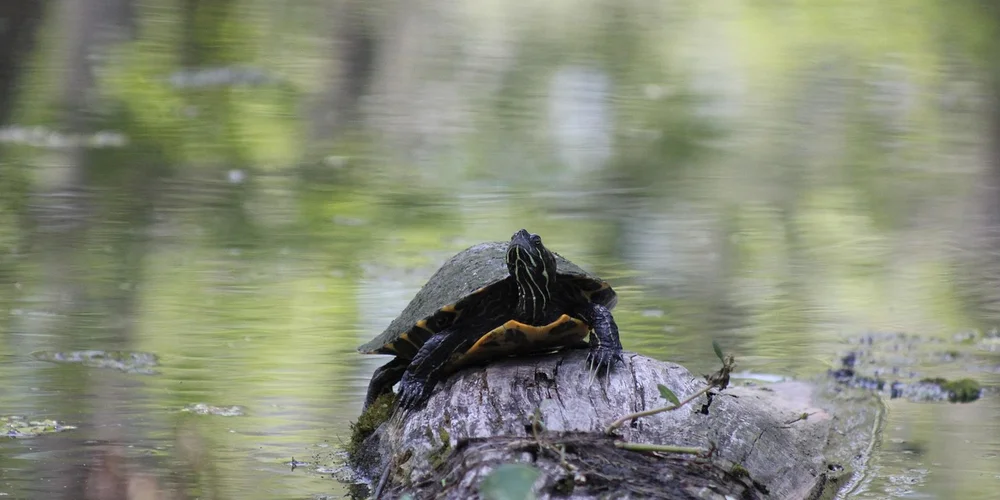
Not all turtles are the same, and their nighttime needs reflect their natural histories. My Russian tortoise, Austen, has vastly different requirements than an aquatic slider. When choosing a turtle species, consider key factors like habitat needs, climate compatibility, and daily care requirements. For more information, visit When choosing a turtle species to help you pick a pet that fits your home and lifestyle.
Aquatic vs. Semi-Aquatic vs. Tortoise
- Aquatic Turtles: These swimmers need consistent water warmth. An aquarium heater is non-negotiable. The air temperature above the water can drop a bit more, but a gentle overhead heat source prevents a drastic chill.
- Semi-Aquatic Turtles (like my box turtle, Orwell): They need a distinct temperature gradient on land. The land area must stay warm enough for digestion and comfort, often requiring a low-wattage ceramic heat emitter or an under-tank heater on a thermostat.
- Tortoises: Most, like my Greek tortoise Bronte, are from arid climates and are very sensitive to cold, damp conditions. They need stable, ambient air heat all night long and absolutely no drafts.
Unique Scenarios: Brumation and Recovery
Brumation, a form of reptile hibernation, is a delicate process. You must never provide supplemental heat for a turtle actively trying to brumate, as it disrupts their natural cycle. Conversely, a turtle recovering from illness often needs warmer, more stable nighttime temperatures to support its immune system. Always follow your vet’s specific instructions.
Advice for Hatchlings and Juveniles
Baby turtles are exceptionally vulnerable. I am always more cautious with temperature stability for young turtles. Their tiny bodies lose heat faster and they have less energy reserve. For hatchlings, I recommend even smaller fluctuations-keeping their entire environment within a very tight, warm range, both day and night, to support their rapid growth and fragile health. You can read more about their specific care needs in our complete guide to hatchling turtle care.
FAQs
Is it safe to use a heat rock for my turtle?
Heat rocks are not recommended as they can cause burns and uneven heating. Instead, use controlled sources like ceramic heat emitters with a thermostat for consistent, safe warmth.
How can I tell if my turtle is too hot at night?
Watch for signs like excessive panting, restlessness, or consistently avoiding warm areas. Adjust the temperature gradient and monitor with digital thermometers to ensure comfort.
What backup heating options are available for emergencies?
In a power outage, use insulated blankets around the enclosure or move your turtle to a warmer room temporarily. Always have a contingency plan to maintain stable temperatures. This ties into common terrestrial turtle enclosure mistakes to avoid, such as lacking backup heat sources or neglecting temperature monitoring. Use a reliable thermometer and backup heat plan to prevent dangerous drops.
Creating a Safe, Cozy Habitat
Provide a stable, slightly cooler nighttime temperature within your turtle’s specific range using a reliable, non-light emitting heat source like a ceramic heat emitter. This gentle temperature drop mimics their natural environment and supports healthy rest and digestion. Also set up a dry, elevated basking area for your aquatic turtle. A warm, accessible basking spot helps thermoregulation and shell health.
Caring for a turtle is a long-term commitment to understanding their unique needs and behaviors. Continue observing your shelled friend and learning about their care; a well-informed owner makes for a happy, healthy turtle. You can refer to this guide on caring for land and aquatic turtles to ensure you’re meeting all their needs.
Further Reading & Sources
- Ideal Temperature for Turtles in Captivity
- MedVet Blog | Aquatic Turtle Care Recommendations
- What’s the Ideal Temperature for a Turtle Tank? What You Need to Know! | Hepper Pet Resources
- Red-Eared Slider Basking Temperature Requirements | ReptiFiles
Matthew is a dedicated turtle enthusiast and conservationist with over 15 years of experience in reptile care. Known affectionately as "The Leatherback" among his peers, he combines his passion for turtles with a commitment to educating pet owners on responsible turtle care and environmental stewardship.
Heating and Lighting