
Kemp’s Ridley and Olive Ridley Sea Turtles: Habitat and Range Guide
If you’re curious about where Kemp’s Ridley and Olive Ridley sea turtles live and what dangers threaten their survival, you’re tapping into a vital concern for ocean health.
In this article, I’ll walk you through their nesting beaches, feeding grounds, migration routes, and conservation status.
An Introduction to Ridley Turtle Habitats
Observing my own tortoises, Austen and Bronte, has taught me that a turtle’s home is its entire world. For Ridley sea turtles, their habitat is a vast, interconnected mosaic of beaches and ocean currents. Their survival hinges on the health of specific, often distant, locations.
These turtles showcase two distinct lifestyles within the same family. One is a dedicated homebody, while the other is a true global nomad. Understanding their range is the first step in appreciating their unique needs and the conservation efforts required to protect their habitats and ensure their survival.
Kemp’s Ridley: A Turtle of the Gulf

The Kemp’s Ridley has the most restricted range of any sea turtle. Its entire life is intimately tied to the warm, shallow waters of the Gulf of Mexico. This is a turtle that truly knows its home waters, rarely venturing into the open Atlantic.
Their nesting behavior is a spectacular sight, known as an “arribada,” where hundreds of females come ashore simultaneously. Nearly all Kemp’s Ridley nesting occurs on a single stretch of beach in Rancho Nuevo, Mexico. This concentrated nesting makes the species incredibly vulnerable to environmental disasters or human disruption in one location.
- Primary Nesting Beaches: Overwhelmingly concentrated in Tamaulipas, Mexico, with some minor nesting in Texas.
- Juvenile Feeding Grounds: They spend their developmental years in coastal bays and estuaries, feasting on crabs.
- Adult Foraging Areas: Shallow marine waters throughout the Gulf, where they primarily hunt for crabs and other bottom-dwelling creatures.
Just as I ensure my box turtle Orwell has the right humidity, the Kemp’s Ridley depends on specific water temperatures. This specialization is both their strength and their greatest weakness in a changing world.
Olive Ridley: A Widespread Ocean Wanderer
Unlike its more geographically-restricted Kemp’s cousin, the Olive Ridley is a true citizen of the world’s warm tropical waters. You can find these turtles navigating the vast expanses of the Pacific, Indian, and Atlantic Oceans, a testament to their hardy and adaptable nature. I’ve always been fascinated by their ability to call so many different coastlines home.
Their nesting strategy is one of nature’s most spectacular events, known as the “arribada.” This is a Spanish word meaning “arrival,” and it describes the synchronized, mass nesting of thousands of females on a single beach over just a few nights. Witnessing an arribada, even just in documentaries, is a powerful reminder of the raw, collective instinct that drives these ancient creatures. Major nesting sites pulse with this activity in places like Costa Rica’s Ostional Beach and India’s Gahirmatha Beach.
Daily Life in a Ridley’s Marine World
While my tortoises, Austen and Bronte, spend their days methodically grazing on leafy greens, a Ridley’s life is one of constant motion and marine hunting. Their days are spent patrolling coastal waters, estuaries, and even the open ocean in search of a varied menu.
Their diet is a fascinating mix that reflects their opportunistic feeding style. You’ll often find them munching on:
- Jellyfish and other soft-bodied invertebrates
- A wide array of crabs and shrimp
- Snails and sea urchins
- Occasional fish eggs and small fish
This preference for crustaceans and jellyfish directly impacts their conservation, as they are highly vulnerable to ingesting plastic bags mistaken for food. It’s a sobering thought that informs my own commitment to reducing plastic waste.
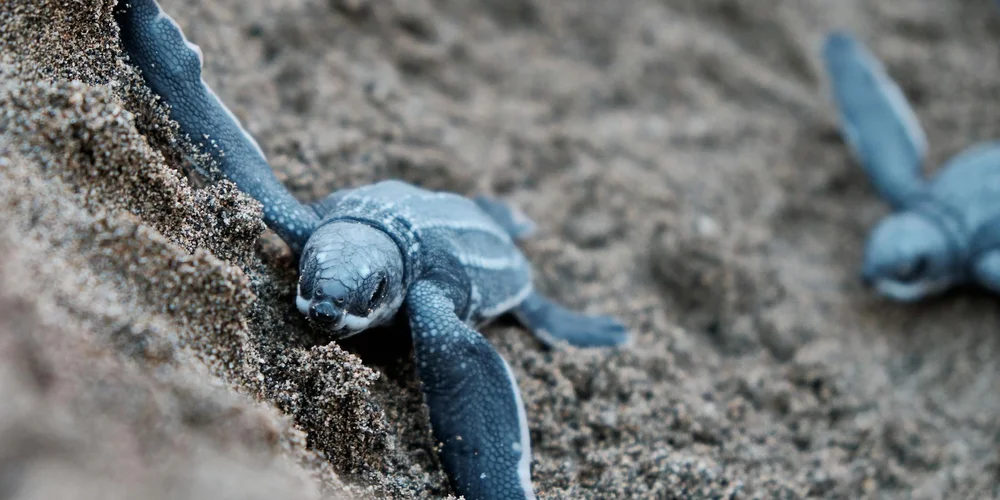
Life at sea is a balance of feeding, migrating, and avoiding predators. Young Ridleys, small enough to fit in the palm of your hand, spend their early years drifting in sargassum seaweed mats, using the floating vegetation as both a nursery and a hiding place. It’s a far cry from the secure, terrestrial habitat I provide for my own shelled companions, highlighting the immense challenges wild turtles face from the moment they hatch. To understand the life cycle of sea turtles, you trace their journey from hatchlings drifting in sargassum to adults that return to nest on their birthplace beaches. This perspective shows how protecting nursery habitats and migratory routes is essential to their survival.
The Critical Nursery: Ridley Nesting Beaches
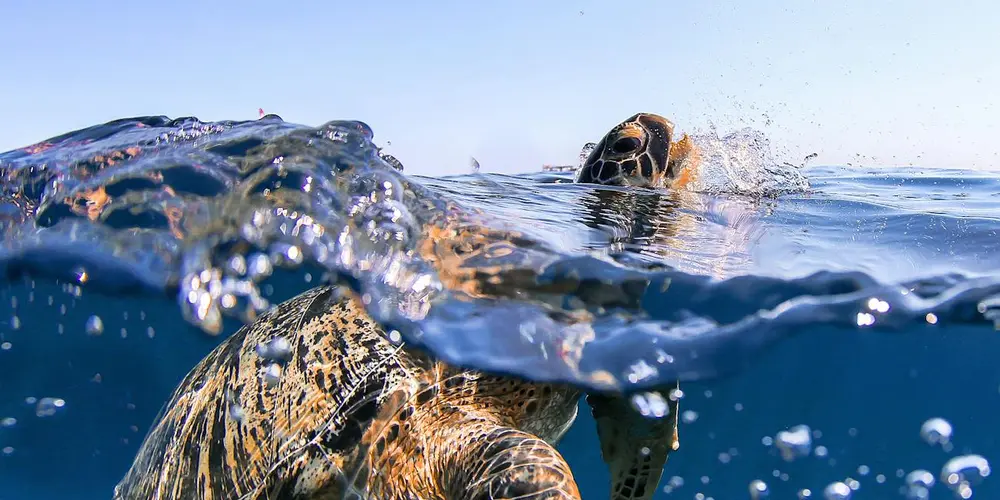
Picture a stretch of sandy shore where the ocean whispers secrets to the land. For Kemp’s Ridley and Olive Ridley sea turtles, these beaches are not just home-they are the sacred grounds where new life begins. I’ve watched my own tortoises, like gentle Austen, seek out the perfect spot to feel safe, and it mirrors the instinct that drives these sea turtles to return to their natal beaches.
Where They Lay Their Eggs
Kemp’s Ridley turtles nest almost exclusively on the beaches of the western Gulf of Mexico, with Rancho Nuevo in Mexico being their primary sanctuary. Olive Ridleys, on the other hand, perform spectacular mass nestings called arribadas on tropical coasts from India to Costa Rica. These events see thousands of females emerging from the waves in a synchronized dance of nature.
- Kemp’s Ridley: Focused on a few key sites, making them highly vulnerable to habitat loss.
- Olive Ridley: Spread across multiple regions, but arribada beaches face intense pressure from human activity.
The Nesting Ritual
Under the moon’s glow, a female turtle hauls herself ashore, using her flippers to dig a deep chamber in the sand. She deposits her clutch of eggs with care, a process I’ve seen in miniature with Bronte, my Greek tortoise, when she seeks out soft soil. After covering the nest, she returns to the sea, leaving the eggs to incubate for about 50-60 days. You can learn more about egg-laying and nesting behaviors to understand the care these creatures take during the process.
- Emergence from the ocean under cover of night.
- Selection of a nesting site away from tides and predators.
- Excavation of a body pit and egg chamber.
- Laying and covering the eggs before returning to the water.
Protecting the Places They Live
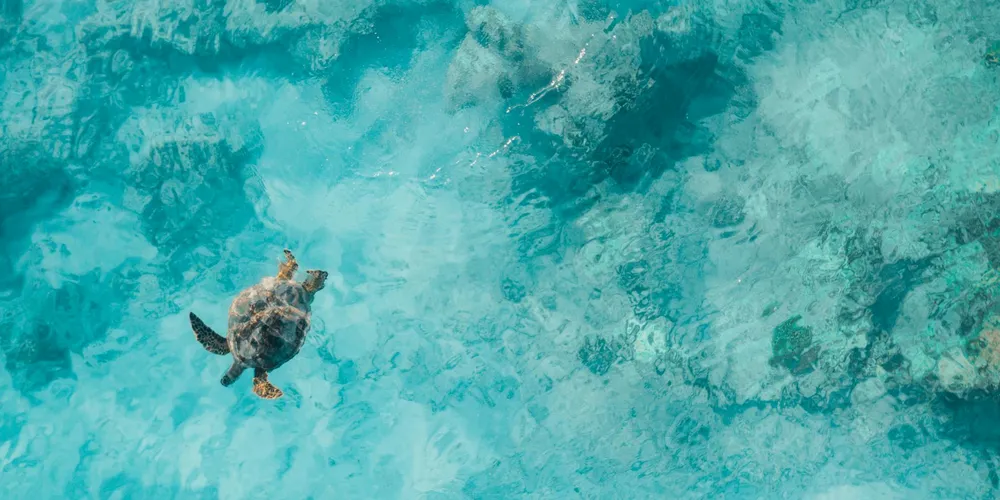
As someone who advocates for all turtles, from my pet Orwell to these ocean wanderers, I know that safeguarding their habitats is a shared responsibility. Coastal development and pollution are shrinking the very beaches these turtles rely on for survival. Simple actions in your daily life can create waves of positive change.
Threats to Their Homes
Bright lights from buildings disorient hatchlings, plastic debris entangles adults, and rising sea levels erode nesting sites. Climate change and pollution amplify these threats, warming oceans and altering nesting habitats. Temperature shifts can skew hatchling sex ratios, threatening future populations. In my experience, even small disruptions in a turtle’s environment-like a noisy room for Orwell-can cause stress, so imagine the impact on wild populations.
- Beach erosion from climate change and construction.
- Pollution, including plastic waste and oil spills.
- Human disturbance from tourism and fishing activities.
How You Can Help
Start by reducing single-use plastics and supporting organizations that patrol nesting beaches. If you care for a pet turtle, never release it into the wild, as this can introduce diseases or compete with native species. Your choices, from the products you buy to the causes you champion, echo across ecosystems.
- Join beach clean-ups or donate to sea turtle conservation groups.
- Use reef-safe sunscreen and avoid littering near coastal areas.
- Educate others about the importance of dark, quiet beaches at night.
FAQs
What are the key differences in the oceanic habitats of Kemp’s and Olive Ridley turtles?
Kemp’s Ridley turtles primarily inhabit the warm, shallow waters of the Gulf of Mexico, rarely venturing far into open oceans. In contrast, Olive Ridleys are highly migratory and can be found across tropical regions of the Pacific, Indian, and Atlantic Oceans. They migrate to reach rich feeding grounds, suitable nesting beaches, and favorable temperatures. Ocean currents and seasonal changes help shape their routes.
How do Ridley turtles navigate their vast ranges during migration?
They rely on innate abilities to detect Earth’s magnetic fields and follow ocean currents for long-distance travel. This navigation is essential for returning to specific nesting beaches and locating productive feeding areas.
What role do sargassum mats play in the habitat of young Ridley turtles?
Sargassum mats act as critical floating nurseries, offering protection from predators and a source of food for hatchlings. These seaweed rafts are vital for the survival of juvenile turtles in their early oceanic phase.
How does habitat loss specifically impact the nesting success of Ridley turtles?
Coastal erosion and human development reduce the availability of suitable nesting sites, leading to crowded or unsafe egg-laying conditions. This can result in lower hatchling survival rates and disrupted arribada events for species like the Olive Ridley.
In what ways can understanding wild Ridley habitats improve pet turtle care?
Learning about their natural diets and environmental preferences helps in designing enclosures that mimic key aspects of their marine homes. Providing varied nutrition and clean, temperature-regulated water supports healthier captive turtles by reflecting their wild habits, along with proper lighting, heat, and water conditions.
Caring Starts with Understanding
Always remember that the vast ocean homes of wild Kemp’s Ridley and Olive Ridley sea turtles are impossible to replicate in a personal aquarium. For your own pet turtle, focus on providing the largest, most enriching habitat you can possibly manage. This means researching their specific needs for space, temperature, and water quality to ensure they thrive under your care.
Responsible pet ownership is a continuous journey of learning and adapting to your animal’s needs. Daily care routines differ notably between aquatic and terrestrial turtles, from housing setups and basking requirements to water quality and diet. Understanding these differences helps you tailor care to your turtle’s specific needs. By committing to this ongoing education, you not only give your pet a better life but also develop a deeper appreciation for all turtles, both in our homes and in the wild.
Further Reading & Sources
- Kemp’s Ridley Turtle | NOAA Fisheries
- Kemp’s Ridley Sea Turtle | National Wildlife Federation
- Ridley sea turtle – Wikipedia
- Kemp’s Ridley Sea Turtle (Lepidochelys kempii)
Matthew is a dedicated turtle enthusiast and conservationist with over 15 years of experience in reptile care. Known affectionately as "The Leatherback" among his peers, he combines his passion for turtles with a commitment to educating pet owners on responsible turtle care and environmental stewardship.
Aquatic Turtles