
Why and Where Do Sea Turtles Migrate?
Published on: April 18, 2026 | Last Updated: April 18, 2026
Written By: Matthew The
You might be wondering why sea turtles embark on these vast oceanic journeys and feel concerned about the dangers they face, like pollution or habitat loss, which threaten their ancient rhythms.
We’ll explore the reasons behind their migrations, the specific routes they follow, and how simple actions can aid in their protection and survival.
The Driving Forces Behind Sea Turtle Migration
Sea turtles undertake these incredible journeys for a few fundamental reasons that are hardwired into their biology. Watching my own tortoises respond to subtle changes in their environment gives me a small window into the powerful instincts that guide their oceanic cousins.
- Natal Homing: Female sea turtles possess a remarkable ability to return to the very beach where they hatched to lay their own eggs. It’s a magnetic pull back to their origins.
- Prey Availability: They follow the food. Mass migrations often lead them to seasonal blooms of jellyfish, sea grasses, or sponges, ensuring they have the energy to survive and reproduce.
- Thermoregulation: As cold-blooded reptiles, sea turtles must seek out warmer waters to maintain their body temperature and metabolic functions, especially during colder months.
Their navigation is a symphony of sensory information. They read the Earth’s magnetic field like a map, taste changes in water salinity, and ride ocean currents that act as aquatic highways. These cues work together to guide them across featureless open ocean with stunning accuracy.
Major Migration Routes and Destinations

The paths sea turtles travel are not random wanderings but well-established routes shaped by the planet’s geography. Oceanic gyres-massive, circular current systems-create predictable pathways that turtles have used for millennia.
For instance, many loggerhead turtles nesting in Japan will ride the North Pacific Gyre all the way to the rich feeding grounds off the coast of Baja California, Mexico. Understanding these migratory and habitat patterns is central to loggerhead habitat information and conservation planning. Florida’s coast serves as a critical nesting hotspot for loggerheads, greens, and leatherbacks, while the Sargasso Sea is a vital nursery area for young turtles.
Nesting Beach Journeys
This is one of the most perilous and determined journeys a sea turtle will make. A gravid female, heavy with eggs, will travel hundreds or even thousands of miles, navigating back to her natal beach with astonishing precision. In this complete pre-laying guide, we explore how to care for gravid turtles and their eggs. This essential guidance helps protect nesting females during this critical period.
- Leatherback turtles return to beaches in Trinidad and Tobago and Gabon, Africa.
- Green turtles have major nesting sites in Tortuguero, Costa Rica, and Raine Island, Australia.
- Hawksbills often nest on remote islands throughout the Caribbean and Indo-Pacific.
Foraging Ground Explorations
Between nesting cycles, sea turtles are almost constantly on the move in search of food. Their migrations to foraging grounds are dictated by the seasonal abundance of their preferred prey. This dynamic underscores the turtles’ role in the ecosystem as both turtles as predators and prey, shaping marine food webs. Understanding this balance helps explain their ecological importance.
A green turtle might spend its summer feasting on sea grass in the warm waters of Florida, only to move south as temperatures drop and food becomes scarcer. A green sea turtle’s habitat—lush seagrass beds and warm, sheltered coastal areas—fuels these seasonal movements. These movements ensure they are always in a place where they can efficiently feed and build up energy reserves for their next great reproductive journey.
How Sea Turtles Navigate Their Oceanic Travels
Sea turtles possess an internal GPS far more sophisticated than any device we could create. They read Earth’s magnetic field like a map, sensing subtle variations in intensity and inclination angle to pinpoint their global position. I’ve watched my own tortoises use similar, albeit simpler, directional instincts in their enclosures.
Ocean currents act as aquatic highways, providing energetic shortcuts across vast distances. Turtles expertly ride these currents, conserving precious energy for the long haul. They may also use wave direction and even scents carried in the water to fine-tune their path.
Unlocking the Secrets: Research Techniques
Scientists use ingenious methods to decode these ancient migratory routes.
- Satellite Telemetry: A small, harmless transmitter is attached to the turtle’s shell. It sends location data to satellites, painting a real-time picture of its journey across the ocean.
- Passive Integrated Transponder (PIT) Tags: Like a microchip for a pet, these are implanted under the skin. When a turtle is recaptured, researchers can access its unique ID and track its growth and movement over years.
- Genetic Analysis: By studying DNA from turtles in different feeding grounds, scientists can trace their lineage back to specific nesting beaches, revealing deep migratory connections.
The Different Reasons for the Journey
Not all turtle travels are the same. Their purpose defines the path.
- Ontogenetic Migration: This is a one-way developmental trip. Hatchlings leave their natal beach and migrate to specific nursery areas, like seagrass beds for green turtles, where they grow for several years before moving to adult habitats.
- Seasonal Migration: Driven by temperature and food availability. Many adult turtles migrate to warmer waters as temperatures drop in their feeding grounds, ensuring their metabolism stays functional.
- Reproductive Migration: The most famous journey. Adult females make a phenomenal round-trip from their feeding grounds back to the very beach where they hatched to lay their own eggs.
Species-Specific Migration Behaviors
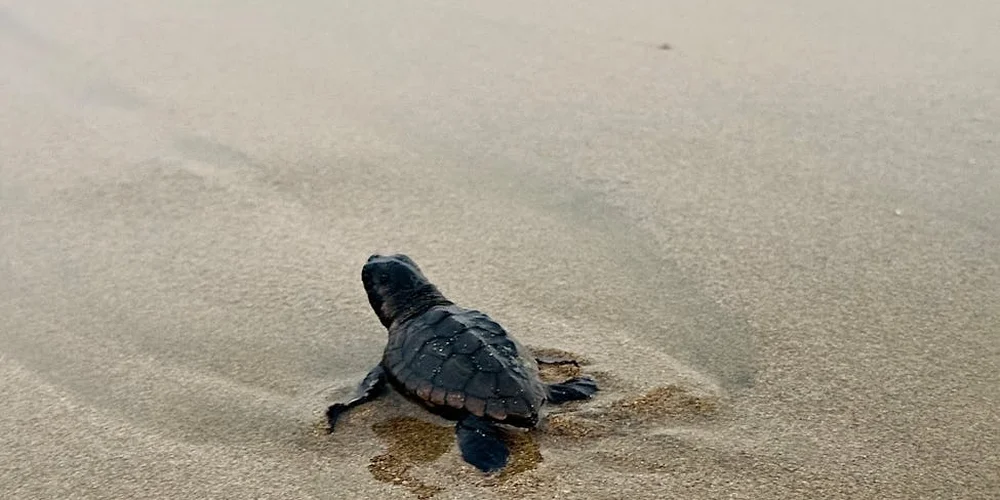
Each sea turtle species has honed its migration strategy to fit its unique biology and ecological niche.
| Species | Notable Migration | Distance & Route | Unique Trait |
|---|---|---|---|
| Green Turtle | Nesting to Feeding Grounds | Can travel over 1,600 miles; famously from Brazilian coast to Ascension Island. | Adults are primarily herbivores, migrating to rich seagrass meadows. |
| Loggerhead | Transoceanic Journey | Japanese hatchlings ride currents across the Pacific to Mexico-a 8,000-mile odyssey. | Powerful jaws for crushing prey; juveniles are oceanic wanderers for years. |
| Leatherback | Longest Migration | Record-holders traveling 10,000+ miles from Indonesia to Oregon and back. | Adapted for cold water; follows its jellyfish prey into deep, temperate oceans. |
| Hawksbill | Coastal & Island Hopping | Shorter, more complex routes among coral reefs in the tropics. | Closely tied to coral reef health; migrations are often within a single archipelago. |
How Age Changes the Journey
A turtle’s life stage dramatically reshapes its migratory purpose.
For vulnerable hatchlings and small juveniles, migration is about survival and growth. They are oceanic drifters, spending their “lost years” in the open ocean, growing large enough to handle the dangers of coastal habitats. Their journey is a dispersal into the wider world.
For mature adults, migration becomes a cyclical loop centered on reproduction. They have established feeding grounds and make precise, targeted journeys to and from their ancestral nesting sites. This shift from a life of dispersal to one of homing is one of nature’s most remarkable transitions.
Insights for Pet Turtle Care from Migration Patterns

Sea turtles travel vast distances for ideal temperatures and food sources, and your pet turtle shares similar instincts for survival and comfort. By observing how migration drives natural behaviors, you can create a home environment that supports your turtle’s health and happiness, including understanding their space and habitat needs.
- Relate migration to pet needs: Just as sea turtles seek warmer waters, pet turtles like my Russian Tortoise, Austen, need temperature gradients to regulate their body heat and avoid stress.
- Mimic natural behaviors: Set up your enclosure with distinct areas for basking, hiding, and exploring to encourage movement and reduce boredom, much like how wild turtles navigate varied landscapes.
- Observe health changes: I’ve noticed with Bronte, my Greek Tortoise, that shifts in appetite or activity often signal environmental issues, so regular checks help you catch problems early.
Temperature and Habitat Management
Thermoregulation is key for turtles, as they rely on external heat sources to function properly. Creating a balanced habitat with warm and cool zones prevents overheating or chilling, which I’ve seen keep Austen active and content. Use a quick habitat checklist for perfect lighting, heat, and water. Regular checks help diagnose issues early and keep the setup thriving.
- Set up basking and cooling zones: Use a heat lamp for a warm spot around 85-90°F and leave shaded areas cooler, around 70-75°F, to let your turtle choose its comfort level.
- Monitor water quality: For aquatic setups, test pH levels weekly and maintain proper salinity if needed, as clean water reduces disease risks and mimics the pristine conditions sea turtles migrate to.
Diet and Enrichment Strategies
Migration often involves foraging for diverse foods, and varying your pet’s diet prevents nutritional gaps and sparks natural instincts. Rotating greens, proteins, and supplements keeps meals exciting, something Orwell, my Box Turtle, eagerly anticipates each day.
- Vary feeding routines: Offer different foods like leafy greens, insects, and occasional fruits in various locations to simulate foraging journeys and encourage exploration.
- Add aquatic enrichment: For water-loving turtles, include floating plants or obstacles to swim around, promoting exercise and mental stimulation similar to ocean currents.
Tracking and Conservation of Migratory Corridors
Studying sea turtle migration helps identify critical habitats, leading to protected areas that safeguard their survival. These efforts can help save endangered sea turtles from threats like habitat loss, pollution, and bycatch. Your awareness and small actions as a pet owner can contribute to broader conservation efforts, ensuring these majestic creatures thrive for generations.
- Aid conservation through studies: Research on migration routes informs policies that protect nesting beaches and feeding grounds, reducing human impact on wild populations.
- Take simple actions: Support sea turtle rescues by donating or volunteering, and reduce plastic use to prevent ocean pollution that harms migratory paths.
- Address threats like habitat loss: Coastal development disrupts migration, but spreading knowledge through pet communities fosters empathy and drives positive change.
Fascinating Sea Turtle Migration Facts
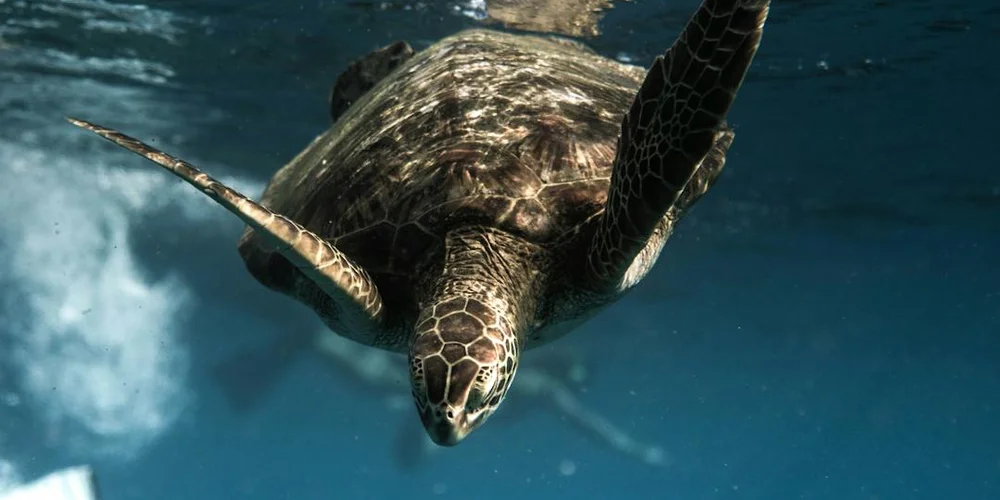
As someone who has cared for tortoises like Austen and Bronte for over a decade, I am constantly amazed by how sea turtles navigate the open ocean-it is a stark contrast to my pets’ cozy habitats. Sea turtles undertake some of the most incredible journeys in the animal kingdom, traveling thousands of miles with precision that still baffles scientists. Their migrations reveal not just endurance but a deep connection to their environment, something I have come to respect through observing my own turtles’ smaller-scale movements.
- Leatherback sea turtles hold records for distance, swimming over 10,000 miles annually from nesting sites to feeding grounds.
- Green sea turtles often migrate for 1-3 months at a time, covering up to 1,500 miles between beaches and seagrass beds.
- Hawksbill turtles may travel shorter routes of 500-1,000 miles, but their journeys can span years, with adults returning to natal sites every 2-4 years.
To picture these routes, think of a watery highway system. I have found that visualizing their paths helps pet owners like us appreciate the scale of wild turtle lives, even if our shelled friends at home stick to terrariums. Below is a simplified table showing common migration patterns-imagine the ocean as a vast, blue map guiding them home.
| Sea Turtle Species | Typical Migration Route | Average Distance |
|---|---|---|
| Leatherback | From tropical nesting beaches (e.g., Indonesia) to cold-water feeding areas (e.g., California) | 10,000-12,000 miles |
| Green Turtle | Between nesting sites in Florida or Costa Rica and seagrass pastures in the Caribbean | 800-1,500 miles |
| Loggerhead | From Japan’s coasts across the Pacific to feeding grounds near Mexico | 7,500+ miles |
Beyond the numbers, sea turtles display quirky traits that make their migrations unforgettable. Witnessing their determination has reinforced my commitment to animal welfare, as these behaviors highlight why we must protect their migratory corridors from threats like pollution. Here are a few standout examples that always leave me in awe.
- Some leatherbacks dive deeper than 1,000 meters to hunt jellyfish, using built-in “compasses” based on Earth’s magnetic fields to stay on course.
- Female turtles often return to the exact beach where they hatched decades earlier, a homing instinct so precise it feels like magic.
- In one record-breaking case, a loggerhead turtle swam from Japan to Baja California-a journey of over 8,000 miles-proving their resilience across vast, open waters.
FAQs
How can kids explore sea turtle migration maps?
Interactive online tools and children’s books often feature colorful, easy-to-read maps of sea turtle routes. These resources help young learners visualize the paths turtles take across oceans in a fun, engaging way.
What are some fun sea turtle migration facts for children?
Sea turtle hatchlings instinctively crawl to the ocean right after birth, starting their first migration. Kids might be amazed that some turtles swim for years as juveniles before settling in coastal areas. Understanding the sea turtle life cycle helps explain these steps. From eggs on the beach to hatchlings, juveniles, and adults, each stage shapes their journeys.
Are there videos available of sea turtle migrations?
Yes, many conservation groups and documentaries share videos online showing sea turtles on their journeys. These clips offer a glimpse into their swimming patterns and the obstacles they face in the wild. They also prompt questions about turtle anatomy—do turtles have fins or flippers, and how do these adaptations help them navigate aquatic environments?
What distances do sea turtles typically migrate?
Distances vary widely, with some species like leatherbacks traveling over 10,000 miles in a single year. Shorter migrations of 500-1,000 miles are common for species like hawksbills moving between reefs.
Why is Florida a key location for sea turtle migration?
Florida’s beaches provide essential nesting grounds with warm sands and protected areas for egg-laying. Its waters also support feeding habitats that attract turtles during seasonal movements.
Reflections from the Shoreline
Understanding sea turtle migration reveals their deep-seated instincts for survival, which you can mirror in your pet’s habitat to support their natural behaviors. These migratory patterns are a core focus of sea turtle biology and conservation. Applying these insights helps you craft a thriving environment that reduces stress and promotes longevity for your shelled companion. Supporting conservation efforts also helps protect migratory routes, nesting beaches, and overall populations for future generations.
Responsible pet ownership means committing to your turtle’s well-being through proper care and habitat management, just as I’ve seen with my own tortoises, Austen, Bronte, and Orwell. Keep exploring reputable sources to stay informed, ensuring your pet enjoys a healthy, enriched life under your watchful eye.
Further Reading & Sources
- Sea Turtle Migration – SEE Turtles
- Sea turtle migration – Wikipedia
- Tell Me About: Sea Turtle Migration – Thompson Earth Systems Institute
- Sea Turtle Nesting and Migration Maps – The State of the World’s Sea Turtles | SWOT
Matthew is a dedicated turtle enthusiast and conservationist with over 15 years of experience in reptile care. Known affectionately as "The Leatherback" among his peers, he combines his passion for turtles with a commitment to educating pet owners on responsible turtle care and environmental stewardship.
Understanding Turtle Behavior