
My Turtle Escaped! How to Search For and Find a Lost Turtle
Published on: July 15, 2026 | Last Updated: July 15, 2026
Written By: Matthew The
Your heart might be racing right now because your turtle has slipped away, and you’re picturing all the dangers they could face-I’ve felt that same rush of worry when my Russian Tortoise, Austen, once vanished from his enclosure.
In this guide, we’ll explore immediate search steps, common hiding places, and simple ways to prevent future escapes, all based on my years of caring for turtles like gentle Austen and curious Orwell.
Immediate Actions After Your Turtle Escapes
Stay calm and move quickly to prevent your turtle from wandering further or getting hurt. Your swift response can make all the difference in a safe recovery.
First, check the immediate area where your turtle was last seen, as they often don’t travel far. I learned this when my Russian Tortoise Austen vanished once, only to find him tucked under a nearby plant pot within minutes—unlike wild turtles that can wander much further.
Secure any open doors or windows to stop your turtle from leaving the house. This simple step helps contain the search and reduces risks like other pets or household hazards. This is a key part of turtle-proofing your home for supervised free roaming. Keep an eye on your turtle during these sessions to catch hazards early.
- Scan low to the ground, focusing on dark, warm spots like under furniture or behind appliances.
- Listen for subtle sounds, such as light scratching or rustling, which can guide you to their hiding place.
- Use a flashlight to peer into shadows, as turtles like my Greek Tortoise Bronte often seek out cozy, hidden corners.
Keep other pets in a separate room to avoid stressing your turtle or causing accidents. From my experience, a calm environment encourages your turtle to stay put instead of burrowing deeper out of fear. Doing so helps create a bio-secure environment for your pet turtle. A clean, quiet space minimizes disease risk and stress.
How to Search Inside Your Home for a Lost Turtle
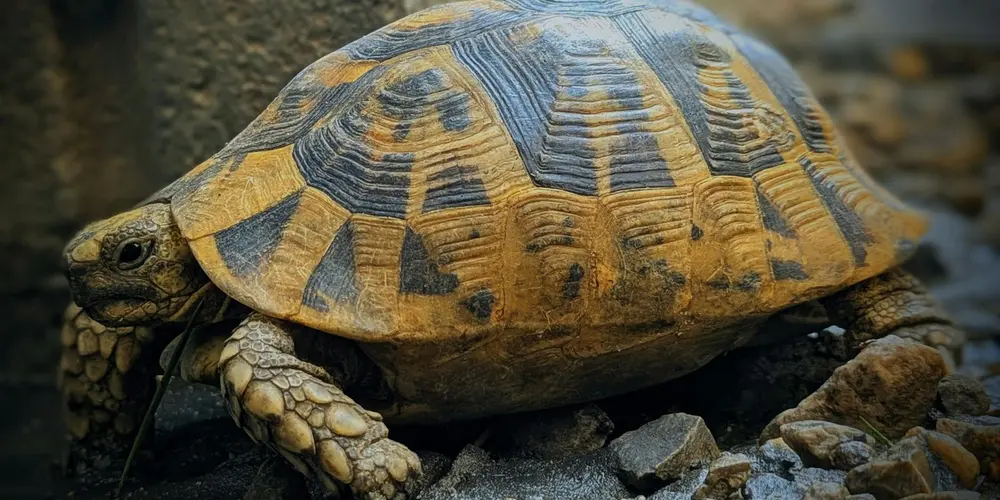
Start with a room-by-room search, beginning where your turtle was last spotted. This methodical approach saves time and ensures you don’t overlook any potential hiding spots. Also, plan safe basking spots and hiding areas to support your turtle’s well-being.
Focus on areas that mimic their natural habitat, like warm, humid spaces near heaters or under sinks. My Box Turtle Orwell once hid for hours in a laundry basket because the fabric felt like soft soil to him.
- Inspect under beds, couches, and cabinets, using a mirror or phone camera to see tight spaces.
- Check inside shoes, bags, or clutter on the floor, as turtles can squeeze into surprisingly small areas.
- Place a shallow dish of water or their favorite food, like leafy greens, to lure them out with familiar scents.
Move quietly and patiently to avoid startling your turtle. Turtles like Bronte may freeze when scared, so a gentle approach helps you spot them more easily. For a tame, shy, or scared turtle, steady hands and calm talk can help them relax. With time, you’ll earn their trust.
Repeat the search in each room, as turtles can slowly shift locations. I’ve found that revisiting spots after a short break often reveals a turtle who has moved to a new hiding place.
Expanding Your Search to Outdoor and Yard Areas
If your initial indoor search comes up empty, it’s time to think like a turtle. These creatures are hardwired to seek out warmth, moisture, and hiding spots, so your yard is a prime destination. I’ve spent many afternoons observing my tortoises, Austen and Bronte, and their instincts are remarkably consistent.
Follow the Sun and Shelter
Turtles are ectothermic, meaning they rely on external heat sources. Start your search in the warmest parts of your property. When you assess their home, also evaluate lighting, heat, and water to diagnose the habitat. A simple checklist can help ensure you have perfect lighting, proper heat, and clean water.
- Check along sun-drenched walls, pavement, and rocks.
- Look under porches, decks, and dense shrubbery where they can feel secure.
- Inspect any piles of leaves, mulch, or compost.
My box turtle, Orwell, once vanished for a day only for me to find him perfectly content, tucked into a warm corner of my compost heap.
Create Attractive Turtle Traps
You can gently encourage your turtle to reveal itself by making areas more appealing.
- Place a shallow dish of fresh water in a few shady, quiet spots.
- For herbivores like my Russians and Greeks, a small pile of their favorite leafy greens can be irresistible.
- For omnivorous species, a tiny bit of canned cat food (in a secure dish to protect local wildlife) can work.
Patience is your greatest tool here; check these spots frequently, especially in the early morning and late afternoon when turtles are most active.
Using Community Outreach and Technology to Find Your Turtle
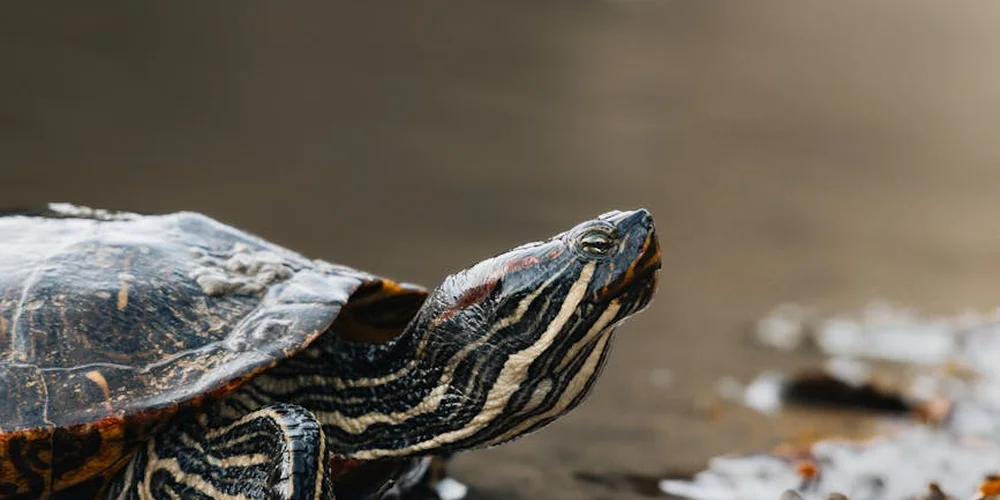
Don’t carry the entire search on your own shoulders. Your local community and modern technology can be powerful allies in bringing your pet home. A lost pet is a stressful event, and I’ve found that people are generally eager to help.
Mobilize Your Neighborhood
Get the word out quickly and clearly to the people most likely to spot your turtle.
- Create simple, bright-colored flyers with a clear, recent photo of your turtle.
- Include your name, phone number, and the specific area where it went missing.
- Offer a small, no-obligation reward to encourage extra attention.
- Distribute these flyers to immediate neighbors and post them on community bulletin boards.
A friendly, personal conversation with your neighbors can be more effective than a dozen flyers. Ask them to check their garages, sheds, and under their cars.
Leverage Digital Networks
The internet dramatically expands your search radius and speed.
- Post on local community Facebook groups and Nextdoor. These hyper-local platforms are incredibly effective.
- Use websites like PawBoost and PetFBI, which are dedicated to lost and found pets.
- Contact local animal shelters and veterinary offices with your turtle’s description and photo.
From my experience in animal welfare, I know that a single social media post can be shared hundreds of times, putting thousands of eyes on the lookout for your shelled friend.
Preventing Future Turtle Escapes
My Russian tortoise, Austen, taught me a tough lesson about security after a successful breakout. A turtle’s persistence will always test the limits of your enclosure. Their strength and climbing ability are often underestimated.
Fortify the Enclosure
Your first line of defense is a physical barrier they cannot breach.
- Secure Lids are Non-Negotiable: A simple screen top is not enough. Use a locking lid or weigh it down with heavy objects like bricks or books. My tortoise enclosure now has a custom-built wooden lid with clasps.
- Mind the Walls: The walls of the habitat should be high enough that your turtle cannot reach the top, even when standing on its tallest decoration. Smooth-sided walls prevent climbing.
- Check for Weak Points Daily: Regularly inspect for gaps, loose wires, or warped plastic. A small weakness is an open invitation for an escape artist like my Greek tortoise, Bronte.
Address the Motivation to Roam
Turtles often try to escape because something is missing in their environment.
- Provide Ample Hiding Spots: A stressed turtle is a hiding turtle. If it can’t find a suitable hide, it will search for one outside its home. Offer multiple hides to make them feel secure.
- Ensure Proper Temperature Gradients: If one area of the tank is too hot or too cold, your turtle will travel to find its comfort zone, sometimes beyond the enclosure. Use reliable thermometers.
- Offer Mental Stimulation: A bored turtle is more likely to explore its boundaries. Rearrange decorations occasionally and provide puzzle feeders to keep their mind engaged.
After Finding Your Turtle: Reunification and Care
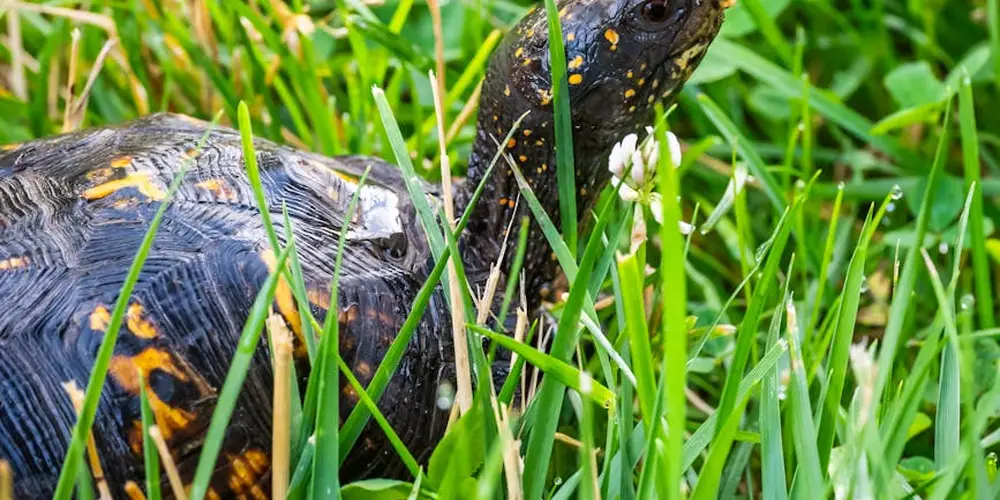
The moment you find your lost pet is pure relief. I remember finding my box turtle, Orwell, tucked under a bush; my heart finally stopped racing. Your immediate actions now are critical for their health and recovery.
The Initial Health Check
Before returning them to their home, perform a quick but thorough examination.
- Look for Obvious Injuries: Check the shell for cracks, the legs for swelling, and the eyes for clarity. Even a small injury needs attention.
- Assess for Dehydration: Gently press on their skin; if it feels loose or doesn’t snap back, they are likely dehydrated. Sunken eyes are another sign.
- Check for Parasites: Look for tiny mites or ticks, especially in the skin folds around the legs and neck.
Rehydration is Your First Priority
A lost turtle has probably gone without water for some time.
- Offer a Warm Soak: Prepare a shallow bath of lukewarm, dechlorinated water that only comes up to their chin. Let them soak for 15-20 minutes. This encourages drinking and rehydration through the skin.
- Do Not Force-Feed: A stressed digestive system cannot handle food right away. Wait until they have settled back in and are showing interest in eating.
Ease Them Back into Their Routine
After their health check and soak, place them gently back in their clean, secure enclosure.
- Monitor Closely for 24-48 Hours: Watch their behavior. Are they moving normally? Are they drinking? Are they using their hides?
- Maintain Ideal Habitat Conditions: Double-check that all temperatures and humidity levels are perfect to reduce any additional stress.
- Schedule a Vet Visit if Needed: If you found any injuries, or if your turtle seems lethargic or isn’t eating after a couple of days, a check-up with a reptile vet is a wise precaution.
FAQs
How long can a lost turtle survive without food and water?
Most pet turtles can survive for several days to a week without food, but dehydration is a bigger risk, especially in warm or dry conditions. Always prioritize rehydration once found, as water is crucial for their health. Do turtles need water to survive? Regular access to clean water is essential for their hydration and overall health.
What are some signs that a turtle has been in an area recently?
Look for small tracks in dust or soil, disturbed vegetation, or droppings that resemble dark pellets. You might also notice shallow dig marks or hear faint rustling sounds as they move through leaves or debris.
Can I use a UV light to find my turtle at night?
Yes, a UV light can help spot a turtle’s shell, which may glow or reflect, making it easier to see in dark hiding spots. However, use it cautiously to avoid startling your turtle, and combine it with a gentle search approach.
How do I create a safe “turtle trap” indoors?
Place a shallow container with warm water and a hiding spot, like a small box, in a quiet area to attract your turtle with humidity and security. Check it regularly, and ensure the trap is escape-proof to safely contain them once found. If you suspect illness or are introducing a new turtle, place it in a separate quarantine tank to prevent disease spread. Monitor for signs of illness and contact a veterinarian if symptoms appear.
What are the risks of a lost turtle encountering pesticides or chemicals?
Turtles can ingest or absorb harmful substances from treated plants, cleaning products, or lawn chemicals, leading to poisoning or shell damage. Quickly search areas free of such hazards and rinse your turtle with clean water if exposed. Additionally, avoid toxic substrates and décor in the enclosure by selecting inert, reptile-safe options. Steer clear of cedar, pine, dyed substrates, or treated woods.
Keep Your Turtle Safe and Sound
If your turtle goes missing, act quickly and search thoroughly, checking warm, dark hiding spots nearby. Using their favorite food and a gentle heat source can often lure a lost turtle back to safety. If you find a turtle, observe from a distance, avoid handling it unless it’s in danger, and note any identifying marks. Then contact local wildlife rescue or animal control for safe guidance on placement or return.
Preventing another great escape starts with a secure, enriching habitat that meets all their needs. Committing to learn more about your shelled friend’s behavior is one of the most rewarding parts of being a pet owner.
Further Reading & Sources
- Redearslider.com :: Locating a Missing Turtle
- 3 Ways to Find a Turtle – wikiHow
- What to Do When Your Pet Turtle Goes Missing – Love & Feathers & Shells
- r/turtle on Reddit: Help! Turtle lost in house
Matthew is a dedicated turtle enthusiast and conservationist with over 15 years of experience in reptile care. Known affectionately as "The Leatherback" among his peers, he combines his passion for turtles with a commitment to educating pet owners on responsible turtle care and environmental stewardship.
Understanding Turtle Behavior