
Box Turtle Cost: Your Real-World Budget and Care Guide
You’re considering a box turtle and your first thought is probably about the price tag, but the real question is whether you’re prepared for the full, lifelong financial commitment of a healthy, happy pet. I remember bringing Orwell, my now seven-year-old box turtle, home. His dark brown shell with yellow patterns was captivating, but I quickly learned the purchase price was just the entrance fee to a world of ongoing responsibility.
This guide walks you through every expense: initial purchase, habitat setup, daily diet, routine health checks, and planning for surprises. Understanding these costs isn’t just about money; it’s the first step in responsible, compassionate animal guardianship. Let’s make sure you’re fully prepared.
The Full Picture of Box Turtle Ownership Costs
That initial price tag can be misleading. Total box turtle ownership mirrors building a small, living ecosystem from the ground up. You fund the creation then maintain its balance for decades.
Costs fall into four clear buckets. Purchase gets the turtle. Setup builds their world. Ongoing covers daily needs. Long-term handles life’s surprises. Budgeting for Austen, Bronte, and Orwell taught me to view expenses as layers of care.
- Purchase Price: The turtle itself.
- Setup Costs: Enclosure, heating, lighting, substrate, and hides.
- Ongoing Expenses: Fresh food, vitamins, substrate changes, and bulb replacements.
- Long-Term Outlays: Veterinary visits, emergency care, and habitat upgrades as they grow.
Setting aside money monthly smooths out the financial waves. This practice turned Orwell’s habitat expansion from a crisis into a planned project. It brings the same calm I feel watching Austen methodically explore his space.
Box Turtle Purchase Price: Species, Source, and Initial Fees
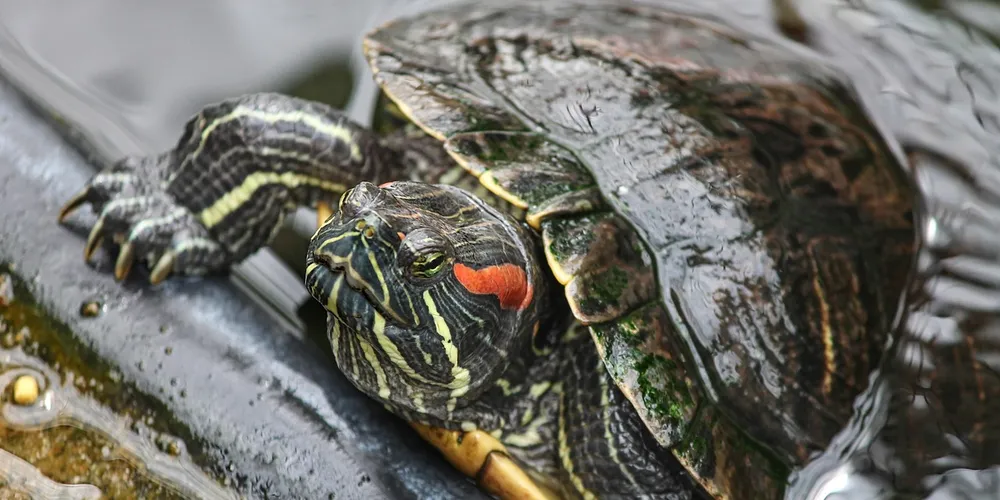
Several factors shape your first payment. The species you choose and where you find it are the biggest price drivers. Age, coloration, and overall health play significant roles too.
Your source sets the ethical and financial tone. Breeders, rescues, and pet stores offer different paths. I advocate for rescues first, as adoption directly supports animal welfare. Reputable breeders invest in genetics and health, which often means a higher initial fee.
Look out for added costs that creep in. Overnight shipping for a live animal is expensive and stressful for the turtle. Some states or cities require permits, adding another line item to your budget. Laws about selling and transporting turtles vary by state and species. Check local regulations before buying or shipping, as compliance can affect permits and how you transport them.
Cost Variations by Box Turtle Species
Market prices dance around based on rarity and demand. Here is a snapshot of what you might expect for common species in the USA.
| Species | Typical Price Range | Quick Notes |
|---|---|---|
| Eastern Box Turtle | $100 – $300 | Common, adaptable, and a frequent choice for beginners. |
| Three-Toed Box Turtle | $150 – $400 | Known for hardiness and a generally steady temperament. |
| Ornate Box Turtle | $200 – $500+ | Higher cost reflects vibrant patterns and more specific habitat preferences. |
Ornate box turtles often command premium prices for their intricate shell designs. My Orwell, with his dark, yellow-patterned shell and reserved intelligence, shows that unique beauty holds value. It reminds me of Bronte’s graceful golden-brown blotches or Austen’s gentle, steady presence.
Finding a Box Turtle: Local Costs and Ethical Sources
Begin by researching your local market. Searching “box turtle rescue near me” yields more ethical results than a generic sales search. Prices across the USA can shift with regional availability and local regulations.
Please consider adoption. Rescue organizations often have wonderful box turtles needing a second chance, usually for a modest donation. If you bring one home, many rescues offer a first-month rehabilitation guide with care tips, enclosure setup, and feeding schedules. This support helps ensure a smooth transition and healthy recovery during the critical early stages. This choice alleviates pressure on wild populations and gives an animal a home.
If you seek a breeder, expect to pay more for a well-started hatchling. That higher upfront cost from a trusted source is an investment in your turtle’s future health. Always ask for health records and habitat photos. Whether you buy from a breeder or a pet store, prioritize sources that are transparent about origin and welfare. A reputable seller will offer health guarantees and be willing to answer questions about care and breeding practices.
The true cost isn’t just dollars. Your commitment to providing a lifelong, appropriate home is the most valuable thing you offer. I learned this through years with my trio, ensuring each has the space and care their species needs.
Initial Setup Expenses: Building the Perfect Habitat
Picture a tranquil, earthy haven where your box turtle can dig, bask under a gentle glow, and retreat into a cool, dark hide-a slice of the forest floor right in your home. Creating this sanctuary requires thoughtful investment, but it lays the foundation for a long, vibrant life.
Enclosure and Terrarium Costs
Your turtle’s world needs room to grow. I learned this quickly with Orwell; his first tank felt cramped, stifling his natural curiosity. Choosing the right tank size and shape is essential for their well-being.
- Glass Aquariums: A common start. A 40-gallon breeder tank, the minimum I’d recommend for one adult, runs $50 to $150. Larger is always better.
- Outdoor Pens: For warmer climates, a secure wooden or PVC pen offers glorious space. Building one can cost $100 to $300, depending on size and materials.
- Custom Enclosures: Waterproof melamine or plastic tubs set ups are fantastic. You might spend $75 to $200 for a spacious, DIY-friendly option.
Investing in ample space from day one saves money and stress, preventing the need for costly upgrades later. Orwell now thrives in a large indoor pen that lets him patrol his territory with purpose.
Heating, Lighting, and Climate Control
Sunlight is not a luxury for a box turtle; it’s a biological imperative. Without it, their bodies cannot process calcium, leading to severe metabolic bone disease. In captivity, box turtles rely on UVB lighting and heat lamps to provide that essential exposure. These fixtures help the turtles synthesize vitamin D3 and properly absorb calcium, supporting shell and bone health.
- UVB Lamp: A tube-style UVB light is essential. Plan for $25 to $50 for the bulb and another $20 to $40 for a sturdy fixture.
- Basking Lamp: A simple heat bulb creates a warm spot around 85-90°F. Bulbs cost $5 to $15, with fixtures from $15.
- Thermostat/Timer: For safety and consistency, a thermostat ($25-$50) and timer ($10) are wise investments.
Skipping proper lighting is a direct shortcut to a sick, suffering turtle and vet bills that dwarf these initial costs. The gentle hum of Orwell’s lamps is the sound of his wellbeing.
Substrate, Decor, and Hiding Spots
The ground underfoot should hold moisture for burrowing and be safe if ingested. Decor provides mental stimulation, turning a cage into a home.
- Substrate: Cypress mulch or coconut coir are my top choices. A large bag costs $10 to $20 and will need periodic replacement.
- Hides: Simple clay plant pots (cut for an entrance) or commercial reptile hides cost $5 to $25 each. Every turtle needs a secure retreat.
- Water Dish: A shallow, heavy ceramic dish for soaking is crucial. Expect to pay $10 to $25.
- Plants & Enrichment: Live or silk plants ($10-$30) and smooth rocks or logs (often free from nature, properly sanitized) add texture and exploration.
DIY decor, like baking a branch from your yard to sterilize it, can save money and add a personal touch to their landscape. Orwell loves nudging a smooth river stone around his enclosure.
Ongoing Care and Maintenance Costs
Think of these not as bills, but as the steady rhythm of companionship-a predictable flow of care that keeps your shelled friend content. This regular upkeep is where your daily connection truly blossoms.
Diet and Feeding Expenses
A box turtle’s plate is a colorful mosaic. Variety is the spice of a healthy life.
- Greens: Dandelion greens, endive, and escarole. About $5-$10 monthly.
- Proteins: Earthworms, slugs, and occasional low-fat dog food. Around $5-$15 monthly.
- Fruits & Veggies: Berries, squash, and mushrooms as treats. Roughly $5 monthly.
- Supplements: A calcium powder with vitamin D3, used lightly. A bottle lasts months for $10-$15.
My Orwell is particularly witty about his food; he will stare intently at a berry before slowly, deliberately, ambling over to claim it. His absolute favorite is ripe strawberry, which makes a delightful, messy spectacle. All in, a balanced diet costs about $20 to $40 per month.
Routine Health and Veterinary Care
A proactive vet is your best ally. Reptiles hide illness well, so regular checks are vital.
- Annual Check-up: A physical exam typically costs $50 to $100.
- Fecal Parasite Screen: This $25 to $50 test is standard and crucial, as parasites are common.
Common issues like constipation can arise from diet or dehydration. If your turtle strains without passing waste or acts lethargic, a vet visit is needed to rule out impaction, which can cost $200 or more to treat. On average, an average turtle vet visit cost is about $60–$120, depending on location and services. This is why preventative care is a financial kindness to both of you.
Monthly Supply and Substrate Replacement
Keeping the habitat fresh is a simple ritual. Bulk buying becomes your friend.
- Substrate: Replacing a portion monthly costs $5 to $10 if you buy large bags.
- Cleaning Supplies: White vinegar or reptile-safe disinfectants for cleaning. Maybe $5 monthly.
- Filter Media: If you use a water filter for a soaking area, media replacements run $5-$10 monthly.
Purchasing substrate and supplements in larger quantities from farm or garden stores can slice your long-term expenses in half. It’s a small habit that makes stewardship feel smooth and sustainable.
Long-Term Financial Commitment and Planning

Welcoming a box turtle like my Orwell means committing to a friendship that can span half a century or more. Your financial strategy must be as enduring as their lifespan, stretching across the decades with thoughtful foresight.
Imagine the subtle changes over time-a once-spacious habitat feeling snug, dietary needs shifting with age. Anticipating these evolutions helps you budget smoothly for upgrades without panic.
Future costs often ripple out in gentle waves:
- Larger, enriched enclosures to accommodate growth and natural behaviors.
- Specialized veterinary care for aging shells and joints, which may require unique diagnostics.
- A dedicated emergency fund for unexpected illnesses or injuries, because peace of mind is priceless.
I learned with Orwell that a small, monthly savings habit builds a sturdy financial reef against future storms. Planning for the long haul transforms a daunting timeline into a serene, manageable journey.
There’s a deep, quiet joy in sharing your life with a creature as steady as a box turtle. Their consistent presence-like Orwell’s thoughtful gazes-rewards the investment many times over.
Smart Budgeting for Your Box Turtle’s Lifetime

Smart budgeting for your turtle is like crafting a careful mosaic-each piece matters, and none should be skipped. It’s about allocating resources wisely to ensure every aspect of their care receives proper attention.
Preventive care is your most powerful tool. Regular habitat maintenance and vet check-ups for Orwell have consistently averted costly health issues. Proper UVB lighting and a balanced diet are upfront investments that prevent expensive treatments later.
Consider these practical steps to manage costs effectively:
- Purchase substrates and foods in bulk to secure lower per-unit prices.
- Establish a separate savings account, contributing a small, fixed amount each month for care and emergencies.
- Explore safe do-it-yourself projects, like building hide boxes, to reduce initial setup expenses.
I’ve never cut corners on essentials for Austen, Bronte, or Orwell, and neither should you. Compromising on UVB lighting or veterinary visits risks your turtle’s health and leads to far greater financial strain.
From my experience, a little creativity and consistent planning make lifetime care entirely achievable. A well-funded care plan lets you focus on the quiet wonders of life with your shelled companion.
FAQs
How much does a box turtle cost in the United States?
The total cost in the USA spans from initial purchase to lifelong care, with the turtle itself typically ranging from $100 to $500+. Your ultimate financial commitment includes essential habitat setup, ongoing food, and decades of veterinary care. Here’s a complete breakdown of pet turtle costs, so you know exactly what to budget. We’ll cover setup, ongoing care, and long-term veterinary expenses.
Why is there such a variation in local box turtle prices?
Local prices vary based on species rarity, source (breeder vs. rescue), and regional permit laws. Searching for ethical rescues or reputable breeders in your area will give you the most accurate and responsible cost estimate.
What are the symptoms of constipation in a box turtle?
Common symptoms include a lack of fecal output, noticeable straining, loss of appetite, and general lethargy. Since these signs can also indicate serious impaction, a veterinarian should always be consulted for an accurate diagnosis.
Are there safe home remedies for a constipated box turtle?
Warm water soaks and offering high-moisture foods like cucumber can provide gentle relief for mild cases. However, any persistent issue requires a vet visit to rule out a dangerous intestinal blockage needing professional intervention.
Why is my box turtle constantly sitting in its water dish?
Frequent soaking can be a sign your turtle is trying to hydrate or regulate its body temperature if the habitat is too warm. It can also indicate a health issue like a shell infection or parasite load, warranting a health check. If you notice lethargy or brumation outside the normal season, add it to a lethargic turtle checklist and seek veterinary advice.
Your Box Turtle Investment: Beyond the Price Tag
Getting your finances clear from the start—seeing the tank, lights, and food as the real foundation, not just the turtle’s price—makes the whole journey smoother. Plan for those yearly vet check-ups now, so a surprise bill never forces a heartbreaking choice later. Understanding turtle vet costs, what a routine check-up covers, and other common medical expenses helps you plan ahead. This knowledge keeps budgeting realistic and reduces the risk of unexpected bills.
Caring for a turtle like my reserved friend Orwell is a promise measured in decades, not dollars, and their shell is a home, not a decoration. The truest cost of a box turtle is the thoughtful, ever-learning commitment you make to understand their quiet, wonderful world. A care pet box turtle complete beginners guide can help you get started with the basics.
Further Reading & Sources
- Box turtle for sale | baby box turtles for sale | eastern | 3 toe ornate
- r/turtle on Reddit: Cost of box turtles?
- Eastern Box Turtle for Sale | Reptiles for Sale
- Tortoises & Turtles For Sale With Overnight Delivery | Big Apple Herp
Matthew is a dedicated turtle enthusiast and conservationist with over 15 years of experience in reptile care. Known affectionately as "The Leatherback" among his peers, he combines his passion for turtles with a commitment to educating pet owners on responsible turtle care and environmental stewardship.
Terrestrial Turtles