
How Much Does a Pet Turtle Cost? A Complete Breakdown
Published on: December 16, 2025 | Last Updated: December 16, 2025
Written By: Matthew The
Thinking about bringing a shelled friend home, but worried the initial price tag is just the tip of the iceberg? You’re right to consider the full picture. I’ve been there myself, budgeting for my first tortoise and being surprised by the long-term investments.
This guide will walk you through every potential expense, from the surprisingly affordable to the absolutely essential. We’ll cover the initial setup, the recurring monthly costs, and those unpredictable vet bills.
Based on my years of experience with my own tortoises-Austen, Bronte, and Orwell-I can tell you that the joy they bring is priceless. But being prepared financially is one of the most responsible things you can do for your future pet.
In this article, we will break down: initial purchase price, habitat setup, monthly food and supply costs, veterinary care, and lifetime ownership expenses.
Initial Pet Turtle Cost Breakdown
Turtle Purchase Price by Species
The price of the turtle itself is your first investment and varies dramatically by species. Common beginner turtles like Red-Eared Sliders often cost between $20 and $50, making them a budget-friendly starting point. My Russian Tortoise, Austen, was in this range. More specialized species, like the striking African Sideneck Turtle, can run you $50 to $150. For true enthusiasts, rarer tortoises like the Sulcata can command prices from $150 to over $500.
Cost Variations by Source
Where you buy your turtle significantly impacts both cost and animal welfare. Large chain pet stores are convenient but often source from mass breeders, with prices typically on the lower end. I’ve found that reputable specialty breeders, while more expensive, provide detailed health histories and species-specific advice. The most affordable and rewarding option is often adoption through a reptile rescue. These animals need homes, and the adoption fee usually covers initial vetting.
- Pet Stores: $20 – $80. Convenient but limited history.
- Reputable Breeders: $50 – $300+. Higher cost for health guarantees and expert knowledge.
- Rescue/Adoption: $25 – $100. Supports animal welfare and often includes a vet check.
Essential Setup Equipment Costs
Your turtle’s habitat is a one-time major expense that you cannot skip. A proper enclosure is not a suggestion; it is a fundamental requirement for a healthy, thriving turtle. A basic 40-gallon aquarium tank can start around $150, but many species quickly outgrow this. For larger turtles, a 100-gallon stock tank offers more affordable space. The real costs accumulate with the life-support equipment, such as filters and heaters, which you’ll need to maintain water quality. You can learn more about how to cycle your aquatic turtle tank properly to ensure a healthy environment for your pet.
- Enclosure (Tank or Tub): $50 – $400+
- Canister Filter: $80 – $250 (Crucial for clean water)
- Heating & Lighting: $70 – $150 (Includes basking lamp, water heater, and critical UVB light)
- Basking Dock & Substrate: $30 – $60
Based on my experience setting up for Bronte and Orwell, a complete, quality starter setup will realistically cost between $300 and $600, and often more for larger species. Skimping on the filter or UVB light leads directly to health problems and higher vet bills later.
Ongoing Turtle Care Expenses
Monthly Food and Utility Costs
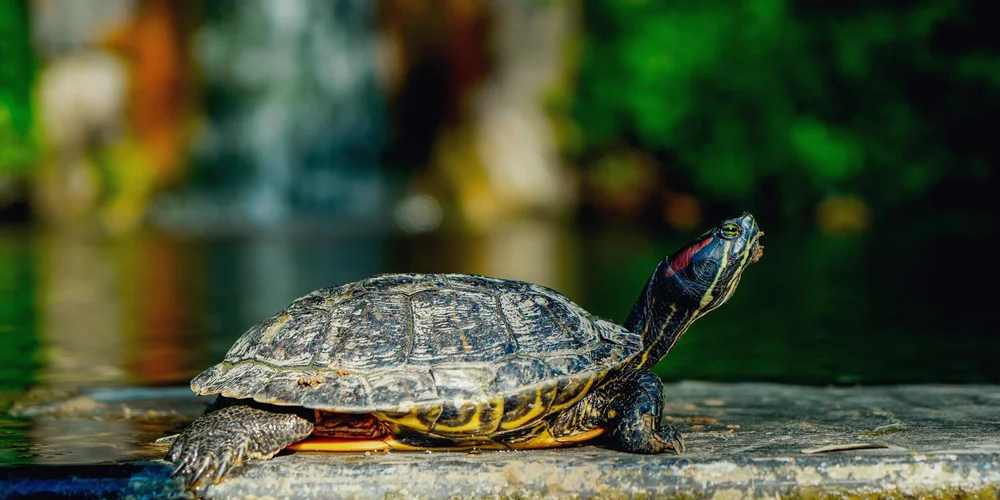
The recurring costs are surprisingly manageable if you plan for them. Your monthly food bill will depend heavily on your turtle’s size and dietary needs, ranging from $15 to $40. My tortoises enjoy a mix of fresh leafy greens, which I buy for the “family,” and commercial pellets. Aquatic turtles often need more protein, like dried shrimp or feeder fish. Don’t forget the utilities; running a filter, heater, and lamps 12+ hours a day will add a noticeable, though not extreme, amount to your electric bill.
Veterinary and Health Care Costs
This is the most unpredictable and potentially highest cost of turtle ownership. Finding an exotic vet before you have an emergency is one of the most responsible steps you can take as a pet owner. A standard wellness check can cost $50 to $100. However, turtles are masters at hiding illness, and when they show symptoms, it’s often serious. Treatments for common issues like shell rot or respiratory infections can quickly run into the hundreds of dollars.
- Routine Check-up: $50 – $100
- Fecal Exam & Parasite Treatment: $40 – $80
- X-Rays or Bloodwork: $150 – $300+
- Emergency Surgery: $500 – $2,000+
Setting aside a small “turtle fund” each month or considering pet insurance can save you from heartbreaking financial decisions during a health crisis. My philosophy is to always budget for the vet visit you hope you’ll never need.
Turtle Species Price and Care Cost Comparison
Choosing your shelled companion is more than a matter of preference; it’s a financial commitment that unfolds over decades. Different species have vastly different needs, and those needs directly impact your wallet from day one. I’ve cared for both aquatic and terrestrial turtles, and the setup costs alone can surprise new owners. When selecting a turtle, it’s helpful to keep in mind the key factors to consider—habitat needs, diet, lifespan, and space requirements. Understanding these upfront can prevent surprises later.
Red-Eared Slider vs. Box Turtle Costs
This is a classic comparison between a highly aquatic turtle and a more terrestrial one. My Russian and Greek tortoises share some needs with Box Turtles, but the Slider’s requirements are a world apart.
- Initial Purchase Price: Red-Eared Sliders are often budget-friendly, ranging from $20 to $50. Box Turtles, like my Orwell, can cost significantly more, from $100 to $300, especially for captive-bred individuals which are always the ethical choice.
- Habitat Setup: This is where the real difference lies. A Red-Eared Slider needs a large aquatic tank, a powerful filter, a basking dock, and high-output heat and UVB lamps. A full setup can easily surpass $500. A Box Turtle requires a spacious terrarium or turtle table with deep substrate, hiding spots, and a humid hide, often costing $300-$400 to start.
- Ongoing Food & Supplies: Sliders are voracious eaters, consuming commercial pellets, leafy greens, and occasional protein. Box Turtles are omnivores with a taste for insects, worms, fruits, and mushrooms, which can be more expensive and time-consuming to source.
- Veterinary Care: Both need specialized reptile vets. Sliders are prone to shell rot and metabolic bone disease if their water and lighting are incorrect. Box Turtles can suffer from respiratory infections if their humidity is wrong. Budget for at least one annual check-up, around $75-$150.
Baby Turtle vs. Adult Turtle Cost Analysis
The allure of a tiny, quarter-sized baby turtle is powerful, but it’s often a more expensive and delicate path. Raising a baby turtle is a marathon of care and cost, not a sprint. I’ve raised hatchlings, and the initial fragility is a real concern.
- Upfront Cost: Babies are usually cheaper to purchase. An adult turtle, already past the delicate juvenile stage, commands a higher price due to the care invested in it.
- Habitat Investment: While a baby can start in a smaller enclosure, it will quickly outgrow it. You’ll end up buying multiple tank sizes, effectively paying twice. An adult needs its full-sized, permanent home immediately, which is one larger upfront cost.
- Healthcare Considerations: Baby turtles are incredibly susceptible to illness. They require pristine water conditions and perfect nutrition to avoid fatal conditions. Vet bills for a sick hatchling can be high. An adult with a known health history offers more stability.
- Behavioral Certainty: With a baby, you are guessing at its ultimate personality and sex. An adult’s temperament and gender are established, which is crucial for long-term planning and preventing unexpected breeding situations.
Here is a quick side-by-side look at the financial implications of each choice.
| Cost Factor | Baby Turtle | Adult Turtle |
|---|---|---|
| Purchase Price | Lower ($20 – $100) | Higher ($100 – $400+) |
| Initial Habitat | Starter tank ($50-$150), then upgrade | Full-size permanent habitat ($300-$600) |
| Predicted Vet Costs (First Year) | Higher risk of illness | Generally lower, barring emergencies |
| Long-Term Financial Surprises | Sex unknown, may need separate enclosures later | Known sex and temperament |
Adopting an adult turtle from a rescue is a wonderful, cost-effective option that also gives a deserving animal a second chance at a good life. Many rescues have their turtles fully vetted, which saves you significant initial medical costs.
Adoption and Rescue Turtle Costs
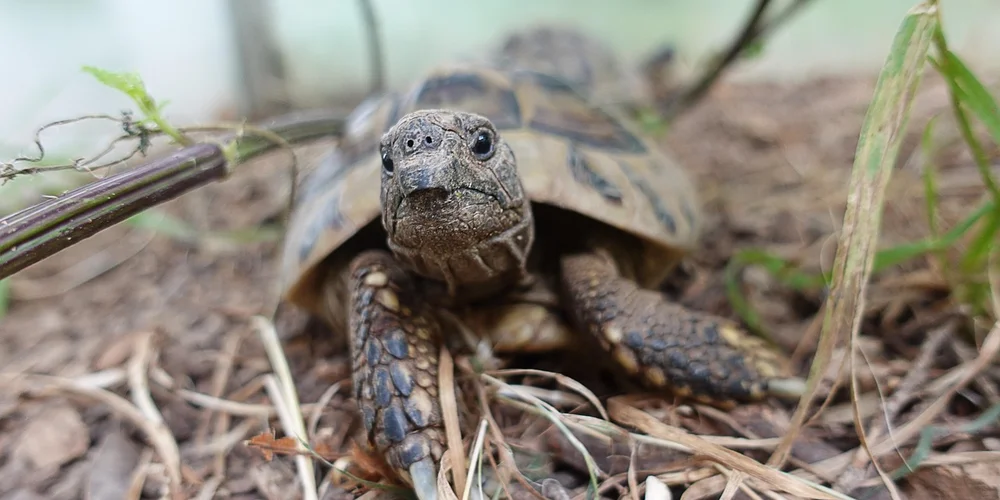
Adopting a turtle is one of the most rewarding paths you can take. You are not just getting a pet; you are offering a safe harbor to an animal that needs a second chance. Turtles require special care and attention. I’ve welcomed several rescues into my home, and the bond formed with a turtle who knows it’s finally safe is profound.
Adoption Process and Associated Fees
The process is designed to ensure each turtle finds a permanent, suitable home. Rescue organizations are deeply invested in the lifelong welfare of the animals in their care. They want to get it right, for both you and the turtle. Ethical considerations—such as the long-term commitment, proper habitat, and ongoing veterinary care—should guide whether keeping a turtle is right for you. Rescue groups can help you assess readiness before adoption.
The typical steps are straightforward but meaningful.
- Application: You’ll fill out a detailed form about your experience, home environment, and plans for habitat creation.
- Home Check or Virtual Tour: Many rescues will want to see where the turtle will live. This isn’t an intrusion; it’s a helpful step to ensure your setup is safe and appropriate before the turtle arrives.
- Meet and Greet: You’ll have a chance to interact with potential turtle matches. Personality is key! My Greek tortoise, Bronte, was a perfect fit because of her thoughtful, calm nature.
- Adoption Finalization: Once approved, you’ll complete the paperwork and pay the adoption fee.
The fees themselves are not about making a profit. Adoption fees are a crucial donation that allows the rescue to continue its vital work. They typically range from $50 to $150.
This fee often includes services that represent a significant value.
- A veterinary exam to assess overall health.
- Basic deworming and parasite treatment.
- Sometimes, a minor shell repair if needed.
- A starter kit of food or care information.
When I adopted my box turtle, Orwell, his fee covered treatment for a minor respiratory infection he had when he first came into rescue. Paying that fee meant I was directly supporting the medical care that saved him and contributes to saving the next turtle in line. It is an investment in a life, and in the mission of animal welfare.
Lifetime Cost of a Pet Turtle
Budgeting for Long-Term Care
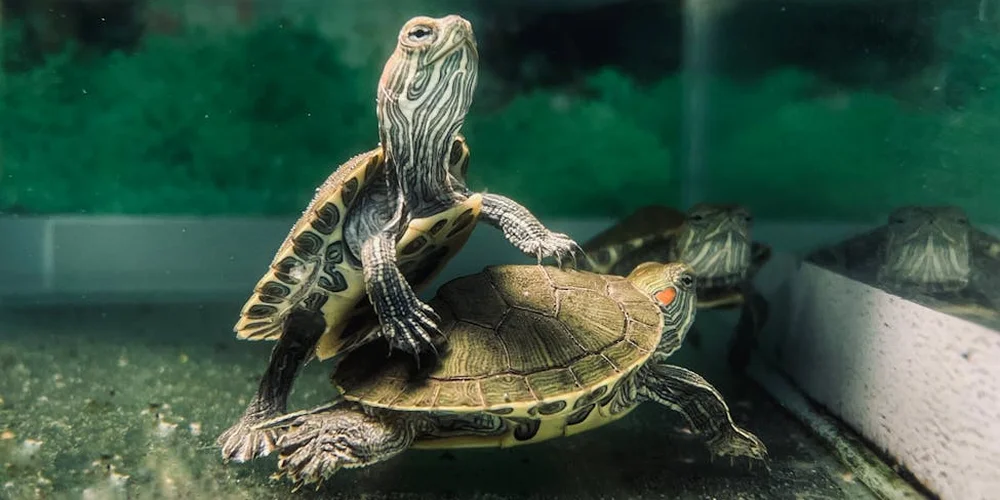
Looking at my own tortoises, Austen and Bronte, who are already a decade old, really puts this into perspective. You aren’t just buying a pet; you are making a multi-decade financial commitment. The initial setup is just the first chapter of a very long book.
Recurring Annual Expenses
Each year, you’ll have consistent costs that keep your turtle healthy and thriving. From my experience, these are the non-negotiables, especially when it comes to maintaining a proper turtle habitat.
- High-Quality Food: A mix of fresh greens, vegetables, and commercial pellets costs me about $150-$200 annually per turtle.
- Substrate and Bedding: Replacing this every few months to maintain cleanliness runs roughly $75-$100 per year.
- Utility Bills: Heat lamps, UVB bulbs, and water filters run almost 24/7. I see a noticeable $15-$25 increase in my monthly electric bill.
- Supplements: Calcium and vitamin powders are essential for shell and bone health, adding about $30-$50 to your yearly budget.
Veterinary and Healthcare Costs
Finding an exotic vet who specializes in reptiles is critical. A simple wellness check can cost $75-$150, and that’s when everything is perfectly fine. My box turtle, Orwell, once needed treatment for a minor respiratory infection, and the bill was over $300. You must budget for these unexpected events.
Habitat Maintenance and Upgrades
As your turtle grows, so must its home. What starts as a 40-gallon tank for a hatchling may need to become a 120-gallon enclosure for an adult. Planning for at least one major habitat upgrade during your turtle’s life is a wise financial move. Choosing the perfect tank size is a key factor in shaping your aquatic turtle’s health and daily activity. Start with the current needs, then anticipate future growth to ensure a lasting, stable habitat. This single expense can easily range from $300 to $800, depending on the size and quality.
Add everything up, and the annual cost for one turtle, excluding emergencies, typically falls between $400 and $700. Over a 30-year lifespan, that’s a significant investment. Setting aside a small amount each month specifically for your turtle’s fund is the most reassuring strategy I’ve found. If you’re new to box turtles, this care box turtle complete beginners guide covers setup, habitat, and feeding. The guide helps turn these costs into practical, everyday care steps. It turns a potential financial stress into simple, planned care.
Cost-Saving Tips for Turtle Owners
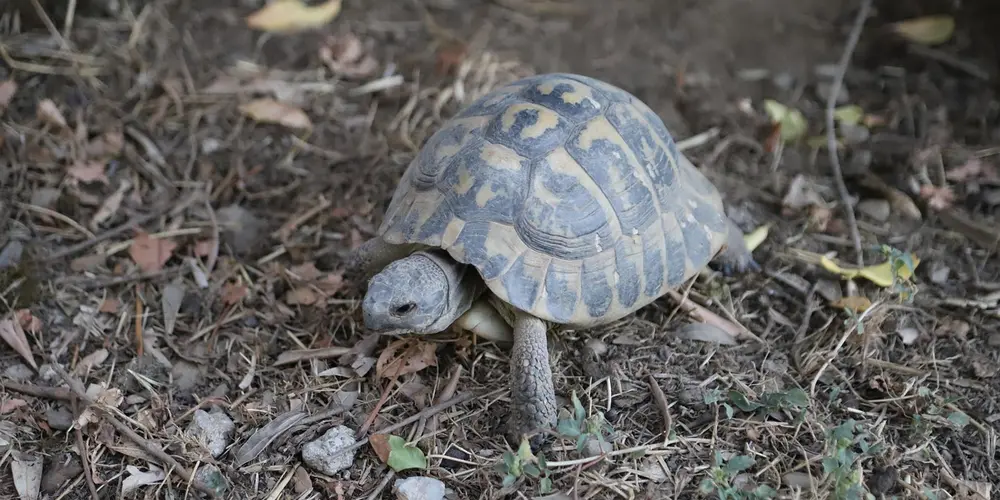
Over the years with my own shelled companions, I’ve found that smart, simple choices can dramatically reduce expenses without compromising their quality of life. A little creativity goes a long way in making turtle care wonderfully affordable.
Affordable Alternatives for Equipment and Food
You don’t always need the most expensive brand-name item from the pet store. I’ve saved hundreds by thinking outside the box, or in this case, outside the aquarium.
Smart Equipment Swaps
- Repurpose storage tubs. A large, sturdy plastic storage bin makes a fantastic and incredibly cheap temporary or even permanent indoor habitat. My box turtle, Orwell, spent his first year in one, and it worked perfectly.
- Seek out secondhand deals. Check online marketplaces for used aquariums and filters. People often sell large tanks for a fraction of the original price after their fish are gone. Just be sure to give everything a thorough cleaning with a vinegar solution.
- Build your own basking dock. Instead of buying a floating platform, use a flat piece of slate or a smooth tile supported by stacked rocks or PVC pipes. It’s more natural, stable, and costs almost nothing.
- Use shop lights for UVB. The specific fluorescent tube fixtures sold in reptile sections are often just rebranded shop lights. You can find the fixture itself much cheaper at a hardware store, then just buy the correct reptile UVB bulb to go in it.
Economical Food Choices
Feeding a turtle doesn’t have to mean expensive pre-packaged pellets every day. A varied, fresh diet is often healthier and easier on your wallet. To help you get started, check out our ultimate beginners guide to feeding your pet turtle. It covers practical, budget-friendly options and simple routines.
- Grow your own greens. I keep a small planter of organic dandelion greens, kale, and turnip greens on my patio. It provides a constant, free supply of fresh food for my herbivores, Austen and Bronte.
- Forage safely. From a pesticide-free area, you can pick dandelion leaves, clover, and plantain weeds. Always wash them thoroughly.
- Buy human-grade veggies. A head of romaine lettuce or a bunch of carrots from the grocery store is far cheaper per ounce than small bags of “turtle salad” from a pet shop.
- Use protein wisely. Instead of expensive turtle-specific shrimp, offer small bits of plain, cooked chicken or earthworms from your garden (ensure no pesticides are used). Canned tuna in water (no salt added) is an occasional treat my turtles adore.
FAQs
What is the average initial cost for a pet turtle setup?
The initial setup, including the turtle, enclosure, and essential equipment, typically ranges from $300 to $600. Costs can vary based on species, source, and whether you opt for new or used items.
How much does monthly maintenance for a turtle cost?
Monthly expenses for food and utilities generally fall between $15 and $40, depending on the turtle’s size and diet. Additional costs for supplies or occasional vet care should also be factored into your budget.
What should I expect to pay for turtle veterinary care?
Routine check-ups cost $50 to $100, while emergencies like surgeries can exceed $2,000. Setting aside funds or considering pet insurance helps manage these unpredictable expenses.
Is it cheaper to adopt a turtle than to buy one?
Adoption fees range from $50 to $150 and often include initial vetting, making it a budget-friendly choice. Purchasing from breeders or pet stores can be more expensive and may not cover health checks.
What are the best cost-saving tips for turtle owners?
Use affordable alternatives like storage tubs for enclosures and grow your own greens for food. Buying secondhand equipment and safely foraging for supplements can significantly reduce long-term expenses.
Your Turtle Investment: More Than Money
When you add up the numbers, a pet turtle’s true cost blends a significant initial setup with consistent, smaller ongoing expenses for food, supplies, and veterinary care. Planning for this full financial picture from the start is the most reliable path to providing a happy, healthy life for your shelled friend. Many turtle species can live for decades, and their care needs shift with the seasons. Planning year by year helps you anticipate those changes.
Caring for a turtle is a long-term commitment that extends far beyond your wallet, asking for your time, attention, and a dedication to learning. I encourage you to see this not as a one-time purchase, but as the beginning of a lifelong journey; our care guides here at `{website_name}` are always available to help you along the way. For land and aquatic turtles, our care aquatic turtles essential guide offers practical tips on housing, diet, and health. It’s a handy resource you can turn to along the journey.
Further Reading & Sources
- Pet Turtles & Tortoises for Sale | Petco
- What is the average cost of caring for a pet turtle? How long is the lifespan of a pet turtle? – Quora
- Pet Reptiles & Amphibians for Sale: Snakes, Turtles & More | PetSmart
- How Much Do Turtles Cost? | PetMD
Matthew is a dedicated turtle enthusiast and conservationist with over 15 years of experience in reptile care. Known affectionately as "The Leatherback" among his peers, he combines his passion for turtles with a commitment to educating pet owners on responsible turtle care and environmental stewardship.
Aquatic Turtles