
Caring for Your Sick Turtle: Hydration, Feeding, and Comfort
Published on: February 6, 2026 | Last Updated: February 6, 2026
Written By: Matthew The
As someone who has shared my home with turtles like Austen, Bronte, and Orwell for years, I know how unsettling it feels when your shelled companion isn’t themselves. Seeing your turtle lethargic or refusing food can trigger worries about dehydration, malnutrition, and their overall comfort, making every moment count in their recovery.
This article provides clear, step-by-step guidance on hydration, feeding, and comfort to help you nurture your turtle back to health with confidence.
Recognizing Signs of Illness in Your Turtle
Your turtle’s health can shift quietly. Subtle changes in behavior are often the first clue that something is wrong. My Russian tortoise, Austen, once went from eagerly munching dandelion greens to turning his head away. That small signal prompted a closer look.
Common Symptoms to Watch For
- Lethargy or unusual lack of movement
- Loss of appetite or refusing favorite foods
- Swollen eyes, often kept closed
- Abnormal shell texture, like soft spots or discoloration
- Wheezing, bubbling at the nose, or open-mouth breathing
- Floating unevenly in aquatic turtles
- Changes in stool or absence of waste
Daily Observation Steps
A quick daily check takes only minutes. I make it part of my morning routine, just like feeding them. Consistency helps you spot deviations from their normal baseline.
- Observe their activity level from a distance first.
- Check for clear, bright eyes and dry nostrils during feeding.
- Note their interest in food and how much they consume.
- Look over their shell for any new scratches, pits, or soft areas.
- Monitor their weight weekly with a small kitchen scale.
When to Seek Emergency Care
Some signs cannot wait. If your turtle is completely unresponsive, has a prolapse, or is struggling severely to breathe, this is a veterinary emergency. Immediate professional intervention can be the difference between recovery and a tragic outcome.
Hydration Support for a Sick Turtle
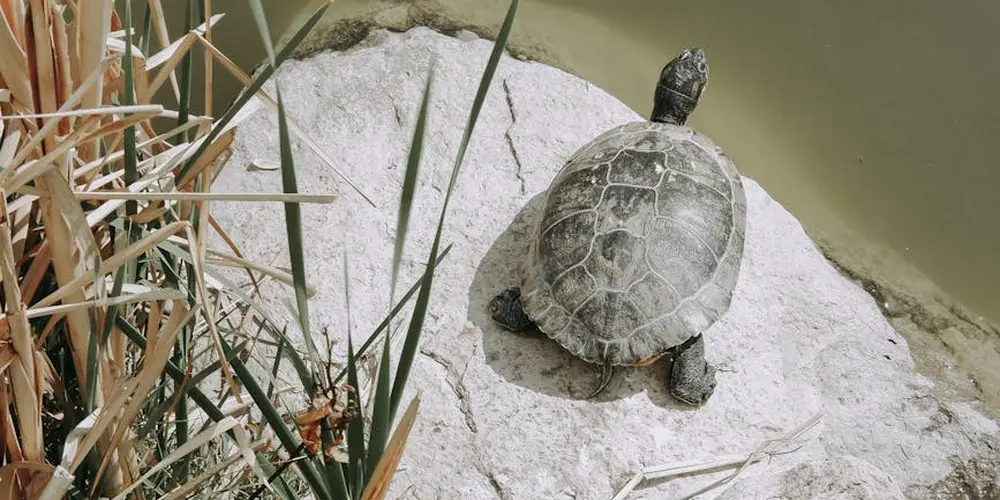
Dehydration is a common and dangerous complication in sick turtles. Proper hydration is the cornerstone of supportive care, often making the biggest initial difference. My Greek tortoise, Bronte, once bounced back from a mild illness largely due to diligent rehydration.
Rehydration Methods
- Warm Water Soaks: The gentlest and most effective method for many turtles.
- Oral Fluids: For turtles too weak to drink on their own.
- Electrolyte Solutions: Specially formulated reptile electrolytes can aid recovery.
Preparing the Hydration Environment
The details matter immensely for a stressed animal. Always use dechlorinated water warmed to a precise 80-85°F (27-29°C). I test it with a thermometer on my wrist, like you would for a baby’s bath.
- Select a small, clean container they cannot climb out of easily.
- Fill it with just enough lukewarm, dechlorinated water to reach the bottom of their shell.
- Place the container in a warm, quiet, and draft-free area of your home.
- Soak for 15-20 minutes, never leaving them unattended.
Gentle Fluid Administration Techniques
If your turtle isn’t drinking, you may need to assist. Patience and a calm demeanor are your most important tools here. I’ve found that speaking softly and moving slowly prevents additional stress.
- Use a small, plastic syringe without a needle.
- Gently drip water onto the tip of their nose or into the side of their mouth.
- Allow them to swallow between small drops; never force large amounts.
- Offer these hydration sessions 2-3 times daily, depending on their condition.
Feeding Strategies for a Weak Turtle
When a turtle feels unwell, their appetite often dwindles, making every bite count. Focus on soft, nutrient-rich foods that are gentle on their digestive system to support recovery without added strain. From my experience with Bronte, my Greek Tortoise, who once battled a respiratory infection, I found that offering mashed, cooked sweet potato or softened commercial pellets helped her regain strength steadily. It’s equally important to source and prepare fresh foods properly for your turtle’s overall health.
- Easily digestible options include pureed squash, finely chopped leafy greens soaked in water, and high-quality baby food without additives like pureed carrots or green beans.
- For protein, try small amounts of scrambled egg or soaked, low-fat dog food (only as a temporary measure), but always check with a vet for species-specific needs.
- Avoid hard or fibrous items like raw carrots or seeds, which can cause blockages or discomfort in a weakened state.
If your turtle refuses to eat, syringe feeding might be necessary to deliver essential nutrients. Why your turtle isn’t eating can vary—from stress to health issues. Encouraging small, frequent meals can help them start eating again. Use a small, blunt-tipped syringe filled with a liquid diet, such as a vet-recommended critical care formula or blended vegetables, to ensure they get the calories they need. I’ve done this with Orwell, my Box Turtle, when he was lethargic—it takes patience, but it can be a lifesaver.
- Prepare the food by blending it into a smooth, thin paste to prevent choking.
- Gently hold the turtle and slowly insert the syringe tip into the side of their mouth, aiming for the back of the throat.
- Administer small amounts, pausing to let them swallow, and never force it to avoid stress or aspiration.
- Clean the syringe thoroughly after each use to prevent bacterial growth.
Stimulating appetite can make a big difference in their recovery journey. Offer food at warm times of day, hand-feed with their favorite treats, or provide a shallow warm bath beforehand to boost circulation and interest in eating. Watch for signs like increased movement toward food or more active tongue flicks, and keep a simple log of what they consume to share with your vet.
- Try varying textures and temperatures, like slightly warmed purees, to entice picky eaters.
- Reduce stress by feeding in a quiet, familiar spot, and avoid sudden movements that could startle them.
- Monitor their weight weekly with a small scale to catch any declines early and adjust care as needed.
Creating a Comfortable Healing Environment
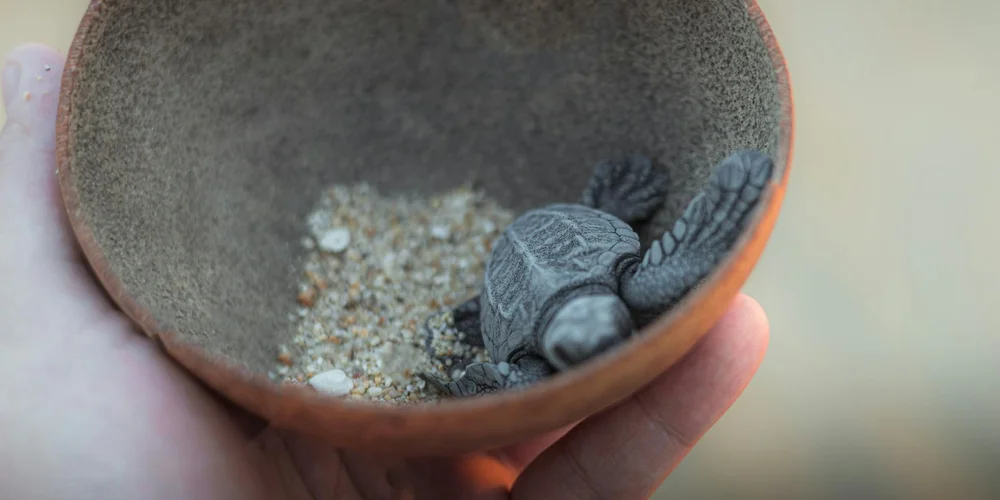
A calm, tailored habitat is crucial for a sick turtle to heal without extra stressors. In illness, many keepers set up a hospital tank to stabilize water quality and temperature during recovery. This dedicated space helps minimize stress and makes monitoring easier. Adjust the temperature to a steady, slightly warmer range than usual, around 80-85°F for the basking area, to support their immune system and digestion. With Austen, my Russian Tortoise, I noticed he perked up when I kept his enclosure cozy but not overheated, mimicking the gentle warmth of a sunny day.
- Maintain humidity levels specific to their species-low for Russians like Austen, moderate for Greeks like Bronte, and higher for Box Turtles like Orwell-using a hygrometer to avoid respiratory issues.
- Ensure UVB lighting is on for 10-12 hours daily to aid calcium absorption and overall vitality, but position it to prevent direct glare that could cause discomfort.
Bedding choices should prioritize softness and cleanliness to prevent infections or shell irritation. Opt for materials like damp paper towels, coconut coir, or cypress mulch that provide cushioning and are easy to replace when soiled. I always check for rough edges in Orwell’s enclosure, as his shell is more sensitive, and swap out bedding at the first sign of dampness to keep him dry and content.
- Include a hide box or sheltered area where they can retreat to feel secure, reducing anxiety that slows healing.
- Minimize handling and loud noises, and place the habitat in a low-traffic part of your home to foster a peaceful atmosphere.
Clean water is non-negotiable, especially for species that spend time in it. Change water daily in shallow dishes or tanks, using dechlorinated water to avoid skin or shell problems, and scrub containers weekly to prevent bacterial buildup. For noise reduction, I’ve found that placing a soft towel under Bronte’s enclosure dampens vibrations and helps her rest better, speeding up her recovery.
- Use a small filter for aquatic setups to maintain clarity, but ensure flow is gentle to not overwhelm a weak turtle.
- Keep background sounds low, like turning off loud TVs or music, to mimic the quiet of their natural environment and reduce stress-induced setbacks.
Monitoring Progress and Knowing When to Seek Help
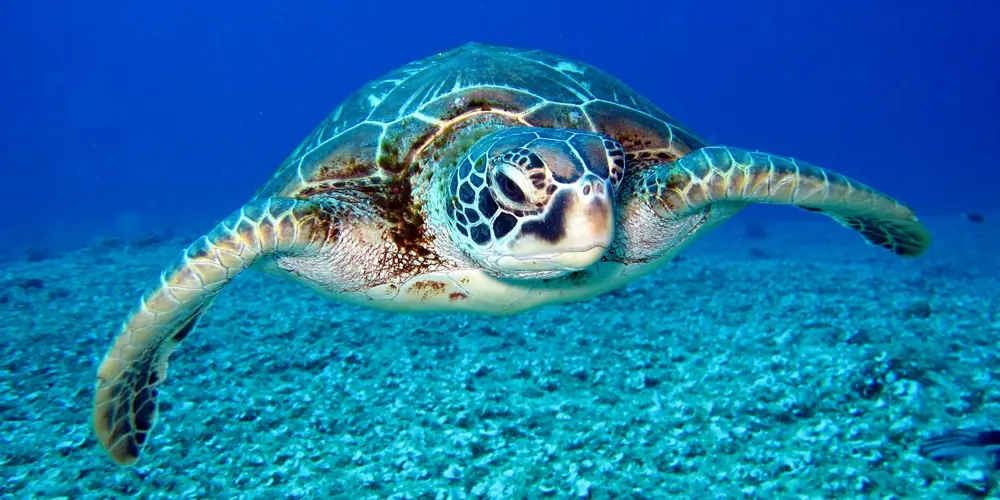
Watching your turtle’s daily habits is your most powerful tool for gauging their recovery. I keep a simple notebook for each of my turtles, jotting down small victories like a few extra bites of food or a more active afternoon. This helps you see the subtle trends that are easy to miss day-to-day. During the first 30 days, use these notes as a week-by-week survival manual for your new pet turtle. Track feeding, lighting, and activity to guide your day-to-day care decisions.
How to Track Improvements
- Hydration: Check for clear, alert eyes and skin that springs back gently when you touch it. A well-hydrated turtle will also pass urates that are soft and white, not chalky and hard.
- Feeding: Note any interest in food, even if they don’t eat much. Track the types of food they show preference for, as this can guide your future feeding efforts.
- Behavior: Look for a return to normal routines. Is your turtle basking regularly? Are they more responsive when you approach their enclosure? These are positive signs of returning comfort.
Red Flags That Require a Veterinarian
While home care is vital, some symptoms are clear signals to seek professional help immediately. I learned this the hard way when my Greek tortoise, Bronte, once refused food for over a week despite my best efforts; a vet visit revealed a parasite issue we couldn’t have solved at home.
- No improvement in appetite or energy after 3-4 days of supportive care.
- Labored breathing, wheezing, or bubbles from the nose or mouth.
- Swollen eyes that remain shut or any visible injury or wound.
- Signs of paralysis, an inability to right themselves, or listing to one side when swimming.
- Prolonged lethargy where your turtle seems completely unresponsive.
Trust your instincts. You know your turtle’s normal behavior better than anyone, and if something feels deeply wrong, it is always better to err on the side of caution. An exotic animal veterinarian has the tools and knowledge to diagnose internal problems we simply cannot see. Watch for signs your turtle needs vet care. Common red flags include lethargy, loss of appetite, shell changes, or breathing difficulties.
A Gentle Reminder: Turtle Care in Cartoons
We’ve all seen them-the cartoon turtles living in dry terrariums, munching on lettuce, and moving at a comically slow pace. While these depictions are charming, they often gloss over the nuanced care these complex creatures truly need.
Imagine a cartoon where the turtle character is offered a slice of pizza. It’s funny on screen, but it perfectly illustrates a common real-life mistake. In my own experience, I’ve had to gently educate well-meaning visitors that my tortoises, Austen and Orwell, require specific leafy greens and vegetables, not human snack foods. This simple cartoon scenario reinforces why we must be mindful of their specialized diets.
- Hydration: A cartoon turtle might never be shown near water, but in reality, proper soaking is a non-negotiable part of their hydration and health.
- Comfort: Animated turtles are often shown in bare, simplistic enclosures. This reminds us that in real life, they thrive with proper substrate for digging, hiding spots for security, and the right temperature gradient.
Using these lighthearted examples can make the learning process less stressful. It reframes a potential “mistake” as a common misconception, reducing the guilt an owner might feel and empowering them with better knowledge. The goal isn’t to achieve cartoon perfection, but to provide a life of genuine comfort and well-being for your shelled friend.
FAQs
What are the key elements of supportive care for a sick turtle?
Focus on maintaining hydration with regular warm soaks and providing soft, nutrient-rich foods to aid digestion. Ensure their environment is quiet, warm, and clean to reduce stress and support immune function.
How can I encourage my turtle to drink water when it’s sick?
Offer gentle soaks in dechlorinated water and use a syringe to drip water onto their nose if they’re too weak. Always monitor their response and adjust frequency based on their hydration needs.
What should I avoid doing when my turtle is unwell?
Avoid handling them excessively and do not offer hard or inappropriate foods that could cause blockages. Refrain from using human medications or drastic habitat changes without veterinary guidance.
Why do cartoons often misrepresent turtle care?
Cartoons prioritize humor and simplicity, frequently depicting turtles in bare enclosures or eating unsuitable foods like lettuce. These inaccuracies can lead to real-world misunderstandings about their complex care requirements.
How can I use cartoon inaccuracies to teach proper turtle husbandry?
Point out cartoon scenes as examples to discuss why real turtles need specific diets, hydration, and habitats. This method makes education relatable and helps prevent common care mistakes. Proper care is essential for their well-being, so it’s crucial to understand how to care for land and aquatic turtles in real life.
Your Role in Your Turtle’s Recovery
Your primary job is to ensure your turtle stays hydrated, receives gentle nutrition, and rests in a quiet, stress-free environment. These simple acts of supportive care are the most powerful medicine you can provide while their body works to heal. When bringing home a rescue turtle, the first month is a critical rehabilitation period. Follow the First Month Rescue Turtle Guide, focusing on hydration, gentle feeding, and a calm, stable environment.
Being a proactive and informed turtle guardian is the greatest gift you can give your shelled companion. I encourage you to keep learning, stay observant of their behaviors, and always consult with a reptile-savvy veterinarian when in doubt. If you’re preparing for your turtle’s first vet visit, gather any prior health records and note changes in appetite or shell condition. Bring a list of questions to discuss with the veterinarian to help the visit go smoothly.
Further Reading & Sources
- Feeding the Hospitalized Turtle or Tortoise – LafeberVet
- What To Do When Your Turtle Gets Sick (Real Talk) – The Turtle Hub
- Tortoise Trust Web – Nursing sick tortoises
- CARE AND MANAGEMENT OF CAPTIVE SICK CHELONIANS | British Chelonia Group
Matthew is a dedicated turtle enthusiast and conservationist with over 15 years of experience in reptile care. Known affectionately as "The Leatherback" among his peers, he combines his passion for turtles with a commitment to educating pet owners on responsible turtle care and environmental stewardship.
Signs of Illness