
Turtle Enrichment: 15 Ways to Prevent Boredom in the Tank
Published on: February 21, 2026 | Last Updated: February 21, 2026
Written By: Matthew The
Have you ever watched your turtle and wondered if it feels as listless as it looks, stuck in the same tank day after day? I’ve asked myself that many times while observing Austen, my Russian Tortoise, and it’s a worry that can keep any caring owner up at night.
This article will guide you through habitat enhancements, feeding innovations, social opportunities, sensory stimulations, and playful activities to transform your turtle’s life from dull to dynamic.
Why Turtle Enrichment Matters for a Happy, Healthy Pet
Enrichment keeps your turtle from feeling bored or stressed, which can harm their health over time. Just like us, turtles thrive when their environment offers variety and challenges. Without it, they might show signs like pacing, lack of appetite, or hiding too much.
I saw this firsthand with Bronte, my Greek tortoise-she used to stay in one corner until I added a few simple changes, and now she explores her space with a graceful curiosity that warms my heart. Small tweaks in their habitat can transform a turtle’s daily routine from dull to dynamic.
Key benefits include mental stimulation that sharpens their problem-solving skills and promotes natural behaviors like foraging and basking. By mimicking their wild instincts, you help your pet feel more secure and engaged. This approach supports overall well-being and can even extend their lifespan by reducing stress-related issues.
Simple Enrichment Ideas to Spark Your Turtle’s Curiosity

Here are five easy ways to enrich your turtle’s life, whether they’re aquatic like many pets or land-dwelling tortoises like my own. Always start with one change at a time to avoid overwhelming your turtle, and check for safety hazards like sharp edges. These tips are part of our care land aquatic turtles essential guide, a practical resource for caring for both aquatic and land-dwelling turtles. For a complete reference, explore the guide’s sections on habitat, diet, and enrichment.
- Rotate Tank Decor Weekly
- Remove a few items from the tank or enclosure and replace them with new or rearranged ones.
- Use natural elements like smooth rocks or driftwood to keep things interesting.
- Observe how your turtle reacts-Austen, my Russian tortoise, loves investigating new layouts with his gentle pace.
- Add Multiple Hiding Spots
- Place hideaways in different areas, such as under plants or in half-logs.
- Ensure they’re spacious enough for your turtle to enter and exit easily.
- This works for aquatic turtles who need cover and tortoises like Bronte who enjoy quiet retreats.
- Introduce Food Puzzles
- Hide treats in a puzzle feeder or scatter them in substrate for foraging.
- Start with easy puzzles and gradually increase difficulty as your turtle learns.
- Orwell, my box turtle, perks up when he has to “hunt” for his meals-it taps into his intelligent nature.
- Vary Textures and Substrates
- Mix materials like sand, soil, or smooth stones to create different walking surfaces.
- Include items for climbing, such as low ramps or flat rocks.
- This encourages exploration and is safe for both aquatic and terrestrial species.
- Use Interactive Objects
- Offer floating toys for aquatic turtles or small, movable items for tortoises to push around.
- Choose non-toxic, durable objects that can’t be swallowed.
- Monitor playtime to ensure it’s stimulating without causing frustration.
These ideas are simple to set up and can make a big difference in your pet’s happiness. To support your turtle’s well-being, create safe basking spots and cozy hiding areas. These additions help regulate temperature and reduce stress. By focusing on safety and gradual changes, you’ll see your turtle become more active and content in no time.
Feeding Enrichment for Mental and Physical Stimulation
Feeding time shouldn’t just be about dropping food in the water. Transforming meals into engaging puzzles provides critical mental exercise and slows down eating, which is great for digestion. My Russian tortoise, Austen, gets visibly more animated when he has to “work” for his snack.
For aquatic turtles, try these food-based challenges:
- Hang leafy greens like romaine lettuce from a veggie clip, forcing them to tug and pull.
- Place live foods like feeder fish or crickets in the tank to encourage natural hunting behaviors.
- Use a floating puzzle feeder where they must nudge levers to release small pieces of shrimp or turtle pellets.
For land-dwellers like my Greek tortoise, Bronte, enrichment looks different:
- Scatter their daily salad throughout the enclosure, hidden under safe leaves or partially buried in substrate to promote foraging.
- Offer edible, pesticide-free flowers like hibiscus or dandelions tucked into different corners.
- Place a smooth, clean rock in the food dish to make them navigate around it for their meal.
Always supervise the first few uses of any new foraging toy to ensure your turtle interacts with it safely and doesn’t get frustrated. Be mindful of common turtle feeding mistakes and avoid them. Variety is the spice of life, so rotate between 2-3 different feeding methods each week to keep things fresh and exciting for them. Keep portions balanced and offer a mix of foods to support overall health.
Creating a Naturalistic Habitat to Mimic the Wild
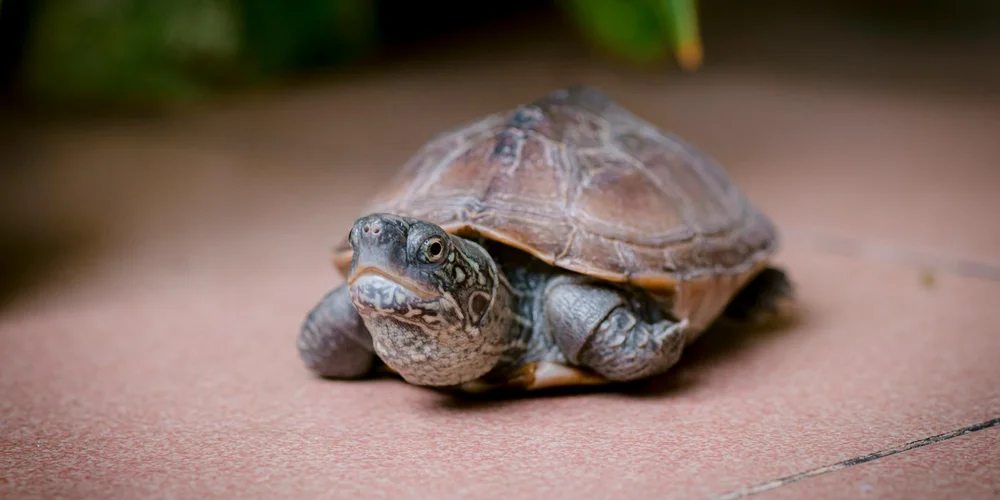
A sterile tank is a boring tank. Building a complex, naturalistic environment satisfies their innate curiosity and provides endless opportunities for exploration. Watching my box turtle, Orwell, methodically patrol his terrain is a daily joy.
Start with a varied substrate. Use a mix of:
- Coconut coir for burrowing species.
- Smooth river rocks in the aquatic area for traction.
- Orchid bark or cypress mulch for land areas to hold humidity.
Incorporate live, turtle-safe plants. They serve dual purposes:
- Spider plants and pothos (elevated out of reach) help filter the air and provide visual barriers.
- Edible plants like wheatgrass or certain succulents offer a healthy, interactive snack.
- Java fern or anubias in aquatic setups give shy turtles places to hide and rest.
Simulate the great outdoors by creating a multi-level landscape.
- Construct a sturdy basking area with a gentle ramp, using slate tiles that retain heat beautifully.
- Add cork rounds, smooth branches, and flat rocks to create climbing structures and tunnels.
- Rearrange these elements every few months to create a “new” territory for them to investigate.
Proper UVB lighting is non-negotiable enrichment; it allows them to properly metabolize calcium and behave as they would under the sun. Pair this with crystal-clean water, maintained by a robust filtration system, to complete a habitat that truly supports their physical and psychological well-being.
DIY Enrichment Projects Using Safe, Everyday Materials
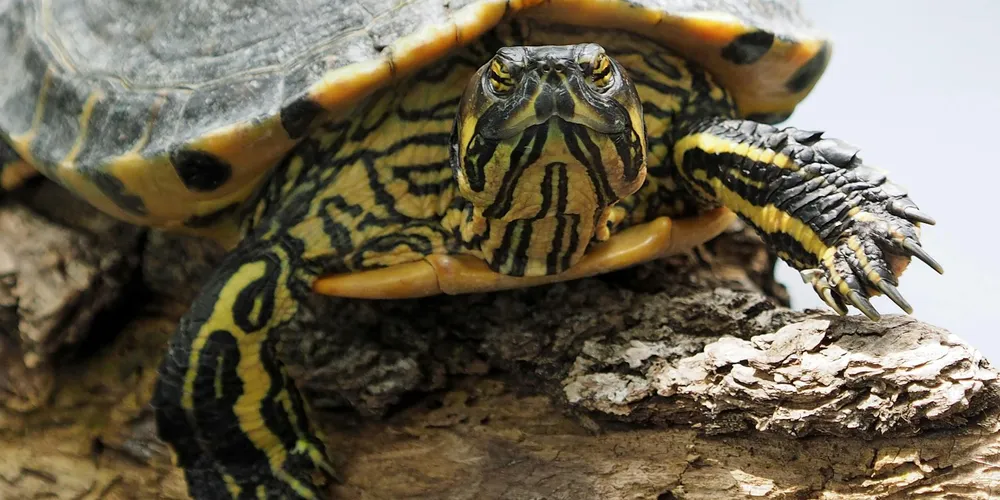
You don’t need a big budget to create a stimulating environment. Some of the most engaging items for my turtles were made from things I already had around the house. The key is to ensure every material is non-toxic and safe for prolonged exposure to heat and humidity. This is all part of creating a naturalistic turtle habitat with proper decor. Think driftwood, rocks, and safe plants to mimic their native environment.
Simple Homemade Toy Ideas
- Floating Veggie Kabob: Skewer leafy greens and safe fruits onto a untreated, smooth wooden dowel placed across the tank.
- Ping Pong Ball Pit: Drop a few clean ping pong balls into the water; my tortoises, Austen and Bronte, love nudging them around.
- Terracotta Hidey-Holes: Use small, clean terracotta pots laid on their sides to create instant, cool caves for exploring and resting.
Step-by-Step DIY Projects
Project 1: The Floating Foraging Raft
This project encourages natural surface feeding behavior.
- Find a clean, untreated cork trivet or a flat piece of cork board.
- Drill a small hole in one edge and thread a piece of natural, unwaxed cotton string through it.
- Secure the other end of the string to a suction cup attached to the tank wall, allowing the raft to float freely.
- Place small pieces of food, like dandelion greens or a blueberry, on the raft. Watching my Greek tortoise, Bronte, carefully navigate to her floating snack is a daily delight.
Project 2: The PVC Pipe Maze
This creates a fantastic and safe exploratory tunnel system.
- Gather a few short lengths of wide-diameter PVC pipe, ensuring they are large enough for your turtle to turn around in comfortably.
- Thoroughly wash the pipes with hot water and a vinegar solution-no soap.
- Arrange the pipes in a simple “T” or cross pattern in a dry area of the habitat, burying them slightly in the substrate to prevent shifting.
- My box turtle, Orwell, spends hours methodically patrolling his personal tunnel network.
Monitoring for Safety
A fun toy today can be a hazard tomorrow. I make it a habit to do a quick “safety scan” of all enrichment items during my weekly full tank clean. Look for sharp edges, small bits that could break off, or any signs of mold. If something looks worn, replace it immediately. Your turtle’s safety is always the top priority.
Managing Enrichment to Avoid Stress and Overstimulation
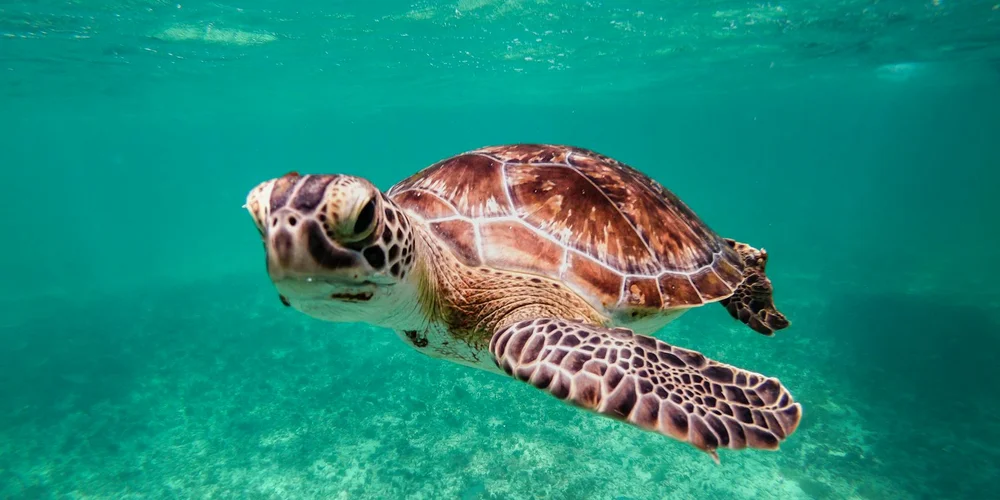
More isn’t always better. Just like us, turtles can get overwhelmed by a cluttered or constantly changing environment. The goal is engagement, not exhaustion.
Recognizing the Signs of Stress
It’s vital to know when your turtle is telling you it’s had enough. Watch for these behaviors:
- Persistent hiding and refusal to come out, even for food.
- Frantic swimming or pacing against the tank walls.
- A sudden lack of appetite that isn’t related to other health issues.
- Hissing or retreating into its shell when you approach, which is unusual for them.
If you see these signs, the first step is to simplify the habitat by removing a few enrichment items. Give your pet a couple of days to adjust before slowly reintroducing things one at a time.
The Power of an Enrichment Schedule
Random changes can be stressful. I’ve found that my three turtles thrive on a predictable rotation. I don’t change everything at once. Instead, I have a small bin of different enrichment items. Every Sunday, I swap out two or three things. One week it might be the PVC maze and the floating raft; the next, it’s the ping pong balls and a new terracotta pot configuration. This keeps their world interesting without making it unfamiliar.
Fine-Tuning Through Observation
Your turtle is the best guide for what it enjoys. Spend ten minutes each day simply watching how your turtle interacts with its home. It’s especially crucial during the initial settling period — make sure to check out our first week checklist to cover all essential tasks. Does it consistently climb on a certain rock? Consider adding more stable climbing opportunities. Does it completely ignore a new toy? Try a different type of enrichment. This process of observation and adjustment is how I learned that Austen loves a good scratch on his shell, while Bronte prefers her solitude. It’s a continuous, rewarding conversation with your pet.
FAQs
What are safe substrates for turtle enrichment?
Safe substrates include coconut coir, smooth river rocks, and orchid bark, which allow for natural digging and climbing. For nesting, a loose non-toxic substrate supports digging and nest-site selection. Always choose non-toxic materials that won’t cause impaction or injury to your turtle.
How to design rotating toys for aquatic turtles?
Create a collection of simple toys like floating balls or PVC mazes that can be swapped out regularly. Rotate these items every week to keep your turtle engaged without making the environment feel unfamiliar. DIY enrichment toys can add variety and stimulation.
How to simulate outdoor basking within an indoor habitat for enrichment?
Set up a basking area with a heat lamp and UVB light over a flat rock or slate tile to mimic natural sunlight. Add surrounding plants or hides to create a cozy, stimulating spot that encourages regular basking behavior.
What are signs of stress in turtles and how to avoid enrichment causing stress?
Common stress signs include loss of appetite, excessive hiding, or frantic swimming. To prevent this, introduce new enrichment slowly and monitor your turtle’s reactions, removing any items that seem to cause anxiety. If your turtle is acting strange, this can be part of a behavioral diagnostic checklist to help identify whether the issue is environmental or medical. Use the checklist to note changes in appetite, activity, and tank conditions, and seek veterinary advice if warnings persist.
How often should enrichment be changed for turtles?
Enrichment should be rotated on a weekly basis to maintain interest and prevent boredom. Avoid making too many changes at once to help your turtle adjust comfortably to the updates.
Your Turtle’s Tank Can Be a World of Wonder
Providing a mix of physical, sensory, and feeding enrichment is the key to a happy, active turtle. By rotating new activities and observing your pet’s reactions, you turn their home into a dynamic environment that stimulates their natural behaviors. Enrichment activities keep pet turtles active and healthy by encouraging movement and exploration. Regularly vary activities to help maintain fitness and engagement.
Caring for a turtle is a long-term commitment that thrives on your willingness to learn and adapt. Stay curious, keep researching their specific needs, and you’ll be rewarded with a thriving companion for years to come.
Further Reading & Sources
- Turtle Enrichment: Your Turtle’s Need For Play: redearedsliders – LiveJournal
- Need some turtle enrichment : r/turtle
- Toys & Activities For Turtles Information | Box Turtles
- Turtle Enrichment Ideas
Matthew is a dedicated turtle enthusiast and conservationist with over 15 years of experience in reptile care. Known affectionately as "The Leatherback" among his peers, he combines his passion for turtles with a commitment to educating pet owners on responsible turtle care and environmental stewardship.
Interactive Toys