
UVB Bulbs: Mercury Vapor vs. Compact Fluorescent vs. Linear Tubes
Published on: March 1, 2026 | Last Updated: March 1, 2026
Written By: Matthew The
Choosing the right UVB bulb can feel overwhelming, and getting it wrong can directly impact your pet’s health and happiness.
From my years of caring for my own shelled family, I know that light is more than just illumination-it’s a vital nutrient. I’ve tested these bulbs myself and learned what truly works in a real home habitat.
This guide will cover: bulb types, key pros and cons, setup and safety, and my personal recommendations for different pets.
Understanding UVB Light for Turtles
UVB bulbs produce ultraviolet B light, a specific wavelength that turtles rely on for their health. Without UVB, turtles can develop serious issues like metabolic bone disease, which I’ve seen in neglected rescues. In the wild, they bask in sunlight, but indoors, bulbs mimic this essential exposure. However, even with indoor lighting, it’s crucial to avoid common UVB lighting mistakes that can harm your turtles.
UVB light triggers vitamin D3 synthesis in a turtle’s skin. This vitamin D3 lets turtles absorb calcium from their diet, building strong shells and bones. My tortoise Austen thrives because I ensure his UVB setup supports this natural process, preventing deficiencies.
- Soft or deformed shells from poor calcium absorption
- Lethargy and reduced activity levels
- Loss of appetite and weight decline
- Swollen limbs or difficulty moving
UVB and UVA light serve different roles for reptiles. UVB focuses on physiological health, while UVA influences behavior, like stimulating appetite and breeding instincts. Orwell, my box turtle, becomes more active under full-spectrum lighting that includes both, showing how UVA enriches his daily life. Observing how his coloration shifts with different lighting can help us interpret his body language, revealing cues of comfort, curiosity, or stress. Subtle changes in hue or brightness on the shell or skin often accompany these moments, like a brighter tone when basking or a duller tone when alert to potential threats.
Comparing the Three Main UVB Bulb Types
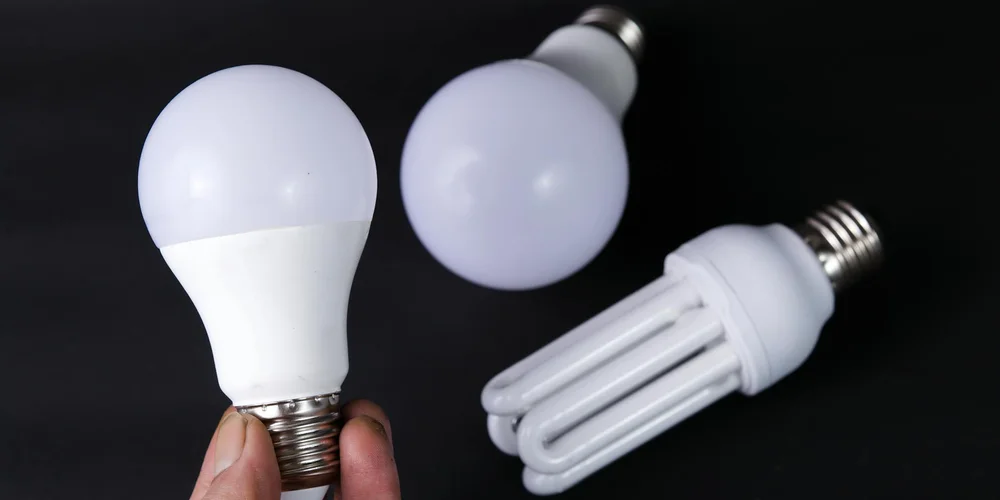
| Bulb Type | Spectrum | UVB Output | Heat Emission | Efficiency | Bulb Lifespan |
|---|---|---|---|---|---|
| Mercury Vapor | Broad, includes UVA and UVB | High | Significant | Moderate | 6-12 months |
| Compact Fluorescent | Narrower, focused on UVB | Moderate | Low | High | 6-9 months |
| Linear Tube | Even, consistent spectrum | Variable (good to high) | Low | Very high | 9-12 months |
Each bulb type has unique advantages and drawbacks for turtle habitats. Choosing the right one depends on your enclosure size, turtle species, and heating needs to avoid health risks. I always check ballast compatibility-some bulbs need external ballasts to function safely and efficiently.
- Mercury vapor bulbs offer combined heat and UVB but require careful placement
- Compact fluorescents are energy-efficient but may not suit large spaces
- Linear tubes provide uniform light but need additional heat sources
Mercury Vapor Bulbs
Mercury vapor bulbs act as all-in-one basking lamps, emitting both UVB and radiant warmth. This dual function simplifies setups, which I appreciate for Bronte’s enclosure where space is limited. Their high intensity delivers a UV index ideal for most turtles, supporting natural basking behaviors.
- High light intensity mimics sunny conditions
- Appropriate for species needing strong UVB exposure
- Can cause burns if placed too close-keep a safe distance
- Monitor temperatures to prevent overheating in small tanks
Compact Fluorescent Bulbs
Compact fluorescent bulbs provide UVB with minimal heat, making them safe for smaller setups. I’ve used these for Orwell’s terrarium because they prevent excess warmth in confined areas. They typically need replacement every 6-9 months, as UVB output declines over time.
- Effective for supplemental UVB without raising enclosure temperatures
- Common in compact habitats or as secondary light sources
- Light intensity may vary, requiring regular checks for consistency
- Ensure proper spectrum to avoid gaps in UVB coverage
Linear Tube Bulbs
Linear tube bulbs distribute light evenly, perfect for larger enclosures like the one I built for Austen. Their spectrum remains stable throughout their lifespan, offering reliable UVB for up to a year. You will need a separate heat lamp, as they emit little warmth, and a reflector boosts efficiency by directing light downward.
- Ideal for wide basking areas to prevent shadow spots
- Energy-efficient and long-lasting with consistent performance
- Pair with ceramic heat emitters or basking bulbs for optimal temperatures
- Use reflectors to maximize UVB penetration and reduce waste
Choosing the Right UVB Bulb for Your Setup
Selecting the perfect UVB bulb feels like matching a key to a lock; it must fit your specific situation. Your turtle’s species, age, and enclosure size are the three pillars of this decision. In diagnosing your turtle’s habitat, use a quick Turtle habitat checklist for lighting, heat, and water to dial in the perfect setup.
- Identify Your Turtle’s Species Needs: High-dwelling species like many aquatic turtles need stronger UVB (mercury vapor or linear tubes). My Russian tortoise, Austen, thrives with a moderate linear tube, while my aquatic setup for a previous turtle required a powerful mercury vapor bulb.
- Consider Your Turtle’s Age: Hatchlings and juveniles are building their bones and generally require more consistent, robust UVB exposure than some adults. Think of it as foundational support.
- Measure Your Enclosure: A long, low tank is ideal for a linear fluorescent tube, while a tall, spacious habitat can better handle the intense, focused output of a mercury vapor bulb.
Wattage isn’t just about brightness; it’s about delivering the correct UV Index at the right distance. You must balance the bulb’s power with the distance to your turtle’s basking spot. These practices help you create the perfect basking area for your aquatic turtle. A well-designed basking spot supports shell health and overall vitality. A higher wattage bulb must be placed farther away to prevent overexposure, while a lower wattage bulb needs to be closer to be effective. I always use a UV index meter to check this; aiming for a UVI of 3.0-5.0 at the basking site is my personal sweet spot.
A reflector is a simple, often overlooked tool that dramatically boosts efficiency. I consider a reflector non-negotiable for linear tubes and compact fluorescents, as it directs wasted light downward where your turtle needs it. It can effectively double the UVB output reaching your pet, ensuring they get the full benefit without you needing a stronger, more expensive bulb. For mercury vapor bulbs, which are self-contained and directional, a reflector is usually built-in. Equally essential are filtration systems that keep turtle water clean. Clean water ensures your lighting and basking setup work as intended.
Let me share a few setups from my own experience. For my box turtle Orwell’s woodland enclosure, a single T5 HO linear tube with a reflector spans the entire habitat, creating a lovely gradient. For a previous large aquatic turtle tank, a mercury vapor bulb provided intense, localized heat and UVB perfect for a powerful basker. In my tortoises’ table, a combination of a linear UVB tube and a separate basking lamp creates a naturalistic sun patch, complementing well-designed basking and hiding areas.
Proper Placement and Distance Guidance
Getting the distance wrong is the most common mistake I see, and it can lead to serious health issues or ineffective lighting. Precise placement protects your turtle from thermal burns and ensures they synthesize enough Vitamin D3.
Here is my specific distance guidance, but always defer to your bulb manufacturer’s instructions and verify with a meter.
- Mercury Vapor Bulbs: These are powerful. I never place them closer than 12 inches from the shell, and for higher wattages, 16-18 inches is safer. The heat they produce is immense.
- Linear Fluorescent Tubes (T5 HO): With a good reflector, these can be 12-15 inches above the basking area. Without a reflector, you may need to reduce that distance to 8-10 inches, but this is less ideal.
- Compact Fluorescent Bulbs: These can create concentrated UVB spots. I keep them at least 10-12 inches away to prevent overexposure, especially for species with more sensitive eyes.
Guessing distances is a gamble you shouldn’t take. Investing in a Solarmeter 6.5 to measure the UV index at the basking spot is the single best thing I’ve ever done for my turtles’ long-term health. You simply hold the sensor where your turtle’s shell would be and read the number. Adjust the bulb’s height until you hit that target UVI of 3.0-5.0 for most species. It takes all the uncertainty out of the equation.
Your turtle’s habitat shouldn’t have uniform lighting. Creating a gradient of light and UVB allows your turtle to self-regulate, moving between zones of high and low exposure just as they would in nature. UVB lighting is critical for turtles because it enables vitamin D3 production and calcium metabolism, supporting healthy shells and bones. Setting it up correctly ensures your turtle can access the right exposure for optimal health. Position the UVB bulb so it overlaps with the heat lamp at the basking site, creating a “sun” zone. The opposite end of the enclosure should have little to no direct UVB, providing a cool, shaded retreat. This setup gives your pet complete control over its environment.
Maintaining Your UVB Lighting System
Keeping your UVB setup in top condition ensures your turtle stays healthy and active.
-
Replacement Schedule Based on Bulb Lifespan
UVB output fades over time, even if the bulb still lights up. I replace mercury vapor bulbs every 12 months for my tortoises Austen and Bronte, as their output drops after about 9 months. Compact fluorescents need swapping every 6-9 months, while linear tubes last 6-12 months depending on use.
- Mercury Vapor: Annual replacement for consistent UVB levels.
- Compact Fluorescent: Change every 6-9 months to avoid weak output.
- Linear Tubes: Inspect every 6 months; replace if dimming occurs.
-
Routine Maintenance Steps
Dust and grime block UVB rays, reducing effectiveness. Wipe bulbs gently with a dry, soft cloth every two weeks to maintain clear light transmission. Check fixtures for loose connections or corrosion monthly to prevent electrical hazards.
- Turn off and cool the bulb before cleaning to avoid burns.
- Ensure fixtures are securely mounted away from water splashes.
- Replace any cracked or flickering bulbs immediately for safety.
-
Establishing a Consistent Photoperiod
Turtles thrive on predictable light cycles that mimic nature. Use an automatic timer to provide 12-14 hours of light daily, followed by 10-12 hours of darkness for rest. This rhythm helps Orwell, my box turtle, regulate his basking and sleep patterns without stress.
- Set lights to turn on at sunrise and off at dusk for realism.
- Adjust seasonally if needed, like longer “days” in summer.
Safety and Health Considerations

Proper UVB use prevents harm and supports your turtle’s well-being.
-
Safety Precautions to Avoid Risks
Overexposure can cause thermal burns or eye damage. Position bulbs at least 12-18 inches above the basking spot to distribute heat and UV evenly. Use guarded fixtures to prevent direct contact, and never stare at the bulb yourself to protect your eyes.
- Install a thermometer near the basking area to monitor temperatures.
- Avoid placing bulbs where turtles could climb too close.
- Wear gloves when handling bulbs to prevent skin exposure.
-
Monitoring Turtle Behavior for UVB Issues
Watch for clues that your setup needs tweaking. Too little UVB may cause soft shells or lethargy, while too much can lead to hiding or irritated eyes. Bronte, my Greek tortoise, once avoided her basking spot until I lowered the UVB intensity slightly.
- Signs of deficiency: Reduced appetite, sluggish movement, shell problems.
- Signs of excess: Squinting, avoiding light, restless pacing.
- Check behavior weekly and adjust lighting distance or duration as needed.
-
Personal Experiences with Setup Adjustments
I’ve fine-tuned my enclosures through trial and error. For Austen, I moved his linear tube higher after noticing he was overheating, which restored his gentle basking habits. With Orwell, adding a shade area let him retreat from UVB when he felt overwhelmed, respecting his reserved nature.
- Start with manufacturer guidelines, then observe and adapt based on your turtle’s personality.
- Keep a log of changes to track what works best over time.
FAQs
What animals need UVB bulbs?
UVB bulbs are essential for reptiles like turtles, tortoises, and lizards that cannot produce vitamin D3 without UVB exposure. These pets rely on it to prevent metabolic bone disease and maintain overall health.
How do UVB bulbs work?
UVB bulbs emit ultraviolet B light that penetrates a reptile’s skin, stimulating vitamin D3 synthesis. This process enables proper calcium absorption, which is vital for strong bones and shells in species like turtles. In captivity, vitamin deficiencies are common in pet turtles when UVB exposure is inadequate. Providing a proper UVB source helps prevent these deficiencies and supports healthy shell and bone development.
What is the difference between UVB and UVA?
UVB light focuses on physiological health by aiding vitamin D3 production for calcium metabolism. UVA light influences behavior, such as stimulating appetite and breeding instincts in reptiles.
Can UVB bulbs cause burns or eye damage?
Yes, improper placement of UVB bulbs can lead to thermal burns or eye damage in reptiles if they are too close. Always maintain recommended distances and use guarded fixtures to minimize risks.
Do UVB bulbs require a reflector?
Using a reflector with UVB bulbs, particularly linear tubes and compact fluorescents, significantly increases efficiency by directing light toward the basking area. For mercury vapor bulbs, reflectors are typically integrated, so additional ones may not be needed.
Your Turtle’s Bright Future Starts Here
Pick a UVB bulb that fits your turtle’s home and habits, like linear tubes for steady light in big tanks or mercury vapor for heat and UVB in one. Heating and lighting are essential requirements in a tortoise habitat. The right UVB and warmth support shell health and metabolism. I’ve watched my Greek tortoise Bronte thrive under a well-chosen bulb, so always measure UVB levels and swap bulbs before they dim to keep shell growth strong.
Staying informed about turtle care shows true dedication to your pet’s happiness and health. Learn the signs that your turtle may need veterinary care. Recognizing them helps you act quickly. Join me in learning from resources like vet guides or turtle clubs, because every small step you take makes a big difference in your turtle’s world.
Further Reading & Sources
- UV-B lamps – Wikipedia
- Understanding UVA, UVB, and UVC Reptile Lighting
- Choosing Ultraviolet Light Bulbs – UVA, UVB and UVC
- Lighting & UVB Education – Choosing a UVB Source | Zoo Med Laboratories, Inc.
Matthew is a dedicated turtle enthusiast and conservationist with over 15 years of experience in reptile care. Known affectionately as "The Leatherback" among his peers, he combines his passion for turtles with a commitment to educating pet owners on responsible turtle care and environmental stewardship.
Heating and Lighting