
How to Read Your Turtle’s Eye Movements and Blinking Patterns
Published on: January 17, 2026 | Last Updated: January 17, 2026
Written By: Matthew The
Have you ever caught your turtle blinking oddly and felt a wave of concern about its health or stress levels? I’ve been there too, watching my own turtles-Austen, Bronte, and Orwell-and learning that their eyes speak volumes about their well-being.
In this article, we’ll explore: normal blinking rhythms, stress indicators, health red flags, and practical care steps to keep your turtle happy and healthy.
The Anatomy of a Turtle’s Eye
When you look into your turtle’s eyes, you’re seeing a marvel of evolution designed for survival. Their eyes have a tough, protective layer called the cornea that helps them handle rough environments. I’ve noticed this with Austen, my Russian Tortoise; his eyes stay clear even when he’s burrowing in substrate. Inside, turtles have a lens and retina similar to ours, but they’re adapted for detecting movement and light changes in their habitats.
Turtles possess a nictitating membrane, or third eyelid, that sweeps across to moisten and protect the eye without fully closing it. This membrane acts like a built-in windshield wiper, keeping debris out while maintaining visibility. Observing Bronte, my Greek Tortoise, I’ve seen her use this during feeding to shield her eyes from stray bits of food. Their pupils can vary in shape, often round or slit-like, depending on the species and their activity patterns.
- Cornea: The outer clear layer that protects from scratches and dirt.
- Lens: Focuses light onto the retina for sharp vision in water and on land.
- Nictitating Membrane: A translucent third eyelid for lubrication and defense.
- Retina: Contains cells that help detect predators and prey efficiently.
Understanding this anatomy helps you appreciate why eye health is vital for their quality of life. Regular checks can prevent issues like infections or injuries that might go unnoticed. From my experience with Orwell, the Box Turtle, I learned that a well-hydrated environment supports healthy eye function, reducing stress on these delicate structures.
Normal Turtle Eye Behavior: The Signs of a Healthy Gaze
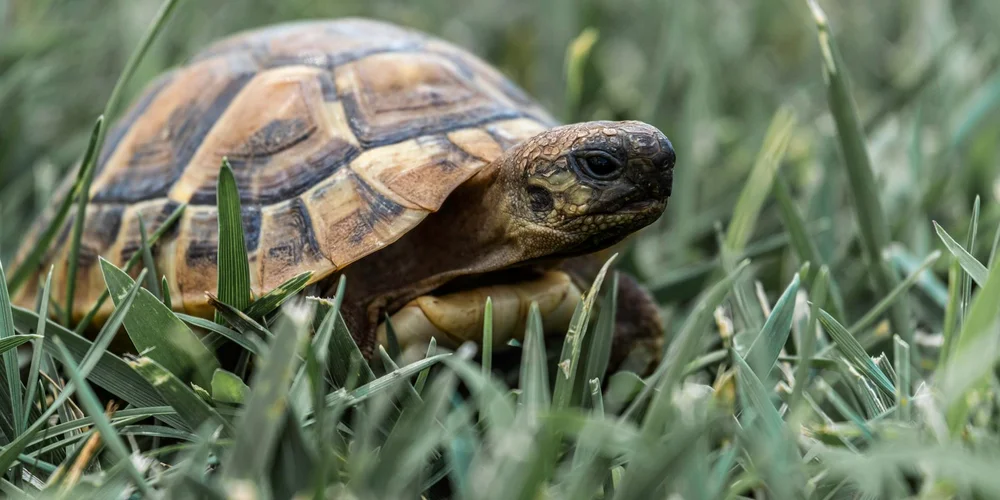
A healthy turtle’s eyes should be bright, clear, and free from discharge or swelling. You’ll often see slow, deliberate blinks that indicate relaxation and comfort. With Bronte, I’ve watched her blink rhythmically when basking under her heat lamp, a sign she’s content. Their eyes might move independently, scanning their surroundings for food or threats, which is perfectly normal behavior.
Blinking patterns vary by species and individual personality. Frequent, gentle blinking helps distribute tears and keep eyes moist, especially in dry conditions. Austen, for instance, blinks more when he’s exploring new areas, as if taking in the world piece by piece. If your turtle closes its eyes for short periods while awake, it could be a way to rest without full sleep.
- Clear, alert eyes with no cloudiness or redness.
- Slow, infrequent blinking that matches their calm demeanor.
- Responsive eye movements when you approach or offer food.
- No rubbing or scratching at the eyes, which suggests irritation.
Pay attention to how your turtle’s eyes react to light and movement. Healthy turtles will track objects with curiosity, not fear or avoidance. I recall Orwell perking up when I bring his favorite greens, his eyes following my hand with keen interest. Advocating for animal welfare, I urge you to monitor these signs closely; early detection of changes can prevent bigger health issues and ensure your turtle thrives in your care. If your turtle is acting strange, use this observation as the foundation of a quick behavioral diagnostic checklist. Note any deviations from normal behavior and seek veterinary advice if needed.
Reading the Signals: Eye Movements and Blinking as Health and Welfare Indicators
Think of your turtle’s eyes as tiny, expressive windows into their well-being. A healthy turtle’s blinking is slow, deliberate, and infrequent, like a calm, meditative gesture. My Russian tortoise, Austen, will often give a single, unhurried blink when he’s perfectly content, usually while basking under his lamp. It’s his way of saying, “All is well.”
Watch for the rhythm and the look in their eyes. A turtle that feels safe and comfortable will have bright, clear, and alert eyes. They will track movement with curiosity, not fear. You’ll notice a gentle, inquisitive movement as they observe you or their food, a sign of a happy and engaged mind. Color changes in the skin or shell can also signal how a turtle is feeling—darker when stressed, brighter when relaxed. Paying attention to these coloration shifts, along with eye and head movements, helps you understand their body language more fully. This is something I often see with my Greek tortoise, Bronte, who will tilt her head and follow my hand with a calm, steady gaze.
Conversely, abnormal blinking can be a red flag. Rapid, frantic blinking or a turtle that seems to be squeezing its eyes shut tightly often indicates irritation or discomfort. It’s a stark contrast to that peaceful, slow blink. If your turtle is keeping one eye closed more than the other, pay close attention; it’s a clear signal that something is wrong with that specific eye.
Common Eye Problems and Their Telltale Signs
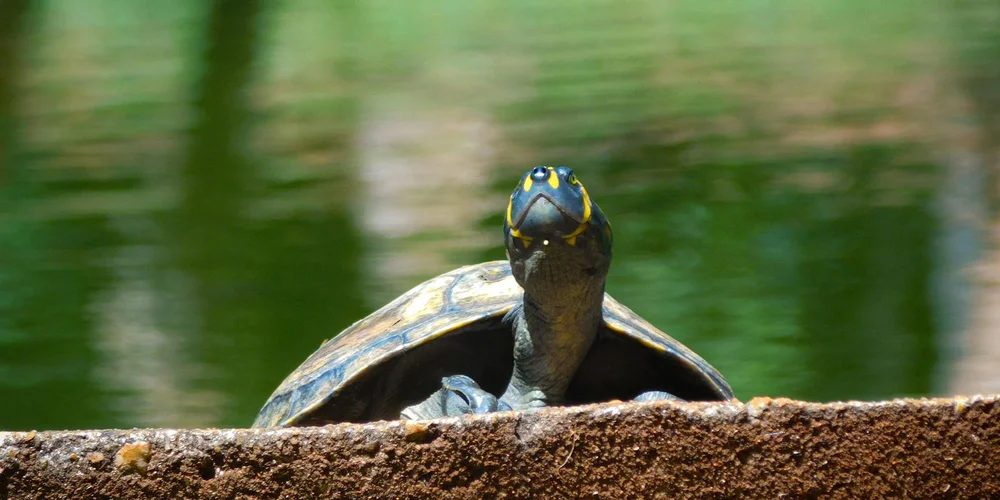
Catching an eye issue early is one of the most important things you can do for your turtle’s welfare. Here are the most common problems I’ve encountered over the years.
Swollen or Puffy Eyes
This is a classic symptom you cannot ignore. If your turtle’s eyes look swollen, puffy, or like they’re bulging, it’s a major cry for help. The eyelids may appear thickened, and the turtle will likely keep the affected eye shut.
- Primary Cause: Almost always linked to a Vitamin A deficiency.
- Other Possibilities: A respiratory infection that has spread to the eyes, or a localized injury or abscess.
Discharge or Crusting
Healthy turtle eyes are clean and dry. Any sign of discharge-whether it’s watery, thick, pus-like, or forms a crust around the eyelid-is a definite sign of infection. I once noticed a tiny bit of whitish crust on Orwell’s eye, and a quick vet visit confirmed a minor bacterial issue that was easily treated. It is essential to recognize when your turtle needs to see a vet.
- Watery Discharge: Can point to irritation from substrate dust or the beginnings of an infection.
- Thick, Pus-like Discharge: Strongly indicates a bacterial infection that requires veterinary-prescribed antibiotic drops.
Sunken Eyes
While swollen eyes are a common sight, sunken eyes are equally concerning. When a turtle’s eyes appear to be sinking back into their sockets, it is a severe sign of dehydration or systemic illness. The skin around the eyes may also look loose or wrinkled—such symptoms often indicate that your turtle is not feeling well and might require attention. It’s important to learn how to tell if your turtle is sick so you can provide timely care.
- Check your hydration setup immediately. Is the water clean and accessible?
- Soaking your turtle in shallow, lukewarm water can provide immediate relief, but a vet visit is crucial to address the underlying cause.
Inability to Open Eyes
A turtle that cannot or will not open one or both eyes needs your immediate attention. This is not simple sleepiness; it is a symptom of significant pain or severe swelling.
- It could be an advanced infection.
- It could be a piece of substrate or debris lodged under the eyelid.
- It could be a symptom of overall weakness from another illness.
How Your Turtle’s Environment Shapes Its Vision and Eye Behavior
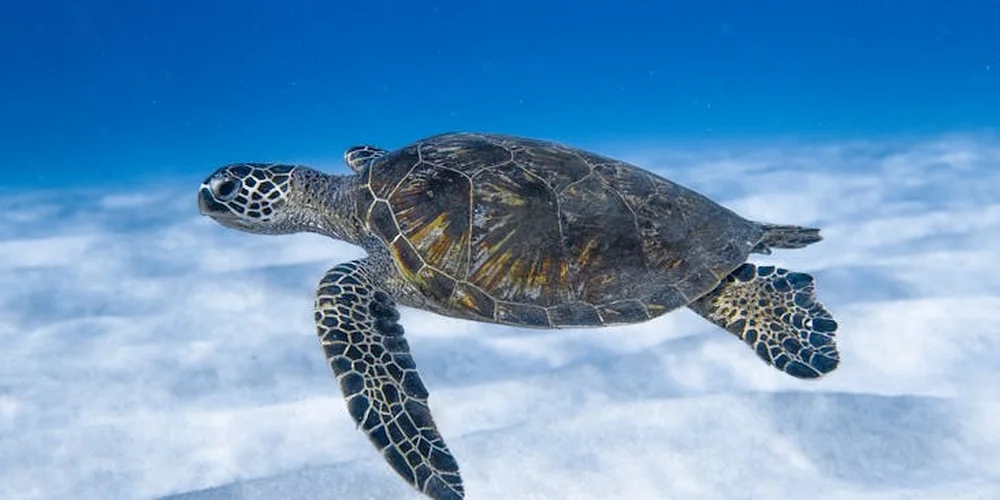
Your turtle’s world is perceived entirely through the lens of its habitat, and its eyes are the primary translators. The quality of light, water, and even the decorations in their enclosure directly influence how they see and react. I’ve spent countless hours watching my tortoises, Austen and Bronte, and their eye behavior tells me more about their comfort than anything else.
Proper lighting is non-negotiable for healthy turtle eyes. They require a specific spectrum of UVB light to metabolize calcium and maintain proper eye function. Without adequate UVB, turtles can develop vision problems and become lethargic, often keeping their eyes closed for long periods. It’s a subtle sign of a much larger health issue.
Water quality is another massive factor, especially for aquatic and semi-aquatic species. My box turtle, Orwell, needs a clean water dish for soaking. Dirty, unfiltered water is a breeding ground for bacteria that can cause painful eye infections, leading to swelling and persistent blinking. To stay on top of conditions, I follow a turtle tank water quality testing maintenance schedule, regularly checking ammonia, nitrite, nitrate, and pH. These checks help tailor when to perform water changes and tune filtration. A simple weekly water change can prevent a world of hurt for your shelled friend.
Key Environmental Factors to Monitor
- UVB Lighting: Ensure the bulb is the correct strength and replaced every 6-12 months, even if it still lights up.
- Basking Area Temperature: A spot that is too hot can cause your turtle to squint or avoid basking altogether.
- Water Filtration & Cleanliness: Ammonia and waste buildup irritates eyes, prompting excessive blinking or rubbing.
- Enclosure Decor: Sharp or abrasive objects can cause physical scratches to the cornea during exploration.
A Practical Guide to Observing Your Turtle’s Eyes
Learning to read your turtle’s eyes is like learning a new, quiet language. The goal is calm, non-invasive observation that doesn’t add stress to your pet’s routine. I make it a part of my daily feeding and habitat maintenance check.
Start by simply sitting near the enclosure during their active hours. Avoid making sudden movements or casting a large shadow over them. Watch for how they use their eyes while navigating their space-do they move their head to see around objects, or do they rely on peripheral vision? This baseline behavior is your most valuable reference point.
A Simple Step-by-Step Observation Routine
- Choose a Calm Time: Approach your turtle when it is already awake and active, not when it is sleeping or burrowed.
- Observe from a Distance: Watch for several minutes without interaction. Note the blink rate and how the eyes move.
- Check for Clarity: The eyes should be clear, bright, and fully open. Any cloudiness, discharge, or swelling is a red flag.
- Note Response to Stimuli: Gently place a small piece of food in view. A healthy turtle will track it with interest.
- Look for Symmetry: Both eyes should appear the same size and should not be sunken into the head.
Understanding the difference between a content blink and a pained squint takes time. A slow, deliberate blink often signifies a relaxed turtle, while rapid blinking or persistently closed eyes usually signal irritation or illness. Trust your instincts; you know your turtle’s normal behavior better than anyone.
When to Seek Help: From Observation to Action
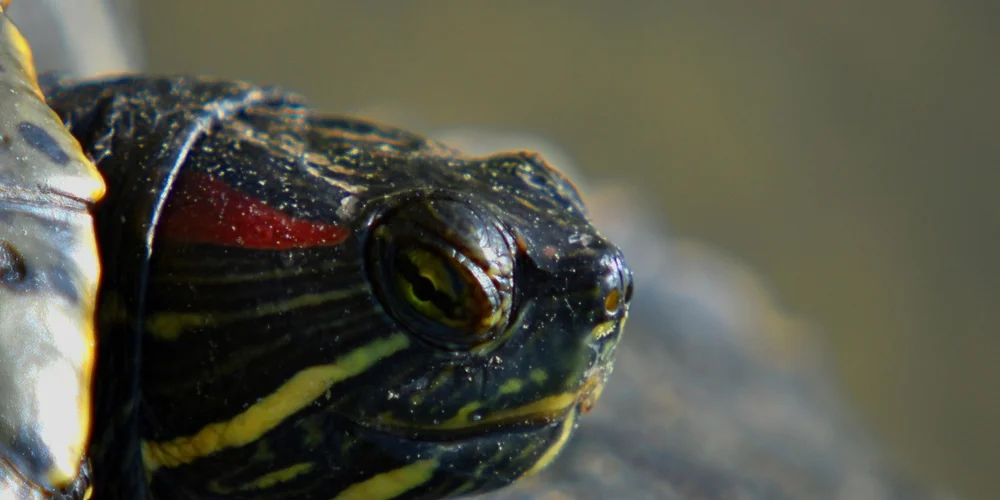
Watching your turtle’s eyes is a daily ritual, but some signs demand more than just observation. Recognizing the shift from normal behavior to a potential health alert is your most critical skill as a caretaker. In practice, you’re not just watching the eyes—watch for appetite, activity, shell and skin changes, and swelling, which often signal the most critical health issues. Stay vigilant and seek vet advice at the first sign, because early action matters.
Clear Signs of Eye Distress
Your turtle’s eyes should be clear, bright, and fully open when active. My Russian tortoise, Austen, once had a period of persistent squinting. Here are the specific changes that should prompt immediate concern:
- Swelling or puffiness around the eye, making it look permanently shut.
- A persistent, milky, or cloudy film over the eyeball itself.
- Discharge that is thick, stringy, or discolored (yellow or green).
- One eye remaining consistently closed while the other is open.
- The third eyelid (a pale membrane) being visible for extended periods.
Any of these symptoms, especially when combined with lethargy or loss of appetite, signal that your turtle is not just quirky but unwell. I learned with Austen that waiting only complicates treatment. Consider a quick lethargic turtle checklist to help distinguish brumation from sickness. If symptoms persist, seek guidance from a reptile veterinary professional.
Connecting Eye Symptoms to Overall Health
Eye problems are rarely isolated. They are often a visible symptom of a larger, internal issue. Think of the eyes as a window into their overall well-being.
- Respiratory Infection: Bubbles from the nose or mouth, combined with puffy, closed eyes, often point to a respiratory issue. This is a common and serious condition in turtles.
- Vitamin A Deficiency: This is a frequent culprit for swollen eyelids and eye infections in pet turtles. It is often linked to an improper diet.
- Eye Injury or Irritation: Substrate like sand or small bark chips can get lodged under an eyelid. Chemical irritants from cleaning sprays are another risk.
Your detailed observations about their environment and diet become invaluable information for your veterinarian. Note any recent changes when you call.
Your Action Plan for Eye Issues
When you see a warning sign, a calm and methodical approach is best. Panic helps no one, least of all your turtle.
- Do Not Delay: Reptiles hide illness until they are very sick. If you see a clear symptom from the list above, assume it is urgent.
- Isolate if Necessary: If you have multiple turtles, gently move the affected one to a separate, clean, and simple hospital enclosure to prevent potential spread and reduce stress.
- Call an Exotic Veterinarian: General dog and cat vets often lack specific reptile expertise. Seek out a vet who specializes in reptiles or exotics immediately.
- Prepare for the Vet Visit: Be ready to describe the symptoms, their duration, and your turtle’s habitat conditions (temperature, humidity, diet, UV lighting).
Acting quickly is not an overreaction; it is a fundamental part of responsible turtle guardianship. Your vigilance is their first line of defense.
FAQs
How do turtles move their eyes and which muscles are involved?
Turtles move their eyes using extraocular muscles, similar to other vertebrates, which allow for rotation and scanning of their surroundings. These muscles enable precise movements to track objects without needing to turn their head frequently.
How does the structure of a turtle’s eye influence its range of motion?
The spherical shape and placement of a turtle’s eye within its skull limit extreme movements, but adaptations like a flexible lens aid in focusing. This structure supports a moderate range of motion suited for detecting motion in their habitat.
Do aquatic turtles rely more on eye movements for navigation than terrestrial turtles?
Aquatic turtles often use more frequent eye movements to navigate murky waters and track prey in dynamic environments. Terrestrial turtles may depend more on head turns for navigation due to stable visual conditions on land.
How fast can turtle eyes move in response to stimuli?
Turtle eye movements are relatively slow, typically taking seconds to refocus on new stimuli like food or threats. This speed is adequate for their survival but lacks the rapid saccades seen in more agile animals.
Are turtle eye movements influenced by circadian rhythms or sleep?
Yes, turtle eye movements decrease during sleep phases aligned with circadian rhythms, with minimal activity to conserve energy. They become more active during waking hours to support foraging and predator detection.
Your Turtle’s Eyes Speak Volumes
By noticing your turtle’s blinking rhythm and eye direction, you can better gauge their comfort and health. I’ve learned that slow, deliberate blinks from my tortoise Austen often mean he’s feeling safe and relaxed in his habitat. Understanding these cues also helps explain their basking behavior. Turtles spend more time out of water to warm up and absorb UVB light, which supports metabolism and shell health.
Committing to this attentive care strengthens your role as a responsible guardian for your shelled friend. Keep exploring turtle behavior with curiosity, as each new insight, like those from my own pets, helps create a happier, healthier life for them.
Further Reading & Sources
- Independent eye movements in the turtle – PubMed
- Turtle eye muscle adapts to deal with obstructed vision | ScienceDaily
- Open Loop Optokinetic Responses of the Turtle – ScienceDirect
- Ocular Kinematics Measured by In Vitro Stimulation of the Cranial Nerves in the Turtle – PMC
Matthew is a dedicated turtle enthusiast and conservationist with over 15 years of experience in reptile care. Known affectionately as "The Leatherback" among his peers, he combines his passion for turtles with a commitment to educating pet owners on responsible turtle care and environmental stewardship.
Signs of Illness