
Can Humans Get Parasites from Turtles? (Zoonotic Risks Explained)
If you adore turtles like I do, you might worry about health risks from handling them. Yes, humans can get parasites from turtles, but understanding the facts helps keep everyone safe and happy.
Drawing from my years with tortoises Austen and Bronte, I will guide you through:
- Common turtle-borne parasites
- How transmission happens
- Simple prevention steps
- Balancing care with caution
Understanding Zoonotic Parasites from Pet Turtles
Think of zoonotic diseases as unwanted guests that can move between species, much like a visitor from another town bringing along their own set of habits-some not so welcome. These parasites don’t discriminate; they see a suitable host, whether human or turtle, and can sometimes set up camp. I’ve learned through caring for my own shelled friends that awareness is our first line of defense.
- Salmonella: This bacteria is a frequent stowaway in turtle digestive tracts, often causing gastrointestinal upset in humans if proper hygiene isn’t practiced.
- Protozoa like Giardia: Microscopic troublemakers that can lead to intense stomach cramps and diarrhea, reminding us that even tiny organisms have a big impact.
- Helminths like nematodes: Intestinal worms that can occasionally find their way to people, highlighting the interconnectedness of our health with our pets’.
I recall a routine check for my tortoise, Bronte, where a fecal exam revealed a low level of parasites-nothing alarming, but a clear sign that even the most graceful pets can carry hidden passengers. This experience reinforced that regular vet visits are non-negotiable for everyone’s safety.
Common Parasites Found in Pet Turtles
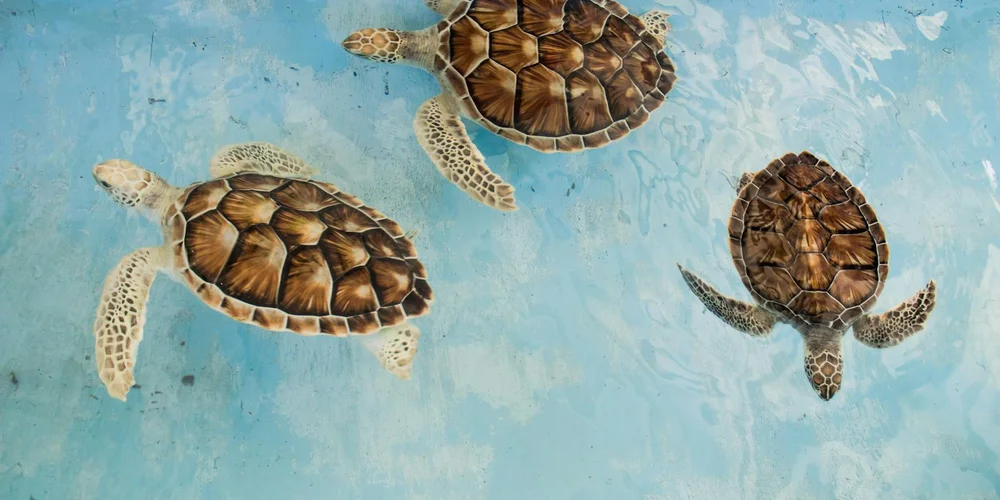
Turtles can host a variety of internal parasites, each with unique characteristics and effects. Understanding these helps us provide better care and reduce risks. Understanding the difference between internal and external parasites also helps with accurate diagnosis and treatment. Internal parasites live in the digestive tract or organs, while external parasites attach to the skin or shell and require different management.
- Protozoa: Single-celled organisms like Cryptosporidium, which can cause digestive issues in turtles, and Eimeria, often leading to weight loss and lethargy.
- Helminths: Worms categorized into nematodes (roundworms), cestodes (tapeworms), and trematodes (flukes), which may sap a turtle’s energy and nutrient absorption.
| Parasite Type | Common Examples | Effects on Turtles | Zoonotic Potential |
|---|---|---|---|
| Protozoa | Cryptosporidium, Giardia | Diarrhea, dehydration, weakness | Moderate to high |
| Nematodes | Roundworms, Pinworms | Poor growth, intestinal blockages | Low to moderate |
| Cestodes | Tapeworms | Malnutrition, lethargy | Generally low |
| Trematodes | Flukes | Liver or lung damage in severe cases | Rare |
This table isn’t meant to scare you, but to empower you with knowledge for proactive pet care. Over the years, I’ve seen how early detection through fecal tests can prevent minor issues from becoming major health crises.
External Parasites on Turtles
External parasites are easier to spot if you know what to look for, often appearing as tiny hitchhikers on the shell or skin.
- Watch for shell discoloration, unusual pitting, or small moving specks that weren’t there before.
- Signs of irritation include excessive scratching, restlessness, or the turtle rubbing against surfaces more than usual.
When I noticed minor shell irregularities on Orwell, my box turtle, I used a soft-bristled brush and warm water for gentle cleaning-never harsh chemicals. Always prioritize gentle methods to avoid stressing your turtle or damaging their protective shell. If symptoms persist or worsen, consult a reptile-savvy vet immediately for safe treatment options that uphold animal welfare.
How Parasites Spread from Turtles to Humans
Parasites can move from turtles to people through everyday interactions, but it’s not a guarantee. Direct contact with your turtle or their environment is the main way parasites hitch a ride. I’ve handled my Russian Tortoise, Austen, for years and learned that simple moments like feeding or cleaning can pose risks if you’re not careful. That question—whether pet turtles are dangerous to humans or other pets—often comes up. While many interactions are safe with proper hygiene, turtles can carry bacteria like Salmonella and should be handled with care around kids and other pets.
Transmission often happens when you touch your turtle or their belongings and then forget to wash your hands. Contaminated surfaces, like tank water or food bowls, are common culprits for spreading germs. For example, after cleaning Bronte’s enclosure, I once nearly rubbed my eyes before remembering to scrub up-a close call that taught me to be more mindful.
- Direct contact: Petting or holding your turtle without washing hands afterward.
- Contaminated surfaces: Touching tank decor, water, or soil that has parasite eggs.
- Improper handling: Not using gloves during tank cleanings or letting turtles roam in food prep areas.
Risk factors include having a weak immune system, such as in young children, older adults, or those with health conditions. Not every turtle carries parasites, and transmission isn’t automatic-it depends on hygiene habits. I’ve seen many owners worry unnecessarily; with good practices, the risk drops significantly.
- Start by handling your turtle gently, like I do with Orwell, my Box Turtle, to minimize stress and mess.
- Clean their habitat regularly, removing waste that could harbor parasites.
- Wash your hands thoroughly with soap and water after any contact-this simple step is your best defense.
Recognizing Parasite Symptoms in Turtles and Humans

Catching signs early can prevent bigger issues for both you and your pet. Symptoms vary between turtles and people, so staying observant is key to quick action. Over the years, I’ve noticed subtle changes in my turtles that signaled health checks were needed. That means knowing the red flags to watch for, especially those signaling a critical issue. Being aware of these signs helps you act fast and seek veterinary care when needed.
Symptoms in Pet Turtles
Turtles often show quiet clues when parasites are present. Lethargy or weight loss can be early warnings, as I saw with Bronte when she became less active. Look for shifts in their usual behavior, like reduced appetite or unusual stool.
- Lethargy: Your turtle might sleep more or move slowly, unlike their normal self.
- Weight loss: A noticeable drop in body condition, even if eating habits seem fine.
- Changes in appetite: Refusing food or eating less than usual.
- Visible parasites: In severe cases, you might see worms in their feces-describe them as small, thread-like strands.
Monitor your turtle’s health with these steps to catch issues early. Regular checks help you spot problems before they escalate, much like I do with weekly weigh-ins for Austen. For a comprehensive guide, consult the ultimate turtle health troubleshooting checklist from Shell Tail. It covers common red flags, step-by-step home care, and when to seek veterinary help.
- Observe daily behavior: Note any unusual inactivity or hiding.
- Check appetite: Offer favorite foods and see if they’re eaten.
- Inspect feces: Look for abnormalities during cleanings.
- Schedule vet visits: Annual check-ups can detect hidden parasites.
Symptoms in Humans
If parasites transfer to you, symptoms often involve digestive discomfort. Diarrhea or stomach cramps are common with infections like Salmonella, which I’ve avoided by always washing up after handling my turtles. Other issues, such as giardia, might cause nausea or fatigue.
- Digestive issues: Diarrhea, vomiting, or abdominal pain.
- Fatigue: Feeling unusually tired or weak.
- Skin rashes: Itchy or red areas from contact with contaminated surfaces.
See a doctor if symptoms last more than a day or two, especially if you have a weak immune system. Prevention through simple hygiene, like handwashing, is your safest bet based on my experience. I make it a habit to clean up right after playing with Orwell, and it’s kept me healthy for years.
Preventing Zoonotic Parasite Transmission
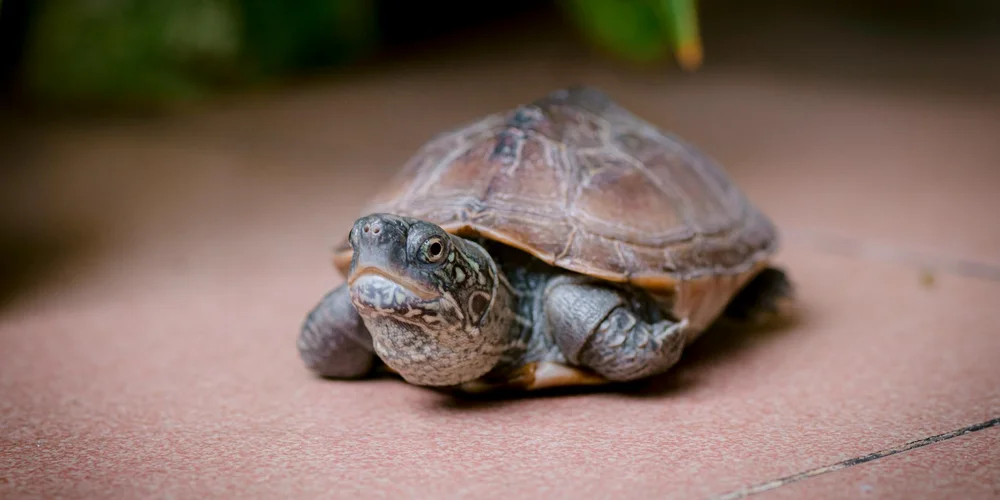
Keeping yourself and your turtles safe from parasites starts with simple, daily habits. I’ve found that consistent routines make all the difference in my years with Austen, Bronte, and Orwell. Start with these actionable steps to build a healthy environment for everyone.
- Wash your hands with soap and warm water for at least 20 seconds after any contact with your turtle or its habitat.
- Use separate cleaning tools for your turtle’s enclosure to avoid cross-contamination with household items.
- Monitor your turtle’s behavior and droppings daily for any unusual changes that might signal parasites.
Avoid these common pitfalls to lower risks effectively.
- Never handle your turtle near food preparation areas to prevent accidental ingestion of contaminants.
- Skip using harsh chemicals like bleach directly in the tank, as they can harm your turtle and leave residues.
- Do not allow unsupervised interactions between young children and turtles, as kids might put hands in their mouths.
From my experience, Bronte’s gentle nature makes her easy to handle, but I always wipe down surfaces after she roams. This small step has kept our home parasite-free for over a decade.
Safe Handling and Hygiene Practices
Simple routines can protect your family while enjoying time with your turtle. Wearing disposable gloves during handling sessions reduces direct skin contact with potential parasites. Supervise children closely and teach them to wash hands right after touching the turtle or its items. These steps are part of the safe turtle handling for children complete guide. Following them helps keep kids safe and confident around turtles.
Educate everyone in your household about the basics of zoonotic risks. I make it a fun lesson for visitors, showing how to gently pet Orwell without stressing him out. This approach fosters respect for animal welfare and cuts down on health concerns.
Habitat Care to Minimize Risks
A clean habitat is your first line of defense against parasite buildup. Regular maintenance not only keeps your turtle healthy but also safeguards human well-being. Focus on disinfecting surfaces and managing the environment to prevent issues before they start. Doing so also helps prevent parasites in your turtle habitat enclosure. By keeping the enclosure clean, you reduce parasite buildup and protect both turtle and human health.
Here’s a checklist I follow for Austen’s and Bronte’s enclosures, honed from years of care.
- Remove uneaten food and waste daily to stop bacteria and parasites from multiplying.
- Change water in aquatic setups every few days to maintain freshness and reduce contamination.
- Inspect hiding spots and substrates weekly for signs of mold or pests that could harbor parasites.
This routine has helped me catch small problems early, like when Orwell’s tank showed unusual residue. Addressing it quickly prevented a potential outbreak.
Cleaning Turtle Enclosures
Thorough cleaning involves specific steps to ensure safety for both turtles and humans. I clean enclosures every one to two weeks, using reptile-safe disinfectants diluted as directed. Start by relocating your turtle to a temporary, secure space to avoid stress.
- Empty the enclosure completely, scrubbing all surfaces with a soft brush and warm water.
- Apply a vet-approved disinfectant, rinse thoroughly, and let it air dry to eliminate chemical traces.
- Replace substrates and decor with clean items, checking for any cracks where parasites could hide.
After cleaning Bronte’s habitat last month, I noticed her appetite improved. Proper upkeep not only reduces zoonotic risks but also boosts your turtle’s overall vitality.
When to Seek Professional Care for Turtles or Yourself
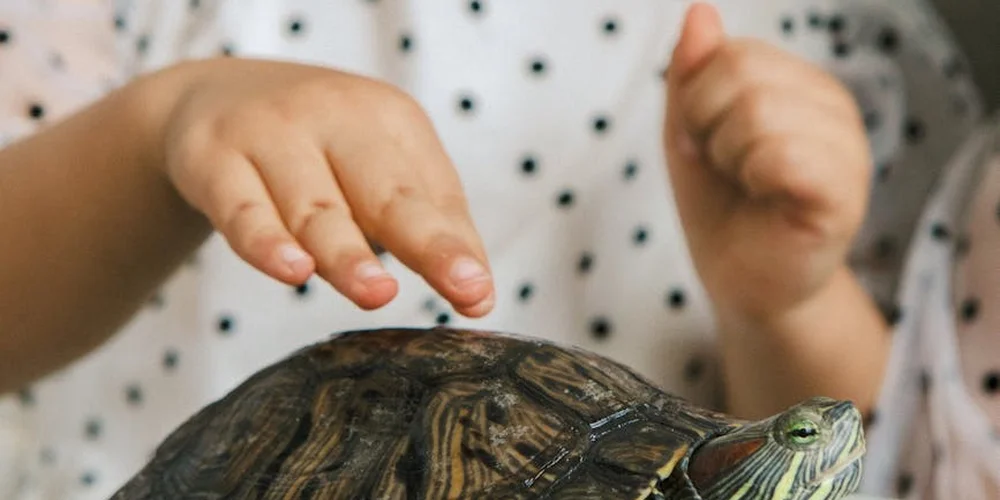
Knowing when to call a vet or doctor can prevent minor issues from escalating. If your turtle shows persistent symptoms like weight loss, lethargy, or abnormal droppings, schedule a vet visit promptly. Watch for signs your turtle needs a vet, such as shell changes, swelling, or trouble breathing. Early veterinary care can prevent serious turtle health problems. For humans, seek medical advice if you experience unexplained stomach pains, diarrhea, or skin rashes after turtle contact.
Watch for these red flags to act early and protect animal and human welfare.
- Your turtle refuses food for more than a few days or has swollen eyes, indicating possible parasitic infection.
- You or family members develop flu-like symptoms that don’t resolve with usual care, suggesting zoonotic transfer.
- The turtle’s habitat has a foul odor or visible worms, signaling an environment ripe for parasites.
When Orwell became unusually sluggish, a quick vet trip revealed a mild parasitic issue. Early intervention saved him discomfort and prevented spread to our household. Always prioritize professional guidance to keep everyone safe and healthy.
FAQs
What types of worms can turtles have?
Turtles may carry internal worms like roundworms or tapeworms, which can affect their digestion. A vet can identify these through fecal tests and recommend safe deworming if needed.
How are parasitic infections in turtles treated?
Treatment usually involves prescription medications from a reptile veterinarian, tailored to the specific parasite. Follow-up care and habitat cleaning are essential to prevent recurrence.
What are common external parasites on turtles?
External parasites include mites or ticks that may appear as tiny moving dots on the skin or shell. Regular visual checks and gentle cleaning can help manage these pests effectively.
Can parasites live on a turtle’s shell?
Yes, parasites like flukes or algae can attach to the shell, potentially causing discoloration or damage. Maintaining a clean habitat minimizes the chance of shell-related parasite issues.
Where can I find pictures of turtle parasites?
Reliable images are available in veterinary textbooks or reputable online pet care sites focused on reptiles. Use these visuals to compare with any unusual signs on your turtle for accurate identification.
A Gentle Farewell for You and Your Shelled Companion
From my time with gentle souls like Austen and Bronte, I know that consistent hygiene and vet care are your best shields against parasites. Always wash your hands with soap after touching your turtle or its habitat to cut down risks dramatically, and follow safe handling practices to minimize Salmonella risk.
Being a turtle guardian means embracing a journey of learning and compassion for their well-being. Your commitment to ongoing education helps create a safer, more joyful home for your pet and your family.
Further Reading & Sources
- Parasites – Sea Turtle Guardian
- Parasites in turtles – Causes, Treatment and Associated Conditions – Vetster
- Common Diseases of Aquatic Turtles | VCA Animal Hospitals
- Is Amphiorchis (Digenea: Spirorchiidae) an Exclusive Parasite of Sea Turtles? – PMC
Matthew is a dedicated turtle enthusiast and conservationist with over 15 years of experience in reptile care. Known affectionately as "The Leatherback" among his peers, he combines his passion for turtles with a commitment to educating pet owners on responsible turtle care and environmental stewardship.
Common Diseases