
DIY Turtle Tank Filtration: Build a Sump System for Crystal Clear Water
After years with my turtles Austen, Bronte, and Orwell, I’ve seen how poor water quality can stress these gentle creatures. If you’re worried about murky water, foul odors, or your turtle’s health declining, a DIY sump system offers an affordable, effective way to maintain a pristine habitat.
This article covers: selecting the right components, step-by-step assembly, and ongoing maintenance for lasting clarity.
Why a Sump System is Ideal for Turtle Tank Filtration
Standard hang-on-back filters often struggle with the heavy waste load turtles produce. A sump system, essentially a secondary tank hidden below your main display, provides a massive, customizable filtration capacity that standard equipment can’t match. I learned this the hard way after constantly cleaning my turtles’ filter every few days.
With a sump, you dramatically increase your tank’s total water volume. This extra water dilutes waste, creating a more stable and healthier environment for your shelled friend. The larger volume acts as a buffer, preventing rapid shifts in water parameters that can stress your turtle. My Russian tortoise, Austen, became noticeably more active after I made the switch.
Beyond just cleaning the water, a sump lets you compartmentalize the filtration process. You can dedicate specific sections to mechanical, biological, and chemical filtration. This targeted approach is far more efficient at removing solid waste and breaking down harmful ammonia and nitrites. It’s the difference between a single small sponge and an entire cleaning workshop for your turtle’s home.
Essential Components for Your DIY Turtle Sump
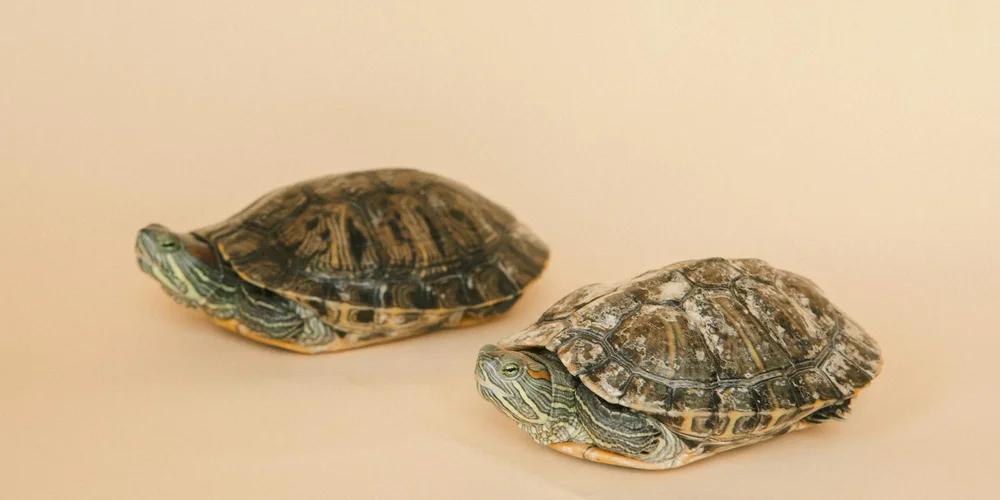
Building your own sump is a rewarding project. You just need to gather the right parts. Having all your components ready before you start will make the assembly process smooth and stress-free. I always lay everything out on a clean towel to avoid misplacing small, vital pieces.
Selecting the Right Pump and Overflow
The overflow box is the heart of the system’s safety. It sits on your main tank and controls how much water flows down into the sump. You must choose an overflow box with a reliable siphon and a built-in emergency drain to prevent flooding. A failure here is the most common cause of accidents, so don’t cut corners.
Your return pump pushes the clean water from the sump back up to the main tank. Look for a pump that can handle your tank’s total gallon capacity and has an adjustable flow rate. For my 75-gallon turtle tank, I use a pump rated for about 900 gallons per hour (GPH) to account for the height the water has to travel. Remember, turtles prefer calmer water, so you don’t need a raging river current.
Choosing Your Filtration Media Layers
This is where you design your custom cleaning machine. You’ll stack different media in the sump in a specific order for the best results.
- Mechanical Media (First Stage): This is your first line of defense. Use filter socks or coarse sponge pads to catch large debris like uneaten food and solid waste. This layer protects your biological media from getting clogged with gunk. I replace my filter socks weekly to keep water clarity high.
- Biological Media (Second Stage): This is the most critical part. Use porous materials like ceramic rings, bio-balls, or lava rock. These provide massive surface area for beneficial bacteria to colonize and process toxic ammonia. This bacterial colony is your invisible, live-in cleaning crew.
- Chemical Media (Optional Third Stage): Add this layer for polishing the water. Media like activated carbon can remove dissolved organics and odors. Chemical media is perfect for a final touch, making the water crystal clear and odor-free. I use a small bag of carbon in my sump, especially after my turtles have a particularly messy meal.
Step-by-Step Sump System Assembly
Planning Your Sump Design and Layout
Start by sketching your sump design on paper before cutting any materials. I learned this the hard way when setting up a tank for a friend’s aquatic turtle-rushing led to leaks and rework. Measure your main tank’s dimensions and available space below or beside it. A good rule is to choose a sump that holds 20-30% of your tank’s water volume for effective filtration. Proper sizing ensures your system handles waste without overloading.
Divide your sump into compartments: mechanical filtration first, then biological media, and finally the return section. Use acrylic or glass baffles to separate areas and control water flow. In my experience with Bronte’s enclosure setup, I found that adding a refugium section for live plants boosts water quality naturally. This compartmental approach mimics natural filtration processes for healthier turtles.
- Sketch the sump layout with labeled sections
- Choose a sump container-acrylic tanks work well for durability
- Install baffles to guide water through each stage
- Allow easy access for maintenance and media changes
Plumbing and Water Flow Setup
Select PVC pipes and fittings that match your pump’s flow rate—aim for 4-6 times your tank volume per hour. I use a quiet submersible pump for Orwell’s habitat to reduce stress from noise. Connect the overflow box from the main tank to the sump’s first compartment using flexible tubing or rigid PVC. When you modify stock-tank turtle housing, plan changes with safety in mind and test the system before introducing your turtle. Use only aquarium-safe materials and ensure smooth edges to prevent injuries. Secure all connections with aquarium-safe silicone to prevent leaks that could harm your turtle.
Test the water flow without your turtle present to adjust for even distribution. Place a pre-filter sponge on the intake to catch large debris and protect pump impellers. From my trials, a ball valve on the return line lets you fine-tune flow speed. Balanced flow prevents dead spots where waste accumulates. Poor water quality is a common pitfall—one of the filtration mistakes turtle owners make. By maintaining balanced flow and effective debris control, you head off ammonia spikes and cloudy water.
- Attach the overflow to the sump with PVC pipes
- Install the return pump in the sump’s last section
- Run tubing back to the main tank, securing it firmly
- Check for leaks and adjust flow rates before adding water
Cycling and Establishing Your Biofilter
Cycling your sump system cultivates beneficial bacteria that break down ammonia from turtle waste. I recall waiting three weeks for Austen’s setup to cycle fully-patience pays off with crystal-clear water. Add an ammonia source like fish food or pure ammonia to kickstart the process. This biological stage is non-negotiable for a safe, toxin-free environment.
Monitor ammonia, nitrite, and nitrate levels with a test kit every few days. When ammonia and nitrite drop to zero, and nitrates rise, your biofilter is active. Use porous media like ceramic rings or bio-balls in the biological compartment to maximize surface area for bacteria. Regular testing prevents sudden spikes that could stress your turtle.
- Introduce ammonia to feed bacteria colonies
- Test water parameters twice weekly during cycling
- Add bacterial starter cultures to speed up establishment
- Wait until cycles stabilize before introducing your turtle
Maintaining Your Turtle Sump Filtration System
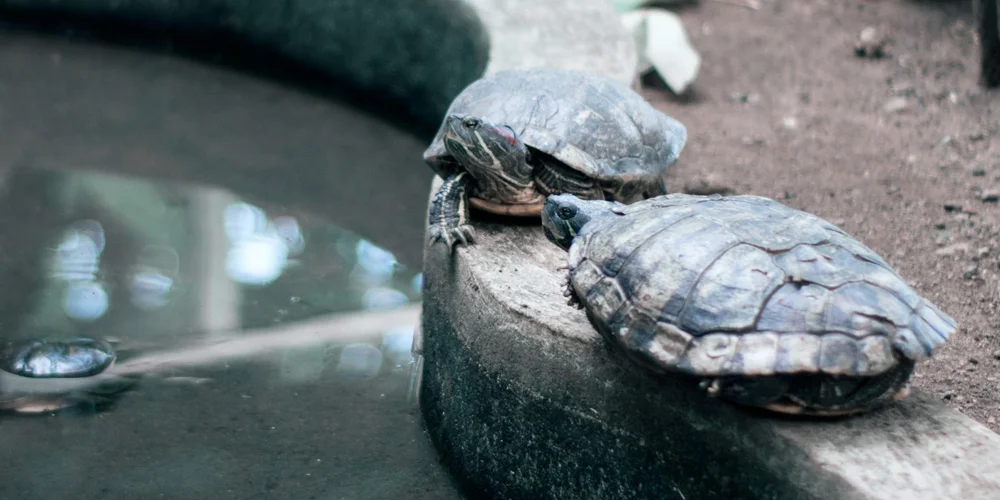
Monitoring Water Parameters
Keeping an eye on water quality is like watching the tide for changes—it tells you everything about your turtle’s health. I test Austen’s tank water weekly because even small shifts can stress him out. You will need a reliable test kit to check ammonia, nitrite, nitrate, and pH levels. Ammonia should always read zero; anything higher signals trouble in your biological filter. Are the essential water quality parameters healthy for a turtle tank? Yes—when ammonia, nitrite, nitrate, and pH stay in safe ranges, they signal a healthy, thriving habitat.
Regular testing catches problems before they harm your shelled friends.
I use simple liquid test kits that give clear color results. For nitrate, aim below 20 ppm to prevent algae blooms. pH levels vary by species, but most turtles thrive around 7.0 to 8.0. If numbers spike, do a partial water change immediately. In my years with Bronte, I learned that consistency in testing and maintaining turtle tank water quality saves vet visits.
- Test ammonia, nitrite, and nitrate weekly
- Check pH every two weeks or after adding new decor
- Record results in a log to spot trends over time
Quick action on water changes keeps your turtles swimming happily.
Temperature matters too—keep it steady between 75-85°F depending on your turtle type. Different aquatic turtle species have different ideal temperature ranges, so tailor the tank temp to your species. Check care guides or ask a vet to confirm the exact target range for your turtle. I monitor Orwell’s tank with a digital thermometer because sudden drops can weaken their immune systems. Clean filter media monthly, but never all at once to preserve beneficial bacteria. Rinse sponges in tank water to avoid killing those helpful microbes.
Advanced Sump Modifications and Upgrades
Once your sump is running smoothly, you can tweak it for even cleaner water. I added a UV sterilizer to Bronte’s setup last year, and it cut down on green water and pathogens. These units zap algae and bacteria as water passes through, giving you crystal-clear results. Just ensure the flow rate matches your pump to avoid inefficiencies.
Upgrading with a protein skimmer removes organic waste before it breaks down.
Protein skimmers are fantastic for reducing surface scum and odors. They pull out dissolved organics that test kits might miss. In my experience, this extra step makes water changes less frequent. You can also install a refugium section with live plants like java moss or pothos. These plants absorb nitrates, acting as a natural filter.
- Install a UV sterilizer for algae and germ control
- Add a protein skimmer to tackle dissolved waste
- Incorporate a refugium with fast-growing plants
- Use multiple types of media-bio-balls, ceramic rings, and filter floss-for layered filtration
Layering different media types boosts your sump’s cleaning power dramatically.
For heavy waste producers like Orwell, I stacked extra filter socks in the first chamber. They trap debris and are easy to swap out. If noise is an issue, add baffles or sponges between chambers to quiet the flow. Always test water after any upgrade to ensure parameters stay stable. These small investments pay off in healthier, more active turtles. If your turtle water is still dirty, consult our filtration maintenance troubleshooting guide for common causes and fixes. It helps you diagnose why water stays dirty and how to maintain clear, healthy turtles.
FAQs
What type of filter is best for a heavily stocked turtle tank?
A sump system excels in heavily stocked tanks by offering superior waste handling and customizable media. For smaller setups, a high-capacity canister filter can also manage the load effectively.
How do I choose the right size filter for my turtle tank?
Select a filter rated to process at least 4-6 times your tank’s volume per hour to cope with turtle waste. This is why the best filter for an aquatic turtle tank matters: it helps keep ammonia and nitrite under control and maintains clear, healthy water. A well-chosen filter reduces maintenance and supports your turtle’s well-being. Always factor in your turtle’s size and feeding habits to ensure adequate filtration.
Can I use a standard aquarium filter for my turtle tank?
Standard filters often clog quickly and fail to handle the high waste output of turtles. Upgrading to a dedicated turtle filtration system, like a sump, provides more reliable and efficient cleaning. These essential filtration systems keep turtle water clean by actively removing waste and maintaining stable water parameters. They’re designed to handle the heavy waste turtles produce, making maintenance easier and healthier for your pets.
What are the key features to look for in a turtle tank filtration kit?
Prioritize kits with robust pumps, multiple media baskets, and easy-access design for simple maintenance. Ensure it includes mechanical and biological filtration stages to tackle both debris and toxins.
How does a sump system compare to other filtration methods in terms of maintenance?
Sump systems allow for easier media swaps and less frequent full cleanings due to their compartmentalized design. They generally require routine sump checks but reduce the need for constant filter adjustments.
Your Path to Pristine Turtle Water
From setting up my sump for Austen’s and Bronte’s habitats, I learned that a DIY system thrives on precise assembly and routine checks to keep water crystal clear. Always test your setup with clean water first to catch leaks before your turtle moves in.
Owning Orwell has taught me that responsible pet care means never stopping your education on turtle health and habitat needs. Stay curious about new filtration methods to ensure your shelled friend enjoys a long, vibrant life. This care aquatic turtles essential guide offers practical tips for both land-dwelling and aquatic turtles. It helps turn curiosity into confident, daily care.
Further Reading & Sources
- Turtle Clean 318 Submersible Filter | Zoo Med Laboratories, Inc.
- r/turtle on Reddit: Sump or canister?
- Redearslider.com :: View topic – Is a sump filter a good option?
- 75 Gallon Turtle Tank: Sump vs Canister(s) | MonsterFishKeepers.com
Matthew is a dedicated turtle enthusiast and conservationist with over 15 years of experience in reptile care. Known affectionately as "The Leatherback" among his peers, he combines his passion for turtles with a commitment to educating pet owners on responsible turtle care and environmental stewardship.
Water Quality