
Do Turtles Have Backbones and Vertebrae?
Published on: July 7, 2026 | Last Updated: July 7, 2026
Written By: Matthew The
If you’ve ever found yourself pondering whether turtles have backbones and vertebrae, perhaps worrying that their iconic shells might mean they lack a proper spine or face mobility issues, I’m here to ease your mind with insights from my own life with tortoises like Austen and Bronte.
We’ll cover: turtle skeletal anatomy, how vertebrae support their unique bodies, comparisons to other animals, and caring tips based on personal experience.
Turtles Are Vertebrates: The Backbone Basics
Yes, turtles absolutely have backbones, making them vertebrates just like us. This fundamental fact shapes everything from their movement to their protective shell.
- Turtles possess a complete vertebral column, classifying them firmly within the vertebrate group.
- This backbone places them in the reptile class and as amniotes, meaning they develop in an amniotic sac and typically lay eggs on land.
- They belong to the chordate phylum, sharing a notochord ancestry with all animals that develop a spinal structure.
Inside the Shell: How the Vertebral Column Works
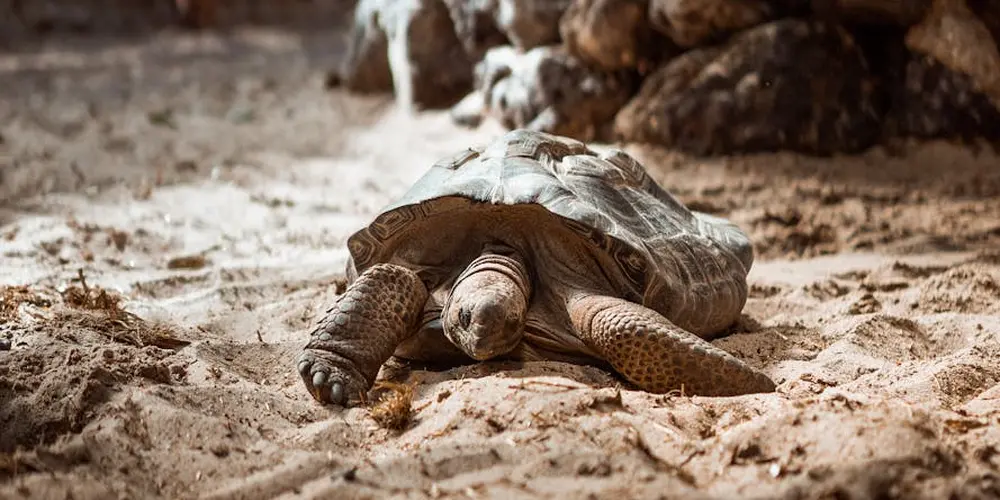
The turtle spine is a masterclass in evolutionary design. It is segmented into cervical, thoracic, sacral, and caudal vertebrae, each with a specialized role. This anatomy is key to turtle health. Spinal health affects mobility and shell integrity, so proper care matters.
- Cervical vertebrae allow for neck flexibility; some species retract their heads sideways or straight back.
- Thoracic vertebrae fuse directly with the carapace, creating a unified skeletal framework.
- Sacral and caudal vertebrae support pelvic functions and tail movement, varying by species.
Watching my tortoise Austen navigate his enclosure, I see how his fused spine provides stability. This fusion limits some flexibility but offers incredible protection from predators.
The Turtle Shell: A Fused Ribcage and Spine
Many people mistake the shell for an external armor, but it is part of the internal skeleton. The carapace forms when ribs and dorsal vertebrae fuse with dermal bones during development.
- Ribs expand and fuse with bone plates to create the carapace, the domed top shell.
- The plastron is the flat bottom shell, connected to the carapace by bony bridges.
- This entire structure is an endoskeleton, growing with the turtle and housing nerves and blood vessels.
Handling Bronte, my Greek tortoise, I feel how her shell is integral to her body. Proper care means never prying at the shell, as it is living tissue fused to her spine.
Do Turtles Have Scales? Skin and Head Coverings
When I watch my tortoises, Austen and Bronte, slowly patrolling their enclosure, the first thing I notice is their textured skin. Their legs, head, and tail are indeed covered in small, tough scales that protect them from abrasion and help retain moisture. This scaly skin feels surprisingly leathery and dry to the touch, a classic reptilian feature.
The most famous part of a turtle, the shell, is covered in specialized scales called scutes. These scutes are made of keratin, the same protein that forms our fingernails and hair. They grow in distinct patterns and, over time, can develop beautiful growth rings, much like you see on the shells of my own pets.
This system differs slightly from other reptiles like snakes or lizards. While all reptiles have scales, a turtle’s scutes are fused directly to the underlying bone of the shell, creating an incredibly robust defensive structure. This fusion yields a strong, hard turtle shell that protects the animal from predators and environmental hazards. A snake’s scales are more like overlapping plates of armor, whereas a turtle’s scutes are an integral part of its skeletal frame.
Evolutionary Marvel: The Development of the Turtle Skeleton
The journey of a turtle’s backbone is a fascinating one, starting right in the egg. During embryonic development, a turtle’s ribs and vertebrae begin a remarkable process of broadening and fusing together. This creates the foundational bony plates that will become the carapace, or top shell. In basic turtle anatomy, those bones illustrate how the spine, ribs, and shell integrate to form the animal’s core structure. Understanding this arrangement helps explain how turtles move and protect their internal organs.
This unique skeletal adaptation offers profound evolutionary advantages. The ossified, or fully bony, skeleton provides a ready-made fortress, drastically reducing a turtle’s vulnerability to predators. This allows for their characteristically slow, energy-efficient lifestyle, which I’ve observed allows my tortoises to thrive on less food than many other pets.
The result is a biomechanical wonder unique among reptiles. A turtle’s shoulder and hip girdles are actually located inside its rib cage, a configuration found in no other vertebrate. This design provides immense structural strength at the cost of the flexible spine movement seen in other animals, perfectly suiting their deliberate and steady way of life. These features are a common topic in turtle anatomy biology FAQs, which explain how the shell, girdles, and limbs interact. For curious readers, the FAQs offer clear answers and diagrams to visualize the arrangement.
Caring for Your Turtle’s Spine and Shell Health
Your turtle’s shell is not just a house it carries on its back; it is a living, growing extension of its spine and ribcage. Proper care from the start is the single most effective way to ensure a strong, healthy skeletal structure for your shelled companion. I learned this firsthand after noticing a slight soft spot on my Russian tortoise, Austen’s, shell years ago, which prompted a complete overhaul of his care. Understanding turtle anatomy and shell biology was crucial in providing him the right care.
Diet for a Sturdy Shell
Think of their diet as the building blocks for their bones. Without the right materials, the structure weakens.
- Calcium is king. Offer a constant supply of cuttlebone for them to gnaw on.
- Dust their primary food with a high-quality calcium powder supplement 2-3 times a week.
- Ensure they get proper Vitamin D3, either from a reptile-specific UVB light or through their diet, as it is crucial for calcium absorption.
- Feed a species-appropriate, varied diet of dark leafy greens, vegetables, and limited fruit to provide a full spectrum of nutrients.
Creating a Spine-Supporting Habitat
A poor habitat is a direct path to a deformed shell and a painful spine.
- Provide a high-output UVB light that spans at least half the enclosure and replace it every 6-12 months, as its output diminishes.
- Establish a precise temperature gradient with a dedicated, warm basking spot to aid their metabolism and digestion.
- Offer an enclosure that is large enough for them to walk and explore freely, preventing unnatural pressure on their plastron (bottom shell).
- Maintain appropriate humidity levels for your specific species to prevent pyramiding, where the scutes grow upward in a pyramid shape.
Spotting Early Signs of Trouble
Catching an issue early can make all the difference in recovery and comfort.
- Look for any soft or flexible areas on the shell, especially in younger turtles.
- Watch for asymmetrical growth, where one side of the shell appears larger or misshapen.
- Notice if they are favoring one side or having difficulty walking smoothly.
- Be alert for any cracks, pits, or discolored spots on the shell’s surface.
Recognizing Shell Injuries Versus Deformities
Understanding the cause of a shell problem is the first step toward the right solution. They require different approaches.
Injuries from trauma are often sudden and localized. You might see a clear crack, a puncture wound, or bleeding. The shell around the injury may look normal. My box turtle, Orwell, once took a tumble and chipped a small piece of his marginal scute. It was a clean, sudden break that we could address directly.
Developmental deformities happen slowly over time. They are usually a result of long-term nutritional deficits or improper habitat conditions. The entire shell might look lumpy, pyramided, or asymmetrically grown. This is a systemic issue, not a single point of damage. Common causes include chronic nutritional deficiencies and inadequate UVB exposure, which can lead to shell pyramiding. By ensuring a balanced diet, proper calcium and vitamin supplementation, and adequate UVB lighting, these issues can be prevented.
When to Call the Veterinarian
Trust your instincts. If something seems off, it probably is.
- Seek immediate care for any visible crack, puncture, or bleeding from the shell.
- Schedule a visit if you notice persistent softness, especially in an adult turtle.
- Consult a vet for any sudden change in gait, posture, or mobility.
- Get professional advice if a shell deformity is progressing despite corrections to diet and habitat.
My Shell Health Monitoring Routine
I make it a habit to do a quick, gentle hands-on check of all my turtles every two weeks during their soak. This simple ritual helps me catch the small changes before they become big problems. I run a finger over each scute, feeling for softness or irregularities, and I gently check the flexibility of their legs and neck. It’s a moment of connection that also serves as a vital health check, ensuring my shelled friends stay as strong on the inside as they look on the outside. However, it’s important to know how to perform a safe shell inspection to avoid causing any stress or harm to your turtle.
FAQs
How does the fusion of vertebrae in the shell impact a turtle’s flexibility?
The fusion limits overall spine flexibility but provides essential stability and protection. This design allows for deliberate movement suited to their slow, energy-efficient lifestyle.
Are there any common spinal issues in captive turtles?
Yes, metabolic bone disease can cause spinal deformities due to poor diet or lack of UVB light. Early signs include soft shells or asymmetrical growth that require veterinary care.
What is the role of the tail vertebrae in different turtle species?
Tail vertebrae support functions like balance, mating, and defense, varying in length and mobility among species. In some, longer tails aid in swimming, while shorter ones help with terrestrial navigation.
How can I provide enrichment that supports my turtle’s spinal health?
Offer varied terrain like rocks and logs to encourage natural movement and muscle use. Ensure the habitat is spacious to prevent pressure on the spine and promote active exploration.
What are the signs of a healthy vertebral column in a pet turtle?
A healthy spine results in a symmetrical, firm shell and smooth, coordinated movement. Regular monitoring for any limping or shell irregularities helps catch issues early.
Your Turtle’s Inner Framework
Yes, turtles absolutely have backbones and vertebrae, which are fused to their iconic shells to create a single, protective structure. In other words, turtles are vertebrates, not invertebrates. Their spine and shell form a single, integrated skeleton, which is why you must support their entire body when handling them.
Caring for a turtle is a long-term commitment to understanding their complex biological and emotional needs. For a deeper dive, our care turtles essential guide offers practical tips for both land and aquatic species. Explore topics like habitat setup, diet, and enrichment. I encourage you to keep exploring resources like ours at {website_name} to ensure you provide the most enriching life for your shelled friend.
Further Reading & Sources
- Vertebral Column and Turtle Shells – Morphology of the Vertebrate Skeleton
- Turtle – Wikipedia
- Turtle Vertebrae Diagram | Quizlet
- Vertebrate Skeleton
Matthew is a dedicated turtle enthusiast and conservationist with over 15 years of experience in reptile care. Known affectionately as "The Leatherback" among his peers, he combines his passion for turtles with a commitment to educating pet owners on responsible turtle care and environmental stewardship.
Turtle Myths and Misconceptions