
Understanding Common Box Turtle Behaviors and Their Meanings
Published on: May 15, 2026 | Last Updated: May 15, 2026
Written By: Matthew The
If you’ve ever watched your box turtle and wondered why it’s hiding, not eating, or acting in ways that make you worry about its health or stress levels, you’re not alone-many owners share these concerns.
This article will explore: hiding habits, eating patterns, shell retraction, basking behavior, and social interactions to help you interpret your turtle’s actions with confidence.
Social Dynamics: Friendliness and Territoriality
Many people ask if box turtles are friendly, and the answer is wonderfully complex. They aren’t social in the way dogs are, but they do form quiet recognitions and routines with their human caregivers. My turtle, Orwell, will often amble over when he sees me, not for a cuddle, but because my presence often means food is coming. It’s a practical friendship, built on trust and consistency.
With other turtles, their interactions are governed by territory. In a shared enclosure, you might observe subtle aggression. This isn’t mean-spirited; it’s instinct. In snapping turtles, such interactions reflect territory defense shaped by their biology. Studying their sensory cues and bite responses helps explain these behaviors.
- Head Bobbing: A slow, deliberate bobbing is a clear signal of “this is my space.” I’ve seen Orwell do this when a new item is introduced to his home.
- Tail Flicking: A quick, sharp movement of the tail often accompanies head bobbing, amplifying the territorial message.
- Shell Bumping: A more direct physical assertion, where one turtle will deliberately bump its shell against another.
I once made the mistake of housing two male box turtles together temporarily. The territorial displays were immediate and intense, with persistent head bobbing and one turtle consistently blocking the other from the basking spot. I separated them quickly, understanding that for their well-being, solitude is usually best.
Recognizing their emotional state is key to being a good caretaker.
- Signs of Stress: Hissing (a sharp exhalation of air), refusing food, constantly trying to climb walls, or remaining fully withdrawn in their shell for long periods.
- Signs of Comfort: Actively foraging when you’re near, basking with limbs stretched out contentedly, and exploring their enclosure with a relaxed, steady pace.
Daily Routines: Basking, Hiding, and Feeding
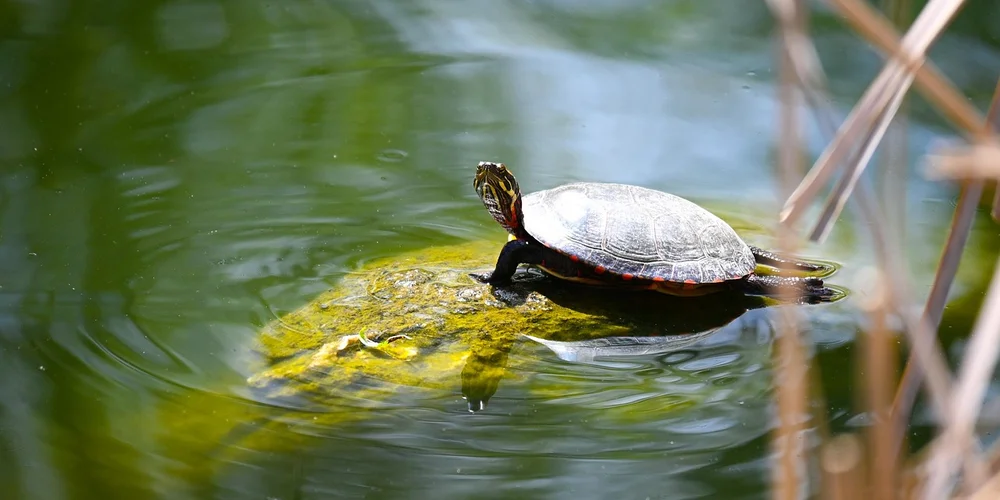
A box turtle’s day is a beautiful, predictable rhythm of essential activities. Basking is their non-negotiable morning ritual, crucial for raising their body temperature and metabolizing nutrients from their food. Seeing Orwell stretched out under his heat lamp, absorbing the warmth, is a sure sign of a happy turtle.
Equally important is hiding. A hiding box or a deep layer of leaf litter provides essential security, making your turtle feel safe from perceived threats. If your turtle is hiding more than usual, it could signal illness or that something in their environment is causing them stress.
Their feeding habits are a direct window into their health.
- A healthy turtle has a strong, consistent appetite.
- A sudden loss of appetite is often the first and clearest sign that something is wrong.
- They are opportunistic omnivores, enjoying a varied diet of insects, worms, leafy greens, and some fruits.
Movement patterns tell their own story. A healthy box turtle will have periods of active exploration and periods of complete stillness. Excessive, frantic pacing can indicate stress or an unsuitable habitat. A total lack of movement or lethargy, especially if combined with not basking, is a major red flag for illness. If your turtle is acting strange, this movement section is a key item on a Turtle behavioral diagnostic checklist for why my turtle is acting strange. Using that checklist can help you determine whether the issue is stress, illness, or environmental factors.
You can support these natural routines by creating a habitat that mirrors their wild needs.
- Provide a Temperature Gradient: One end of the enclosure should have a basking spot around 85-90°F, while the cool end stays around 70-75°F.
- Offer Multiple Hiding Spots: Use half-logs, plant pots on their sides, or commercial hide boxes at both the warm and cool ends.
- Use a Proper Substrate: A mix of topsoil, sphagnum moss, and leaf litter allows for digging and burrowing, which is a natural comforting behavior.
- Establish a Consistent Day/Night Cycle: Use a timer for their heat and UVB lights to provide a reliable 12-hour on/off cycle.
Seasonal and Environmental Responses
Watching my own box turtle, Orwell, I’ve learned their world revolves around the seasons. Their internal clock is deeply tuned to temperature and light cycles, which dictates nearly everything they do.
Brumation and Hibernation Behaviors
As autumn’s chill sets in, you’ll notice a significant slowdown. This period of dormancy is called brumation for reptiles.
- They will dramatically reduce their food intake.
- You’ll find them digging shallow pits or seeking out dark, secluded shelters in their enclosure.
- Their overall activity level drops to almost nothing; they might not move for days.
This isn’t a sign of illness but a natural, energy-saving survival strategy. Providing a suitable, secure spot for them to brumate is one of the kindest things you can do for their long-term health.
Temperature and Humidity Needs
Box turtles are not like us; they can’t regulate their own body temperature.
- They actively shuttle between warm basking spots and cooler, shaded areas to maintain their ideal body temperature.
- Low humidity leads directly to dehydration and potentially fatal respiratory infections.
- You’ll often see them soaking in their water dish on hot days, which is a clear behavioral cue they need more moisture.
I maintain a humidity level of around 60-80% for Orwell, which I monitor with a simple digital gauge. Proper humidity is non-negotiable for a healthy shell and respiratory system.
Dehydration and Shedding Signs
The environment directly impacts their physical condition. Keep a sharp eye out for these signals.
- Sunken or dull-looking eyes are a primary indicator of dehydration.
- Lethargy and a loss of skin elasticity are serious red flags.
- Shedding, especially of the skin on their legs and neck, should be patchy and almost unnoticeable.
- If large pieces of scutes (shell sections) are peeling up, it’s often a sign of previous dehydration or nutritional issues.
A shallow water dish big enough for them to sit in is a simple and effective solution for many hydration issues.
Adjusting Care for Seasons
Your care routine must be as dynamic as the weather.
- In summer, ensure constant access to fresh water and plenty of shade.
- As fall approaches, gradually reduce their daylight hours and offer less food.
- For brumation, provide a box filled with slightly moist sphagnum moss or leaves in a cool, stable area (45-55°F).
- In spring, slowly increase warmth and light, and offer a small, easy-to-digest meal to welcome them back.
Mimicking these natural cycles at home reduces stress and supports their innate biological rhythms.
Reproductive Behaviors: Mating and Egg Care
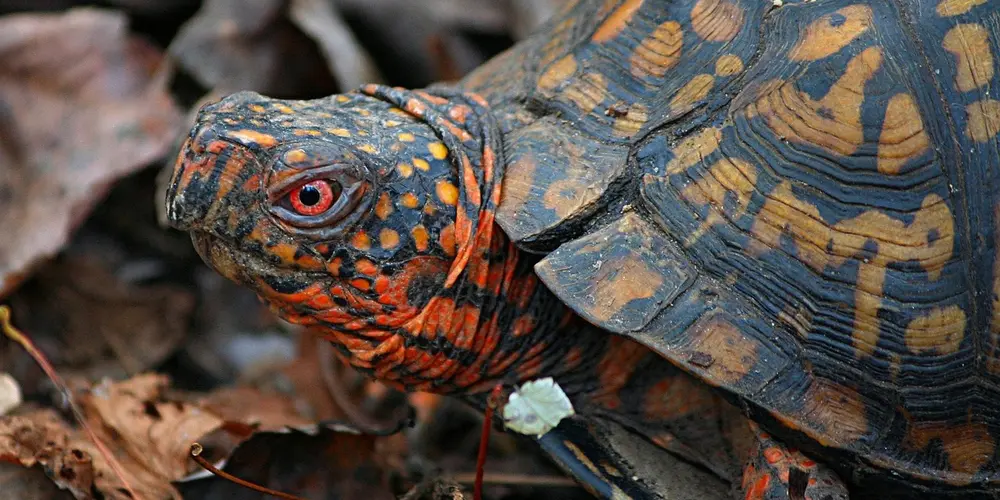
Witnessing courtship and nesting is a fascinating, albeit sometimes frantic, part of turtle keeping. Understanding these instincts helps you provide a supportive environment, even if breeding isn’t your goal. In many species, egg laying is a key nesting behavior that signals the start of nesting season.
Mating Behavior Explained
The male’s pursuit can be surprisingly persistent.
- Males will often circle the female, bobbing their heads rhythmically.
- They may nip gently at the female’s legs and shell to encourage her to stay still.
- A distinctive behavior is the male ‘vocalizing’-a series of clucks or pops made with his mouth, often while his throat pulsates.
If the female is unreceptive, she will simply close her shell tightly or walk away. It’s vital to provide enough space and hiding spots so a female can escape male attention if she needs a break.
Do Box Turtles Stay With Their Eggs?
This is a common question with a simple answer: no. Once a female has carefully buried her clutch, her parental duties are complete. She will leave the nest site and not return, leaving the eggs to incubate on their own using the earth’s warmth.
Nesting Activities
A gravid (egg-carrying) female will become obsessed with finding the perfect spot.
- You’ll observe intensive digging with her back legs.
- She will test several locations, often abandoning shallow test pits before committing.
- The actual nesting process can take several hours, as she meticulously lays and then covers each egg.
I’ve found Orwell in this state, and it’s a powerful drive. Denying a gravid female a suitable place to nest can lead to egg-binding, a serious medical condition.
Supporting Reproductive Health in Captivity
You can help ensure this natural process goes smoothly.
- Always provide a nesting box-a deep container filled with a moist mix of soil and sand-even if you don’t plan on incubating the eggs.
- Ensure the female’s diet is rich in calcium to support eggshell formation.
- If a male is overly aggressive, be prepared to house him separately for periods of time to give the female respite.
A calm, well-structured environment is the best foundation for all natural behaviors, including reproduction.
Health and Stress Indicators
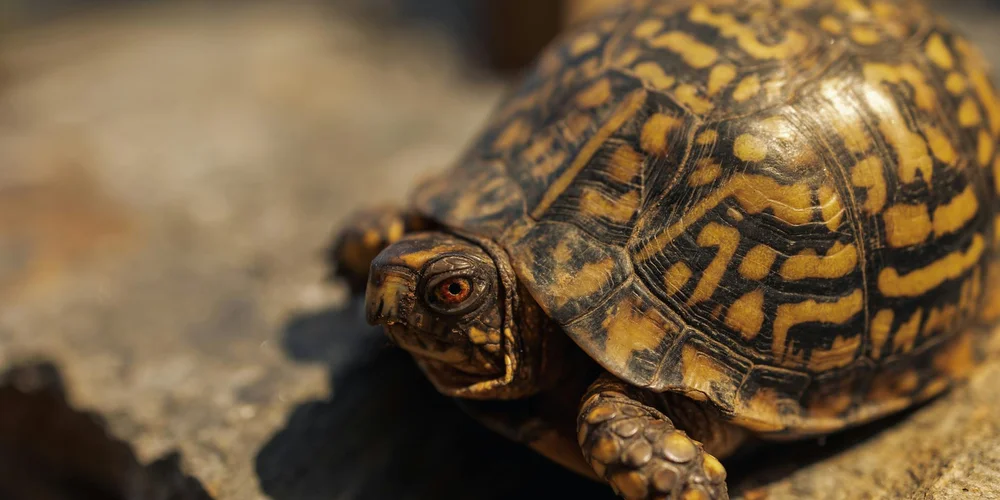
Observing your box turtle’s daily actions can reveal a lot about their well-being. Changes in appetite or shell condition often signal underlying health issues that need quick attention. I remember with Orwell, my box turtle, a sudden drop in eating led me to discover a minor infection, which we caught early thanks to routine checks. It’s so important to recognize the signs of illness in turtles to ensure they get the care they need promptly.
Stress can show up in subtle ways. Excessive hiding or unusual aggression might mean your turtle feels threatened or uncomfortable in their environment. Watch for these red flags to prevent long-term harm. Learn more about identifying stress in turtles and how to address it.
- Soft shells: This could point to metabolic bone disease from poor diet or lack of UVB light.
- Lethargy: If your turtle isn’t moving much, it might be due to incorrect temperatures or illness.
- Respiratory issues: Listen for wheezing or see bubbles around the nose, which often require a vet visit.
Here’s a simple checklist to track behavior and health weekly. Regular monitoring helps you spot trends and act fast if something seems off.
- Appetite: Note if they eat normally or refuse food.
- Activity level: Record basking, digging, or hiding times.
- Shell check: Look for cracks, soft spots, or discoloration.
- Social behavior: Watch for aggression or avoidance in multi-turtle setups.
Supporting Natural Behaviors in Captivity

Creating a habitat that mimics the wild encourages your turtle to thrive. Provide a varied terrain with areas for basking, digging, and hiding to reduce stress and promote natural instincts. In Orwell’s enclosure, I use a mix of soil and sphagnum moss for burrowing, which he loves after a warm day. Especially important is using the right substrate to support digging and nesting behaviors.
Avoid common mistakes like inconsistent temperatures or low humidity. Improper environmental controls can lead to health problems and suppressed behaviors. I learned this the hard way when Bronte, my Greek tortoise, became lethargic from a too-cool basking spot.
- Temperature gradients: Ensure a warm basking area around 85-90°F and a cooler zone around 70-75°F.
- Humidity levels: Keep it between 60-80% with regular misting to support shell health.
- Substrate depth: Offer at least 4-6 inches for digging and nesting behaviors.
Environmental enrichment makes a huge difference. Adding safe plants, varied foods, and objects to explore keeps turtles engaged and reduces boredom. I’ve seen Austen, my Russian tortoise, become more active with occasional leaf piles to root through. These enrichment activities keep turtles active and healthy. It’s a simple, rewarding way to support their well-being.
From my experience, rotating toys and introducing new scents weekly helps maintain curiosity. Simple changes like rearranging rocks or adding a shallow water dish can stimulate natural foraging and movement. DIY enrichment toys make your turtle more engaged and curious. They can be simple, safe, and budget-friendly, tailored to your tank setup. Always prioritize animal welfare by avoiding overcrowding and ensuring each turtle has personal space.
FAQs
What is general box turtle behavior?
General box turtle behavior encompasses daily activities like foraging and thermoregulation, which are essential for their survival and well-being. These behaviors are influenced by their environment and help them maintain energy levels and avoid predators.
What are key behavioral adaptations of box turtles?
Key behavioral adaptations include burrowing to regulate body temperature and hiding in response to threats, which minimize exposure to dangers. These actions allow them to conserve energy and adapt to seasonal changes effectively.
What are notable physical adaptations of box turtles?
Notable physical adaptations include a hinged plastron that enables them to seal their shell completely for defense against predators. Their sturdy limbs and claws support digging and climbing, aiding in navigation through varied habitats.
How do behavioral and physical adaptations complement each other in box turtles?
Behavioral adaptations like shell retraction are made possible by physical traits such as the hinged plastron, providing a seamless defense mechanism. Similarly, digging behaviors are enhanced by strong legs and claws, allowing efficient shelter creation and foraging.
What characterizes bog turtle behavior?
Bog turtle behavior is marked by a preference for wetland environments, where they actively forage for insects and vegetation in shallow waters. They often remain concealed in muddy areas to avoid detection and regulate their body temperature through basking on available surfaces. Understanding why they spend so much time out of water helps explain their basking behavior: warming up raises body temperature to support digestion and energy for foraging. Basking also helps dry the skin and reduce parasites, keeping bog turtles healthy in fluctuating bog habitats.
Your Journey with Your Box Turtle
Pay close attention to daily behaviors like burrowing or feeding to gauge your turtle’s health and mood. Through caring for Orwell, my box turtle, I’ve found that consistent observation builds a deeper bond and helps you meet their unique needs. Proper care is essential for their wellbeing and happiness.
Embrace your role as a lifelong learner to provide the best environment for your shelled companion. Always prioritize animal welfare by seeking out reliable resources and adapting your care practices over time.
Further Reading & Sources
- Eastern Box Turtle | National Wildlife Federation
- Eastern box turtle | Smithsonian’s National Zoo and Conservation Biology Institute
- All about box turtles
- Eastern Box Turtle – Lehigh Valley Zoo
Matthew is a dedicated turtle enthusiast and conservationist with over 15 years of experience in reptile care. Known affectionately as "The Leatherback" among his peers, he combines his passion for turtles with a commitment to educating pet owners on responsible turtle care and environmental stewardship.
Understanding Turtle Behavior