
Are Turtles Nocturnal? Understanding Turtle Sleep Patterns
Published on: April 19, 2026 | Last Updated: April 19, 2026
Written By: Matthew The
If you’ve ever caught your turtle snoozing at odd hours or wondered why they seem more active when you’re winding down, you’re not alone in your curiosity-many pet owners share this concern about their shelled companions.
From my years caring for turtles like Austen, my steady Russian tortoise, I’ve learned that their sleep habits can be surprisingly nuanced and tied to their unique needs.
We’ll explore whether turtles are truly nocturnal, how species and environment shape their rest, signs of healthy sleep, and simple ways to support their well-being.
What Does Nocturnal Mean for Turtles?
When we call an animal nocturnal, we picture it bustling about under the cloak of darkness. For a turtle, this isn’t a simple on/off switch. A nocturnal turtle isn’t just “awake at night”; it’s an animal whose entire biological rhythm is tuned to the moonlight. Their foraging, exploring, and even social interactions peak when the sun goes down.
My Russian tortoise, Austen, has his own internal clock that defies simple labels. While he’s mostly active by day, I’ve spotted him on summer nights, slowly patrolling his enclosure as if checking the perimeter. This crepuscular behavior-being active at dawn and dusk-is a common gray area in the turtle world. It shows their adaptability and that their activity is deeply tied to temperature and safety, not just a strict day/night cycle.
True nocturnal turtles have evolved specific traits for this lifestyle.
- Their vision is exceptionally adapted to low light.
- They often have heightened senses of smell and touch to navigate in the dark.
- Their shell color and pattern might provide better camouflage at night.
The Science of Reptile Sleep

Reptile sleep is a fascinating, ancient process that differs from our mammalian experience. Turtles don’t experience rapid eye movement (REM) sleep like we do. Instead, their rest is a state of profound, energy-conserving torpor that is essential for their slow-paced metabolism.
I’ve spent countless quiet evenings observing my turtles, Bronte and Orwell, as they settle in. Their sleep isn’t always a deep, unmoving slumber. You might see a leg twitch or hear a soft hiss as they adjust their position, which is part of their unique sleep-wake cycle. It’s a much lighter, more alert state than our own, a necessary adaptation for a creature that must always be somewhat aware of predators.
The science points to a few key factors that govern their rest.
- Temperature is the primary driver. A cold turtle is a slow, sleepy turtle. Their metabolic rate drops, forcing them into a state of inactivity.
- Light exposure sets their internal clock. The daily cycle of light and dark is the most powerful cue telling them when to be active and when to rest.
- Safety and security are paramount. A turtle will not rest deeply if it does not feel completely safe in its environment.
Understanding this helps us create better habitats for them. Providing a consistent day/night cycle and secure hiding spots isn’t just a luxury; it’s a requirement for their mental and physical health.
Sleep Patterns of Common Pet Turtles
Each turtle species has its own unique rhythm, and observing them can tell you a lot about their health and happiness. Coloration changes are a key part of this body language. By watching these shifts, you can understand a turtle’s mood and health.
Box Turtles
My box turtle, Orwell, often tucks himself into a cozy corner of his habitat as dusk settles. Box turtles are primarily crepuscular, meaning they are most active during dawn and dusk. They might take short naps during the day and sleep more soundly through the night. I frequently find him burrowed slightly under his substrate, completely hidden, for a secure night’s rest.
Red-Eared Sliders
These popular aquatic turtles have fascinating sleep habits. Red-eared sliders often sleep fully submerged in water, which can be surprising to new owners. They are capable of absorbing small amounts of oxygen through their skin, allowing them to rest on the bottom of a tank or pond for hours. You’ll often see them become less active as evening approaches, settling on a rock or the tank floor. It’s important to understand why turtles sleep underwater to ensure they have a healthy environment for rest.
Snapping Turtles
Snapping turtles are the night owls of the turtle world. These turtles are predominantly nocturnal, doing most of their hunting and exploring under the cover of darkness. They will typically spend their days resting, often buried in mud or vegetation, conserving energy for their nightly activities. This behavior makes them fascinating but less interactive pets during daytime hours.
Painted Turtles
Painted turtles follow a more diurnal, or daytime, schedule. You’ll often find them basking for hours on logs or rocks during the day to regulate their body temperature. Their sleep occurs primarily at night, where they will rest at the bottom of their aquatic environment or float near the surface. They are early risers, often becoming active with the first light of morning.
How Environment Shapes Turtle Sleep Cycles
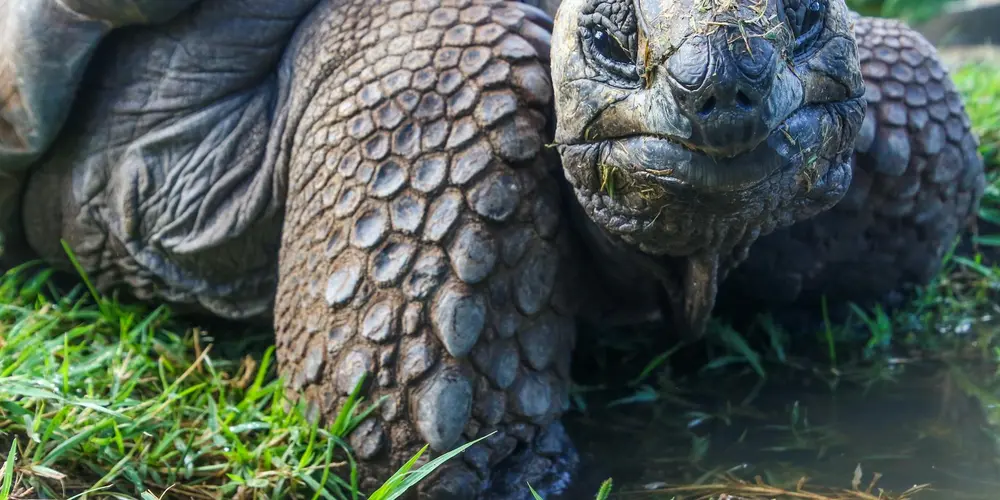
A turtle’s surroundings play a massive role in its daily rhythms, and small adjustments can make a big difference in their wellbeing. Weather and barometric pressure affects turtle behavior, with changes often signaling shifts in appetite and movement. Monitoring these atmospheric cues helps caretakers anticipate behavior and adjust care accordingly.
Light Exposure (Natural and Artificial)
The daily light cycle is the most powerful cue for a turtle’s internal clock. Consistent, appropriate lighting is the single most important factor for regulating a healthy turtle sleep schedule. I use timers for my turtles’ UVB and basking lamps to mimic a natural sunrise and sunset. Without this consistent cycle, turtles can become stressed and disoriented, leading to erratic sleep patterns.
Temperature Changes
Turtles are ectotherms, meaning they rely on external heat sources to control their body temperature. A proper temperature gradient in their habitat is non-negotiable for proper metabolic function and rest. A basking area should be significantly warmer than the rest of the enclosure. At night, when the heat lamp turns off, the overall temperature can safely drop, signaling to your turtle that it’s time to wind down and sleep. To decide if a nighttime heat source is necessary, consult a nighttime heat temperature management guide. It explains safe overnight temperature ranges and how to implement a gradual temperature drop.
Humidity Levels
For species like my box turtle Orwell, humidity is critical for comfort and health. Incorrect humidity can cause respiratory issues and prevent a turtle from settling down for proper rest. Too-dry air makes it difficult for them to breathe comfortably, while excessive dampness can lead to shell rot. I maintain a humid hide box filled with slightly damp sphagnum moss, which he often chooses as his preferred sleeping spot. It’s important to ensure the right substrate and humidity levels for box turtles to thrive.
Seasonal Variations
Turtles are deeply attuned to the changing seasons, even in a captive environment. Many species’ sleep patterns will naturally shift and lengthen as daylight hours shorten in the fall and winter. This is a natural preparation for brumation, a form of hibernation for reptiles. You might notice your turtle becoming less active, eating less, and sleeping more during these months. It’s a normal, healthy part of their annual cycle.
Creating Ideal Sleep Conditions for Pet Turtles

Watching my own turtles, Austen and Bronte, settle in for the night taught me that their sleep quality directly impacts their daytime vitality. A proper nighttime habitat is not a luxury; it’s a fundamental requirement for their health. Here’s how to build that sanctuary.
Lighting Setup and Timing
I mimic the sun’s natural rhythm for my crew. Their heat and UVB lamps are on a simple, reliable timer. A consistent 12-hour light and 12-hour dark cycle helps regulate their internal clocks, signaling clearly when it’s time to be active and when it’s time to rest. When the main lights go off, the enclosure should be genuinely dark to support proper sleep.
Temperature Management
Turtles need a temperature drop at night, but not a drastic chill. For my Russian and Greek tortoises, the ambient temperature dips to the low 70s Fahrenheit. The key is preventing sudden, sharp temperature fluctuations that can cause stress and disrupt their slumber. Always research the specific gradient needs for your turtle species. To diagnose your turtle’s habitat, use a simple checklist for lighting, heat, and water. That quick check helps ensure your setup has perfect lighting, heat, and water.
- Daytime Basking Spot: A focused area of 85-95°F for digestion and activity.
- Nighttime Ambient Temperature: A general drop of 5-10 degrees, but never below 65°F for most common species.
- Water Temperature: For aquatic turtles, a submersible aquarium heater maintains a stable, comfortable water temperature overnight.
Habitat Layout Considerations
My box turtle, Orwell, is a perfect example of a turtle who values his privacy. He always tucks himself into a sheltered corner. Providing multiple hiding spots, like half-logs, cork bark rounds, or dense, non-toxic plants, gives your turtle a choice of secure sleeping quarters. This allows them to feel safe and hidden from view, which is a primal need for a good night’s sleep.
Reducing Nighttime Disturbances
A quiet, low-traffic area is best for your turtle’s enclosure. Avoid placing the habitat where sudden noises or bright lights from a television or hallway will startle them after dark. I also advise against using red or blue “night lights,” as studies suggest turtles can still see these spectrums, which can interfere with their natural circadian rhythm. True darkness is the goal. Keep in mind that many turtles also benefit from a basking area with a heat lamp and UVB lighting. These provide the warmth and UV exposure needed for healthy shell and vitamin D metabolism.
When to Be Concerned About Your Turtle’s Sleep

Most shifts in a turtle’s sleep are perfectly normal, but some patterns can signal a health problem. Paying close attention to your turtle’s daily rhythm is one of the most powerful tools you have for spotting illness early.
Signs That Warrant a Vet Visit
From my years with Austen and Bronte, I’ve learned that a sudden, drastic change in behavior is often the first clue. Watch for these specific signs.
- Excessive Lethargy and Sleep: If your turtle is sleeping far more than usual and seems uninterested in food or basking for multiple days, it’s time to investigate.
- Sleeping in the Water Constantly: Aquatic and semi-aquatic turtles do sleep in water, but they should also haul out to bask and dry off. A turtle that never leaves the water risks shell rot and respiratory infections.
- Labored Breathing or Bubbles from the Nose: This is a classic symptom of a respiratory infection, which can make a turtle incredibly lethargic and is a serious condition.
- Sleeping with Eyes Swollen or Shut: Puffy, closed eyes can indicate a vitamin A deficiency or an infection, both of which require treatment.
Common Health Issues Linked to Sleep Changes
When a turtle’s sleep pattern goes haywire, it’s usually a symptom of an underlying issue. Here are the most frequent culprits I’ve encountered or learned about from reptile vets.
- Respiratory Infections: Often caused by incorrect temperatures or humidity. A sick turtle will be listless, may sleep with its head and neck extended, and can have a mucous discharge.
- Metabolic Bone Disease (MBD): Caused by insufficient UVB light or poor diet. A turtle with MBD may be too weak to climb onto its basking platform, leading it to sleep excessively in the water.
- Parasites: A heavy internal parasite load can drain a turtle’s energy, causing unusual lethargy and a lack of appetite.
- Impaction: If a turtle eats something it cannot digest, like gravel, it can become blocked. Lethargy is a key sign of this dangerous condition.
Trust your gut; you know your shelled friend’s normal personality and routines better than anyone. A single odd day is usually nothing to panic over, but a persistent pattern of abnormal sleep combined with other symptoms means it’s time to call your reptile veterinarian.
FAQs
Are turtles nocturnal or diurnal?
Most common pet turtles are not strictly nocturnal but are primarily diurnal, being most active during the day. However, some species, like snapping turtles, are more nocturnal, and many exhibit crepuscular activity at dawn and dusk.
Are turtles nocturnal during the day?
No, by definition, a nocturnal animal is active at night and sleeps during the day. A turtle that is active during daylight hours is considered diurnal or crepuscular, not nocturnal.
Are turtles nocturnal in the winter?
Turtles are not typically more nocturnal in winter, but their overall activity level drops significantly. Feeding slows as winter approaches, aligning with seasonal changes that trigger brumation. They enter a state of brumation, sleeping for extended periods and rarely being active during the day or night.
What does it mean if my turtle is active at night?
Some species are naturally more active at night, but a sudden change could indicate an issue. It may be a sign that their daytime environment is too stressful, their habitat is too hot, or they are not getting enough food.
Why do people on Reddit ask if turtles are nocturnal?
Many new turtle owners on Reddit notice their pets are active at unusual times and seek community advice. Observing a turtle resting often during the day can easily be mistaken for nocturnal behavior, leading to this common question.
Your Turtle’s Sleep Journey
Pay close attention to your turtle’s daily rhythms to spot if they favor night or day activity, as each species has unique needs. Creating a habitat with proper light and dark cycles mimics their natural environment and promotes restful sleep. To keep those cycles consistent, you can automate lights with timers or controllers. This ensures reliable day-night patterns even when you’re away.
From caring for my Russian Tortoise Austen, I know that staying curious about their behavior leads to better care and a stronger bond. Commit to ongoing learning about pet turtle care to ensure your shelled friend lives a healthy, fulfilling life.
Further Reading & Sources
- Are Turtles Nocturnal Or Diurnal? Their Sleep Behavior Explained – A-Z Animals
- Why is My Turtle Always Sleeping? – TurtleHolic
- Are Turtles Nocturnal?
- Are turtles nocturnal or diurnal? Do turtles sleep with their eyes open or closed? • Turtle Conservation Society of Malaysia
Matthew is a dedicated turtle enthusiast and conservationist with over 15 years of experience in reptile care. Known affectionately as "The Leatherback" among his peers, he combines his passion for turtles with a commitment to educating pet owners on responsible turtle care and environmental stewardship.
Understanding Turtle Behavior