
Do Turtles Need Water to Survive?
If you’re a new turtle owner, you might lie awake worrying if your shelled friend can survive without constant access to water, and that’s a common fear I’ve heard from many fellow enthusiasts. From my years caring for turtles like Austen, my steady Russian Tortoise, I’ve learned that water needs vary widely, and getting it right is key to their well-being.
In this guide, we’ll cover: types of turtles and their unique water dependencies, how to provide adequate hydration, signs of dehydration to spot early, and practical care tips based on real-life experiences. Drawing from my time with Bronte and Orwell, I’ll help you create a safe, watery haven that supports a long, healthy life.
The Essential Role of Water in Turtle Survival
Water is the lifeblood of a turtle’s world. It is not merely an environment; it is a vital resource that supports nearly every function of their bodies. From my years of caring for my tortoises, I’ve seen firsthand how access to water affects their daily rhythm and long-term health.
Hydration is the most obvious need. Turtles drink water, just like we do. My box turtle, Orwell, will often take long, deliberate drinks during his soaks. But water’s role goes much deeper than quenching thirst. Many aquatic and semi-aquatic turtles can actually absorb oxygen directly from the water through specialized tissues in their skin, throat, and even their cloaca. This process, called cutaneous and cloacal respiration, acts like a backup breathing system, especially during long dives or hibernation in cold water. Maintaining clean, well-oxygenated water and a warm, accessible basking area is essential for their respiration. In short, understanding do aquatic turtles breathe isn’t just about lungs; it’s about habitat and water quality that support their breathing needs.
Water is also a master temperature regulator. Turtles are ectotherms; they rely on their environment to control their body temperature. A dip in cool water can prevent overheating, while a warm, shallow area can provide a gentle heat source. It’s their built-in climate control system.
Here are the key functions water serves for a turtle:
- Drinking: Prevents dehydration and supports organ function.
- Swallowing Food: Most turtles need to be in water to swallow their meals effectively.
- Maintaining Shell Health: Proper hydration prevents the scutes (the keratin plates on the shell) from becoming dry and pyramided.
- Waste Elimination: Being submerged often helps stimulate defecation.
- Facilitating Movement: For many species, water provides buoyancy, making movement easier on their joints.
Aquatic, Semi-Aquatic, and Terrestrial Turtles: How Their Water Needs Differ
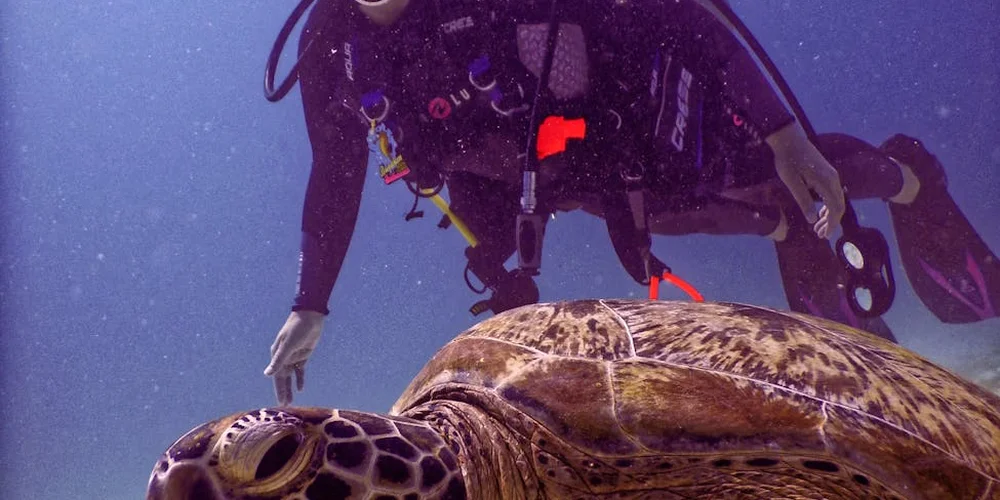
Not all turtles are created equal when it comes to their relationship with water. Their needs vary dramatically based on their evolutionary adaptations and natural habitats. Understanding this is the first step to providing proper care.
Aquatic turtles, like sliders and painted turtles, live almost entirely in water. They are powerful swimmers who eat, sleep, and breed submerged. Freshwater species require clean, dechlorinated water deep enough to swim and dive freely. Saltwater turtles, like sea turtles, have specialized glands to excrete excess salt, allowing them to live in the ocean-a setup impossible to replicate in a home aquarium.
Semi-aquatic turtles, a category many popular pet species fall into, need a careful balance. They require a spacious aquatic area for swimming and feeding, paired with a completely dry, warm basking spot. This dry area is non-negotiable; it allows them to fully dry out their shells to prevent fungal infections and regulate their body temperature. The humidity from the water area also helps keep their skin and shells healthy.
Terrestrial turtles, like my Russian and Greek tortoises, Austen and Bronte, have minimal water needs. They do not swim and can drown in deep water, so a shallow dish for drinking and occasional soaking is all they require. Their hydration often comes from a diet of fresh, water-rich greens and the occasional soak, which I provide for my tortoises once a week to ensure they are properly hydrated.
| Type | Primary Habitat | Water Requirement |
|---|---|---|
| Aquatic (e.g., Red-Eared Slider) | Ponds, Lakes, Rivers | Large, deep body of water for constant swimming and submersion. |
| Semi-Aquatic (e.g., Box Turtle) | Wetlands, Forest Edges | Significant water area for swimming paired with a large, dry land area for basking. |
| Terrestrial (e.g., Russian Tortoise) | Grasslands, Deserts | Shallow water dish for drinking; occasional shallow soaks for hydration. |
Setting Up a Healthy Water Habitat for Your Pet Turtle
Creating the right aquatic home is the single most important thing you can do for your shelled friend. A proper setup mimics their natural environment and directly supports their physical and mental health.
Choosing the Right Tank and Environment
The general rule for tank size is ten gallons of water per inch of your turtle’s shell length. My Russian tortoise, Austen, is land-based, but my aquatic friends need space. A small turtle quickly becomes a large one! Make sure you choose the right tank size for your aquatic turtles.
- Tank Size: Start with a 40-gallon breeder tank for a juvenile; upgrade to 75-120 gallons for most adult aquatic species.
- Water Depth: Provide a depth where your turtle can swim freely but also touch the bottom easily. A good start is 1.5 times their shell length.
- Water Temperature: Keep it species-specific, but generally between 75-85°F. Slider turtles prefer the warmer end, while some others like it slightly cooler.
Creating the Perfect Basking Area
Turtles are solar-powered. They need a completely dry area to haul out and soak up heat. This basking spot is non-negotiable for their digestion and shell health.
- Use a stable platform, like a floating dock or stacked rocks, that is easy for your turtle to climb onto.
- Position a reptile-specific heat lamp directly above the basking area to maintain a surface temperature of 90-95°F.
- Install a separate UVB light over this area; it’s essential for metabolizing calcium and preventing metabolic bone disease.
- Maintain ambient humidity around 60-80% by partially covering the tank or adding a large water bowl on the dry side.
Essential Supplies You Can’t Skip
After years of trial and error, I’ve learned that skimping on equipment costs more in vet bills later.
- Canister Filter: Turtles are messy. A filter rated for 2-3 times your tank’s volume is a must.
- Submersible Water Heater: Choose one with an adjustable thermostat and a guard to prevent burns.
- Water Conditioner: Always treat tap water to remove chlorine and chloramines before it touches your turtle.
My biggest early mistake was underestimating the power of filtration. I once thought a small filter would suffice, and my turtle developed a minor shell infection from the poor water quality. Now, I always opt for over-filtration. That experience highlights water quality woes and six common filtration mistakes turtle owners make. Knowing them helps you avoid similar problems.
Water Depth and Quality Essentials
Water is your turtle’s world. Getting the depth and cleanliness right is what separates a thriving pet from a struggling one. Knowing how much water your turtle tank needs can make all the difference.
The ideal water depth allows for energetic swimming but also provides security. Too shallow, and they can’t exercise properly. Too deep without easy exit points can lead to exhaustion and drowning for some species.
Clean water is your best preventative medicine. Dirty water is a breeding ground for bacteria and fungi that cause shell rot, skin infections, and eye problems.
- Test your water weekly for ammonia, nitrite, and nitrate levels using an aquarium test kit.
- Perform a 25% water change every week to remove waste and replenish minerals.
- Vacuum the substrate during water changes to suck up leftover food and debris.
- Rinse filter media in old tank water monthly to preserve beneficial bacteria.
Do Turtles Need Filters and Heaters?
Absolutely. Think of a filter as your turtle’s life support system. A powerful filter processes the high waste load, keeping the water safe for them to live and breathe in. Turtles release waste directly into their water, and without a filter, toxic ammonia builds up rapidly.
Heaters are equally critical for most aquatic species. A stable, warm temperature supports their immune system and digestion. Cold water makes turtles lethargic and stops them from eating properly.
You’ll know the water quality is poor if you notice these signs:
- Cloudy or smelly water
- Your turtle is lethargic and refusing food
- Red, puffy eyes or a slimy feeling on the shell
Address this immediately with a significant water change and a check of your filter system.
Recognizing and Addressing Dehydration in Turtles
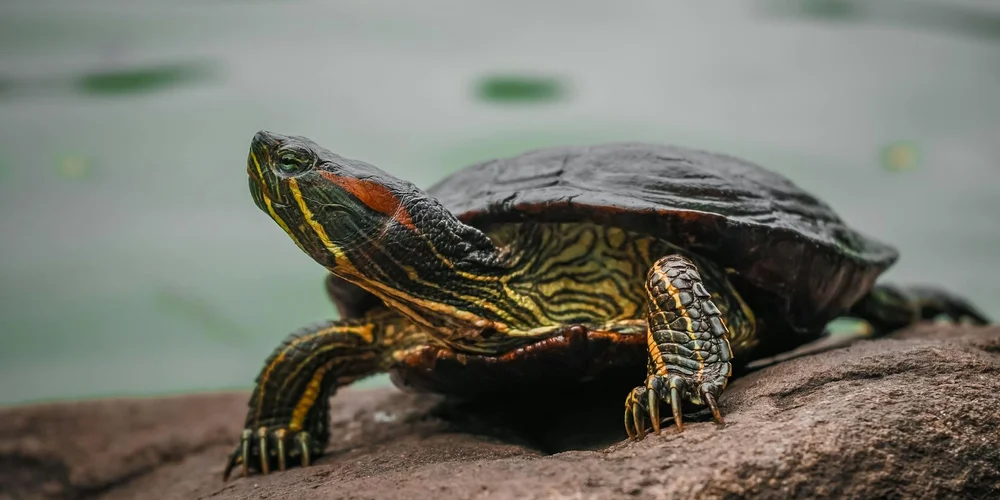
Dehydration is a silent danger, especially for turtles that spend less time in the water. You must be a keen observer.
Watch for sunken or dull-looking eyes-this is often the first and most telling sign. Other symptoms include persistent lethargy, loss of appetite, and dry, flaky skin. In severe cases, the skin may not retract properly.
If you suspect dehydration, act calmly and methodically.
- Offer fresh, shallow water for drinking immediately.
- Create a “soaking station” in a separate container with lukewarm, treated water that only comes up to their chin-plastron (bottom shell) joint.
- Soak them for 15-20 minutes daily, supervising closely, to allow them to absorb water through their skin and cloaca.
- Consult a reptile veterinarian if there is no improvement within a day or if the turtle seems very weak.
Prevention is always simpler than treatment. Ensure your turtle has constant access to clean drinking and swimming water. For species like my tortoises, I provide a humid hide box filled with damp sphagnum moss to burrow in.
I once noticed my Greek tortoise, Bronte, was less active and her eyes seemed a bit dull. She hadn’t been using her water dish as much. I started daily soaks for a week, and her spark returned. It was a small reminder that even the most graceful creatures need our vigilance with their hydration.
Species-Specific Water Care: From Box Turtles to Snappers

My own Russian tortoise, Austen, requires vastly different care than a fully aquatic turtle. Each species has evolved for a specific environment, and providing the wrong type of water access can lead to serious health issues. You must research your specific turtle’s natural home, whether that’s a forest floor, a slow-moving river, or a pond.
Here is a quick reference for the water needs of common pet species:
- Box Turtles (like my Orwell): These are semi-terrestrial. They need a shallow water dish large enough for them to soak their entire body, but not so deep they could drown. The water should be fresh and changed daily, as they often defecate while soaking.
- Painted Turtles: These turtles are highly aquatic. They require a large tank with a significant swimming area. The water must be deep enough for them to swim freely and be equipped with a powerful filter to handle their waste, mimicking the clean rivers and ponds they inhabit.
- Snapping Turtles: As primarily aquatic creatures, snappers need the most spacious and deepest water setups. They are powerful swimmers and require an environment that allows for ample movement and submerged hiding places. A small enclosure is a severe compromise to their welfare.
I learned this the hard way when I first got Orwell; a deep water bowl made him anxious. Observing your turtle’s behavior in its provided water source is the ultimate test of whether its needs are being met. Knowing how to tell when a turtle is stressed helps you act quickly. If you notice signs your turtle is stressed, like excessive hiding, gasping, or refusing to eat, seek help to adjust the setup or consult a reptile specialist.
Daily Water Management and Long-Term Health
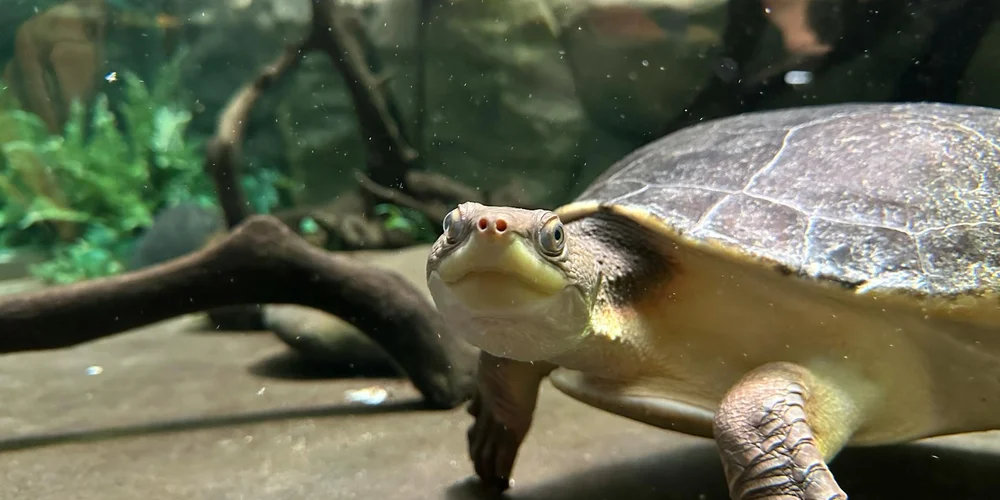
Caring for your turtle’s water is as routine as feeding them. A consistent daily check of water levels and clarity prevents a host of common health problems. I start each morning by ensuring Austen and Orwell’s soaking dishes are full and clean. Beyond daily checks, I also schedule a weekly water change and a monthly filter clean to cover the broader care tasks. These daily, weekly, and monthly routines help keep their aquatic world healthy.
Your turtle’s diet and water intake are deeply connected. Many turtles will only drink while soaking, and some aquatic species eat their food in the water. This means a dirty habitat can lead to your turtle ingesting contaminated water along with its meal, a direct path to illness. Always remove uneaten food promptly to maintain water quality.
Your care must adapt over time. As turtles age, they may become less active and require slightly different basking and soaking arrangements. Seasonal changes in your home, like lower humidity in winter, might mean you need to offer soaking opportunities more frequently. For senior turtles, diet and habitat often need tweaks as they age. Adjust portions and feeding frequency, and keep the enclosure easy to access and safe for an aging pet.
The most valuable tool you have is your own eyes. Watch how your turtle interacts with its water-does it soak eagerly, avoid it, or struggle to get in and out? These behaviors are direct feedback. If your box turtle never soaks, the dish might be the wrong shape. If your painted turtle seems lethargic, the water temperature could be off. Your turtle is communicating its needs every day; you just have to learn to listen.
FAQs
Do turtles need water to swallow their food?
Yes, most turtles require being submerged in water to swallow their meals properly. The water helps lubricate their throat and aids in moving food down their digestive tract.
Do turtles need water when they are sun basking?
No, turtles do not need water directly while basking as the area must stay dry to prevent shell issues. However, they should have easy access to water nearby for hydration and temperature regulation after basking.
Do turtles need water to breathe?
While turtles primarily breathe air, many aquatic species can absorb oxygen from water through specialized skin and cloacal tissues. Some aquatic turtles can exchange gases through the cloaca, a capability sometimes described as ‘breathing through their anus’. It highlights how cloacal respiration supplements lung breathing rather than replacing it. This supplemental respiration supports them during extended dives but does not replace the need to surface for air.
Your Turtle’s Lifeline: Water Wisdom
From observing my Russian tortoise Austen’s steady habits, I’ve learned that water is non-negotiable for a turtle’s survival, supporting everything from hydration to shell health. Always ensure your pet has access to fresh, clean water in a setup that allows for natural behaviors like swimming and soaking, and for drinking water specifically.
Commit to regular research and adjustments in care, as each species, like my Greek tortoise Bronte, has unique needs that evolve. Staying curious and proactive in your learning journey helps you provide a thriving environment for your shelled friend.
Further Reading & Sources
- Aquatic Turtle Care Sheet | PetMD
- AQUATIC TURTLE HUSBANDRY SHEET
- What Kind of Water Does an Aquatic Turtle Need? | Pets on Mom.com
- Feeding Aquatic Turtles | VCA Animal Hospitals
Matthew is a dedicated turtle enthusiast and conservationist with over 15 years of experience in reptile care. Known affectionately as "The Leatherback" among his peers, he combines his passion for turtles with a commitment to educating pet owners on responsible turtle care and environmental stewardship.
Aquatic Turtles