
How Do Snapping Turtles Survive the Winter?
Staring at an icy pond, you might worry how snapping turtles avoid freezing or starving-but these resilient reptiles have mastered winter survival in ways that still amaze me.
From caring for my own tortoises, I’ve seen reptiles slow down in cooler months, yet snapping turtles take adaptation to another level beneath the frozen surface.
We’ll cover their brumation habits, oxygen-saving tricks, and how they dodge predators, all wrapped in easy-to-follow insights.
Understanding Brumation: The Turtle’s Winter Slumber
When temperatures drop, snapping turtles don’t hibernate like bears; they enter a state called brumation. I’ve observed this slowed-down rhythm in my own tortoises, Austen and Bronte, during cooler months in their indoor habitats. Brumation is a reptile-specific dormancy where their metabolism slows to a near standstill, allowing them to survive without food for months.
Their heart rate and breathing become almost undetectable. They don’t eat, and they barely move. This isn’t a deep, continuous sleep but a state of suspended animation where they might occasionally shift or even drink a little water. This incredible metabolic shutdown is their primary defense against freezing temperatures and food scarcity.
How Brumation Differs from Mammalian Hibernation
- Intermittent Activity: Brumating turtles may briefly stir on warmer winter days, whereas true hibernators sleep straight through.
- Metabolic Process: Their systems slow down, but they still rely on some ambient warmth from their environment, unlike hibernators who generate their own internal heat.
- Water Dependency: They may still need to hydrate, which is why access to unfrozen water, even if they don’t swim, is critical for wild turtles.
Wild Snapping Turtle Winter Survival Strategies
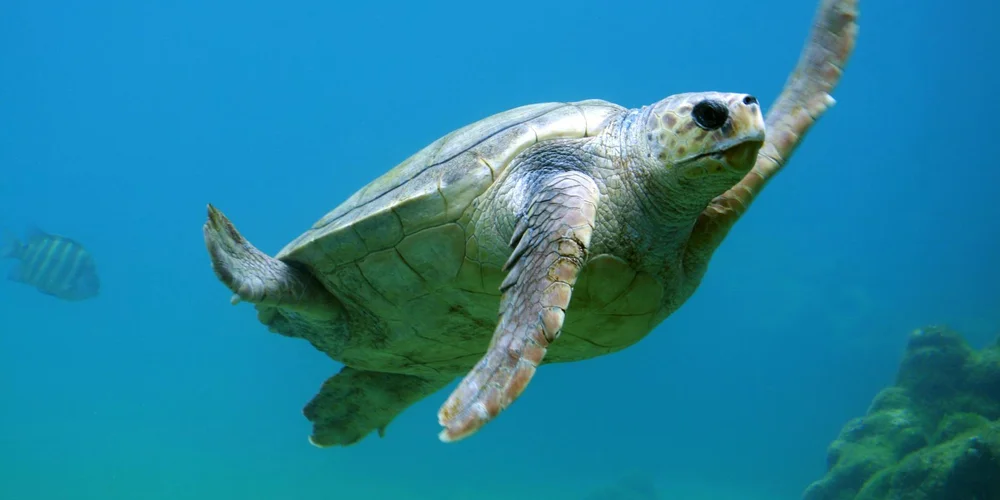
In the wild, a snapping turtle’s winter strategy is a masterclass in energy conservation. They seek out the mud at the bottom of ponds, lakes, or slow-moving streams. Buried in the mud, they are insulated from the worst of the cold and hidden from potential predators.
I think of my box turtle, Orwell, who always finds the perfect, cool spot to dig in during the fall. It’s the same instinct, just on a much larger, wilder scale. The water itself provides a more stable thermal environment than the air, rarely dropping below freezing even when the surface is iced over.
Key Adaptations for Subzero Survival
- Cloacal Respiration: This is their superpower. Tissues in their cloaca can absorb oxygen directly from the water, allowing them to “breathe” underwater without using their lungs.
- Antifreeze Blood: High levels of glucose in their blood act as a natural antifreeze, preventing ice crystals from forming in their tissues.
- Energy from Anaerobic Metabolism: When oxygen is extremely low, they can switch to metabolizing energy without it, a process that creates lactic acid. They are uniquely tolerant of this acid buildup.
Their entire existence from late fall to early spring is a testament to minimalism. They survive not by fighting the winter, but by becoming a part of the frozen landscape itself, waiting patiently for the sun’s return.
The Science of Survival: Metabolism and Oxygen in Cold Water
When winter’s chill sets in, a snapping turtle’s internal furnace nearly shuts off. Their metabolism slows to a tiny fraction of its warm-weather rate. This isn’t just sleeping; it’s a state of suspended animation called brumation, where they don’t need to eat for months. Their heart rate drops to maybe one beat every several minutes. I’ve watched my own tortoises become profoundly still as temperatures fall, a visible echo of this wild process. These brumation habits closely resemble hibernation in other reptiles.
But here’s the real puzzle: how do they breathe? A frozen lake offers no air. The answer is nothing short of miraculous. Snapping turtles switch their primary breathing from lungs to their skin and the lining of their throat and cloaca. They absorb just enough dissolved oxygen directly from the water to sustain their minimal life functions. In winter, they can stay submerged for months by brumating and slowing their metabolism, continuing to take in oxygen from the water through their skin and cloaca as needed.
This process, called cutaneous and cloacal respiration, is incredibly efficient in cold water. Colder water holds more dissolved oxygen, and their drastically reduced metabolic needs require very little of it. They exist in a delicate balance, needing just enough oxygen to prevent fatal lactic acid buildup in their tissues. It’s a precarious, energy-saving mode that sees them through to spring.
Where Do Snapping Turtles Go in the Winter?
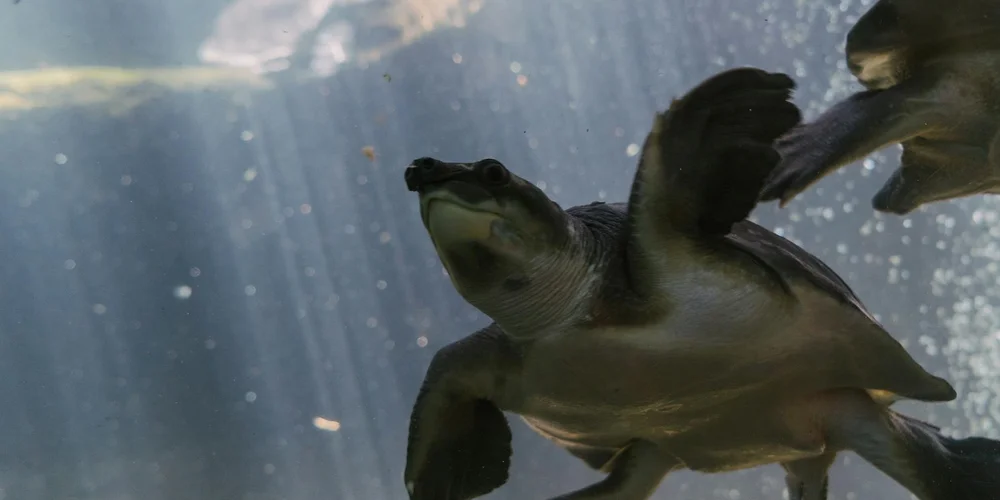
Preferred Hibernation Sites and Microhabitats
Snapping turtles are not casual about picking their winter bed. They seek out specific aquatic environments that offer the best chance of survival. You won’t find them hibernating on land or in a shallow, freezing puddle. These choices reflect their thermoregulatory behavior and energy-saving strategies during dormancy. Biologists study these patterns to understand how physiology and habitat shape snapping turtle wintering behavior.
- The Muddy Bottoms of Ponds and Lakes: This is their classic refuge. They burrow deep into the soft, anoxic mud at the bottom. The mud itself acts as an insulator, protecting them from the freezing water above and preventing them from being jostled by ice movement.
- Slow-Moving Streams and Riverbanks: In larger water bodies, they often tuck themselves under submerged banks, root systems, or ledges. These spots provide physical protection from currents and potential predators.
- Emergent Wetlands with Deep Muck: Marshes and wetlands with a thick layer of decaying plant matter are ideal. The decomposition process can even slightly warm the immediate environment, creating a critical microhabitat.
- Burrows and Hollows: Sometimes, they will occupy and modify existing burrows, like those left by muskrats, or settle into deep hollows filled with leaf litter on the submerged forest floor.
The common thread is a need for stability and insulation. They instinctively seek places where the water will not freeze solid all the way to the bottom and where they can remain completely undisturbed. A sudden disturbance forcing them to move could burn their precious energy reserves, a death sentence in the heart of winter.
Caring for a Pet Snapping Turtle in Winter
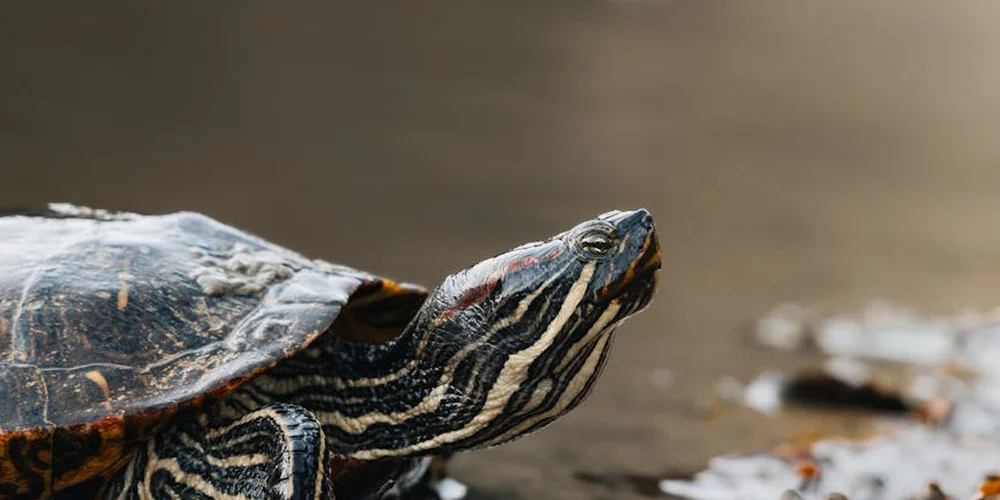
Winter brings unique challenges for keeping your snapping turtle healthy and comfortable indoors. Based on my years with reptiles like Austen and Bronte, I’ve learned that mimicking natural conditions prevents stress and supports their well-being. Snapping turtles, unlike my tortoises, need specific aquatic and terrestrial setups to thrive during colder months.
Step-by-Step Guide to Indoor Winter Setup
Creating a safe winter environment requires attention to temperature, lighting, and habitat structure. Start by ensuring your turtle’s enclosure maintains a stable temperature between 70-80°F to mimic their natural resilience. As you diagnose your turtle’s habitat, use a checklist that covers lighting, heat, and clean water. These elements define a complete, safe setup. Here’s how to set it up step by step:
- Check and adjust the water heater to keep the aquatic area from dropping below 65°F, as cold shocks can harm their metabolism.
- Install a basking lamp over a dry area, set to 85-90°F, so your turtle can regulate its body temperature like wild ones do.
- Add hiding spots with rocks or logs to reduce stress; I’ve seen how Bronte seeks shelter when temperatures dip.
- Use a submersible filter to keep water clean, replacing 25% weekly to prevent bacteria buildup.
- Monitor humidity with a hygrometer, aiming for 60-70% to support respiratory health without mold growth.
After setting up, observe your turtle’s behavior for a day or two. If they avoid basking or seem sluggish, tweak the heat sources gradually to avoid sudden changes. If your turtle still isn’t basking, check our complete troubleshooting guide for step-by-step checks on lighting, UVB exposure, and basking spot temperatures. It will guide you through common causes and fixes.
Monitoring Your Turtle’s Health Through the Season
Regular checks help catch issues early, much like I do with Orwell’s shell inspections. Watch for changes in appetite, as reduced eating can signal temperature problems or illness. Keep a simple log to track these signs:
- Activity levels: Note if your turtle is less active than usual, which might indicate discomfort.
- Eating habits: Offer small, varied meals and record consumption; a healthy snapping turtle should eat regularly.
- Shell and skin: Look for cracks, discoloration, or soft spots that could point to nutritional deficits.
- Water behavior: Ensure they swim smoothly; labored movements might mean respiratory issues.
Weigh your turtle monthly to spot weight loss. Sudden drops often require a vet visit, as I learned when Austen needed extra care one chilly year.
Recognizing and Responding to Winter Health Concerns
Winter can exacerbate health problems, so prompt action is key to your turtle’s survival. Respiratory infections are common in cold, damp setups, showing as wheezing or nasal discharge. These are early warning signs of respiratory infections in turtles, so recognizing them early is important. Early detection can improve treatment outcomes. If you notice these, isolate the turtle in a warmer, dry area and consult a reptile vet immediately.
Lethargy or refusal to eat for over a week might indicate brumation-like stress. Gradually increase enclosure warmth and offer high-protein foods to stimulate appetite. For shell rot, clean affected areas with a vet-approved antiseptic and improve water quality.
- Swelling or redness: Could be an infection; seek professional advice to avoid complications.
- Abnormal feces: Diarrhea or undigested food may signal parasites; a fecal exam by a vet is wise.
Always handle your turtle gently to minimize stress. Advocating for animal welfare means prioritizing their comfort over convenience, especially in winter’s harsh模拟.
Legal and Ethical Considerations for Snapping Turtle Care
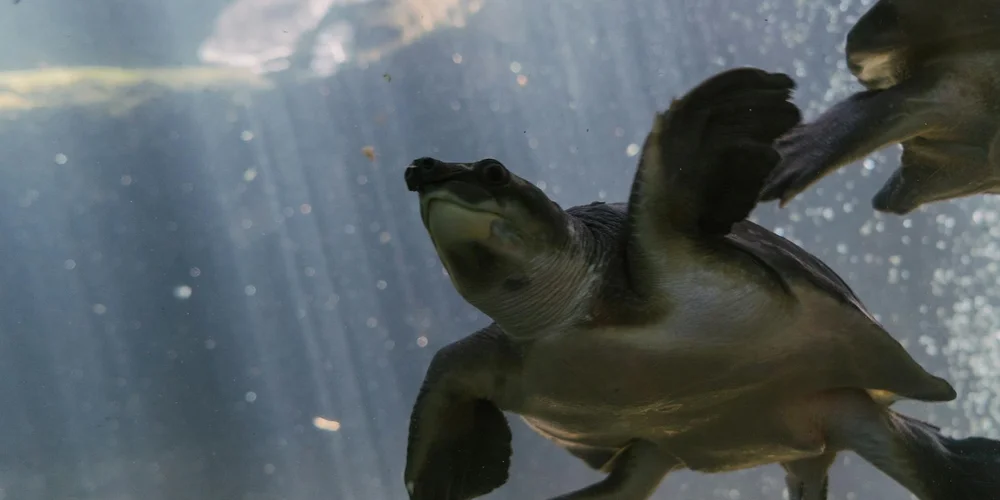
Before you even consider creating a winter habitat for a snapping turtle, you must confront the legal reality. In many regions, keeping native snapping turtles as pets is either heavily regulated or outright prohibited without specific permits. I learned this the hard way years ago when I first became fascinated with turtles; assuming they were like other reptiles was a mistake. You must contact your state’s fish and wildlife department to understand the exact laws in your area.
Why These Laws Exist
These regulations aren’t arbitrary bureaucracy. They exist for vital conservation reasons. Snapping turtles are a crucial part of local ecosystems. Removing them can disrupt the natural balance of ponds and wetlands. These laws protect wild populations from being depleted by the pet trade, ensuring these ancient creatures thrive in their natural homes. Ethical considerations also come into play when deciding whether to keep a turtle as a pet: is it right to remove wildlife from its habitat, and can you meet its long-term care needs? If you do keep a turtle, prioritize humane sourcing and a proper, enriched habitat.
The Ethical Responsibility of Care
Legality is one thing; ethics are another. Even if you obtain a turtle legally, you are taking on a monumental responsibility.
- They are not domesticated animals. Unlike my Russian tortoise, Austen, who is content in his enclosure, snapping turtles retain their wild instincts. They do not seek affection and can be defensive.
- Their space requirements are immense. An adult common snapping turtle needs a pond-sized enclosure, often hundreds of gallons, to thrive. A simple aquarium will not suffice, especially for overwintering.
- Their lifespan is a commitment. These turtles can live for decades. Caring for one is a commitment that could span most of your adult life.
A Personal Reflection on Wild Animals
Observing my box turtle, Orwell, has taught me that some creatures are best appreciated from a distance. The most ethical choice for animal welfare is often to support conservation efforts that protect snapping turtles in the wild, rather than attempting to replicate their complex needs in captivity. Their incredible winter survival strategy is a testament to their adaptation to a specific wild environment—one that is nearly impossible to perfectly duplicate in a home setting. Understanding turtle habitats in the wild shows why they belong there, not as kept pets. If you’re curious, support habitat conservation or visit them in protected areas rather than trying to recreate their wild home at home.
If your heart is set on turtle companionship, I strongly advocate for adopting a captive-bred species that is better suited to life as a pet. Choosing a species that thrives in captivity is a more humane and manageable way to enjoy the wonders of turtle care.
FAQs
Is it legal to own a snapping turtle in Texas?
Laws vary by state, and in Texas, a permit is generally required to possess most native snapping turtles. You must always check with Texas Parks and Wildlife Department for the most current regulations before acquiring one.
How can I identify a snapping turtle in Oklahoma?
Snapping turtles are identified by their large heads, powerful hooked jaws, and long, saw-toothed tails. They lack the bright patterns of some other turtles and have a rugged, prehistoric appearance.
What is an interesting fact about snapping turtles?
Their tongues have a unique, worm-like appendage that they use as a lure to attract fish. This is a specialized hunting adaptation not seen in most other turtle species.
Can you find snapping turtles for sale in Tennessee?
While some breeders may offer them, Tennessee has strict regulations, and a permit is often required. It is crucial to verify both state legality and the seller’s credibility to ensure the animal was captive-bred.
Where do snapping turtles go when their pond freezes?
They remain in the water, burying themselves in the muddy bottom of the pond or lake. The mud and water provide insulation, protecting them from freezing solid even when the surface is iced over.
Your Guide to Turtle Winter Wisdom
Snapping turtles endure cold months by entering brumation, a deep rest that slows their metabolism and conserves energy. Providing a stable, undisturbed environment mimics their natural survival tactics and supports their health. To support this phase, focus on creating an ideal brumation environment for your turtle. This means a quiet, dim setup with stable temperatures and minimal disturbance.
Responsible pet ownership involves committing to ongoing education about your turtle’s unique needs and behaviors. I’ve found with my own turtles, like gentle Austen and thoughtful Bronte, that continuous observation and learning directly enhance their quality of life and welfare.
Further Reading & Sources
- How Do Turtles Survive the Winter? – Carleton College
- Where do the Turtles Go During the Winter? – C&O Canal Trust
- Is That a Turtle Under the Ice? – Cool Green Science
- Zoo News Where Did The Turtles Go For The Winter?
Matthew is a dedicated turtle enthusiast and conservationist with over 15 years of experience in reptile care. Known affectionately as "The Leatherback" among his peers, he combines his passion for turtles with a commitment to educating pet owners on responsible turtle care and environmental stewardship.
Winter Care