
My Turtle Isn’t Basking: A Complete Troubleshooting Guide
Published on: July 20, 2026 | Last Updated: July 20, 2026
Written By: Matthew The
When your turtle isn’t basking, it’s natural to feel a pang of worry about their health and comfort. I’ve been there with my own turtles, like Austen and Bronte, and that uneasy feeling is a sign you care deeply.
Basking helps turtles digest food, absorb essential UVB light, and stay active. Missing this behavior can hint at underlying issues we need to address gently.
This guide will explore common causes, including temperature checks, lighting setup, habitat adjustments, and health monitoring, with easy-to-follow solutions.
Understanding Turtle Basking Behavior
Basking is when your turtle hauls itself completely out of the water to rest under a heat source. This sunbathing ritual is not a luxury; it’s a fundamental pillar of their health. The dry heat helps them regulate their body temperature, as they are ectotherms relying on their environment to get warm. Understanding this behavior helps explain why they spend so much time basking out of water. It supports thermoregulation and essential metabolic processes that water alone can’t provide.
This warmth is vital for efficient digestion and a robust immune system. Perhaps most critically, basking under a specialized UVB light allows them to produce Vitamin D3, which is essential for absorbing calcium and building a strong, healthy shell. Without it, they can develop metabolic bone disease, a serious and painful condition.
A healthy turtle will typically bask for a few hours each day, often in several shorter sessions. You’ll notice patterns, like basking after a big meal to aid digestion or first thing in the morning to warm up. The exact duration varies by species and individual personality.
My Russian tortoise, Austen, is a creature of habit. He finds his favorite sunny spot by 10 AM and stays there, perfectly still, for a good two hours. My box turtle, Orwell, is different. He prefers shorter, more frequent sessions, popping out for twenty minutes here and there throughout the day, always alert and watching his surroundings. Observing these personal routines helps me know when something is off.
Creating the Perfect Basking Environment
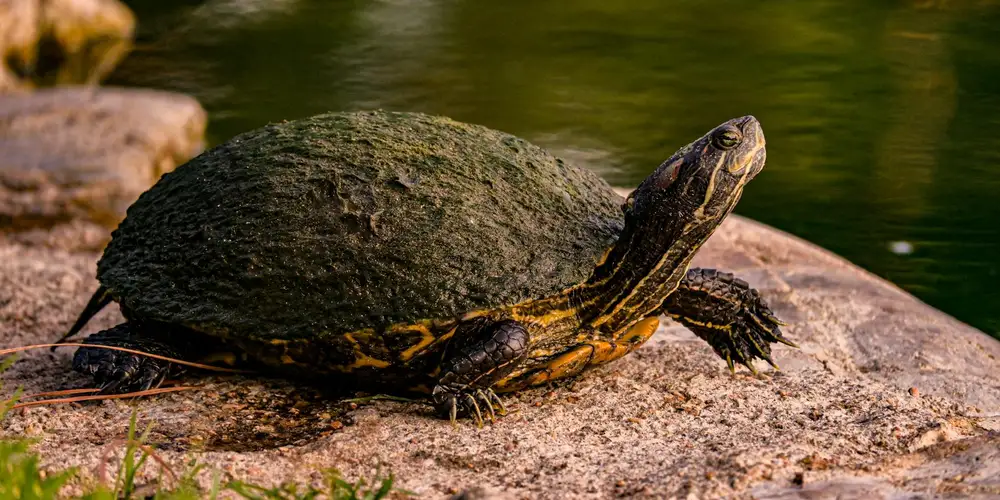
Optimal Temperature and Lighting Setup
Getting the temperature right is your first priority. The basking spot itself should be a warm, inviting island. For most common aquatic turtles like sliders and cooters, aim for a basking surface temperature between 90°F and 95°F (32°C – 35°C). For tortoises like my Greek and Russian, the range can be slightly wider, from 85°F to 95°F (29°C – 35°C). Always research your specific species.
UVB lighting is non-negotiable. Your turtle needs a high-quality, linear fluorescent UVB tube light that covers at least half the enclosure’s length. These bulbs lose their potency long before they burn out, so replace them every 6 to 12 months. To mimic a natural day cycle, keep both the heat and UVB lights on for 10-14 hours a day using a simple timer.
Placement is everything. Your heat lamp should be positioned directly over the basking platform, close enough to achieve the correct temperature but not so close it poses a burn risk. I always use a digital thermometer with a probe to check the temperature right on the basking platform’s surface, not just the air. For ultimate control and safety, plug your heat lamp into a thermostat.
Basking Area Design and Placement
The platform itself must be easy to climb onto, stable, and large enough for your turtle to rest comfortably entirely out of the water. This is a key part of creating the perfect basking area for your aquatic turtle. A well-designed basking spot helps your turtle dry, thermoregulate, and stay healthy. A good rule is that the basking area should be at least 1.5 times the length of your turtle’s shell. Use materials like driftwood, slate, or commercial turtle docks that provide good traction and are easy to clean.
Position the platform so it’s partially submerged or has a gentle ramp, making access effortless. Ensure the platform is situated in a quiet corner of the tank, away from high-traffic areas, to make your turtle feel secure and undisturbed. They are less likely to bask if they feel exposed or stressed.
In a standard single-turtle setup, one well-designed basking spot is sufficient. For larger enclosures or tanks housing multiple turtles, provide multiple basking areas to prevent competition and bullying. This gives each turtle a chance to thermoregulate in peace, supporting the welfare of all your shelled friends.
Common Reasons Your Turtle Avoids Basking
-
Temperature Issues
Your turtle’s body relies on external heat to function properly. If the water feels chilly to you, it’s definitely too cold for your turtle. I learned this firsthand when my Russian tortoise, Austen, became lethargic in slightly cool weather. An ideal water temperature keeps your turtle active and aids digestion, while a basking spot that’s too hot or too cool won’t invite relaxation. Use separate thermometers for water and basking areas to remove any guesswork.
-
Poor Lighting
UVB light is non-negotiable for shell health and calcium metabolism. A weak or old UVB bulb, even if it still emits visible light, often fails to provide the necessary rays. Replacing UVB bulbs every six months is a standard practice, as their output diminishes long before the light burns out. I also maintain a consistent day-night cycle with a timer, mimicking the natural rhythm my turtles would experience outdoors.
-
Environmental Stress
Turtles are sensitive creatures that thrive on calm and predictability. Loud household noises, frequent tapping on the glass, or aggressive tank mates can make the exposed basking area feel unsafe. Creating a peaceful corner for the enclosure, away from high-traffic areas, can significantly reduce stress-related basking avoidance. Even my gentle Greek tortoise, Bronte, will retreat if she feels too observed.
-
Health Concerns
A turtle that isn’t basking might be feeling unwell. Shell problems, like soft spots or fungal infections, can make direct heat painful. Dehydration or respiratory infections also sap their energy. Any sudden change in behavior, especially paired with lethargy or loss of appetite, is a strong signal to consult a reptile-savvy veterinarian. My box turtle, Orwell, once avoided his lamp for days, which turned out to be the first sign of a minor infection.
-
Enclosure Issues
A dirty tank with poor water quality is an unhealthy environment that discourages natural behaviors. A cramped space or a basking platform that’s difficult to climb onto can also be a major barrier. Regular partial water changes and a spacious, well-structured habitat are fundamental to encouraging your turtle to bask regularly. Adding smooth rocks and driftwood provides enrichment and makes the entire environment more inviting.
Step-by-Step Troubleshooting Process
-
Check and Adjust Temperature Gradients
Start by measuring the temperature in three key zones: the cool end of the water, the warm end of the water, and the very center of the basking platform. A proper gradient allows your turtle to self-regulate, moving to the exact spot it needs to warm up or cool down. Adjust your heaters and basking lamps until you achieve a warm basking area and a comfortably cool aquatic zone. For painted turtles, getting the basking platform right—especially lighting and temperature—is essential for shell health. This painted turtle basking platform setup lighting temperature guide covers ideal temperatures, lamp types, and placement tips to keep your turtle comfortable and active.
-
Verify UVB and Heat Lamp Functionality
Check that all lights are working and are the correct type and strength for your species. Hold your hand under the basking spot-it should feel like warm sunshine, not an intense, scorching heat. The lamp should be positioned close enough to provide warmth but not so close that it poses a burn risk, typically 10-12 inches above the platform.
-
Assess Basking Platform Accessibility and Comfort
Get down to your turtle’s eye level and look at the ramp or climb to the platform. Is it too steep? Is the surface too smooth? The journey to the basking area must be an easy, secure climb; otherwise, your turtle will simply not make the effort. A textured, gently sloped ramp is often the perfect solution.
-
Test Water Quality and Overall Hydration
Use a water test kit to check for high levels of ammonia, nitrites, or nitrates. Clean, filtered water is vital. Also, ensure your turtle is well-hydrated by observing its skin and eyes, and by offering fresh water for drinking. Dehydration can cause a turtle to avoid the drying heat of the basking lamp.
-
Evaluate Environmental Stressors and Tank Mate Dynamics
Watch your turtles interact. Is one being bullied away from the basking spot? Are there loud noises or vibrations from appliances? Sometimes, the simplest fix is moving the tank to a quieter room or separating incompatible animals to give everyone a chance to thrive.
-
Monitor for Signs Requiring Veterinary Attention
If you’ve addressed all the above and your turtle still refuses to bask for more than a couple of days, it’s time to look closer. Watch for symptoms like wheezing, swollen eyes, a soft shell, or persistent lethargy-these are clear indicators that professional medical help is needed. Prompt action can make all the difference for their recovery.
Encouraging Reluctant Baskers
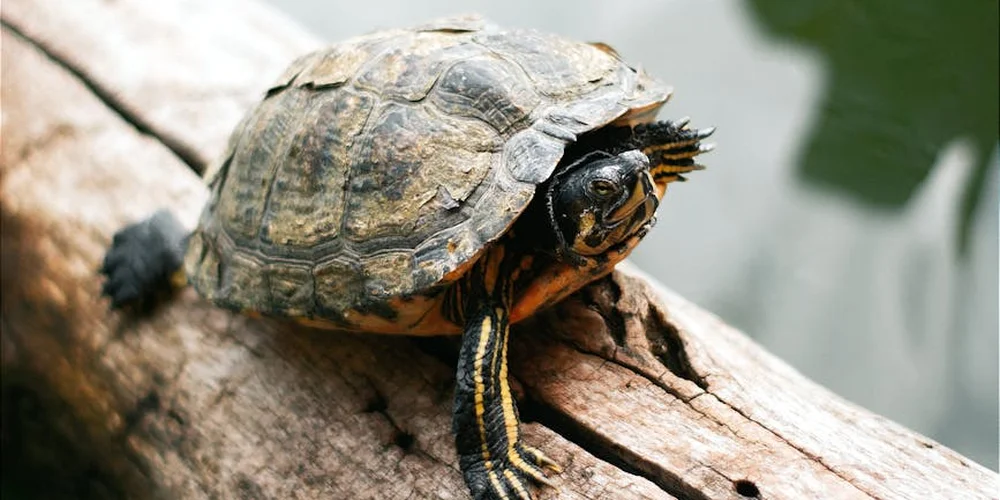
Sometimes, turtles need a gentle nudge toward their basking spot. Small changes can make a big difference in convincing your turtle that the basking area is a safe and inviting place. To support your turtle’s well-being, add basking hiding areas like shallow caves or low overhangs. These hidden spaces help reduce stress and encourage steady basking.
Immediate Adjustments to Improve Basking Appeal
If your turtle is avoiding the basking area, try these quick fixes today.
-
Adjust the ramp. Make sure it has a rough, textured surface for easy gripping. A slippery ramp is a major deterrent.
-
Create visual barriers. Place a fake plant or a smooth rock to partially block the view of the ramp’s entrance. This gives a sense of security.
-
Check for vibrations. Is the basking platform near a loud filter or a frequently opened door? Relocating it to a quieter spot can help immensely.
Long-Term Habitat Modifications for Consistent Basking Behavior
Think of your turtle’s home as a complete ecosystem that needs to feel just right.
-
Upgrade the platform size. Your turtle should be able to fully stretch out and turn around comfortably. A cramped platform is unusable.
-
Consider multiple levels. Offering more than one way to access the basking area, or even a second, smaller platform, gives your turtle options.
-
Review the entire tank layout. Ensure the water area is deep enough for proper swimming and that the transition from water to land feels natural.
Dietary Considerations That Support Basking Instinct
What your turtle eats is directly linked to its need for warmth and UVB light.
-
Feed in the morning. Offering food a couple of hours after the lights turn on encourages a natural cycle: eat, swim, then bask to digest.
-
Monitor protein intake. Too much protein can lead to rapid shell growth and increase their metabolic need to bask. Ensure you’re feeding a species-appropriate diet.
-
Provide proper calcium. Turtles need UVB light to metabolize calcium for strong bones and shells. A proper diet reinforces this biological need to bask. Choosing the best UVB lights ensures your turtle gets the right UVB exposure for calcium metabolism. Calcium supplements can help maintain a healthy shell when diet alone is not enough.
Enrichment Strategies to Reduce Stress and Build Confidence
A stressed turtle is a hiding turtle. Building their confidence is key.
-
Add safe tank mates. A single small fish can provide visual stimulation and reduce boredom, making the turtle feel more secure in its entire environment.
-
Rearrange decorations monthly. This prevents territorial behavior and encourages exploration, which can lead them to rediscover their basking spot.
-
Offer occasional treats outside the water. Placing a piece of a favorite leafy green on the dry platform can lure them up to investigate.
Maintaining Optimal Basking Conditions
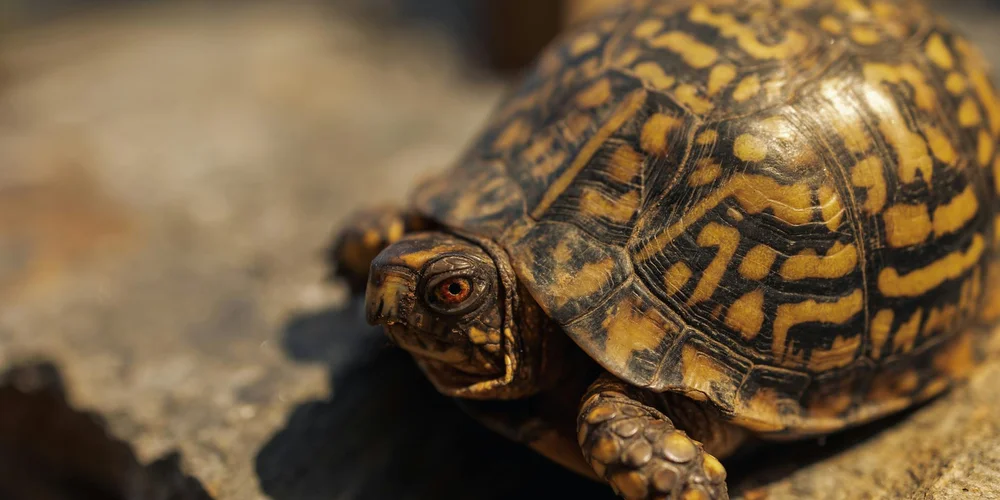
Creating the perfect basking spot is only half the battle. Keeping it perfect requires a consistent and attentive maintenance routine. I learned this the hard way when my Greek tortoise, Bronte, stopped basking because her UVB bulb had quietly faded.
Routine Maintenance Schedule for Basking Areas and Equipment
Consistency prevents problems before they start.
-
Daily: Wipe down the basking platform to remove algae or waste. Check that the ramp is secure.
-
Weekly: Do a thorough cleaning of the entire platform and ramp. Inspect all heating and lighting equipment for signs of damage.
-
Monthly: Test your water quality, as poor water can cause overall stress that keeps them from basking.
Monitoring Techniques for Temperature, Humidity, and UVB Output
Guessing is not an option. You need data.
-
Use a digital thermometer with a probe. Place the probe directly on the basking surface to get an accurate reading. The ideal range is typically 85-90°F for most aquatic species.
-
Invest in a Solarmeter. This device measures UVB output directly and tells you exactly when to replace your bulb, which is often long before it burns out.
-
Keep a simple logbook. Jot down temperatures and bulb replacement dates. This helps you spot trends and anticipate your turtle’s needs. It’s especially useful when diagnosing your turtle’s habitat.
Seasonal Adjustments to Account for Environmental Changes
Your home environment changes with the seasons, and so do your turtle’s needs.
-
Winter: Dry, heated air can lower humidity. You may need to increase misting or partially cover the screen top to maintain proper humidity levels in the tank.
-
Summer: A warm room might make the basking area too hot. Be prepared to raise the lamp or use a lower-wattage bulb to maintain the correct temperature gradient.
-
Monitor daylight hours. Using a timer for your lights ensures a consistent photoperiod year-round, which is crucial for their internal clock.
Preventative Care to Avoid Future Basking Issues
Proactive care saves you and your turtle from future stress.
-
Replace UVB bulbs on schedule. Even if they still emit light, their UVB output degrades. Mark your calendar for replacement every 6-12 months, depending on the type.
-
Have a backup heater and lamp. Equipment can fail. Having spares means you can restore ideal conditions immediately.
-
Schedule annual veterinary check-ups. A vet can spot early signs of metabolic bone disease or respiratory infections that might be affecting your turtle’s desire to bask. During a routine visit, you can expect a quick physical exam, weight check, and a brief discussion about basking, diet, and enclosure lighting.
FAQs
How can you tell if a turtle is comfortable while basking?
A comfortable turtle will have its limbs fully extended and appear relaxed, often with its eyes closed or partially open. It should not show signs of stress, such as frequent head retractions or attempts to quickly leave the area. If you’re unsure whether your turtle is stressed, look for changes in behavior like restlessness or avoidance. When you notice stress, there are simple steps you can take to help.
How can you prevent overheating during basking?
Use a thermostat-controlled heat lamp to maintain a consistent, safe temperature within the species-specific range. Always provide a temperature gradient in the enclosure, allowing the turtle to move to a cooler area if it becomes too warm. In many species, UVB lighting is also important for calcium metabolism and shell health. Provide a UVB source appropriate for the turtle’s species alongside the heat lamp.
What signs indicate a turtle is not ready to bask?
A turtle may avoid basking if it is lethargic, hiding frequently, or displaying symptoms like labored breathing or loss of appetite. Environmental factors, such as loud noises or an insecure basking spot, can also make it reluctant to bask.
Should wild turtles be allowed to bask outdoors and what safety tips exist?
Wild turtles can benefit from supervised outdoor basking in a fully enclosed, escape-proof area to reduce predation risks. Ensure the space has access to shade, clean water, and is free from pesticides or other hazards to mimic a safe natural environment.
How long should a turtle bask each session?
Basking sessions generally last between 30 minutes to a few hours, varying by species, age, and individual behavior. Most turtles will take multiple shorter sessions throughout the day to properly regulate their body temperature and support metabolic functions.
Your Turtle’s Path to Perfect Basking
Start by ensuring your basking spot has the right warmth and UVB lighting, then observe your turtle’s behavior and health for any hidden issues. Consistent, gentle adjustments to their habitat often reveal the simple fixes needed for their well-being.
Commit to learning more about species-specific care, like I did with my tortoise Bronte, to prevent future problems and enrich their lives. Your dedication to understanding their unique needs is the heart of compassionate, responsible pet ownership.
Further Reading & Sources
- How to Encourage Basking for Your Red-Eared Slider Turtle
- Why Is My Turtle Not Basking? 6 Vet-Reviewed Reasons & What to Do | PangoVet Pet Corner
- Why Is My Turtle Not Basking? (Information & What To Do) – All Turtles
- This is What Happens When Your Turtle Is Always Basking – TurtleHolic
Matthew is a dedicated turtle enthusiast and conservationist with over 15 years of experience in reptile care. Known affectionately as "The Leatherback" among his peers, he combines his passion for turtles with a commitment to educating pet owners on responsible turtle care and environmental stewardship.
Heating and Lighting