
Internal vs. External Parasites in Turtles: A Simple Guide
If your turtle seems off-maybe it’s eating less or has unusual spots-you could be dealing with parasites, and knowing whether they’re internal or external is the first step to helping your pet feel better.
In this article, we’ll cover: types of internal parasites, common external parasites, key symptoms, prevention methods, and treatment options.
Understanding Turtle Parasites: The Basics
What Are Internal Parasites?
Internal parasites are tiny organisms that live inside your turtle’s body, often in the digestive tract or organs, and can cause serious health issues if left unchecked. From my years caring for turtles like Austen, my Russian Tortoise, I’ve learned that these parasites can lead to symptoms like weight loss or unusual stool, which I spotted early with regular check-ups. They feed off your turtle’s nutrients, making them weak over time. Think of them as unwanted guests that steal energy without you seeing them directly.
Common Internal Parasites in Turtles
Here are some frequent internal parasites you might encounter in pet turtles:
- Roundworms: These can cause bloating and diarrhea; I’ve dealt with them in Bronte, my Greek Tortoise, after she ingested contaminated greens.
- Tapeworms: Often from infected prey or water, they lead to malnutrition and require vet treatment.
- Protozoa like Giardia: These microscopic pests cause digestive upset and are common in dirty habitats.
- Flukes: Small flatworms that affect the liver or lungs, leading to respiratory issues in some cases.
Regular fecal exams are your best defense, as I schedule for all my turtles to catch problems before they escalate. These are just part of routine veterinary checkups. Always consult a vet if you suspect an infestation, as prompt care protects your turtle’s well-being.
What Are External Parasites?
External parasites live on the outside of your turtle’s body, such as on the skin, shell, or in crevices, and are easier to spot during routine handling. I remember finding mites on Orwell, my Box Turtle, after he explored a new outdoor area—it taught me to always inspect his shell and legs closely. These pests can cause itching, shell damage, and even infections if they burrow into soft tissues. They’re like tiny hitchhikers that cling to your turtle’s exterior, demanding immediate attention. Some turtle parasites can be transmitted to humans, so wash your hands thoroughly after handling and avoid touching your face. This zoonotic risk is why safe handling practices help protect both you and your pet.
Common External Parasites in Turtles
Keep an eye out for these typical external parasites:
- Mites: Small, moving dots often seen around the eyes or shell joints; they spread quickly in crowded enclosures.
- Ticks: These attach firmly to the skin and can transmit diseases; I’ve removed them gently with tweezers from wild-caught turtles.
- Leeches: Found in aquatic setups, they suck blood and leave wounds that need cleaning.
- Fungal growths: While not always parasites, they act similarly by growing on the shell and causing decay if untreated.
Maintaining a clean habitat and quarantining new turtles, as I do with any additions to my group, drastically reduces the risk of external infestations. Early detection through visual checks helps keep your turtle comfortable and healthy.
Key Differences Between Internal and External Parasites
Location and Visibility
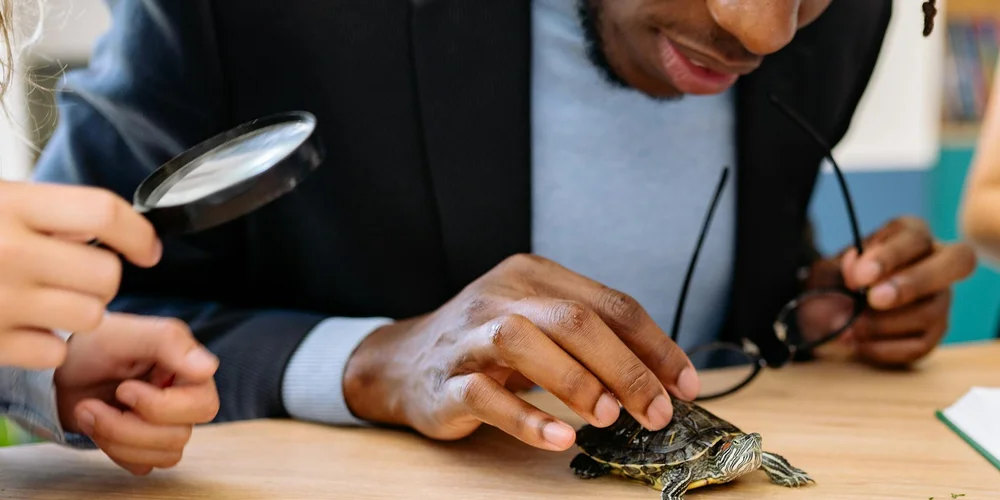
Internal parasites hide deep within your turtle’s body, like in the intestines or blood, making them invisible without tests like fecal exams. In contrast, external parasites are right on the surface, so you can often see them during a simple shell inspection-something I do weekly with Austen and Bronte to catch issues early. This difference means internal problems might only show through behavior changes, while external ones are plain to spot if you look closely.
For animal welfare, regular vet visits are essential to uncover hidden internal threats that visual checks miss entirely. External parasites demand immediate physical removal and habitat cleaning to prevent spread.
Transmission and Lifecycle
Internal parasites often spread through contaminated food, water, or soil, with lifecycles that involve eggs passing in feces and reinfecting the host. I’ve seen this in my turtles when shared food bowls led to roundworm issues, highlighting the need for separate feeding areas. Their lifecycles can be complex, involving multiple stages inside the turtle’s body.
External parasites typically transmit through direct contact with infected animals or environments, and their lifecycles are shorter, with eggs laid on the turtle or in the habitat. Mites, for example, can hatch quickly in warm, dirty tanks, so I always disinfect new items before adding them to Orwell’s enclosure using safe methods outlined in this guide. Understanding these cycles helps you break them through better hygiene and isolation practices.
Recognizing Symptoms of Parasitic Infections
Spotting parasite issues early can save your turtle from discomfort and serious health risks. I always watch my turtles, like Austen and Bronte, for any subtle changes that might signal trouble. Quick action makes a huge difference in their recovery.
Symptoms of Internal Parasites
Internal parasites often hide inside your turtle’s body, affecting their digestive system and overall vitality. When Orwell, my box turtle, once had a parasite, I noticed he was less active and his eating habits changed drastically. Look for these signs: Signs and symptoms of parasites in pet turtles can be subtle but important to recognize.
- Unexplained weight loss or a sunken appearance
- Loose, watery, or unusually smelly feces
- Reduced appetite or refusal to eat favorite foods
- Lethargy, where your turtle moves slower than usual
- Swollen abdomen or signs of discomfort when touched
Internal parasites can drain your turtle’s energy silently. Regularly checking their waste and behavior helps catch these issues before they worsen. I’ve found that a sudden drop in activity in my Russian tortoise, Austen, often means it’s time for a vet visit.
Symptoms of External Parasites
External parasites are easier to see but can still cause significant stress if left untreated. Bronte, my Greek tortoise, once had tiny mites on her shell, which made her scratch constantly. Keep an eye out for these visible clues:
- Small moving spots on the skin or shell, like mites or ticks
- Excessive scratching or rubbing against objects
- Redness, sores, or unusual shedding on the skin
- Shell damage, such as pits or soft areas
- Restlessness or agitation during normal activities
External parasites irritate your turtle’s outer layers and can lead to infections. Gently inspecting your turtle’s shell and skin during handling can prevent minor issues from becoming major problems. To perform a safe shell inspection, handle your turtle calmly with both hands supporting its shell. Look for cracks, soft spots, or any abnormal swelling or discoloration, and consult a vet if you notice anything concerning. In my experience, a clean habitat reduces the risk of these pests taking hold.
Diagnosis and Treatment Options
Accurate diagnosis and timely treatment are key to helping your turtle bounce back. Working with a reptile-savvy vet ensures your pet gets the right care without delay. I’ve learned that early intervention often leads to a full recovery.
Diagnosing Parasites in Turtles
Vets use simple tests to identify parasites, much like a detective solving a puzzle. For internal parasites, a fecal exam under a microscope reveals eggs or organisms in the stool. External parasites might require a skin scraping or visual inspection. Always bring a fresh stool sample to appointments for the most accurate results.
Treating Internal Parasites
Treatment for internal parasites usually involves oral medications prescribed by your vet. Follow the dosage instructions carefully to avoid side effects and ensure the parasites are fully eliminated. In my care, I’ve used dewormers for turtles like Austen, and it’s crucial to complete the full course even if symptoms improve. Provide a stress-free environment and monitor their eating and hydration during recovery.
Treating External Parasites
External parasites respond well to topical treatments and environmental clean-ups. Medicated baths or sprays can kill pests like mites, while cleaning the habitat prevents reinfestation. I’ve treated Bronte with gentle reptile-safe solutions, and it’s important to avoid harsh chemicals that could harm your turtle. Repeat treatments as directed by your vet to ensure all parasites are gone.
Preventing Parasites in Your Turtle
Prevention is the best way to keep your turtle healthy and parasite-free. Simple habits, like regular habitat maintenance and mindful introductions, can shield your pet from common threats, including critical health issues. Over the years, I’ve seen how proactive care reduces vet visits and keeps turtles thriving.
Quarantine New Turtles
Always quarantine new turtles for at least 30 days before introducing them to your existing pets. This isolation period helps spot any hidden parasites or illnesses without risking your other turtles’ health. When I brought Orwell home, I kept him separate and observed him closely, which prevented potential spread of issues to Austen and Bronte.
Maintaining a Clean Habitat
A clean environment discourages parasites from settling in. Remove waste daily, change water frequently, and disinfect surfaces with reptile-safe cleaners. I make it a habit to scrub Bronte’s enclosure weekly, which minimizes the risk of external parasites and keeps the air fresh for her.
Balanced Diet and Health Monitoring
A nutritious diet boosts your turtle’s immune system, making them less susceptible to parasites. Offer a variety of leafy greens, vegetables, and occasional proteins tailored to your turtle’s species. For an omnivorous turtle, a balanced diet means pairing leafy greens with appropriate animal protein and occasional fruit. Keep portions measured to maintain balance. Regularly weigh your turtle and note any behavior changes—catching shifts early allows for quick action. In my routine, I check Austen’s weight monthly and adjust his diet to maintain optimal health.
FAQs
Can I see internal parasites in my turtle’s feces?
Internal parasites are usually microscopic and cannot be spotted with the naked eye. A veterinary fecal exam is essential for accurate detection and diagnosis.
Are turtle parasites contagious to other pets or humans?
Some parasites can spread to other turtles or pets through shared habitats or direct contact. While the risk to humans is generally low, maintaining good hygiene reduces any potential transmission, especially when combined with proper care and cleaning practices.
How often should I take my turtle to the vet for parasite checks?
Annual veterinary visits with fecal exams are recommended for routine monitoring. More frequent checks may be necessary if symptoms appear or after introducing new turtles to your collection. For healthy adult turtles, a yearly checkup is typical. If you have juveniles, seniors, or newly adopted turtles, consider more frequent visits or consultations with a reptile veterinarian. For more information on the frequency of turtle veterinary visits, check out this resource.
Your Turtle’s Health is a Lifelong Journey
Remember, spotting external parasites relies on your sharp eyes during regular checks, while identifying internal ones often needs a veterinarian’s expert diagnosis. No matter the type, prompt and proper treatment is non-negotiable for your turtle’s comfort and survival.
Being a proactive turtle guardian means committing to their well-being for their entire, long life. Stay curious, keep learning from trusted sources, and you’ll build a rewarding, healthy life together with your shelled friend.
Further Reading & Sources
- Parasites – Sea Turtle Guardian
- Tackling Turtle Parasites In Pets – All Turtles
- Common Internal Parasites in Turtles and Tortoises
- Signs of Parasites in Aquatic Turtles | Pets on Mom.com
Matthew is a dedicated turtle enthusiast and conservationist with over 15 years of experience in reptile care. Known affectionately as "The Leatherback" among his peers, he combines his passion for turtles with a commitment to educating pet owners on responsible turtle care and environmental stewardship.
Common Diseases