
How Long Can Aquatic Turtles Stay Out of Water?
If you’re worried about how long your aquatic turtle can safely be out of water, you’re not alone-many owners fear dehydration or stress harming their pet.
In this article, we’ll cover species differences, environmental factors, health signs, and care tips to keep your turtle healthy.
Why Your Aquatic Turtle Chooses Dry Land
You might wonder why a water-loving creature like your turtle ventures onto land so often. Basking under a warm light or in natural sunlight helps them regulate their body temperature and absorb essential UVB rays for shell and bone health. I’ve watched my own turtles, like Bronte, seek out dry spots to digest their meals better, as warmth speeds up their metabolism.
Sometimes, they simply explore or take a break from swimming. Escaping an overly crowded or dirty tank can also drive them to seek refuge on a basking platform. From my experience, providing a safe, accessible dry area mimics their natural habitat and supports their well-being.
It’s not just about comfort-it’s a vital part of their daily rhythm. Observing this behavior can clue you in on their health and happiness, much like noticing when a friend needs a quiet moment.
How Long is Too Long? Safe Durations Out of Water
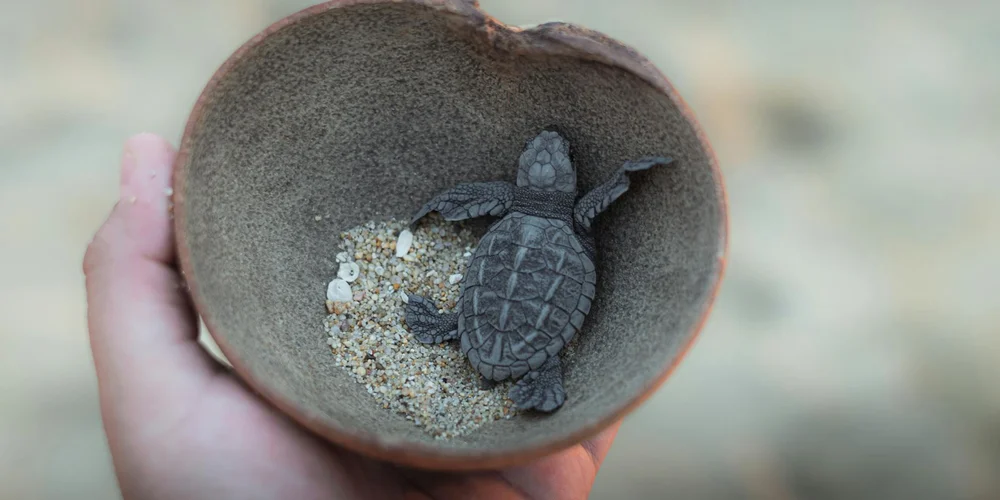
Knowing how long your aquatic turtle can safely stay out of water prevents stress and health issues. Generally, most aquatic turtles handle short dry spells well, but extended periods risk dehydration and overheating. Always consider factors like age, species, and environment to keep your pet thriving.
Baby Turtles: Delicate Durations
Baby turtles are more fragile due to their smaller size and faster metabolism. Limit their time out of water to no more than 30 minutes to an hour to avoid dehydration. I’ve cared for young turtles and seen how quickly they show signs of distress if left dry too long.
Keep their environment humid and warm. Use a shallow water dish nearby to allow quick rehydration if needed. Baby turtles rely on consistent moisture for healthy growth and shell development.
- Monitor for dry skin or lethargy as warning signs.
- Avoid direct drafts or cold surfaces that can chill them rapidly.
- Provide easy access back to water to encourage natural behavior.
Adult Aquatic Turtles: Hardier but Not Invincible
Adult turtles, like many I’ve observed, can manage longer outings—typically up to a few hours in ideal conditions. They have better fat reserves and slower dehydration rates, but they’re not immune to risks. For truly long trips, water access is the limiting factor—turtles can survive without water only for a short time. Dehydration can creep up quickly if a water source isn’t nearby. Always ensure they can return to water voluntarily.
Watch for cues like excessive pacing or retreating into their shell. In warmer, humid settings, adults might bask comfortably for hours, but overnight stays out of water are unsafe. From my routine checks, I’ve learned that regular access to water supports their immune system and prevents shell issues.
- Check the basking area temperature stays between 85-95°F for comfort.
- Offer fresh water daily to encourage drinking upon return.
- Observe their behavior; if they seem restless, guide them back gently.
Spotting Trouble: Signs of Distress and Dehydration
Watching my turtle, Orwell, I’ve learned to read his subtle language. A turtle out of water for too long will tell you it’s struggling, but you have to know what to look for. Early detection is your best tool for preventing serious health issues, so knowing the signs is crucial.
Physical Red Flags
Their bodies show the first signs of trouble. Look for these changes:
- Sunken or dull-looking eyes
- Dry, flaky skin or a brittle shell
- Lethargy and a reluctance to move
- Loss of appetite when offered food
I once noticed Bronte’s eyes looked less bright after a long basking session; it was a quiet nudge to check her humidity levels.
Behavioral Changes
Their actions speak volumes. Be concerned if you see:
- Struggling to keep their eyes open
- Pacing or repeatedly trying to climb out of a dry area
- An unusual lack of interest in returning to the water
A happy turtle will be alert and periodically readjust its position under the heat lamp. Any deviation from this calm basking routine warrants a closer look.
The Perfect Basking Spot: Balancing Heat and Humidity
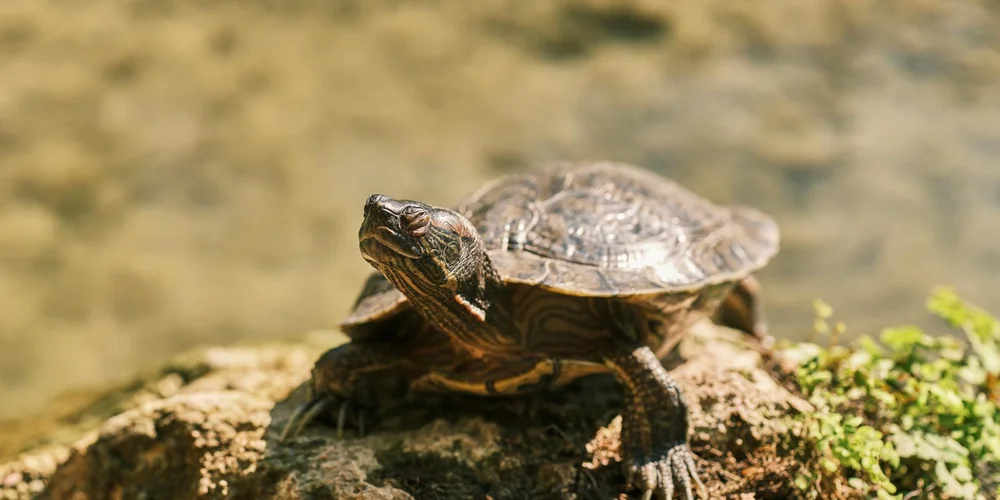
Creating the ideal dry area is like crafting a tiny, personalized beach. It’s not just about heat; it’s about the entire atmosphere. This spot is their sanctuary for digestion, shell health, and overall well-being.
Getting the Temperature Just Right
The basking area needs a specific temperature gradient to function properly.
- The basking platform surface should be between 90-95°F (32-35°C).
- The surrounding air can be slightly cooler, but should not feel cold.
- Use a high-quality, thermostat-controlled heat lamp placed securely overhead.
Austen loves his spot directly under the lamp, but he’ll shuffle to the edge when he’s perfectly toasted.
The Critical Role of Ambient Humidity
This is the secret most beginners miss. While the basking spot is dry, the overall room humidity matters immensely.
Low ambient humidity is a primary driver of dehydration, even if your turtle is only out of the water for a short time. It pulls moisture directly from their skin and respiratory system. In a terrestrial turtle habitat, maintaining proper humidity levels is essential for overall health. Use a hygrometer to monitor humidity and mist or provide moisture as needed.
To maintain proper humidity:
- Keep the main aquarium water heated, as it acts as a natural humidifier.
- If your home air is dry, consider a room humidifier placed at a safe distance from the tank.
- Avoid placing the tank in direct, hot sunlight or in the path of air conditioning vents.
I keep a small digital hygrometer near Orwell’s enclosure to monitor levels at a glance, which gives me great peace of mind.
When Time Runs Out: Emergency Care for a Stressed Turtle
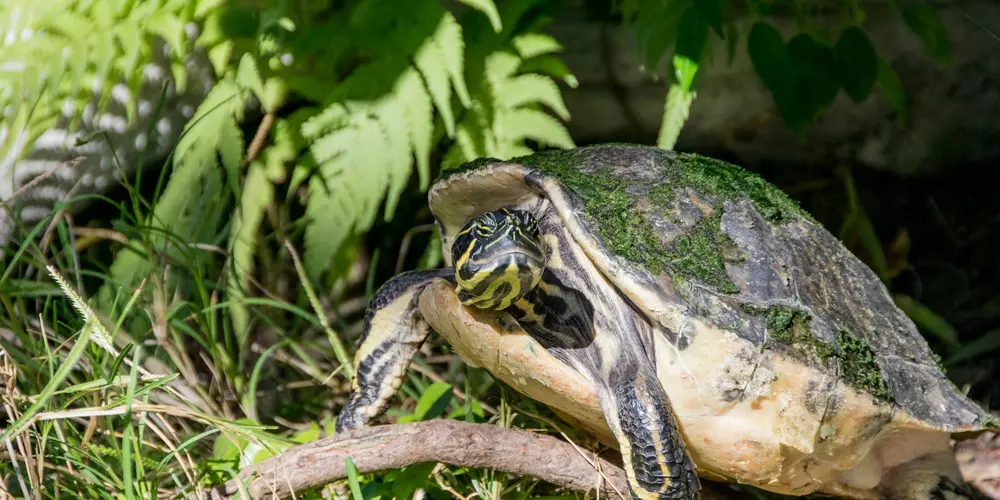
Finding your turtle out of water for too long can be a real scare. I’ve had my own heart-in-my-throat moments with my Russian tortoise, Austen, who once decided to explore a little too far from his humid hide. The first thing to do is stay calm; your turtle will pick up on your panic, which only adds to their stress. Your immediate goal is gentle rehydration and stabilization.
Look for these critical signs of distress. A severely dehydrated turtle will have sunken or dry-looking eyes and may feel unusually light when you pick them up. Their skin might appear wrinkled, and they could be lethargic or unresponsive. If you notice any of these signs, contact a reptile veterinarian promptly. Early veterinary intervention can be crucial for turtles’ recovery.
- Gently place them in a shallow container with just enough lukewarm water to cover their plastron (bottom shell).
- Ensure their head is completely out of the water so they can breathe easily and without panic.
- Leave them to soak quietly for 15-20 minutes in a warm, draft-free room.
- Do not offer food. Their system is under too much stress to digest properly.
- After the soak, place them under their basking lamp to warm up gradually.
If your turtle doesn’t show signs of improvement-becoming more active, drinking, or looking more alert-you need to contact a reptile veterinarian. Dehydration can cause serious kidney and organ damage that isn’t always immediately visible. It’s always better to be safe and get a professional opinion.
Building a Turtle Haven: Enclosure Setup for Health
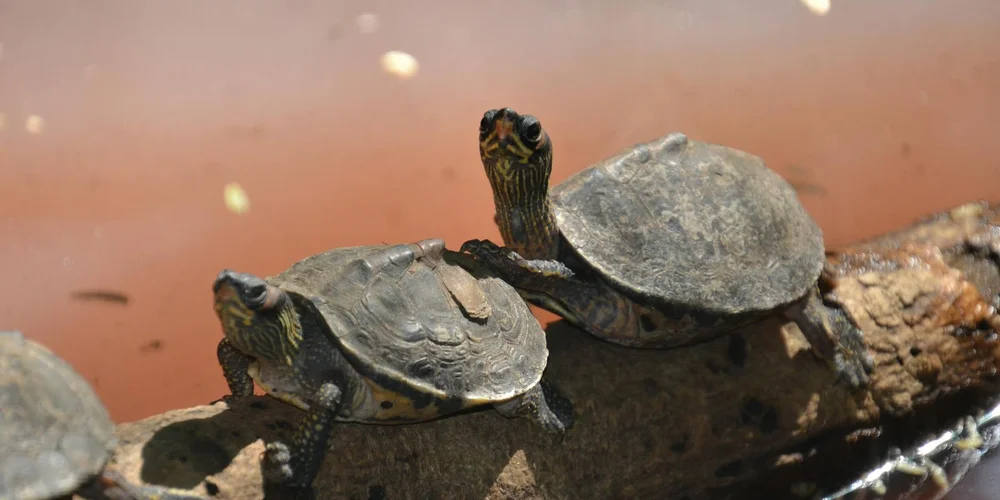
A proper habitat is your best defense against emergencies. It’s not just a tank of water; it’s a complete ecosystem. From my years of keeping Bronte, my Greek tortoise, I learned that getting the environment right solves about 90% of potential health problems before they even start.
The single most important factor is providing a proper basking area. This isn’t a luxury; it’s a physiological necessity. Turtles are ectotherms, meaning they rely on external heat to regulate their body temperature and metabolism. In common terms, that makes turtles cold-blooded. They do not regulate their body temperature internally the way warm-blooded animals do.
- Use a sturdy ramp or platform that your turtle can climb onto easily.
- The entire turtle must be able to get completely out of the water and dry off.
- Position a dedicated basking lamp (a UVA heat bulb) over this spot.
- The basking surface temperature should be a steady 85-95°F (29-35°C).
- Ensure the lamp is on a timer for a consistent 10-12 hour day/night cycle.
Water quality is the other pillar of a healthy habitat. Think of your turtle’s water as the air they breathe; when it’s dirty, they are constantly breathing in their own waste. This leads to skin, shell, and respiratory infections. Regularly monitoring essential water quality parameters—ammonia, nitrite, nitrate, pH, temperature, and chlorine/chloramines—keeps the tank safe. When these values stay within safe ranges, disease and stress are minimized.
- Invest in a high-quality canister filter rated for at least twice the volume of your tank.
- Perform partial water changes of 25-50% weekly to remove waste and nitrates.
- Use a water conditioner to remove harmful chlorine and chloramines from tap water.
- Maintain a stable water temperature suitable for your turtle species, typically between 75-80°F (24-27°C).
Finally, don’t forget the UVB light. This specialized bulb is non-negotiable. UVB light allows turtles to produce Vitamin D3, which is essential for absorbing calcium and building a strong, healthy shell. Without it, they will develop Metabolic Bone Disease, a painful and debilitating condition. Place the UVB bulb over the basking area and replace it every 6-12 months, as its output diminishes over time even if the light still appears to be on. Learn more about setting up UVB lighting for turtles.
FAQs
Do aquatic turtles ever leave the water?
Yes, it is normal and healthy for them to venture onto dry land regularly. They do this to engage in natural behaviors like basking and exploring their environment.
Why do aquatic turtles need to come out of the water?
They leave the water primarily to regulate their body temperature and support vital physiological processes. Access to a dry area also helps prevent stress and supports overall well-being.
What do turtles typically do when they are out of the water?
They often rest, digest food, or observe their surroundings while soaking up warmth. Some may use the time to escape unfavorable water conditions or simply take a break from swimming.
How long can different species of aquatic turtles stay out of water?
Duration varies by species, but most can handle short periods of a few hours if conditions are suitable. Always provide easy access to water to avoid any health risks.
What factors influence how long a turtle can safely remain out of water?
Key factors include humidity levels, ambient temperature, and the turtle’s overall health and hydration status. Younger or sick turtles may tolerate less time out than healthy adults. For sick turtles, supportive care emphasizes steady hydration, gentle handling, and a calm, comfortable environment. Easy-to-digest foods and appropriate warmth can support hydration, feeding, and comfort during recovery.
Your Turtle’s Happy Habitat
Aquatic turtles need balanced time in and out of water to stay healthy and hydrated. Understanding basking behavior explains why they spend so much time out of water. They bask to regulate temperature and support calcium metabolism through UV exposure. Always monitor their behavior and provide a proper setup with both swimming and basking areas to mimic their natural environment.
From caring for my box turtle Orwell, I’ve learned that responsible pet ownership means staying curious and informed. Keep exploring reliable resources and tuning into your turtle’s needs to build a lifelong bond and ensure their well-being. If you’re just starting out, a beginner’s guide for box turtles can help. This care guide covers setup, diet, housing, and daily routines.
Further Reading & Sources
- How Long Can Turtles Stay Out of Water? Vet-Reviewed Facts | Hepper Pet Resources
- Turtles Out of Water Time Limits – Ucar Connect
- Aquatic Turtles: How Long Can They Survive Out Of Water? | PetShun
- Aquatic Turtle Care Sheet | PetMD
Matthew is a dedicated turtle enthusiast and conservationist with over 15 years of experience in reptile care. Known affectionately as "The Leatherback" among his peers, he combines his passion for turtles with a commitment to educating pet owners on responsible turtle care and environmental stewardship.
Aquatic Turtles