
How Turtles Mate and Reproduce
If you’ve ever wondered how turtles mate and reproduce without causing stress or harm, you’re not alone-it’s a question many caring observers have, and from my experience with turtles like Austen and Bronte, I can share how this natural process unfolds with grace and care for their well-being.
We’ll dive into courtship behaviors, mating techniques, egg fertilization, nesting habits, and hatching stages.
The Fundamentals of Turtle Reproduction
Reproductive Anatomy in Turtles
Male and female turtles have distinct physical traits that help in identification. Males often sport longer tails and a concave plastron, which aids in mounting during mating. In my Russian Tortoise, Austen, I’ve observed his tail is noticeably longer than what you’d see in females, a feature that’s common in many species. Females tend to have shorter tails and a flatter plastron, making egg-laying easier. Their cloaca, the opening for reproduction and waste, is positioned differently too-closer to the body in females. Understanding these differences helps you monitor their health and readiness for breeding without causing harm.
Internal anatomy plays a big role in reproduction. Turtles have specialized organs like ovaries in females and hemipenes in males, which are stored inside until needed. I’ve learned through caring for Bronte, my Greek Tortoise, that these internal structures mean mating isn’t always obvious from the outside. For instance, females can store sperm for years, allowing them to lay fertile eggs long after a single encounter. This adaptation is why it’s vital to provide a stress-free environment, as forced interactions can lead to injury or illness.
Common Misconceptions About Turtle Reproduction
Many believe turtles can reproduce asexually or mate anytime, but that’s not accurate. Turtles require specific conditions, like seasonal cues and compatible partners, to breed successfully. With Orwell, my Box Turtle, I’ve seen how he only shows interest in mating during warmer months, debunking the idea that they’re always ready. Another myth is that all turtles lay eggs in water; in reality, species like tortoises dig nests on land. Assuming otherwise can lead to improper habitat setups that endanger the animals.
People often think mating is aggressive or loud, but it’s usually a quiet process. Courtship behaviors are subtle, and forcing turtles together can cause stress rather than reproduction. I’ve noticed with Austen that his gentle nudges are mistaken for fighting, but they’re part of natural rituals. Understanding what turtle fighting slapping behavior means helps you read the signals correctly. It also helps distinguish ritual from distress, so you can respond appropriately. Educating yourself on these nuances ensures you don’t misinterpret their actions and supports their welfare by avoiding unnecessary interventions.
Turtle Mating Rituals and Courtship Behaviors
Signs of Courtship in Pet Turtles
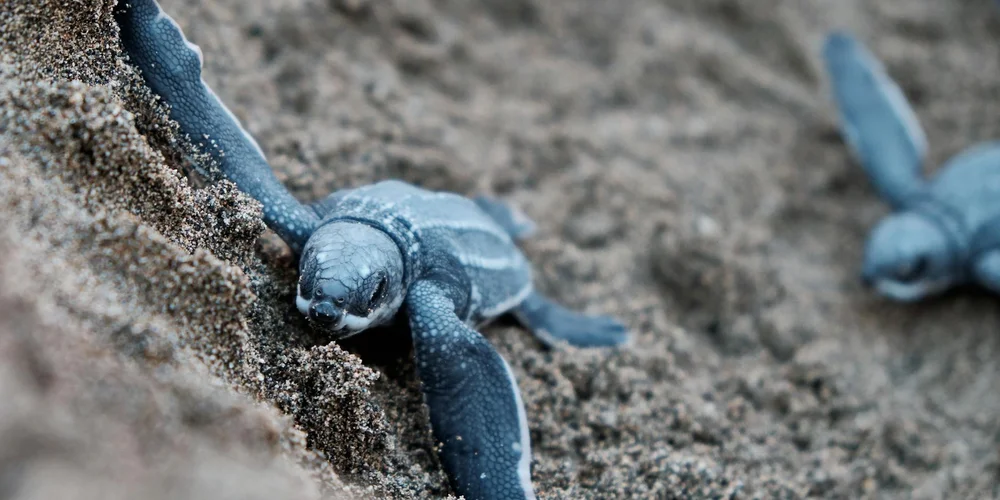
Courtship in turtles involves a range of behaviors that signal readiness. You might see head bobbing, circling, or gentle nipping as males try to gain female attention. In my experience with Bronte, she often responds to these cues by slowing her movements or allowing the male to approach. These actions are calm and deliberate, not frantic, so watching for them helps you identify when your pets are in a reproductive mood. It’s a dance of patience, and rushing it can disrupt their natural rhythm.
Other signs include vocalizations or shell vibrations, though they’re often quiet. Females may show interest by staying still or lifting their shells slightly. With Orwell, I’ve observed how he uses soft clicks during courtship, a behavior many miss. Recognizing these subtle hints allows you to provide space and reduce stressors, promoting a healthier environment for breeding without human interference.
How Turtles Attract and Choose Mates
Turtles rely on a mix of visual, chemical, and behavioral cues to attract partners. Males often use pheromones released through their skin or cloaca to signal availability and health. In my tank, Austen’s steady pacing near a potential mate is his way of showing he’s fit and interested. Females, like Bronte, assess these signals over time, choosing mates based on persistence and compatibility rather than quick displays. This slow selection process means forcing pairs together rarely works and can harm their well-being.
Choice involves evaluating strength and suitability through rituals. Turtles prefer mates that demonstrate gentle dominance and consistent behavior. I’ve seen how Bronte will ignore overly aggressive suitors, opting for those like Austen who approach with calm assurance. In a home setting, male and female turtles often show distinct temperaments—males can be more active and exploratory, while females may prefer quieter, more predictable routines. Providing a varied habitat with hiding spots lets turtles make these choices naturally, ensuring reproduction happens on their terms and supports animal welfare by minimizing human disruption.
The Mating Process: From Courtship to Fertilization
Step-by-Step Guide to Turtle Copulation
Turtle mating begins with gentle courtship rituals that vary by species. Males often start by nudging or biting the female’s shell or legs to show interest. I’ve watched Austen, my Russian tortoise, slowly approach Bronte with soft head bobs before any interaction.
- Courtship displays: Males may swim around females or make specific sounds.
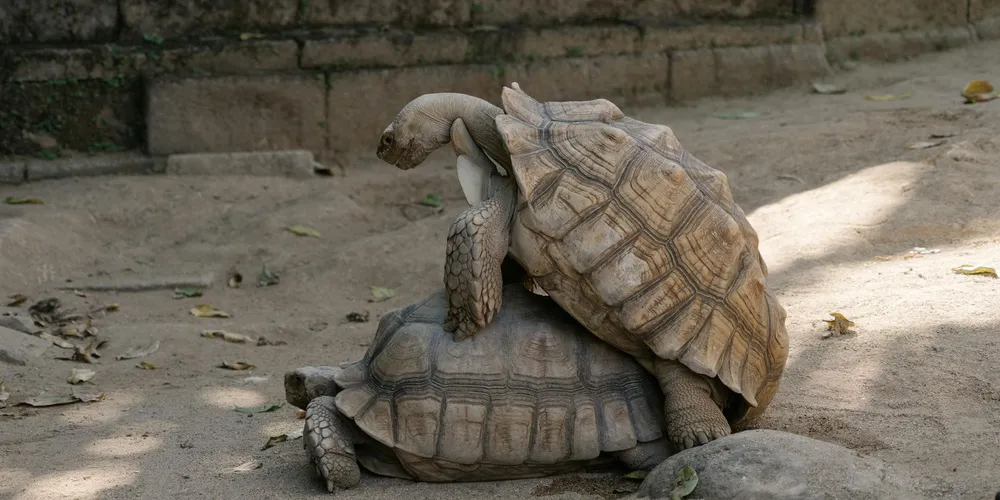
- Mounting: The male climbs onto the female’s back, gripping her shell.
- Copulation: This can last minutes to hours, with the male aligning his tail.
- Fertilization: Internal fertilization occurs, and the female stores sperm for later use.
After observing Orwell, my box turtle, I noticed he prefers quiet, shaded areas for this process. Always provide a stress-free environment to support natural behaviors.
Seasonal and Environmental Influences on Mating
Turtles mate based on seasonal cues like warmer temperatures and longer days. Spring and early summer are peak times, as increased sunlight triggers hormonal changes. In my care, Bronte’s Greek tortoise instincts kick in when her habitat mimics Mediterranean climates.
- Temperature: Ideal ranges between 70-85°F encourage breeding activity.
- Light cycles: Simulate natural daylight with 12-14 hours of light.
- Habitat setup: Include hiding spots and varied terrain to reduce stress.
I adjust Austen’s enclosure with seasonal warmth to align with his natural rhythms. Monitoring these factors helps prevent health issues and supports ethical pet keeping.
Egg-Laying and Nesting in Turtles
How Turtles Prepare and Lay Eggs
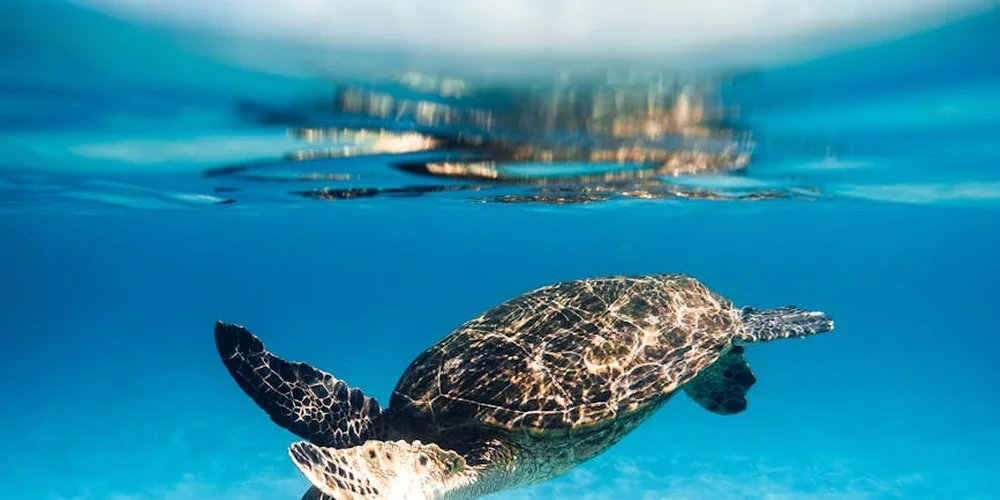
Female turtles seek soft, sandy soil to dig nests after mating. They use their hind legs to scoop out a deep hole, often at night for safety. I’ve seen Bronte methodically test different spots in her enclosure before settling. Providing the right substrate supports nesting behaviors. Soft, moist, deep sand or soil encourages proper digging and nest site selection.
- Nest selection: Choose a secure, well-drained area away from disturbances.
- Digging: The turtle creates a flask-shaped pit with precise movements.
- Egg laying: She deposits eggs one by one, covering them carefully.
- Camouflage: The nest is disguised to protect from predators.
Orwell, as a box turtle, prefers moist substrates for his nests. Providing a dedicated nesting box in captivity can mimic this natural process and reduce anxiety.
Understanding Unfertilized Eggs in Pet Turtles
Female turtles may lay unfertilized eggs even without a male present. This is common in captivity and stems from hormonal cycles or environmental triggers. Bronte has laid clutches like this, and I ensure she gets extra calcium to prevent shell problems. For readers dealing with a solo female turtle laying unfertilized eggs, our guide covers practical steps to handle and monitor the situation. It also notes when veterinary input is needed.
- Causes: High temperatures, abundant food, or seasonal changes can induce egg laying.
- Health risks: Unfertilized eggs can lead to egg binding if not passed properly.
- Care tips: Offer a balanced diet and consult a vet if issues arise.
From my experience, monitoring weight and behavior helps catch problems early. Advocating for regular vet checks promotes lifelong turtle wellness and prevents suffering. A simple monthly health check helps you notice changes early. When you see the vet, bring a short log of weight, appetite, shedding, and shell changes.
Breeding Pet Turtles in Captivity
Setting Up for Successful Mating and Nesting
Creating the right environment is your first step toward encouraging natural breeding behaviors. A spacious enclosure is non-negotiable, as cramped conditions can cause stress and aggression, halting any chance of courtship. I learned this early on with my Russian tortoise, Austen; giving him ample room to roam made him more active and visibly more comfortable.
You need to mimic their natural cycles to trigger reproductive instincts. Providing a distinct cooler, drier period followed by a warmer, more humid season often signals to turtles that it’s time to breed. This seasonal shift is a powerful cue that you can easily replicate in a controlled setting.
A proper nesting area is critical for a gravid (egg-carrying) female. Prepare a deep box filled with a moist, sandy soil mixture that holds its shape when she starts digging. Without a suitable spot, she may become egg-bound, a serious and life-threatening condition.
Monitoring and Supporting Gravid Females
After a successful mating, watch for subtle changes in your female turtle. You might notice decreased appetite, increased restlessness, and more time spent investigating the corners of her habitat as she searches for a nesting site. My Greek tortoise, Bronte, became unusually deliberate in her movements, a clear sign she was preparing. To tell if your turtle is pregnant, look for nesting behavior and a fuller, rounded abdomen as the eggs develop. A quick check with a reptile veterinarian can confirm pregnancy, often using imaging like ultrasound or X-ray.
Her nutritional needs will increase significantly during this period. I make a point to dust her food with a high-quality calcium supplement several times a week to support healthy eggshell development. Proper calcium intake is vital for preventing soft-shelled eggs and metabolic bone disease.
It is crucial to minimize handling and disturbances. A stressed female may abandon her nesting attempt, leading to egg retention. Give her privacy and peace, intervening only if she appears to be in distress or has been trying to nest unsuccessfully for many hours.
Incubation and Hatchling Development
Steps for Incubating Turtle Eggs
Handle the eggs with extreme care once the female has finished laying and covering her nest. Gently unearth them, being very careful not to rotate or shake them, as this can drown the developing embryo. I use a soft-bristled paintbrush to slowly brush away the substrate, a method that has never failed me.
You have two main incubation mediums to choose from:
- Vermiculite mixed with water (a 1:1 ratio by weight is a reliable standard)
- Perlite, which also holds moisture well for consistent humidity
The temperature you maintain in the incubator will often determine the sex of the hatchlings. Warmer temperatures generally produce females, while cooler temperatures yield males, with a pivotal range in the middle that can result in a mix. For most common species, a stable temperature between 84-88°F (29-31°C) is a good target.
Patience is your greatest ally. Depending on the species, incubation can last anywhere from 45 to 90 days, so consistent monitoring without constant disturbance is key. Mark the top of each egg with a pencil so you can always keep it oriented correctly.
Caring for Newborn Hatchlings
When a hatchling first emerges, it may still have a small yolk sac attached to its plastron (bottom shell). Do not remove this yolk sac; leave the hatchling in the incubation container until it is fully absorbed, which provides crucial nutrients. Moving it too soon can lead to infection.
Set up a simple, safe enclosure for their first home. A shallow plastic tub with paper towel substrate, a small shallow water dish they cannot drown in, and a gentle heat source is perfect for their initial weeks. I avoid any rough decorations that could injure their soft shells.
Their first meal is a major milestone. Offer finely chopped dark leafy greens and a tiny amount of high-protein food, like soaked turtle pellets, but don’t be alarmed if they don’t eat for the first few days. They are still living off their internal yolk reserves. My box turtle, Orwell, was a notoriously slow starter, often taking nearly a week to show interest in food.
Keep their habitat impeccably clean. Hatchlings are incredibly susceptible to infections, so daily spot-cleaning and frequent full water changes are non-negotiable for their health. This diligent care in the first few months sets them up for a long, healthy life.
Health and Ethical Considerations in Turtle Reproduction
Observing my own turtles, Austen and Bronte, has taught me that reproductive health is deeply intertwined with their overall well-being. A healthy turtle is a happy, reproductively sound turtle, and this requires our vigilant attention. We must be their advocates, watching for subtle shifts that signal something is amiss.
Recognizing and Addressing Reproductive Health Problems
Reproduction places immense physical demands on a turtle’s body. I’ve learned to watch for specific warning signs that require immediate action.
- Egg Binding (Dystocia): This is a critical condition where a female cannot lay her eggs. Look for lethargy, straining without results, loss of appetite, or even swelling around her cloaca. Egg binding is a life-threatening emergency that demands immediate veterinary care. It can be caused by oversized eggs, calcium deficiency, or an unsuitable nesting area.
- Nutritional Deficiencies: Egg production depletes a female’s calcium reserves. Without proper supplementation, this can lead to metabolic bone disease and soft, malformed eggs. I always ensure a cuttlebone is available and dust their food with a high-quality calcium powder, especially during breeding season.
- Shell and Skin Injuries: The mating process itself can be rough. Males may bite at female limbs and necks, or ram their shells. Regularly check both turtles for any cuts, scrapes, or shell damage and keep their habitat impeccably clean to prevent infection.
- Behavioral Stress: If a male is overly persistent, it can severely stress the female. I’ve had to temporarily separate Bronte on occasion to give her a break and ensure she could eat and bask in peace.
Promoting Responsible Turtle Breeding
Breeding turtles is a serious commitment that extends far beyond a single mating event. It’s a decision that impacts the lives of the parents and the many offspring that may result.
Before you even consider breeding, you must have a concrete plan for the hatchlings. The pet trade is already saturated, and many turtles end up in shelters. Ask yourself these questions first.
- Do I have confirmed, knowledgeable homes lined up for every potential hatchling?
- Do I have the space, time, and financial resources to house and care for the hatchlings for months, or even years, if I cannot place them?
- Am I prepared for potential veterinary costs for both the mother and the fragile hatchlings?
If your answers are not a resounding “yes,” then the most ethical choice is to not breed your turtles. The greatest act of care is sometimes choosing not to create more animals that need homes. Focus instead on providing your current shelled companions with the most enriching and healthy life possible. This responsible mindset ensures the welfare of the amazing creatures we are privileged to care for, especially considering the ethical considerations of keeping pet turtles.
FAQs
Why do turtle mating videos often go viral?
These videos gain popularity because they showcase quirky or unexpected behaviors, like unusual movements or sounds, that viewers find entertaining. Social media amplifies their reach as people share these rare glimpses into turtle life for humor or education.
What sounds do turtles make during mating?
Turtles can produce a range of noises, including soft clicks, grunts, or hisses, to communicate during courtship and copulation. These sounds are typically low-volume and help coordinate mating interactions between partners. Do turtles make vocal sounds? They can, though such noises are usually faint and vary by species.
Is there a funny high-pitched sound associated with turtle mating?
Some species, like certain tortoises, may emit high-pitched squeaks or whistles that sound amusing to humans. These noises often occur during excitement or as part of vocalizations to attract or reassure mates.
How do turtle mating sounds vary between species?
Aquatic turtles might create bubbling or splashing noises, while land-dwelling species could generate louder grunts or chirps based on their environment. These variations reflect adaptations to their habitats and social structures. In our complete guide to turtle vocalizations, we explain what each sound means and when turtles make them.
Can turtle mating noises be heard by humans easily?
Many mating sounds are subtle and may go unnoticed without attentive listening or a quiet setting. Using audio recording devices can help detect these faint vocalizations for closer observation.
Your Turtle Care Journey Continues
To support natural mating behaviors, focus on creating a proper habitat with the right temperatures, space, and diet. Recognizing the signs of a gravid female is crucial for ensuring she can lay her eggs safely and avoid becoming egg-bound.
Owning these remarkable reptiles is a long-term commitment that requires you to stay curious and informed. Your dedication to learning and providing excellent care is what truly makes a wonderful home for your shelled companions.
Further Reading & Sources
- How do sea turtles mate? | ORP
- How Do Turtles Mate: The Fascinating Reproduction Process Explained – Trajectory Hub
- How do Turtles Have Babies? | PetMD
- Turtle Mating Systems: Behavior, Sperm Storage, and Genetic Paternity …
Matthew is a dedicated turtle enthusiast and conservationist with over 15 years of experience in reptile care. Known affectionately as "The Leatherback" among his peers, he combines his passion for turtles with a commitment to educating pet owners on responsible turtle care and environmental stewardship.
Mating Behavior