
Turtle Reproductive Anatomy: Do Turtles Have Penises?
Have you ever found yourself wondering if turtles have penises, maybe while watching your own pet or out of simple curiosity about how these ancient creatures reproduce?
In this article, we’ll cover turtle reproductive anatomy, mating behaviors, species variations, and ethical care tips.
Do Turtles Have Penises? Unpacking Male Anatomy
Yes, male turtles do have a penis, but it’s not what you might picture. Instead of a single, external organ, they possess a structure called a hemipenis (or more accurately, a single phallus in turtles, often just called a penis). This organ is normally housed entirely inside the tail, within the cloaca, and is only everted-turned inside out-during mating.
I first observed this during a routine health check with my Russian tortoise, Austen. Seeing this pale, fleshy structure emerge was initially startling, but my veterinarian assured me it was a normal, healthy part of his anatomy. It’s crucial for pet owners to recognize this to avoid mistaking it for a prolapse or injury.
Key Features of the Male Turtle Reproductive System
- Internal Storage: The penis remains inverted and hidden within the tail’s cloacal cavity when not in use.
- Eversion for Mating: During copulation, the organ is everted, extending out of the cloaca to transfer sperm.
- Grooved Design: It often has a groove, rather than a central tube, which helps guide sperm into the female’s cloaca.
- Species Variation: The size and shape can differ significantly between turtle and tortoise species.
The Cloaca: A Multipurpose Chamber in Turtles
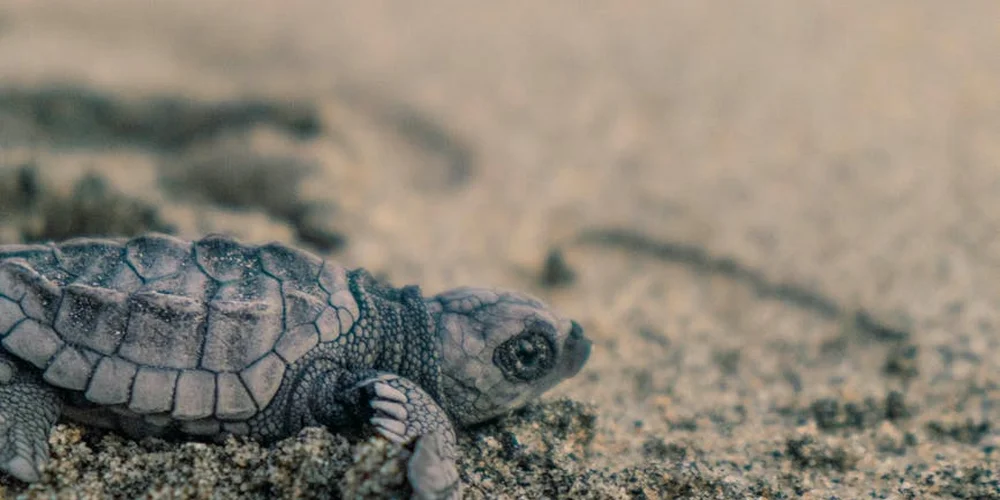
Think of the cloaca as a Swiss Army knife of bodily functions. This single chamber serves as the exit point for the digestive, urinary, and reproductive systems. In all my years of caring for my trio-Austen, Bronte, and Orwell-understanding the cloaca has been fundamental to monitoring their health.
It’s located at the base of the tail, and its appearance can tell you a lot. A healthy cloaca should appear clean, slightly pink, and be completely retracted inside the tail. Any persistent swelling, discharge, or prolapse of tissue is a clear signal to contact your exotic veterinarian immediately.
The Three Primary Functions of the Cloaca
- Waste Elimination: Both solid waste (feces) and liquid waste (urates) pass from the intestines and kidneys into the cloaca before being expelled.
- Reproduction: In males, it houses the penis. In females, it receives the male’s sperm and is the passageway for laying eggs.
- Respiration (in some species): Certain aquatic turtles can absorb a small amount of oxygen through the cloaca’s highly vascularized walls, which is why you might see them “butt breathing” in water.
From a welfare perspective, keeping the area around the cloaca clean is non-negotiable. Substrate that is too damp or soiled can lead to serious and painful infections in this sensitive region. I always provide a clean, dry basking area for my tortoises to help them naturally maintain their own hygiene.
Internal Reproductive Organs: Gonads and More
Inside every turtle, regardless of sex, lies a pair of gonads. These organs are the production centers for either eggs or sperm, nestled up near the kidneys within the safety of the shell. In females, the ovaries release yolk-filled eggs into the oviducts, which are long, coiled tubes. It’s within these tubes that the eggs receive their albumen (the egg white) and are encased in their signature leathery or hard shells.
For males, the testes produce sperm, which then travel through a series of ducts. This internal network is a marvel of biological engineering, designed to function perfectly within the unique constraints of a turtle’s body plan. Having cared for my own turtles for over a decade, I find it fascinating how their entire reproductive system is so compactly and efficiently arranged inside their protective bony armor.
Sexing Turtles: How to Identify Male vs. Female
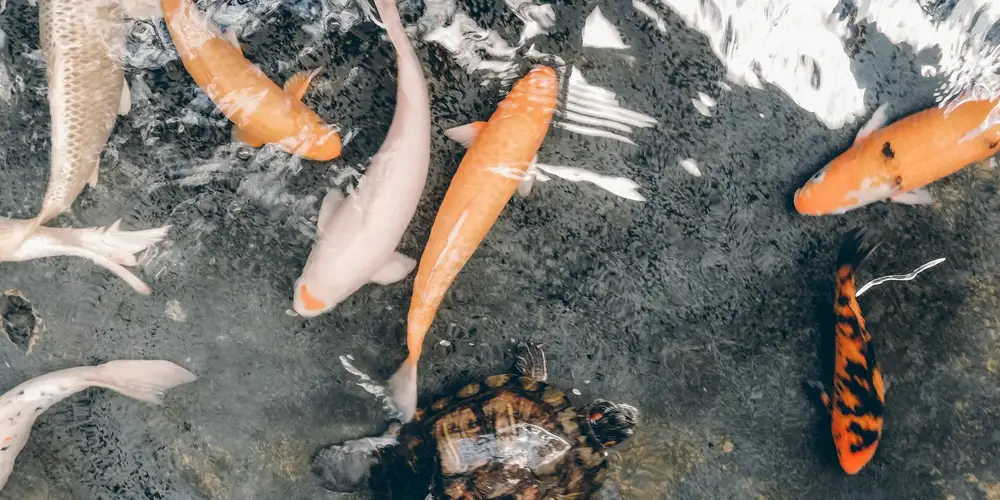
Determining a turtle’s sex can be tricky, but several physical characteristics offer clear clues once you know what to look for. This is a practical skill that becomes essential for proper habitat management and understanding their social behaviors. Knowing how to determine the sex of your turtle helps tailor care and housing. It also guides introductions and breeding decisions.
Here are the most reliable indicators I’ve used with my own Russian, Greek, and Box turtles:
- Tail Length and Cloaca: Males typically possess a longer, thicker tail. The cloaca, the single opening used for excretion and reproduction, is located farther down the tail, closer to the tip in males. In females, the tail is shorter and the cloaca is positioned much closer to the body.
- Plastron Shape: Gently turn your turtle over to examine its underside, or plastron. Males often have a concave, or slightly indented, plastron. This shape helps them balance on the female’s domed carapace (top shell) during mating. Females usually have a flat or even convex plastron.
- Claw Length: In many aquatic and semi-aquatic species, male turtles develop exceptionally long front claws. They use these to “tickle” or vibrate them in front of the female’s face during courtship displays.
- Overall Size: In some species, females grow significantly larger than males, as their bodies need the extra space to develop and carry eggs.
Always handle your turtle with extreme care and for the shortest time possible when checking these features, as the process can be stressful for them. Observing their behavior over time, especially during breeding seasons, can also provide strong hints about their sex. Paying attention to body language and coloration changes can help you understand their mood and stress levels, which is useful for interpreting their overall behavior.
Turtle Mating Mechanics: From Courtship to Copulation
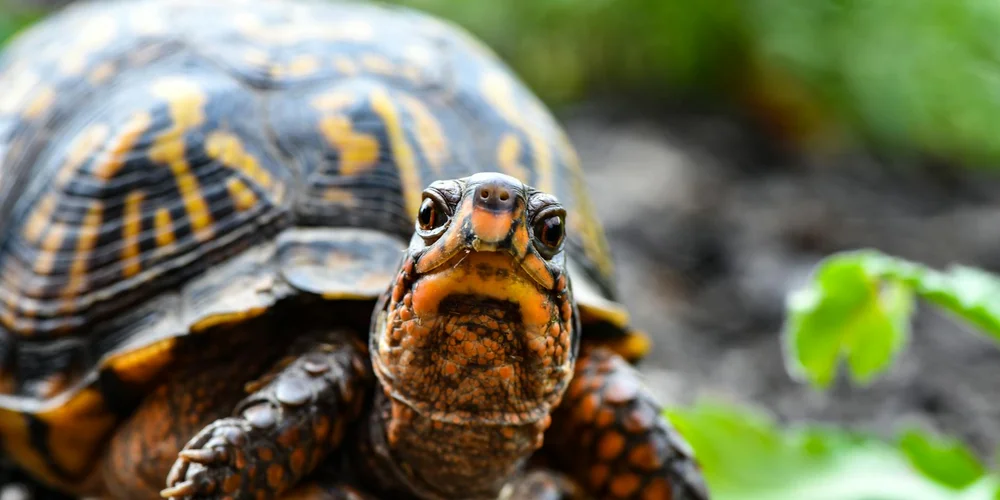
Watching my own turtles, I’ve observed that courtship is a deliberate, and sometimes surprisingly noisy, affair. Males often initiate with specific behaviors that can look aggressive but are a normal part of their courtship ritual. My Russian tortoise, Austen, will persistently follow and gently nip at a female’s legs and shell.
The actual act of mating is a feat of reptilian gymnastics. The male must successfully mount the female’s domed shell and position himself correctly.
- The male climbs onto the female’s carapace, often from the rear.
- He uses his front claws to grip the front edge of her shell for stability.
- He arches his tail downward and underneath the female’s raised tail.
- His hemipenis is then everted from its cloacal pocket to make contact with her cloaca.
This process requires significant balance and coordination from the male. The female often determines the success of the mating attempt by her willingness to cooperate. She may simply walk away or tuck herself tightly into her shell to end the interaction.
Anatomical Variations Across Turtle Species
While the basic blueprint of the hemipenis is consistent, its form can differ dramatically across the turtle family. These variations are fascinating adaptations to different habitats and mating strategies. The anatomy is literally shaped by evolutionary pressures.
Aquatic turtles, like the common Red-Eared Slider, often face the challenge of mating in water. Their hemipenes tend to be longer and more filamentous. Sea turtles have paddle-like flippers for swimming, while many freshwater turtles rely on webbed feet rather than true fins. This shows how aquatic adaptations shape movement and mating in water, helping them cope with buoyancy and currents during reproduction.
In contrast, my terrestrial tortoises, Austen and Bronte, live a very different life. Their hemipenes are generally shorter and stouter, built for stability on solid ground. The mating process for them is less about reaching and more about secure, direct contact without the interference of water.
Even among land-dwellers, you find specialization. My box turtle, Orwell, has a shell with a significant hinge that allows him to close up tightly. His reproductive anatomy reflects this; it is designed to function effectively despite the female’s ability to seal herself inside her own portable fortress during courtship.
The surface of the hemipenis itself is not smooth. Many species have spines, hooks, or fleshy projections that aid in anchoring the male to the female during copulation. This ensures the transfer of sperm is successful and is a common trait seen in many reptiles, not just turtles.
Reproductive Health in Pet Turtles: What Owners Should Know
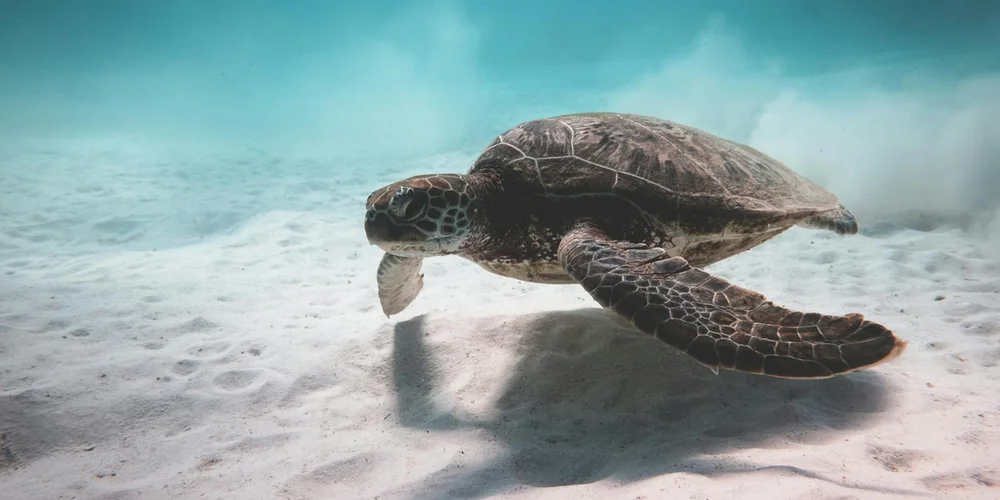
As a turtle owner for over a decade, I’ve cared for my Russian Tortoise Austen and seen how subtle changes in behavior can signal reproductive health needs. Recognizing early signs of issues can prevent discomfort and ensure your turtle thrives in your care. Are most critical pet turtle health issues something you can catch early by watching for changes in behavior, appetite, and shell condition? By knowing what to watch, you can act quickly and keep your turtle thriving.
Understanding Male and Female Anatomy
Male turtles, like many reptiles, possess a hemipenis-a paired organ stored inside the tail that everts during mating. This internal structure means you might never see it unless there’s a problem like prolapse, where it doesn’t retract properly. Females have a cloaca, a multi-purpose opening for excretion and egg-laying, which requires monitoring for swelling or discharge.
- Males: Hemipenis is typically hidden; look for tail length-often longer and thicker than females’.
- Females: Cloaca should appear clean; watch for straining when laying eggs, which can indicate complications.
- Both sexes: Regular checks for redness or unusual protrusions around the tail area help catch issues early.
Common Reproductive Health Problems
From my experience with Bronte, my Greek Tortoise, I’ve learned that reproductive issues often stem from poor habitat or diet. Prolapse is a frequent concern where organs protrude, requiring immediate vet care to avoid infection or tissue damage. Egg-binding in females, where eggs get stuck, can be life-threatening if not addressed quickly.
- Prolapse: Caused by constipation, mating stress, or infections; keep the area moist and seek veterinary help.
- Egg-binding: Results from calcium deficiencies or improper nesting sites; provide a lay box with damp substrate.
- Infections: Look for foul odors or lethargy; maintain clean water and basking areas to reduce risks.
Signs of Healthy Reproduction
A healthy turtle, like my Box Turtle Orwell, shows steady activity and normal eating habits during breeding seasons. Males may display mating behaviors like head bobbing or chasing, which are natural if not overly aggressive. Females digging nests or laying eggs without strain indicate good reproductive fitness.
- Behavior: Active exploration and regular basking; sudden hiding or lack of appetite could signal stress.
- Physical signs: Clear eyes, smooth shell, and no swelling around the cloaca; monitor weight for sudden changes.
- Environmental cues: Proper UVB lighting and temperature gradients support hormonal balance and breeding readiness.
Steps to Support Reproductive Wellness
Caring for your turtle’s reproductive health starts with a balanced approach to their environment and diet. I’ve found that a varied diet rich in calcium, like dark leafy greens, helps prevent egg-binding and supports overall vitality. Regular habitat maintenance reduces stress that can trigger health issues. To create a balanced diet for your omnivorous turtle, include a mix of greens, protein, and calcium. This helps keep them healthy and supports reproductive readiness.
- Provide a calcium supplement: Dust food with reptile-safe calcium to strengthen eggshells and bones.
- Maintain optimal temperatures: Use basking spots around 85-90°F and cooler areas to mimic natural cycles.
- Offer hiding spots and nesting areas: Females need privacy for egg-laying; use shallow containers with moist soil.
- Schedule annual vet check-ups: Early detection of problems saves lives; discuss spaying or neutering if overpopulation is a concern.
Advocating for animal welfare, I always remind owners that turtles can’t verbalize pain, so proactive care is key. Pay attention to red flags that may indicate the signs your turtle needs care. If you notice any unusual signs, consult a reptile-savvy veterinarian to ensure your pet’s long-term health and happiness.
FAQs
Where can I find a diagram of turtle reproductive anatomy?
Reliable diagrams are often available in veterinary herpetology books or on reputable pet care websites. These visuals help illustrate the internal placement of organs like the hemipenis and cloaca within the shell structure.
What labels are typically included in a labeled turtle reproductive anatomy diagram?
Common labels highlight the cloaca, hemipenis, testes, ovaries, and oviducts to show their positions. This aids in understanding how these parts function together for reproduction and excretion.
Which specific organs make up the turtle reproductive system?
The system includes gonads-testes in males for sperm production and ovaries in females for egg development. Ducts like the oviducts transport eggs, while the cloaca serves as a shared exit point.
Are there PDF guides on turtle reproductive anatomy for pet owners?
Yes, PDF resources can be found through exotic veterinary associations or educational portals specializing in reptile care. These documents often provide detailed explanations and diagrams for easy reference.
How does turtle reproductive anatomy compare to other reptiles?
Turtles share features like a hemipenis with many reptiles but have unique adaptations due to their shell, such as internally housed organs. Their cloaca functions similarly but may include specialized roles like respiration in some species. In turtle anatomy and shell biology, the shell is a living, protective structure. Its carapace and plastron shape the arrangement of internal organs and influence breathing.
Your Turtle’s Health and Happiness
Male turtles do have a hemipenis, and recognizing this helps you monitor their breeding behavior and overall well-being. Use this knowledge to gently check for any abnormalities during routine care without causing stress.
From caring for my own turtles like Austen and Bronte, I’ve learned that responsible ownership means always prioritizing their comfort and natural instincts. Daily care routines differ between aquatic and terrestrial turtles. Aquatic turtles need regular water changes and tank maintenance, while terrestrial turtles require steady humidity, clean bedding, and a warm basking area. Keep exploring resources on pet turtle care to deepen your understanding and ensure a thriving life for your shelled friend.
Further Reading & Sources
- The Terrifying Sex Organs of Male Turtles
- How turtles do it | How Animals Do It
- How do sea turtles mate? | Olive Ridley Project
- How do sea turtles mate? | ORP
Matthew is a dedicated turtle enthusiast and conservationist with over 15 years of experience in reptile care. Known affectionately as "The Leatherback" among his peers, he combines his passion for turtles with a commitment to educating pet owners on responsible turtle care and environmental stewardship.
Mating Behavior