
Seasonal Turtle Care Guide: Adjusting Your Routine for Spring, Summer, Fall & Winter
Are you feeling anxious about how the shifting seasons might stress your turtle, from appetite swings to habitat hiccups? I’ve cared for my own shelled friends-like Austen, Bronte, and Orwell-through years of seasonal changes, and I know that small tweaks can make a big difference in their health and happiness.
In this guide, we’ll cover spring feeding boosts, summer temperature control, fall hibernation prep, and winter indoor care to support your turtle all year long.
Why Seasonal Adjustments Are Vital for Your Turtle’s Health
A turtle’s internal clock is deeply tuned to the rhythm of the seasons. Their physiology and behavior are governed by environmental cues like temperature and daylight that signal when to eat, breed, and rest. Ignoring these natural cycles in captivity creates a constant state of stress, weakening their immune system over time.
I’ve seen this firsthand with my Russian tortoise, Austen. His entire demeanor shifts with the changing light outside his enclosure. The three most critical factors to manage are:
- Temperature Gradient: The difference between warm and cool areas in their habitat must shift to mimic the outside world.
- Photoperiod: The length of daily light tells their body what season it is and regulates crucial hormones.
- Brumation: This reptile form of hibernation is a natural, energy-saving state for many species that requires careful preparation.
Failing to adjust your care can lead to serious health issues. Here is what can happen if you ignore the seasons:
- Weakened immune systems leading to respiratory infections.
- Digestive problems from food offered at the wrong temperatures.
- Reproductive issues and nutrient deficiencies.
- Disrupted sleep cycles and chronic stress.
- Failure to enter or exit brumation safely, which can be fatal.
Spring Turtle Care: Waking from Winter Rest
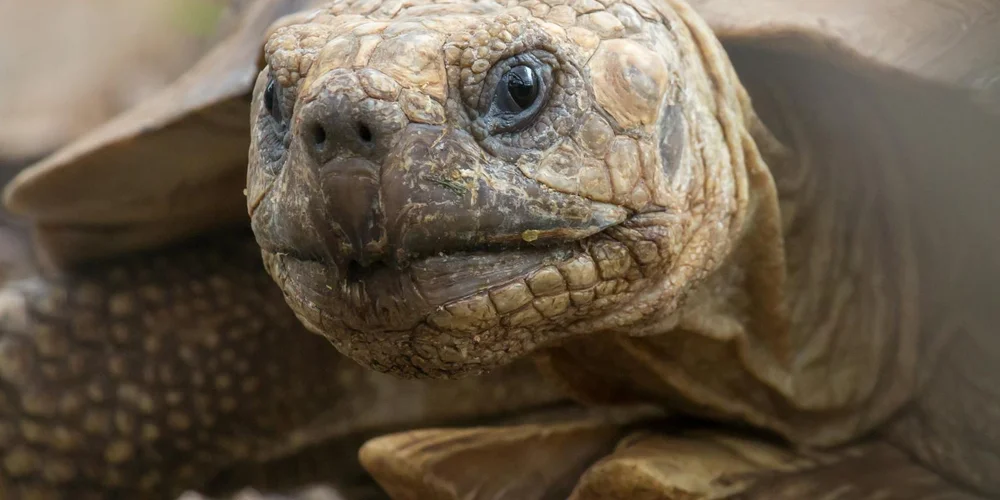
Spring is a season of gentle reawakening. This is a time for patience, not rushing your turtle back to its peak summer routine. My tortoises, Austen and Bronte, always take a few weeks to fully emerge from their slower winter habits. Their appetite returns gradually, and they spend more time cautiously exploring their warmed basking spot.
Your first step is a thorough post-brumation health check. Look for clear eyes, a healthy weight, and normal breathing. Gently refresh the enclosure substrate and clean all surfaces to start the season fresh. Increase activity levels slowly with short, supervised time outside the enclosure if the weather is warm enough.
Light and Temperature Tweaks for Spring
As the days grow longer, so should the hours your lights are on. I use a simple plug-in timer to gradually increase photoperiod by 15-30 minutes each week until we reach a summer schedule. This slow ramp-up prevents shocking their system.
Heating should follow the same gentle curve. Use a reliable thermostat to raise basking spot temperatures incrementally. Here are some optimal spring ranges to aim for:
- Mediterranean Tortoises (like my Greek, Bronte): Basking spot 85-90°F, cool side 70-75°F.
- Russian Tortoises (like Austen): Basking spot 90-95°F, cool side 70-75°F.
- Box Turtles (like Orwell): Basking spot 80-85°F, cool side 65-70°F with higher humidity.
Spring Diet and Hydration Boost
After a period of reduced eating, your turtle needs to rebuild its nutrient stores. Focus on high-quality, easily digestible foods to kickstart their metabolism without overwhelming it. I always start with their absolute favorites to encourage a healthy appetite. Finding ways to encourage your turtle to eat is crucial during such times.
Hydration is equally critical. Offer shallow, warm water soaks more frequently to help with rehydration and encourage defecation. For diet, think variety and nutrients:
- Dark, leafy greens like dandelion and endive.
- Small amounts of high-fiber hay for tortoises.
- Finely chopped vegetables like zucchini and bell peppers.
- For omnivorous species, offer a small, protein-rich treat like a earthworm or a snail.
Feed smaller portions but slightly more often than you would in winter, slowly building up to a summer feeding schedule as their activity level increases.
Summer Turtle Care: Managing Peak Activity
Summer is when your turtle is at its most vibrant and active. My Russian tortoise, Austen, practically does laps in his enclosure this time of year. This peak activity demands a finely tuned environment to support their energy and health. You’ll need to focus on a few key areas to keep your shelled friend thriving through the heat. Understanding their needs across seasons helps in providing consistent care.
Heat and Humidity Control in Summer
Summer sun can turn a habitat into an oven. I learned this the hard way when Bronte’s space got too warm one afternoon. Always use a reliable thermostat with your heat lamps to prevent dangerous temperature spikes. A simple digital thermometer and hygrometer are your best friends for constant monitoring.
Managing humidity is a delicate dance. For most species, you want to avoid a muggy, stagnant environment.
- Provide a shallow water dish large enough for soaking; it helps with hydration and creates a microclimate of humidity.
- Choose substrates like coconut coir or cypress mulch that hold some moisture without becoming soggy.
- Mist the enclosure lightly in the early morning, mimicking a natural dew, but allow it to dry out during the day.
- Ensure excellent ventilation to prevent respiratory issues that can arise from poor air flow.
Summer Health and Enrichment Focus
With all this activity, a little extra attention goes a long way. I make it a habit to give Orwell a quick once-over every time I feed him. Regular health checks let you spot minor issues like shell abrasions or eye irritation before they become serious.
Summer is a prime time for shedding, especially for aquatic turtles. You can support this natural process.
- Ensure proper UVB exposure and a balanced diet; nutritional deficiencies can cause problematic sheds.
- Provide rough surfaces like flat rocks or driftwood for them to rub against.
- Never pull on loose scutes; let them come off naturally to avoid injuring the new shell underneath.
Enrichment is key for a stimulated turtle. A bored turtle is an unhappy turtle.
- Create a “salad bar” by scattering leafy greens throughout the enclosure for foraging.
- Introduce new, safe items like a terracotta pot to explore or a pile of leaves to bulldoze.
- For supervised outdoor time, a secure pen on pesticide-free grass offers immense mental stimulation.
Fall Turtle Care: Preparing for Cooler Months

As the light softens and the air grows crisp, you’ll notice a shift in your turtle’s behavior. My box turtle, Orwell, starts spending less time basking and more time buried in the corner. Fall is a transitional period where your care routine should gently guide them toward their winter slow-down. Watch for signs your turtle is entering brumation, such as reduced appetite and longer resting periods. This isn’t a sudden change, but a gradual winding down.
Gradual Environmental Changes for Fall
Nature doesn’t flip a switch, and neither should you. Abrupt changes can stress your turtle. I mimic the natural shortening of days by reducing my timer’s photoperiod by 15 minutes each week. This slow adjustment signals the changing season without shock.
You’ll also want to adjust the temperature and humidity gradually.
- Lower the basking spot temperature by a few degrees each week.
- Reduce the overall ambient temperature in the enclosure similarly.
- Scale back misting sessions as the internal humidity needs decrease.
- Check that nighttime temperatures are dropping slightly, but remain within a safe range for your species.
Fall Diet and Brumation Prep
This is the time to build up healthy fat reserves, not to overfeed. I focus on offering high-fiber, nutrient-dense foods to my tortoises. Think of their fall diet as fueling up for a long, restful journey, not a sprint. Offer more leafy greens like dandelion and endive, and perhaps a slightly smaller portion of their regular pellets.
Your turtle will show you clear signs when it’s preparing for brumation. Watch for these behaviors.
- A significant decrease in appetite or a complete refusal of food.
- Increased hiding or burrowing behavior.
- General lethargy and less interest in basking.
- Clearing its system; you may notice it defecating to empty its gut.
If you observe these signs, it’s time for a pre-brumation veterinary check-up to ensure they are healthy enough for this dormant period. A clean bill of health is the most important step in preparing for a safe brumation.
Winter Turtle Care: Supporting Rest or Indoor Activity

Winter transforms your turtle’s world. My Russian tortoise, Austen, slows down dramatically, while my box turtle, Orwell, remains curiously active indoors. Your care strategy must pivot on whether your turtle is a natural brumator or a species that stays awake year-round. This isn’t just about temperature; it’s about respecting their biological clock. In winter, many turtles enter brumation, a period of slowed metabolism. If your turtle brumates, provide a cooler, dark, undisturbed hideaway.
Managing Brumation and Indoor Heating
Brumation is a deep, hibernation-like state for species like Russians and Greeks. For these turtles, I prepare a dedicated, well-ventilated brumation box filled with slightly moist coconut coir or peat moss. The ambient temperature must be a stable, cool 40-55°F (4-13°C), monitored with a reliable thermostat. I check on Austen weekly, ensuring he’s just sleeping soundly, not losing significant weight. To create the ideal brumation environment for your turtle, keep the box cool, well-ventilated, and evenly moistened. Regular, gentle checks help ensure the setup stays safe and stable.
For non-brumating species like many aquatic turtles and my box turtle, winter means moving life entirely indoors. Their indoor habitat needs a consistent basking spot of 85-90°F (29-32°C) and an ambient air temperature that doesn’t drop below 70°F (21°C). I use ceramic heat emitters connected to a thermostat for safe, 24/7 warmth without disruptive light. Under-tank heaters can also provide gentle belly heat. To diagnose your turtle’s habitat, use a quick checklist for perfect lighting, heat, and water. This helps ensure the basking spot, ambient temperature, and water quality stay in the ideal range.
Winter Health Checks and Maintenance
Even during brumation, a quick, monthly weigh-in is non-negotiable. A sudden drop can signal illness. Gently feel their limbs for unusual softness and inspect their shell for any new spots or soft areas, which can indicate shell rot. For active indoor turtles, I maintain a shallow water dish for hydration and watch Orwell’s eyes for any signs of swelling, a common issue in dry, heated indoor air.
Respiratory infections are a top winter concern. Listen for wheezing, look for mucus around the nostrils or mouth, and note any lethargy that seems abnormal for the season. A well-maintained habitat with proper heat gradients is your best defense against these chilly-weather ailments.
Year-Round Essentials for Seasonal Turtle Care
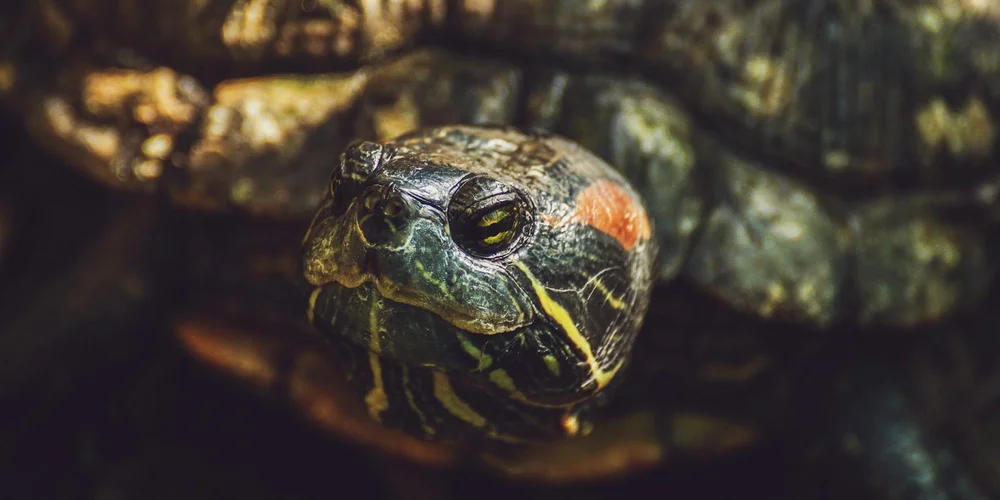
While seasons change, the foundation of excellent care remains constant. Think of these practices as the steady rhythm beneath the melody of seasonal adjustments. They are what keep your shelled companion thriving through every turn of the calendar.
| Category | Essential Practice |
|---|---|
| Habitat | Powerful filtration for aquatic setups; regular spot-cleaning of substrate for terrestrial species. |
| Nutrition | Gut-loaded insects and fresh, dark leafy greens; consistent calcium and vitamin D3 supplementation. |
| Health | Weekly visual inspections of shell, eyes, and skin; monthly weight tracking. |
| Enrichment | Rearranging enclosure decor; providing novel, safe items to explore; offering food in puzzle feeders. |
A clean environment prevents a multitude of health issues. I never skip a water change for my aquatic turtles or a full substrate replacement for my tortoises every few months. It’s the simplest way to prevent bacterial and fungal growth.
Enrichment is crucial for their mental well-being. Bronte, my Greek tortoise, visibly perks up when I hide her favorite dandelion greens under a terracotta pot for her to find. This simple act mimics natural foraging behavior and keeps her engaged, regardless of the weather outside.
FAQs
How can I safely introduce my turtle to outdoor enclosures in spring and summer?
Always use a secure, escape-proof pen placed on pesticide-free grass and provide shaded areas to prevent overheating. Supervise your turtle closely to protect it from predators and ensure it has access to fresh water and a hiding spot for security. This helps create a bio-secure environment for your pet turtle. Regular cleaning and safe materials further reduce the risk of disease.
What are the key differences in care for aquatic vs. terrestrial turtles across seasons?
Aquatic turtles need stable water temperatures and efficient filtration year-round, while terrestrial species require adjusted substrate moisture and basking spots. In winter, aquatic turtles may stay active indoors, but many terrestrial turtles need brumation setups with cool, stable environments. Many turtle species live both on land and in water, so good care often combines both environments. This dual habitat reality is why enclosures typically include a shallow water area plus a land basking zone.
How do I handle a turtle that is not brumating when it should?
Consult a veterinarian to rule out health issues and maintain a consistent, cooler environment to encourage natural behavior. Avoid forcing brumation; instead, provide a reduced photoperiod and monitor for gradual changes in appetite and activity.
Your Turtle’s Year-Round Wellness Journey
The heart of seasonal turtle care lies in observing nature’s rhythms and thoughtfully adjusting your pet’s habitat, diet, and activity levels as temperatures and daylight hours shift. By proactively managing these environmental factors, including feeding turtles during winter brumation and other seasonal changes, you provide a stable, healthy foundation for your shelled friend to thrive through every season.
Committing to a turtle is a long-term promise that flourishes with your dedication to understanding their unique, evolving needs. I encourage you to view your journey not as a chore, but as a rewarding partnership, and to keep learning from trusted resources and fellow enthusiasts on sites like ours.
Further Reading & Sources
- Water Turtle Care SheetCTTC
- Land Turtle Care and Maintenance of the Genus Testudo
- Aquatic Turtle Care Sheet | PetMD
- Aquatic Turtle Care: Master Tank, Food & Health for a Healthy Pet
Matthew is a dedicated turtle enthusiast and conservationist with over 15 years of experience in reptile care. Known affectionately as "The Leatherback" among his peers, he combines his passion for turtles with a commitment to educating pet owners on responsible turtle care and environmental stewardship.
Preventative Care