
How to Create a Balanced Diet Plan for Your Turtle
Feeding your turtle can feel confusing, and you might worry you’re not giving them everything they need for a long, healthy life. I’ve spent years learning the unique dietary needs of my own tortoises, and I understand that concern completely.
This guide will walk you through the exact foods, portion sizes, feeding schedules, and essential supplements your shelled friend requires.
We’ll cover:
- Core food groups for herbivores and omnivores
- How often and how much to feed
- Critical vitamins and calcium
- Sample weekly feeding schedules
- Common mistakes to avoid
Understanding the Foundations of Turtle Nutrition
A balanced diet does more than just fill your turtle’s belly; it’s the cornerstone of their entire well-being. Proper nutrition directly impacts the strength of their shell and their overall lifespan, preventing painful and costly health issues down the road. I’ve seen the difference it makes with my own tortoises, Austen and Bronte, whose shells are smooth and strong thanks to a carefully managed diet.
Think of your turtle’s diet as a carefully constructed building. The key nutrients are the essential building blocks.
- Calcium: This is the primary mineral for building and maintaining a sturdy, healthy shell and skeleton. A deficiency can lead to soft shell, a serious and often fatal condition.
- Vitamin D3: Your turtle’s body cannot absorb and use calcium without this crucial vitamin. It acts like the key that unlocks the door for calcium.
- Phosphorus: This mineral works with calcium, but the balance is critical. Too much phosphorus can actually bind with calcium and prevent its absorption.
You can offer all the calcium in the world, but without the right setup, your turtle can’t use it. UVB lighting is non-negotiable for most turtle species, as it allows them to synthesize their own Vitamin D3. My box turtle, Orwell, spends hours under his UVB lamp after a meal. A proper basking area provides the heat needed to raise their body temperature, which kick-starts their metabolism and allows for efficient digestion and nutrient absorption. It’s a complete, interconnected system. Good UVB lighting and calcium supplementation are key to a healthy turtle shell.
Age-Specific Feeding Guidelines for Turtles
Watching my Russian tortoise, Austen, grow from a tiny juvenile to a steady adult taught me how drastically their dietary needs change. The biggest shift is moving from a protein-heavy menu for growth to a plant-based diet for maintenance.
Juvenile vs. Adult Diets
Young turtles are building bone and shell, requiring more fuel. Think of them as active teenagers. Their diet should be about 50-60% high-quality protein sources. For my aquatic turtles, this meant small, gut-loaded feeder fish and aquatic invertebrates. To keep nutrition balanced, include appropriate pellets and chopped vegetables alongside the live prey. A varied menu—live foods, pellets, and greens—helps ensure they get calcium, vitamins, and fiber for healthy growth.
Adult turtles, like my 12-year-old Greek tortoise Bronte, have slower metabolisms. Their diet should flip, consisting of 80-90% dark, leafy greens and vegetables. Too much protein in an adult can lead to shell pyramiding and kidney strain, something I vigilantly monitor.
Portion Sizes and Feeding Frequency
- Hatchlings & Juveniles: Offer an amount of food roughly the size of their head and neck combined. Feed them daily to support their rapid growth spurts.
- Adults: A portion the size of their shell is a good starting point. I feed my adults every other day, which helps prevent obesity and keeps them foraging naturally.
Transitioning Diets Smoothly
You don’t switch their food overnight. When Orwell, my box turtle, reached maturity, I started by mixing a small amount of new veggies into his familiar protein pellets. Gradually increase the plant matter over 4-6 weeks while decreasing the protein. Watch their stool and energy levels; a smooth transition means happy, healthy digestion.
Creating Practical Feeding Schedules
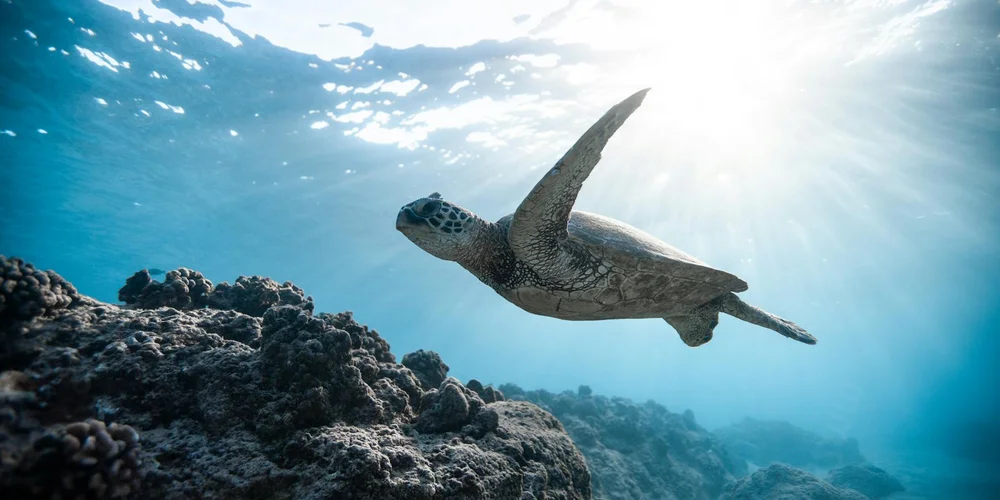
Consistency is your best friend in turtle care. A predictable routine reduces stress for your shelled friend and makes your life easier. I keep a simple log to track what I feed and any changes in appetite, which is a great early health indicator.
Start with a weekly plan. Assemble your greens, pre-portion protein, and have calcium supplements ready. Adjust frequency based on your turtle’s activity and the season; they often eat less when it’s cooler. Make sure to follow a feeding schedule for turtles to keep them healthy.
Sample Schedule for Juvenile Turtles
| Day | Diet Focus | Sample Foods |
|---|---|---|
| Monday, Wednesday, Friday | Protein Day | Commercial turtle pellets, small earthworms, chopped shrimp |
| Tuesday, Thursday | Plant Introduction Day | Finely chopped dandelion greens, shredded zucchini, a sprinkle of pellets |
| Saturday | Fasting & Enrichment | No food, but offer a cuttlebone for calcium chewing |
| Sunday | Mixed Diet Day | 50% protein, 50% leafy greens (e.g., collard greens, romaine) |
Always dust their food with a calcium supplement twice a week and a multivitamin once a week.
Sample Schedule for Adult Turtles
| Day | Diet Focus | Sample Foods |
|---|---|---|
| Monday, Thursday | Leafy Green Day | Collard greens, turnip greens, escarole, hibiscus flowers |
| Tuesday, Friday | Veggie Variety Day | Shredded carrots, bell peppers, pumpkin, prickly pear pad |
| Wednesday | Protein Day (Limited) | A few soaked, high-quality turtle pellets or a single berry |
| Saturday, Sunday | Fasting & Grazing | No formal meal; edible weeds like plantain or clover available |
This schedule focuses on fiber and nutrients while providing minimal protein to maintain a healthy weight. I gently feel Bronte’s shell every month; you should not be able to feel sharp, protruding edges, which can indicate overfeeding.
Supplements and Health Boosters for Turtles
Just like us, turtles can’t get all their nutrition from food alone, especially when living indoors. Providing the right supplements is a non-negotiable part of preventing serious, and often irreversible, health issues. Vitamin deficiencies are common in pet turtles, especially when housed indoors with limited sunlight. Preventing them comes down to consistent nutrition and appropriate supplementation. I learned this the hard way with my Russian tortoise, Austen, who once showed early signs of metabolic bone disease before I corrected his supplement routine.
Calcium and Cuttlebone: The Building Blocks
Calcium is absolutely critical for a strong shell and skeletal structure. Without it, a turtle’s shell can become soft and deformed.
- Calcium Powder: Lightly dust your turtle’s leafy greens or other foods with a pure calcium powder (without added vitamin D3) about three to four times a week.
- Cuttlebone: This is the internal shell of a cuttlefish, and it’s a fantastic, natural source of calcium. You can find it in the bird section of any pet store. Simply place a small piece in your turtle’s enclosure. They will gnaw on it as their body needs it, which is a wonderful self-regulating behavior to observe.
Vitamins and The Power of D3
Vitamins work in concert with minerals. Vitamin D3 is the key that allows your turtle’s body to actually absorb and use all that wonderful calcium you’re providing. In the wild, they synthesize D3 naturally from sunlight.
- Dusting with Multivitamins: Use a high-quality reptile multivitamin powder. Dust their food lightly once or twice a week, ensuring it contains Vitamin D3 if your turtle is housed indoors.
- The Sunlight Factor: If your turtle has access to real, unfiltered sunlight for several hours a week, their need for supplemental D3 decreases significantly. The sun is always the best source.
Recognizing Trouble and Seeking Help
Your turtle’s body will tell you when something is wrong. Being observant is your greatest tool.
- Signs of Calcium Deficiency: A soft or rubbery shell, lethargy, swollen eyes, and difficulty walking are major red flags.
- Signs of Vitamin Deficiency: Lack of appetite, listlessness, and shell problems can also indicate a lack of essential vitamins.
- Veterinary Care: If you notice any of these symptoms, or if your turtle stops eating for more than a few days, consult a veterinarian who specializes in reptiles immediately. Do not attempt to guess the dosage of supplements to correct a severe deficiency on your own.
Avoiding Common Diet Mistakes and Hazards
Sometimes, what you don’t feed your turtle is just as important as what you do. The most common health problems I see in pet turtles are almost always linked to simple, preventable dietary errors. A little knowledge goes a long way in keeping your shelled friend safe and thriving for decades.
Overfeeding and Contamination Risks
It’s tempting to keep offering food, but turtles are opportunistic eaters and will often overindulge if given the chance. To avoid common turtle feeding mistakes, keep portions small and feed on a regular schedule. Also, choose a balanced variety of appropriate foods for their species.
- The Perils of Overfeeding: This leads directly to obesity, pyramiding (raised, pyramid-like scutes on the shell), and fatty liver disease. Stick to the scheduled portion sizes.
- Plastic Ingestion: This is a silent hazard. Always wash store-bought greens thoroughly. I once found a tiny piece of plastic produce bag stuck to a lettuce leaf, a stark reminder to be vigilant. Turtles cannot distinguish between food and plastic.
Known Toxins and Environmental Dangers
Many common plants and human foods are toxic to turtles. Their digestive systems are not built like ours.
- Toxic Foods to Absolutely Avoid: Avocado, rhubarb, onion, garlic, dairy products, processed human foods, and chocolate.
- Dangerous Plants: If you offer plants from your garden, ensure they have not been treated with pesticides or herbicides. Also, avoid toxic ornamental plants like ivy, oleander, and azalea.
- Water Quality: For aquatic turtles, a dirty tank is a dietary hazard. They eat and defecate in their water, so poor filtration can lead to them ingesting their own waste, causing infections.
Observing and Adjusting Your Approach
Your turtle is an individual. The “perfect” diet plan needs to be tailored to them.
- Watch Their Eating Habits: Are they eagerly eating everything? Are they leaving certain foods behind? This tells you what they like and what nutrients they might be avoiding.
- Adjust Portions: If your turtle consistently leaves food, slightly reduce the portion. If they devour everything immediately and seem to be searching for more, a tiny increase may be warranted. A good rule of thumb is to offer an amount of food roughly the size of their head.
- Monitor Their Weight: Weigh your turtle monthly using a small kitchen scale. A steady, appropriate weight is a great indicator of dietary health.
Preparing and Storing Turtle Food Safely
Just like our own meals, how you prepare and store your turtle’s food impacts its nutritional value and safety. Proper handling prevents the introduction of harmful bacteria and ensures every bite is as beneficial as possible. I’ve learned through years with my own shelled companions that a little extra care here makes a world of difference.
Handling Fresh Fruits and Vegetables
Fresh produce is a cornerstone of a healthy diet, but it needs proper preparation.
- Thoroughly wash all fruits and vegetables under cool, running water to remove dirt, pesticides, and potential contaminants.
- Chop items into bite-sized pieces appropriate for your turtle’s mouth. For my Russian Tortoise, Austen, I aim for pieces no larger than the size of his head.
- Pat washed greens dry with a paper towel. Excess water can dilute nutrients and quickly spoil the food in the enclosure.
- Store prepped fresh food in airtight containers in the refrigerator. Use within 2-3 days for optimal freshness.
Managing Live Feeds and Insects
Live food provides essential protein and enrichment, but requires careful management.
- Always purchase live feeds from reputable pet stores to ensure they are free of parasites and pesticides.
- Keep insects in a secure, ventilated container with their own food source, like slices of potato or commercial gut-loading diet.
- Never release uneaten live insects into your turtle’s habitat. They can stress your turtle, bite, or establish a colony in your home. Remove any uneaten insects after 15-20 minutes.
- Discard any dead insects immediately, as they can harbor bacteria and spoil quickly.
Best Practices for Commercial Food
Pellets and other commercial foods are convenient, but they lose potency if stored incorrectly.
- After opening, transfer pellets from the bag to a completely airtight container.
- Store the container in a cool, dark, and dry place, like a pantry or cupboard, away from direct sunlight or heat sources.
- Check the manufacturer’s expiration date and use the food within that timeframe. Old, stale pellets lose nutritional value and are often refused by discerning turtles.
- Resist buying the largest bag for savings unless you have many turtles; a smaller, fresher supply is almost always better.
FAQs
What are the essential components of a balanced turtle diet plan?
A balanced turtle diet plan should incorporate a mix of leafy greens, vegetables, and protein sources tailored to the species. Including supplements like calcium and vitamins ensures proper shell development and overall health. For an omnivorous turtle, include a rotating mix of plant matter and protein such as insects, worms, and small aquatic animals to meet diverse nutrient needs. This approach helps keep meals varied and balanced.
How does the diet change as a turtle ages?
Juvenile turtles need more protein for growth, while adults require a plant-heavy diet to maintain weight and prevent health issues. Gradually shifting the diet over weeks helps avoid digestive problems during this transition.
Why are supplements important in a turtle’s diet?
Supplements provide essential nutrients like calcium for strong shells and Vitamin D3 for calcium absorption, which may be lacking in fresh foods. Regular use helps prevent deficiencies that can lead to serious conditions like metabolic bone disease.
What are the immediate effects of plastic ingestion on turtles?
Plastic ingestion can cause intestinal blockages, leading to loss of appetite and potential starvation. It may also release harmful chemicals into their body, increasing the risk of organ damage.
How can turtle owners minimize the risk of plastic ingestion?
Thoroughly rinse all fresh foods and inspect them for plastic debris before feeding. Avoid using plastic items in the habitat and opt for natural, safe decorations to reduce accidental consumption.
A Final Word on Turtle Nutrition
Remember, the foundation of a healthy turtle is a varied diet rich in the right greens, proteins, and essential calcium. Following a consistent, species-specific feeding schedule prevents both overfeeding and nutritional deficiencies. The calcium-to-phosphorus ratio is the single most important rule in turtle nutrition, guiding you to balance minerals for strong shells and healthy bones. Keep this ratio in mind as you plan meals, and your careful planning directly fuels their vibrant shell and energetic life.
Creating this diet is a wonderful act of responsible pet ownership, a commitment to understanding your unique shelled friend. To guide you, check out the Feed Your Pet Turtle: Ultimate Beginners Guide for simple, practical feeding steps. Stay curious, keep learning, and always observe how your turtle thrives—their well-being is the ultimate reward for your dedication.
Further Reading & Sources
- What Do Pet Turtles Eat? Diets, Mealtimes, Amounts
- What Do Turtles Eat? | PetMD
- Feeding Aquatic Turtles | VCA Animal Hospitals
- Your Guide to Turtle Diets – Hikari Sales USA
Matthew is a dedicated turtle enthusiast and conservationist with over 15 years of experience in reptile care. Known affectionately as "The Leatherback" among his peers, he combines his passion for turtles with a commitment to educating pet owners on responsible turtle care and environmental stewardship.
Feeding Schedules