
Sea Turtle Egg Hatching Time: What to Expect
Published on: April 12, 2026 | Last Updated: April 12, 2026
Written By: Matthew The
If you’re wondering how long sea turtle eggs take to hatch, you might also be worried about threats like predators, beach erosion, or climate change impacting their survival.
In this article, we’ll cover:
- Average incubation periods
- Key environmental influences
- Developmental stages inside the egg
- Practical conservation steps
The Basics of Sea Turtle Egg Incubation
Sea turtle eggs rely on the warmth of the sand to develop, much like how my pet tortoise Austen needs consistent heat in his enclosure. The temperature of the nest plays a huge role in determining both the hatch time and the sex of the baby turtles. Warmer sands often lead to faster development and more females, while cooler conditions slow things down and produce more males.
In my years caring for turtles, I’ve seen how vital stable environments are. Nest depth and moisture levels also influence how long it takes for eggs to hatch. Deeper nests stay more insulated, and proper humidity prevents the eggs from drying out, ensuring the embryos grow safely.
- Temperature: Warmer sands speed up incubation; cooler sands delay it.
- Moisture: Adequate humidity keeps eggs from shriveling and supports development.
- Sand type: Coarser sand may drain too quickly, while finer sand holds moisture better.
Watching over my turtles has taught me patience, and sea turtle nests demand the same. Disturbing a nest can harm the eggs, so it’s best to observe from a distance to protect these vulnerable creatures.
Species-Specific Hatch Times for Sea Turtle Eggs
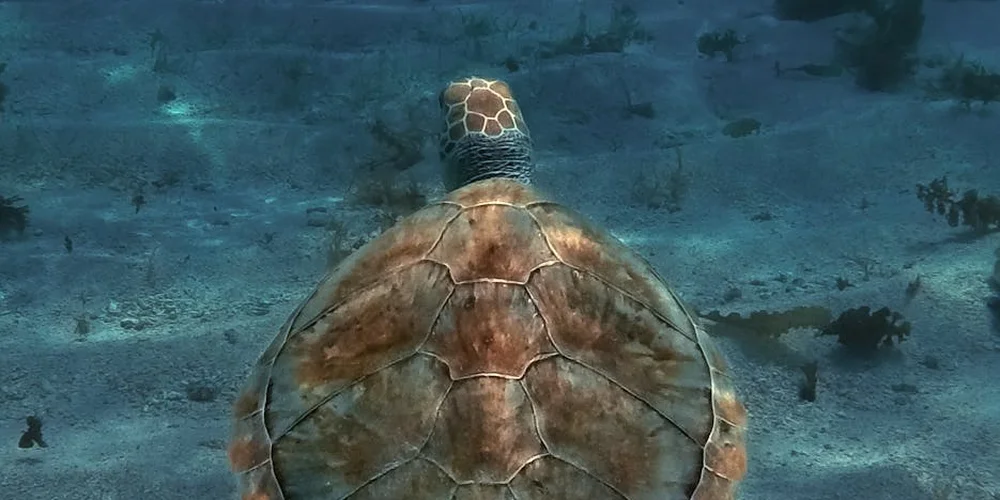
Each sea turtle species has its own rhythm for hatching, shaped by their unique biology and habitats. Knowing these differences helps us appreciate the diversity in turtle life cycles and why conservation matters.
Green Sea Turtle Incubation Period
Green sea turtle eggs typically hatch in about 45 to 75 days, depending on environmental conditions. I’ve noticed in my work that warmer beaches can push this toward the shorter end, much like how Bronte’s Greek tortoise eggs respond to heat. These turtles often nest in tropical areas where steady temperatures support a reliable timeline. Understanding these hatching timelines is essential for mapping the sea turtle nesting season and planning conservation efforts. By tracking temperature effects on incubation, researchers can predict hatch windows and support nest protection during peak periods.
- Average range: 45-75 days.
- Common in warm, sandy beaches with consistent climates.
- Temperature affects sex ratios, with higher heat favoring females.
Loggerhead Sea Turtle Incubation Period
Loggerhead eggs take a bit longer, usually between 50 and 80 days to hatch. Their nests are often deeper, which can buffer temperature swings and extend the wait. This reminds me of Orwell, my box turtle, who prefers buried spots for safety-it’s a natural instinct for protection.
- Average range: 50-80 days.
- Nests are commonly found on subtropical shores.
- Deeper digging helps maintain stable conditions for development.
Hawksbill and Leatherback Sea Turtle Incubation Periods
Hawksbill eggs hatch in roughly 50 to 70 days, while leatherbacks, the giants of the sea, have a similar span of 55 to 70 days. Leatherbacks’ larger size doesn’t always mean a longer wait, but their nests can be more sensitive to sand composition. From caring for various turtles, I’ve learned that each species adapts uniquely, and these timelines highlight why we must safeguard their nesting sites and understand when and how often turtles lay eggs.
- Hawksbill: 50-70 days; often in coral-rich areas.
- Leatherback: 55-70 days; prefers open beaches with fine sand.
- Both face threats from habitat loss, underscoring the need for animal welfare efforts.
How Environmental Conditions Influence Hatch Time
Sea turtle eggs don’t hatch on a strict schedule; their development is deeply tied to the world around them. In my years caring for turtles like Austen and Bronte, I’ve seen firsthand how small changes in their environment affect their health, and it’s no different for sea turtle nests in the wild. To understand the life cycle of sea turtles, look at all stages—from eggs to hatchlings to adults. This broader view helps explain hatch times and the need to protect nesting conditions. Understanding these factors helps you appreciate why hatch times vary and why protecting these conditions is vital for their survival.
The Role of Sand Temperature in Incubation
Sand temperature is a major player in how long eggs take to hatch. Warmer sands speed up incubation, often leading to hatchlings emerging in as little as 45 days, while cooler sands can stretch it to 70 days or more. I remember noticing how my Russian tortoise, Austen, becomes more active on sunny days, and similarly, sea turtle embryos develop faster when nests bask in consistent warmth. Temperature doesn’t just affect timing-it also determines the sex of hatchlings, with warmer sands producing mostly females and cooler ones favoring males. This delicate balance means even a slight shift in climate can impact entire generations, underscoring the need for conservation efforts.
Other Key Environmental Factors
Beyond temperature, several elements shape the hatch timeline. Moisture levels in the sand are crucial; too dry, and eggs may dehydrate, slowing growth, while excessive wetness can lead to fungal issues. Sand texture matters too—coarser sands allow better oxygen flow, supporting healthy development. From caring for Orwell, my box turtle, I’ve learned that proper substrate is key to mimicking natural habitats, and sea turtles rely on similar principles for gas exchange in their nests. Box turtles also rely on substrate humidity; keep the bedding mildly damp—not soggy—to support hydration and safe digging. Too dry or too wet conditions can stress box turtles and affect shedding. Human disturbance, like foot traffic or artificial lights, can disrupt incubation, and predation risks force nests to be well-hidden. Protecting these factors ensures hatchlings have the best start, much like how I prioritize a safe, stable environment for my own pets.
Recognizing the Signs of Imminent Hatching
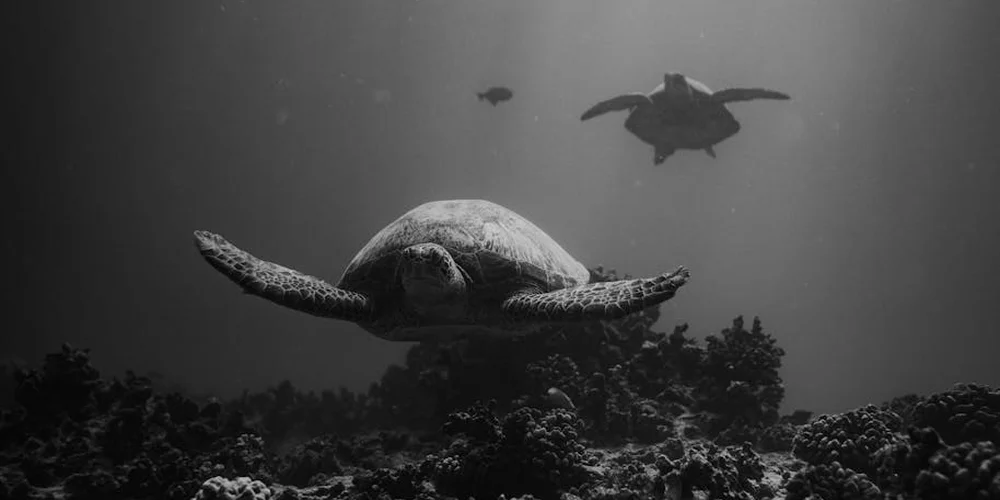
As hatching nears, the nest reveals subtle clues that nature is at work. You might notice the sand above the eggs starting to sink or shift, a sign that hatchlings are moving and preparing to break free. Listen closely-soft scratching or pipping sounds can emerge as they start to crack their shells from inside. In my experience with reptile eggs, this stage is filled with anticipation; for sea turtles, it often happens under cover of night to avoid predators. Watching for these signals reminds us to keep our distance, allowing the hatchlings to emerge naturally and begin their journey to the ocean and their life from hatchling to juvenile.
Ethical Guidelines for Encountering Sea Turtle Nests or Hatchlings
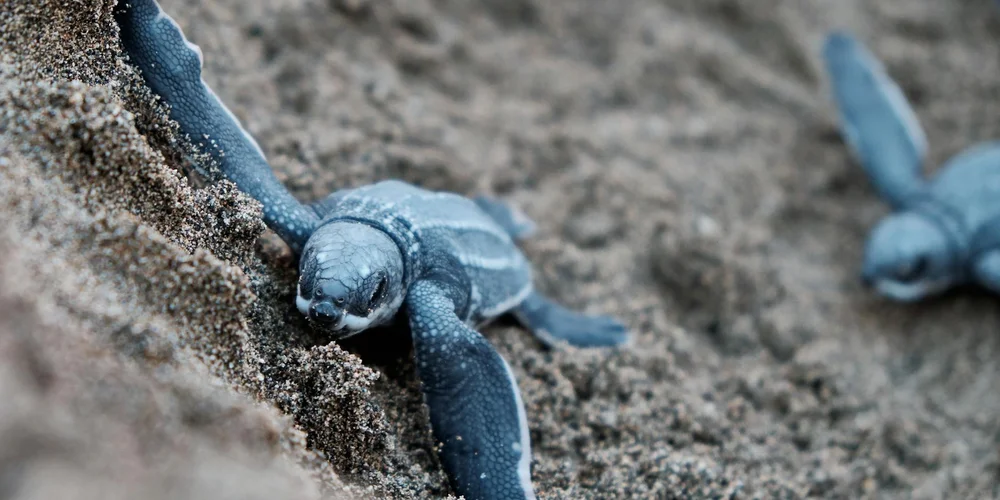
Witnessing a sea turtle nesting event or seeing hatchlings scramble to the ocean is a profound experience. Your primary role is that of a quiet, respectful observer, ensuring your presence does not alter their ancient, instinctual behaviors. I’ve learned from my own tortoises, Austen and Bronte, that reptiles are incredibly sensitive to their environment, and wild sea turtles are no different.
Handling Sea Turtle Hatchlings Responsibly
Your instinct might be to help a hatchling that looks lost or struggling. Resist this urge, as human interference can do more harm than good. The journey from nest to surf is a critical test that strengthens the hatchlings and imprints the location of their home beach.
- Do not touch or pick up the hatchlings. The oils on our skin can interfere with their ability to navigate and regulate temperature.
- Never use white light. Flashlights, camera flashes, or phone lights disorient them. If you must use light, only a certified red turtle-friendly flashlight is acceptable.
- Create a clear, dark path to the ocean. Move beach chairs, fill in holes, and stay out of their way. They use the natural reflection of the moon and stars on the water to find their direction.
- Keep your distance and stay quiet. Loud noises and close proximity can cause them to freeze, wasting precious energy.
If you find a hatchling heading inland or in clear distress during the day, the best action is to contact a local wildlife rehabilitation center or a permitted sea turtle conservation group immediately. They have the training to assess and assist properly. For cases where temporary home care is advised, a bringing-home rescue turtle guide can explain what to expect in the first month of rehabilitation. Always work closely with a licensed facility and follow their instructions.
Sea Turtle Hatching Seasons and Observation Tips
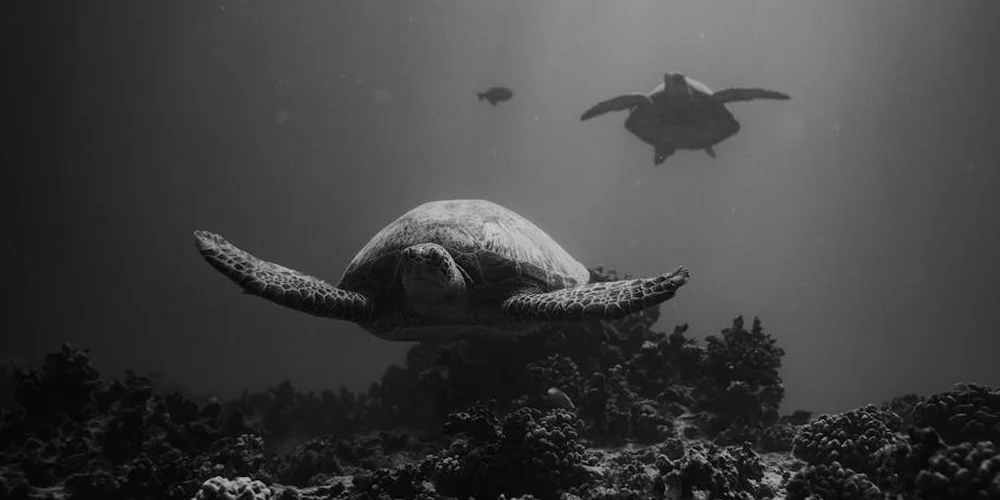
Timing is everything when hoping to witness this natural marvel. Hatching season generally aligns with the warmer months, but it varies significantly by species and location. In many places, a late summer or early fall evening is your best bet.
My box turtle, Orwell, has a predictable daily routine, but sea turtle hatchlings emerge on nature’s schedule. They most often leave the nest en masse under the cover of darkness to avoid predators. Are turtles nocturnal? Not strictly—many species have mixed activity periods and rest in cycles influenced by light and temperature. Understanding these sleep patterns can shed light on why hatchlings emerge at night to stay hidden. This usually happens at night, but you might get lucky with a late evening or very early morning emergence.
- Research your specific beach. Local conservation websites often provide nesting and hatching forecasts.
- Patience is your greatest tool. Plan to spend a few quiet hours on the beach after sunset.
- Look for signs of a “boil.” This is the term for when dozens of hatchlings erupt from the sand simultaneously.
- Always observe from behind the nest if it is marked. Do not stand between the nest and the ocean.
The most important tip is to leave no trace of your visit. Take all your belongings and trash with you, ensuring the beach remains a safe, clean nursery for the next generation.
FAQs
Are there sea turtle hatching tours available in Florida for 2023?
Yes, many certified organizations in Florida offered guided sea turtle hatching tours during the 2023 nesting season, typically from May to October. It’s best to check with local wildlife groups for any remaining opportunities or recorded events.
How can I find sea turtle hatching events near me?
Contact local beach authorities or wildlife conservation centers for updates on nesting and hatching activities in your area. Online resources and apps dedicated to sea turtle tracking can also provide real-time information and tour options.
When is sea turtle hatching season in Hawaii?
In Hawaii, sea turtle hatching season generally runs from late spring to early fall, with peak activity between June and September. This timing allows for ethical observation opportunities, much like how pet turtle owners schedule care around seasonal behaviors. Similarly, a seasonal turtle care guide for pets suggests adjusting your routine with the seasons. In spring and summer, you might extend basking time and monitor ambient temperatures, while in fall and winter you’ll want a stable warmth and a consistent light cycle.
What should I look for in sea turtle hatching tours near me?
Opt for tours led by permitted guides who enforce small group sizes and use only red turtle-friendly lights to protect hatchlings. These practices ensure a minimal impact on the turtles, similar to how responsible pet owners prioritize humane care.
When can I see sea turtle hatching on Hilton Head Island?
Sea turtle hatching on Hilton Head Island typically occurs from July through early October, with guided tours often available through local conservation programs. Always follow ethical guidelines to avoid disturbing the nests, just as pet turtle enthusiasts maintain safe habitats.
A Final Word on Turtle Egg Incubation
In caring for turtle eggs, remember that patience is your greatest ally, with most species requiring 45 to 90 days under precise temperature and humidity. Female turtles typically select a land nesting site, dig a nest with their hind legs, and lay eggs before covering them. These nesting behaviors illustrate why providing stable, natural-like conditions is crucial for a successful hatch. Mimicking the stable, secure conditions of a natural nest is the single most important factor for a successful hatch.
Responsible pet ownership means committing to lifelong learning about the specific needs of your shelled companion. Your dedication to understanding their unique biology, from egg to elder, is what truly defines exceptional animal welfare.
Further Reading & Sources
- Sea Turtles – Sea Turtle Trackers
- A Complete Guide to Sea Turtle Season on Jekyll Island • Jekyll Island, Georgia • Vacation, Conservation, and Education Destination
- How long do sea turtle eggs incubate? | Olive Ridley Project
- sea turtle nesting season
Matthew is a dedicated turtle enthusiast and conservationist with over 15 years of experience in reptile care. Known affectionately as "The Leatherback" among his peers, he combines his passion for turtles with a commitment to educating pet owners on responsible turtle care and environmental stewardship.
Nesting Requirements