
How Many Different Species of Turtles Are There?
You might be asking yourself how many turtle species truly exist, and it’s completely normal to feel a little uneasy about their survival in today’s world.
We’ll explore the total species count, different types, habitats, and ways to support their conservation.
Understanding Turtle Diversity: A Global Count
Globally, scientists recognize over 350 species of turtles, each adapted to unique environments from oceans to deserts.
This number includes everything from tiny bog turtles to massive leatherbacks, with new species occasionally identified through genetic research.
In my years caring for turtles like Austen and Bronte, I have seen how this diversity means no two species have identical needs, which is vital for proper pet care.
- Sea turtles: Around 7 species, all facing threats from pollution and habitat loss.
- Freshwater turtles: Over 200 species, thriving in rivers, lakes, and wetlands worldwide.
- Tortoises: Approximately 50 species, built for life on land with sturdy, dome-shaped shells.
Advocating for animal welfare, I stress that understanding these numbers helps us support conservation efforts and avoid keeping wild-caught turtles as pets.
The Three Major Turtle Groups: Sea, Freshwater, and Tortoises
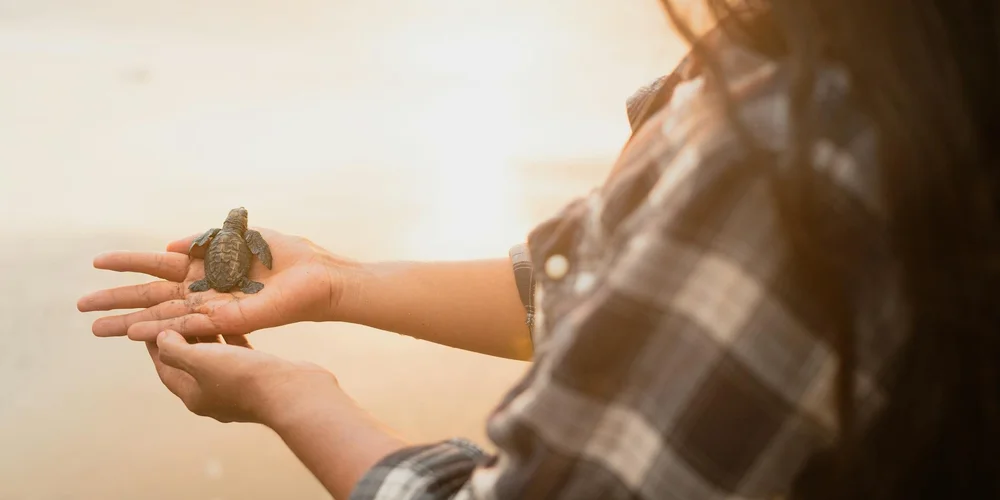
Sea turtles spend their lives in marine environments, using flippers to navigate vast oceans and returning to shores only to nest. Do turtles have fins or flippers, and how do these adaptations reflect their aquatic lifestyle? Examining their flipper structure helps illuminate how sea turtles are built for efficient swimming in the ocean.
Their streamlined bodies and salt glands allow them to thrive in salty waters, but they are highly vulnerable to plastic pollution and fishing nets.
Freshwater turtles, like my Orwell, inhabit ponds, streams, and marshes, often basking on logs to regulate their body temperature.
- They have webbed feet for swimming and varied diets, from plants to small prey.
- Common examples include painted turtles and sliders, which many people keep as pets with proper aquatic setups.
Tortoises, such as Austen and Bronte, are strictly terrestrial with column-like legs and high-domed shells that protect them from predators.
I have found that tortoises like mine need spacious enclosures with dry substrates and a diet rich in fibrous greens to prevent shell deformities.
- Sea turtles: Prioritize conservation; never keep them as pets due to legal and ethical reasons.
- Freshwater turtles: Ensure clean water and UVB lighting for health, mimicking their natural habitats.
- Tortoises: Focus on outdoor access or large indoor spaces to encourage natural behaviors like grazing.
Each group demands specific care, and I always recommend adopting from rescues to promote animal welfare and reduce wild population declines.
Common Turtle Species You Might Welcome Home
Popular Freshwater Pet Turtles
Freshwater turtles bring lively energy to any home aquarium. Red-eared sliders are a top choice for their vibrant markings and active swimming habits. They thrive in spacious tanks with clean water and basking spots. For beginners, our red-eared slider turtle care guide covers proper setup, feeding, and daily care. It helps you start a healthy, long-lasting partnership.
Painted turtles display beautiful shell patterns that catch the light. Their hardy nature makes them forgiving for beginners who are learning proper care routines. I’ve seen them flourish in setups with UVB lighting and varied diets. UVB lighting is essential for their vitamin D3 synthesis and calcium metabolism. Properly setting it up ensures they get the right intensity and duration to stay healthy.
- Map turtles: Known for intricate shell maps and need for excellent water quality
- Musk turtles: Small size and minimal space requirements suit compact homes
- Reeves turtles: Adaptable personalities that handle gentle handling well
Each species demands specific water temperatures and filtration. Regular tank maintenance prevents health issues and keeps your turtle vibrant for years. Set up a regular turtle tank water quality testing schedule to monitor pH, ammonia, nitrites, and nitrates. Use the results to guide water changes and cleaning, keeping the habitat stable and safe for your turtle.
Popular Land-Dwelling Pet Turtles and Tortoises
Land-dwellers like tortoises offer a slower, more contemplative companionship. My Russian tortoise Austen enjoys sunny patches and munching on leafy greens with steady patience. They need secure outdoor enclosures or large indoor habitats.
Greek tortoises, like my graceful Bronte, boast golden shells and thoughtful curiosity. Providing a varied diet with calcium supplements supports their long, healthy lives. They relish exploring rocky terrains and hiding in shaded areas.
- Box turtles: Orwell’s reserved intelligence shines in forest-like setups with moist soil
- Hermann’s tortoises: Bright personalities that respond well to consistent daily routines
- Sulcata tortoises: Impressive size requires ample space and commitment to their growth
Always source these animals ethically to support conservation. Adopting from rescues ensures you give a home to turtles in need rather than fueling wild capture.
A Spotlight on Snapping Turtles: How Many Types Are There?
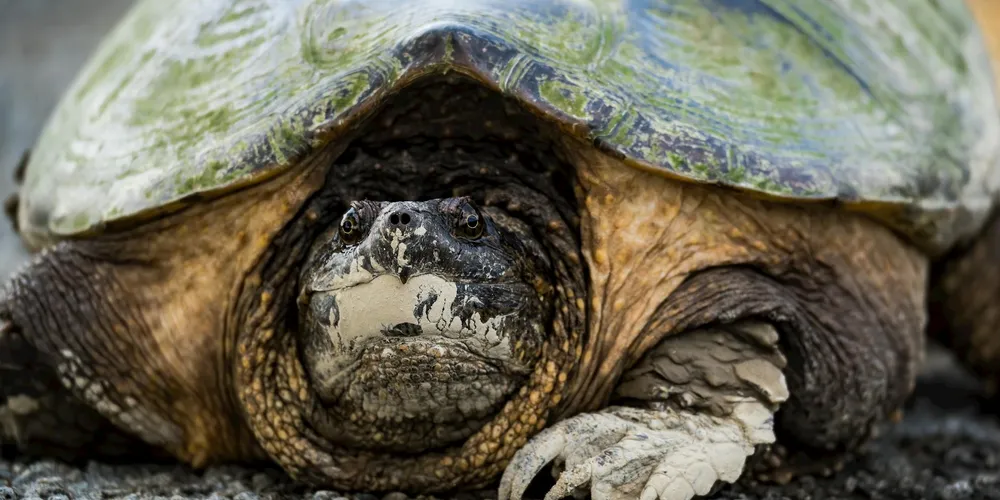
Snapping turtles are fascinating but rarely suit home life. Two main species exist: the common snapping turtle and the alligator snapping turtle. Their powerful jaws and territorial instincts make them challenging pets. From a snapping turtle behavior biology perspective, researchers examine how habitat and stress shape snapping, basking, and aggression. These insights help explain why their bite reflex and territorial displays are so pronounced in both wild and captive environments.
Common snappers inhabit freshwater across North America. They grow rapidly and need massive tanks or ponds, which I’ve found impractical for most households. Alligator snappers feature rugged, dinosaur-like shells and lure prey with worm-like tongues.
- Common snapping turtle: Widespread, adaptable, but aggressive when provoked
- Alligator snapping turtle: Larger, less common, and protected in many regions
Keeping them requires permits and expert knowledge. Respecting their wild nature helps preserve these ancient creatures in their natural habitats.
Turtle Species and Their Global Distribution
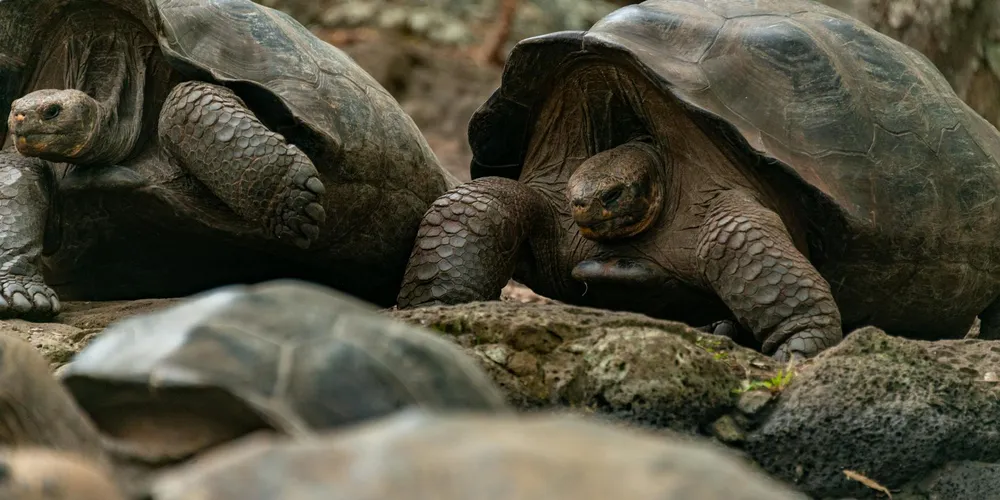
Turtles inhabit nearly every corner of our planet, from tropical rainforests to arid deserts, adapting to diverse environments over millions of years. Their distribution spans continents, with species like sea turtles cruising ocean currents and tortoises roaming terrestrial landscapes. I’ve observed this firsthand with my Russian Tortoise, Austen, who hails from Central Asia’s dry grasslands-a habitat that influences his care needs in captivity.
- Sea turtles: Found in warm oceans worldwide, such as loggerheads in the Atlantic and Pacific.
- Freshwater turtles: Thrive in rivers, lakes, and wetlands; for example, red-eared sliders are native to the southern United States but have spread globally.
- Tortoises: Primarily land-dwellers in Africa, Asia, and the Americas, like the Greek Tortoise (Bronte’s species) from Mediterranean regions.
- Box turtles: Common in North America and parts of Asia, with Orwell’s kind favoring wooded areas with moist soil.
Understanding where a species originates helps you replicate its natural habitat, reducing stress and promoting health. Many pet turtles, including common breeds, have specific geographic roots that dictate their diet, temperature preferences, and behavior. From my experience, matching Austen’s enclosure to his native climate has kept him active and content for years.
The Conservation Status of Turtle Species
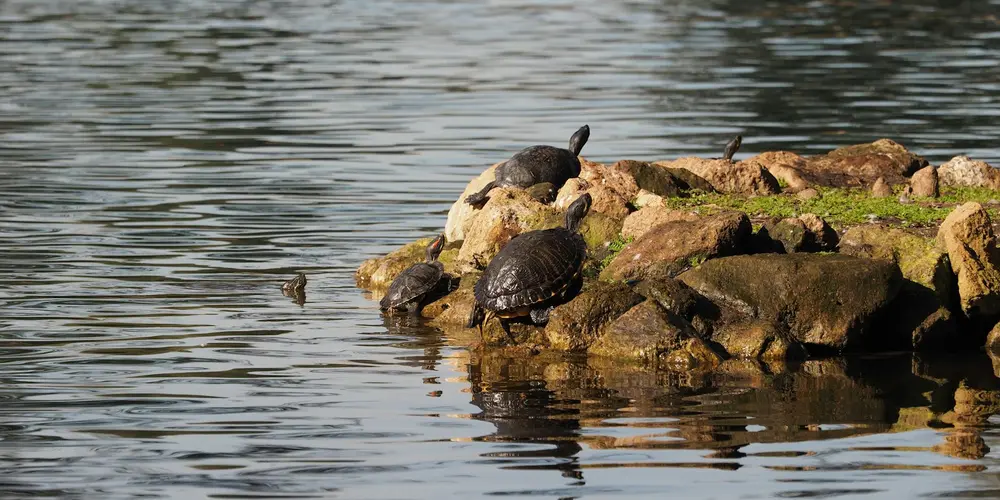
Alarmingly, over half of all turtle species face threats like habitat destruction, pollution, and illegal pet trade, pushing many toward extinction. The IUCN Red List categorizes turtles from “Least Concern” to “Critically Endangered,” with sea turtles and Asian river turtles among the most vulnerable. I’ve seen the impact up close-caring for rescued turtles has taught me how fragile their populations are in the wild.
- Threats: Habitat loss from urbanization, climate change altering nesting sites, and overharvesting for food or pets.
- Conservation efforts: Protected areas, breeding programs, and laws like CITES to regulate trade.
- How you can help: Adopt from reputable breeders or rescues, avoid wild-caught pets, and support habitat preservation groups.
Ethical pet ownership starts with awareness. By choosing captive-bred turtles and providing proper care, you contribute to reducing pressure on wild populations. My Greek Tortoise, Bronte, came from a responsible breeder, and that decision aligns with my commitment to animal welfare-ensuring these gentle creatures thrive for generations. Ethical considerations of keeping a pet turtle should always be a priority.
FAQs
What turtle species are commonly found in Florida?
Florida hosts over 20 turtle species, including the gopher tortoise and Florida softshell turtle. Many are protected and not recommended as pets due to conservation regulations. This highlights Florida’s turtle diversity in numbers. Knowing how many turtle species live here helps guide conservation priorities.
What turtle species are commonly found in India?
India is home to around 28 turtle species, such as the Indian star tortoise and Indian flapshell turtle. Several are endangered and should not be kept as pets to aid wildlife preservation efforts. In the wild, they depend on diverse habitats—from dry forests to freshwater wetlands and ponds. Protecting these turtle habitats in the wild is essential to their survival, not keeping turtles as pets.
How can I find a map of turtle distributions in Florida?
Maps detailing turtle species distributions in Florida are available on state wildlife agency websites and herpetology databases. These tools help visualize native habitats for education and conservation planning.
Where can I download a PDF on turtle species in India?
PDF guides on Indian turtle species can be accessed through conservation group websites and academic research portals. They offer species lists, identification tips, and ecological information for enthusiasts.
Is there a Wikipedia page for turtle species in India with pictures?
Yes, Wikipedia features pages on turtle species in India, complete with images and detailed descriptions. It serves as a reliable resource for learning about their characteristics and conservation needs. These pages also aid in turtle identification and classification, highlighting distinguishing features like shell patterns and limb coloration. Users can compare traits to understand how species are organized within families and genera.
Your Path Forward with Pet Turtles
With hundreds of turtle species, picking the right one means focusing on their specific needs for habitat, diet, and space. In my decade with Austen, I’ve found that tailoring care to a turtle’s natural habits prevents stress and promotes longevity. When choosing a turtle species, key factors to consider include climate compatibility, enclosure size, and diet.
Commit to providing a safe, enriching home that respects their wild origins and supports animal welfare. Stay curious and keep learning about turtle care-even after years with Bronte and Orwell, I regularly update my knowledge to ensure their happiness.
Further Reading & Sources
- Tortoise and Freshwater Turtle Specialist Group
- Turtle – Wikipedia
- Sea Turtle Species – SEE Turtles
- How Many Species Of Turtles Are There?
Matthew is a dedicated turtle enthusiast and conservationist with over 15 years of experience in reptile care. Known affectionately as "The Leatherback" among his peers, he combines his passion for turtles with a commitment to educating pet owners on responsible turtle care and environmental stewardship.
Unusual Turtle Species