
Ethical Pet Turtle Re-Homing and Surrender Guide
Published on: February 26, 2026 | Last Updated: February 26, 2026
Written By: Matthew The
Thinking about finding a new home for your turtle can bring up a lot of guilt and worry. You’re not alone in this feeling, and it’s a sign that you truly care about your shelled companion’s well-being.
From my years with my own tortoises, I know life can change unexpectedly. A move, financial shifts, or simply realizing a turtle’s needs are more than anticipated are all valid reasons to seek a new arrangement. The most responsible step you can take is to plan this transition with care.
This guide will walk you through: assessing your situation, finding a qualified new home, preparing your turtle for transfer, and completing the necessary paperwork.
Assessing When Re-Homing Is the Right Choice for Your Turtle
Recognizing Health and Environmental Red Flags
Sometimes, the most loving decision is the hardest one to make. Your turtle’s health and well-being are the ultimate compass for this journey. I’ve seen turtles like my Russian, Austen, thrive in specific conditions, and any deviation can signal trouble. Understanding what to watch is essential—these are the most critical health issues for turtles. In practice, look for shell problems, breathing trouble, and signs that your enclosure isn’t meeting warmth, humidity, or UVB needs. Watch for persistent health issues that your current resources can’t address, like chronic shell rot or respiratory infections that don’t resolve. If your turtle consistently shows signs of stress—hiding constantly, refusing food, or pacing the enclosure—it’s a clear red flag. An environment that’s too small, lacks proper temperature gradients, or can’t support necessary UVB lighting is another major concern. I once struggled to maintain the right humidity for my Greek tortoise, Bronte, and recognized that her environment was falling short of her needs.
- Persistent or worsening health issues despite treatment.
- Consistent signs of stress: hiding, lack of appetite, or abnormal pacing.
- An enclosure that cannot meet the species-specific requirements for space, heat, or light.
- Inability to afford ongoing veterinary care or specialized diets.
Life Changes That Impact Turtle Care
Life has a way of reshaping our circumstances in an instant. A sudden move, a new job, or a shift in family dynamics can fundamentally alter your ability to provide care. When I relocated years ago, the logistics of moving three turtles safely were immense and made me seriously consider what was best for them. A new work schedule that leaves you with little time for tank maintenance and interaction is a common hurdle. Allergies developing in the household or the arrival of a new baby can also create an environment where the turtle’s needs are no longer a priority. Financial strain is another honest reason; the costs for proper lighting, filtration, and vet bills add up quickly.
- Relocation to a new home or city that cannot accommodate your turtle’s setup.
- Drastic changes in your work schedule or family commitments.
- Emerging health issues within the family, like new allergies.
- Unexpected financial hardship that makes consistent care unaffordable.
Exploring Alternatives to Turtle Surrender

Improving Your Turtle’s Current Setup
Before you decide on surrender, look at what you can change right where you are. Small, intentional upgrades to your turtle’s habitat can sometimes resolve the issues making you consider re-homing. My box turtle, Orwell, became much more active and content after I upgraded his substrate to better hold humidity. Start by auditing your equipment-is your UVB bulb old and ineffective? Is your filter powerful enough for the tank size? Sometimes, simply rearranging the enclosure to provide more hiding spots and visual barriers can reduce stress significantly. A proper, varied diet can also work wonders for their health and vitality.
- Audit and upgrade lighting and heating equipment.
- Enhance the habitat with more hides, plants, and enrichment items.
- Research and implement a more species-appropriate diet.
- Establish a consistent cleaning and maintenance schedule.
Finding Temporary Care Through Foster Networks
If your situation is temporary, a foster home could be the perfect bridge. Foster networks provide a safe haven for your turtle while you navigate a life transition. This is an excellent option if you’re dealing with a short-term medical issue, a temporary housing problem, or need time to get your finances in order. Look for local reptile rescue groups or herpetological societies; they often have experienced volunteers who understand the specific needs of turtles. I’ve connected with fosters through online reptile communities, and the peace of mind knowing my turtle is with someone knowledgeable is immense. Always provide the foster with detailed care sheets, your vet’s contact information, and your turtle’s favorite foods to ease the transition.
- Reach out to local reptile rescues and herpetological societies.
- Utilize online pet turtle forums and community groups to find experienced fosters.
- Prepare a comprehensive care package and instructions for the foster family.
- Establish a clear timeline and communication plan for the foster period.
Preparing Your Turtle for Ethical Re-Homing
Conducting a Thorough Health Check and Quarantine
Start by observing your turtle’s daily habits and physical condition to catch any hidden issues early. I always set aside quiet time to watch Austen, my Russian tortoise, for signs like steady movement and clear eyes, which signal good health. This is also how I tell if my turtle is sick—by spotting changes in energy, appetite, or shell and eye condition. Look for a firm shell without cracks, bright eyes free of discharge, and consistent eating patterns. If you notice lethargy or weight loss, consult a reptile vet promptly.
Isolate your turtle in a separate, clean enclosure for at least two weeks before re-homing to prevent disease spread. Quarantine isn’t just a precaution-it’s a kindness that protects other turtles, as I learned when Bronte, my Greek tortoise, needed time to adjust without stress. If you’re bringing in a new or sick turtle, quarantine it properly in a separate enclosure to prevent disease spread until you’re sure it’s healthy. This extra step helps protect your existing turtles and gives you time to observe for any signs of illness. Keep the space warm and humid, mimicking their natural habitat, and monitor for changes in behavior or appetite.
- Check the shell for soft spots or discoloration, which can indicate nutritional deficiencies.
- Observe breathing and limb movement to rule out respiratory or mobility problems.
- Ensure they’re eating a balanced diet, like leafy greens and occasional fruits, to maintain strength.
Schedule a vet visit for a professional assessment, including fecal tests for parasites. This step gives you peace of mind and shows respect for your turtle’s well-being, something I prioritize with all my pets. During the routine checkup, expect a gentle physical exam of the shell, skin, eyes, and mouth, plus questions about appetite and habitat. The vet may also request a fecal sample to screen for parasites and discuss preventive care tailored to your turtle. Share the results with the new caretaker to build trust and ensure a smooth transition.
Gathering Essential Paperwork and Records
Compile a detailed folder of your turtle’s history to make re-homing seamless and informed. I keep records for Orwell, my box turtle, that include vet visits, diet logs, and even notes on his favorite hiding spots-this personal touch helps new owners feel connected. Start with basic documents like adoption papers or purchase receipts, which prove ownership and lineage.
Include veterinary records that outline vaccinations, treatments, and any past illnesses. Complete medical histories reduce risks for the next caretaker and demonstrate your commitment to ethical pet care. Ethical considerations when keeping a turtle also emphasize ongoing welfare and accountability. Don’t forget to add a diet schedule and habitat setup details, as consistency is key to a turtle’s comfort.
- Vet reports with dates and diagnoses for transparency.
- Feeding logs showing portion sizes and food types to avoid digestive issues.
- Photos or videos of the turtle in their enclosure to illustrate ideal living conditions.
Organize everything in a digital or physical format for easy sharing. By providing clear records, you’re not just handing over a pet-you’re passing on a story of care, much like I did when re-homing Austen to a trusted friend. This preparation honors the bond you’ve built and supports the turtle’s future happiness.
Identifying Responsible Places for Turtle Surrender
Working with Reptile Rescue Organizations
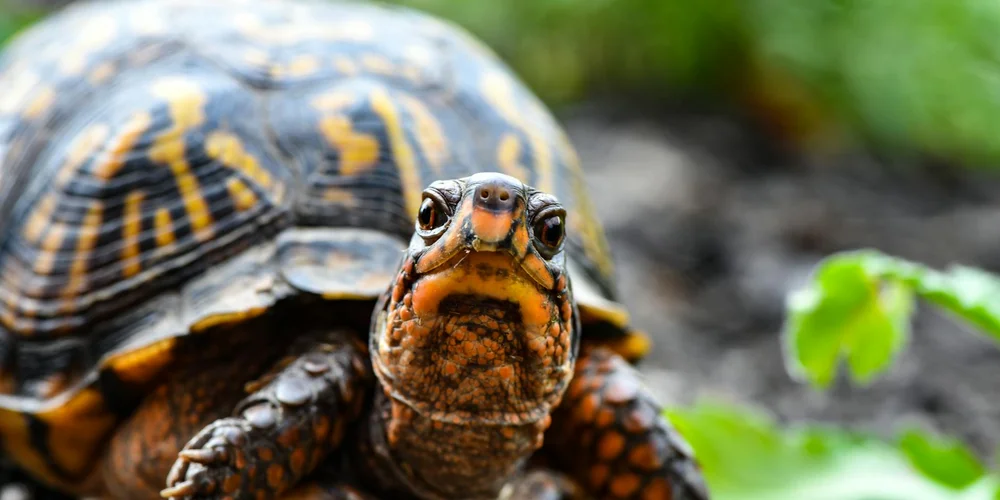
Reach out to reputable reptile rescues that specialize in turtles, as they offer expertise and compassion. I’ve worked with local groups to place Bronte, and their dedicated staff ensured she went to a home that matched her graceful personality. Search online for organizations with positive reviews and transparent adoption processes, and contact them early to discuss your turtle’s needs.
Provide the rescue with all the health and history records you’ve gathered to streamline intake. Rescues appreciate detailed information because it helps them match turtles like Orwell, who thrives in quiet environments, with suitable adopters. Be prepared for an interview or home check-this shows their commitment to finding the best fit.
- Ask about their euthanasia policies to ensure they prioritize rehabilitation over quick solutions.
- Inquire about long-term care plans and follow-up support for adopters.
- Volunteer to cover some costs, like vet fees, to lighten their load and advocate for animal welfare.
Build a relationship with the rescue team by sharing your turtle’s quirks and preferences. Collaborating closely turns a difficult decision into a hopeful new beginning, something I’ve seen firsthand with successful surrenders. Trust their experience to guide you through this emotional process.
Understanding Local Laws and Permit Requirements
Research your area’s wildlife regulations to avoid legal pitfalls and protect native ecosystems. In my state, I had to verify permits before re-homing Austen, as some turtle species are restricted to prevent invasive spread. Contact local fish and wildlife agencies or check their websites for specific rules on turtle ownership and surrender.
Determine if your turtle species requires special permits or if surrendering to certain facilities is mandatory. Complying with laws isn’t just about avoiding fines-it’s a responsible act that safeguards turtle populations, much like I ensure with Bronte’s care. For example, box turtles like Orwell might have different requirements than non-native species.
- Check for bans on releasing pets into the wild, which can harm local habitats.
- Verify if rescues or shelters need licenses to accept surrendered turtles.
- Keep copies of any permits or documentation for your records and the new caretaker.
Consult experts like veterinarians or rescue staff for guidance on navigating legal complexities. Staying informed empowers you to make ethical choices that respect both your turtle and the environment. This diligence ensures a smooth, lawful transition that honors your pet’s well-being. Also, be mindful of signs your turtle may need to see a veterinarian, such as persistent lethargy, appetite changes, or shell abnormalities. Early veterinary input can prevent complications and safeguard your pet’s health.
Navigating the Surrender Process with Care
Communicating Honestly with Rescue Staff
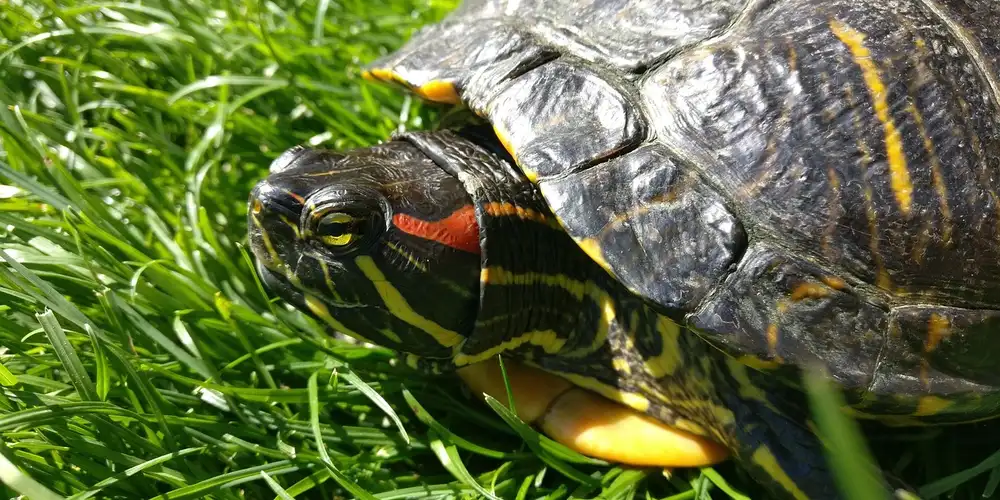
When you contact a rescue or shelter, complete transparency is your greatest gift to your turtle. Staff need to know everything about your turtle’s history to provide the best possible care and find the right new home. If you’re bringing home a rescue turtle, the first month is a critical rehab period. A brief first-month rehabilitation guide can help you set up the enclosure, establish feeding, and monitor progress. I remember feeling a bit embarrassed when I had to temporarily re-home my Russian tortoise, Austen, but being upfront about his occasional stubbornness with certain foods helped the rescue prepare.
Prepare a simple information sheet with these key details:
- Your turtle’s species, age, and sex (if known)
- Their complete dietary routine and favorite foods
- A detailed health history, including any past illnesses or vet visits
- Their typical behavior and personality traits
- The specific setup of their current enclosure
Ensuring a Safe Transport and Handover
The journey to the rescue facility is a stressful event for a turtle. Your primary goal is to make this transition as calm and secure as possible. A simple, escape-proof plastic container with air holes works perfectly for transport. If you’re taking your turtle to the veterinarian, this setup helps ensure safe, calm transport. Keep the container steady and out of direct heat during the trip.
Line the container with a damp, clean towel or paper towels to provide a stable, humid environment. Avoid using bedding like wood chips that can shift and jostle during the trip. Place the container in a quiet, climate-controlled area of your car, never in the trunk.
Drive smoothly and avoid loud music. Hand over your turtle and all its belongings, including its habitat equipment, to give it a familiar start in its new temporary home. This small act of care makes a world of difference.
Supporting Long-Term Welfare After Re-Homing

Checking Adopter Qualifications and Setup
If you are working directly with a rescue, you can often ask about their screening process for potential adopters. A responsible organization will thoroughly vet new homes to ensure they are a lifelong fit. A good adopter understands that a turtle is a decades-long commitment, not a temporary novelty.
An ideal forever home will have a proper setup ready, which includes:
- An appropriately sized enclosure with secure walls
- Correct heating and UVB lighting specific to the turtle’s species
- A balanced diet plan that goes beyond basic pellets
- A dedicated area for soaking and clean, fresh water daily
Don’t be afraid to ask the rescue how they evaluate these factors. Knowing your turtle is going to an educated home provides immense peace of mind.
Coping with the Emotional Aspects of Relinquishment
Making the decision to re-home a pet is profoundly difficult, and it’s okay to grieve. Your feelings of loss and sadness are a testament to the bond you shared with your turtle. I felt a heavy heart for weeks after my friend’s box turtle, Orwell, went to a new home, even though it was the right choice.
Be kind to yourself during this process. You made a responsible decision based on what was best for your animal’s welfare. Focus on the positive outcome-your turtle will now receive the dedicated care it needs to thrive.
Consider writing a brief letter to your turtle’s new caretakers, sharing its favorite quirks and routines. This act can be a therapeutic way to achieve closure, knowing you’ve passed on valuable knowledge for its future happiness.
FAQs
Can I surrender my turtle to a general animal shelter instead of a reptile-specific rescue?
General shelters often lack the specialized knowledge and resources for proper turtle care. Prioritize reptile rescues to ensure your turtle’s species-specific needs are met responsibly.
What should I do if I suspect my turtle is ill but I can’t afford a vet visit before surrendering?
Reach out to a reptile rescue as soon as possible, as they may offer veterinary support or guidance. Disclose any health concerns upfront to help them provide immediate and appropriate care. If the situation is urgent, search for an emergency reptile veterinarian near you. Having a nearby emergency vet can help ensure rapid, specialized care.
How can I verify that a potential adopter is qualified to care for my turtle?
Request details about their habitat setup, including heating, lighting, and space requirements. Ask about their experience with turtles and consider checking for references or a vet relationship to confirm their commitment. Frame questions around diagnosing your turtle’s habitat with a turtle habitat checklist for perfect lighting, heat, and water. This helps verify that the setup meets the turtle’s environmental needs.
Guiding Your Turtle to a New, Loving Home
Always prioritize your turtle’s well-being by thoroughly vetting potential adopters or reputable rescues before making any decisions. Taking these careful steps ensures a smooth and stress-free transition for your shelled companion, much like how I ensured Austen and Bronte found stable environments when needed.
Remember, responsible pet ownership means committing to lifelong learning about proper turtle care, from habitat needs to diet. Keep exploring resources and connecting with experts to provide the best life possible for any pet you welcome into your home.
Further Reading & Sources
- Concerned with ethics behind keeping turtle : r/turtles
- NH Turtle Rescue
- If You Need to Rehome a Turtle or If You Want to Adopt a Turtle – Turtle Towns
- Pet Turtles and Rehoming – Turtles Kingston
Matthew is a dedicated turtle enthusiast and conservationist with over 15 years of experience in reptile care. Known affectionately as "The Leatherback" among his peers, he combines his passion for turtles with a commitment to educating pet owners on responsible turtle care and environmental stewardship.
Safe Handling Techniques