
What Plants and Flowers Are Safe for Turtles to Eat?
Published on: January 13, 2026 | Last Updated: January 13, 2026
Written By: Matthew The
Feeding your turtle the wrong plants can lead to health problems, but with the right knowledge, you can provide a nutritious and safe diet that supports their long-term wellness.
This article covers safe edible plants, toxic flowers to avoid, feeding guidelines, and tips for variety based on my experience with turtles like Austen, Bronte, and Orwell.
Understanding Your Turtle’s Natural Diet
Think of your turtle’s diet like a puzzle, and the pieces you find in nature are the perfect fit. In the wild, they aren’t picking up pre-packaged salads. They are opportunistic foragers, grazing on a wide variety of leafy plants, flowers, and even the occasional fallen fruit they stumble upon. This variety is key to their health.
My Russian tortoise, Austen, has taught me so much about this. He instinctively knows what to nibble on during his supervised garden time. Observing your own turtle’s natural curiosity is the first step to understanding their nutritional needs. Most pet turtles fall into one of two categories, and knowing which yours leans toward is crucial.
The Herbivore-Omnivore Spectrum
Not all turtles eat the same way. Their needs change with age and species.
- Primarily Herbivorous: Many tortoises and some aquatic turtles, like adult Red-Eared Sliders, thrive on a diet that is 80-90% plant-based. Their long digestive systems are built for breaking down fibrous greens.
- Omnivorous: Younger turtles and certain species, like my box turtle Orwell, need a more mixed diet. This might be 50% plants and 50% protein from insects or worms.
The common thread for all? The plant portion of their diet should be rich, varied, and safe. A monotonous diet, even of safe plants, can lead to nutritional gaps over time. I rotate the greens I offer my crew weekly to keep things interesting and balanced.
Turtle-Safe Leafy Greens and Edible Plants

This is where we get our hands dirty, so to speak. The grocery store produce aisle and your own pesticide-free garden become your turtle’s pantry. Focus on dark, leafy greens as your nutritional powerhouses. The deeper the color, the more vitamins and minerals they typically pack.
I always wash store-bought greens thoroughly to remove any potential pesticides. For my tortoises, I aim for a confetti-like mix of these staples.
Excellent Daily Staples
These greens are low in oxalates and goitrogens, which can interfere with calcium absorption and thyroid function in large amounts. You can feel good about offering these regularly.
- Escarole & Endive: A bitter favorite that provides great texture and hydration.
- Collard Greens: A calcium-rich champion in my kitchen. Bronte adores the large, sturdy leaves.
- Dandelion Greens: Not just a weed! The entire plant-leaf, flower, and stem-is a complete, nutritious food. I forage these from my chemical-free yard.
- Turnip Greens & Mustard Greens: These add a peppery kick and are packed with vitamins A and K.
Great Occasional Mix-Ins
Variety is the spice of life. These plants are safe but should be rotated with the staples to ensure a balanced diet.
- Romaine Lettuce: It’s mostly water, but it’s a good hydrating treat. I use it as a “base” and pile more nutrient-dense greens on top.
- Red Leaf & Green Leaf Lettuce: Slightly better nutritionally than romaine, these are perfectly fine in a mix.
- Carrot Tops: Don’t throw them away! These frilly greens are a fun, safe snack.
- Hibiscus Leaves and Flowers: A brilliant, colorful treat that all my turtles go wild for. The flowers are especially enticing.
Plants to Strictly Avoid
Just as important as knowing what to feed is knowing what not to feed. Some common plants are highly toxic.
| Plant Name | Reason for Avoidance |
|---|---|
| Rhubarb Leaves | Extremely high in oxalic acid, which is poisonous. |
| Iceberg Lettuce | It’s essentially crunchy water with almost no nutritional value and can cause diarrhea. |
| Spinach | Very high in oxalates that bind to calcium, preventing its absorption. |
| Allium Species (Onion, Garlic, Chives) | Can cause digestive upset and damage red blood cells. |
When in doubt, leave it out. It is never worth the risk to your turtle’s health. I keep a list of safe and toxic plants on my phone for quick reference when I’m at the store or in the garden.
Safe Flowers and Herbs for Turtle Treats
Offering your turtle a colorful, fragrant treat is one of the simple joys of pet ownership. Many common garden flowers and herbs are not only safe but provide excellent nutritional variety to their diet. My Russian tortoise, Austen, gets particularly excited when he sees a hibiscus flower coming his way.
Growing Your Own Turtle-Safe Garden
Cultivating a small patch of plants specifically for your shelled friend is incredibly rewarding. This ensures you have a fresh, pesticide-free supply of food right at your fingertips. I started with a few pots on my patio, and it has grown into a dedicated garden bed that all my reptiles enjoy.
Here are some excellent and easy-to-grow options to get you started:
- Hibiscus: Both the flowers and leaves are a fantastic source of vitamin C and are adored by most tortoises and turtles.
- Roses: The petals are safe and palatable. Just be absolutely certain they have never been treated with chemicals.
- Dandelions: A powerhouse of nutrition! The entire plant-flower, leaf, and stem-is edible and readily available.
- Nasturtiums: These vibrant flowers have a peppery taste and are entirely edible, from flower to leaf.
- Basil & Mint: These aromatic herbs are generally safe in moderation and can be grown easily in a sunny windowsill.
Always wash any store-bought or foraged plants thoroughly. Growing your own is the safest bet to avoid accidental pesticide exposure.
Aquatic Plants for Water-Dwelling Turtles
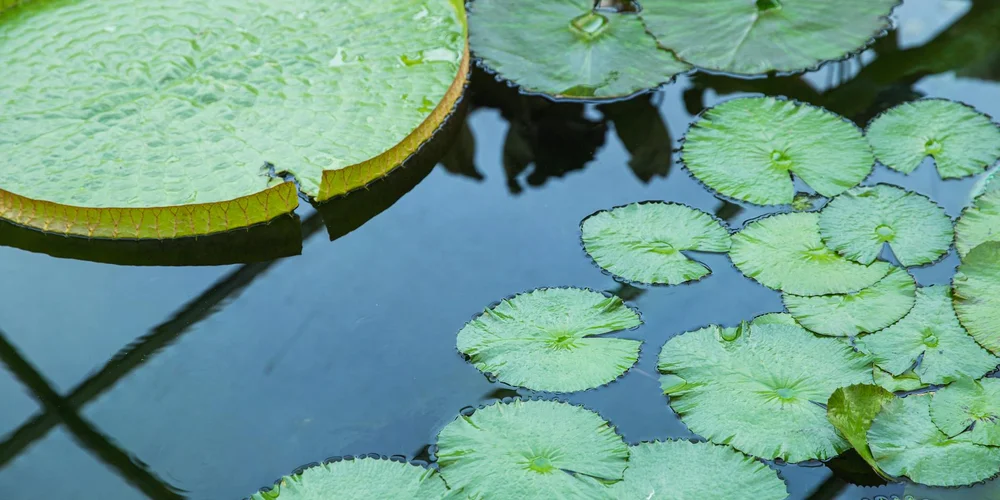
For our aquatic friends, their environment is their buffet. Adding live plants to your turtle’s tank provides enrichment, improves water quality, and offers a fresh food source. Live plants mimic a turtle’s natural habitat, giving them places to explore, hide, and nibble. My box turtle, Orwell, enjoys resting under the broad leaves of anacharis. [It’s one of the benefits of live plants in turtle habitats](https://shellsanctuary.com/what-are-the-benefits-of-live-plants-in-turtle-habitats).
Not all aquatic plants are created equal. Some are purely decorative, while others are tasty snacks.
These are some reliable, safe choices that many turtle-keepers have success with:
- Anacharis (Elodea): A fast-growing plant that turtles love to munch on. It helps oxygenate the water.
- Duckweed: A floating plant that multiplies quickly. It’s a great supplemental food source, but it can take over a tank.
- Water Lettuce: Another floater with long roots that turtles enjoy swimming through and occasionally tasting.
- Java Fern: A very hardy plant that most turtles find unpalatable, making it perfect for long-term landscaping.
- Hornwort: This plant is excellent for water filtration and provides great cover for shy turtles.
Remember, a hungry turtle might eat even the “turtle-proof” plants. Observe your turtle’s behavior to see which plants they prefer to eat and which they use for habitat. For a balanced diet, refer to a complete safe list of vegetables turtles may eat. This helps you choose safe, turtle-friendly greens beyond the plants in your tank. Always source your aquatic plants from reputable suppliers to prevent introducing pests or diseases into your tank.
Plants That Are Toxic to Turtles
Some common garden plants pose serious health risks to turtles. Always double-check any new plant before offering it to your shelled friend. I learned this the hard way when Bronte nibbled on a fallen oleander leaf-thankfully I spotted it immediately.
Common Toxic Plants to Avoid
Keep these far from your turtle’s enclosure and grazing areas:
- Azaleas and Rhododendrons: Contain grayanotoxins affecting muscles and heart
- Daffodils: Bulbs are particularly dangerous, causing vomiting and tremors
- Foxglove: Contains digitalis, which can lead to cardiac arrest
- Lily of the Valley: All parts are toxic, especially to the heart
- Oleander: Extremely poisonous-even small amounts can be fatal
Recognizing Poisoning Symptoms
Watch for these warning signs after plant ingestion:
- Lethargy or unusual stillness
- Loss of appetite
- Drooling or foam around the mouth
- Swollen eyes or difficulty breathing
- Irregular movements or seizures
If you suspect your turtle has eaten something toxic, contact your reptile veterinarian immediately. Time is critical with plant poisoning cases. Watch for signs that your turtle may need veterinary care, such as lethargy, appetite loss, or abnormal breathing, and seek help promptly if they occur.
Tailoring Plant Diets to Different Turtle Species

Not all turtles eat the same plants. Your turtle’s species determines their ideal plant-to-protein ratio. After years with my three turtles, I’ve seen how their preferences and needs differ dramatically.
Herbivorous Species Preferences
Species like Russian and Greek tortoises thrive on plant-heavy diets:
- Dark leafy greens: Dandelion greens, endive, escarole
- Edible flowers: Hibiscus, rose petals, nasturtiums
- Succulents: Prickly pear cactus pads (spines removed)
- Weeds: Plantain, clover, chickweed
My Russian tortoise Austen particularly enjoys broadleaf plantain and hibiscus flowers. He’ll actively seek them out over other options.
Omnivorous Species Balance
Box turtles and similar species need mixed diets:
- 50% plant matter: Mushrooms, soft fruits, tender leaves
- 50% protein: Earthworms, slugs, insects
- Favorite plants: Strawberries, mulberries, squash
My box turtle Orwell shows clear preference for mushrooms over leafy greens. I’ve learned to offer protein sources separately from plant matter to ensure he eats both.
Aquatic Turtle Considerations
Water turtles enjoy different aquatic plants:
- Floating plants: Duckweed, water lettuce, azolla
- Submerged plants: Anacharis, hornwort, java fern
- Marginal plants: Cattails, water hyacinth (roots only)
Always research your specific turtle’s natural habitat and feeding behaviors. What works for a red-eared slider might not suit a painted turtle. Use that knowledge to diagnose your turtle’s habitat with a simple checklist. It should cover perfect lighting, heat, and water requirements.
Age-Based Dietary Adjustments
Young turtles need different nutrition than adults:
- Hatchlings: Higher protein for growth, tender young leaves
- Juveniles: Balanced mix with emphasis on calcium-rich plants
- Adults: Higher fiber, tougher leafy greens for wear on beak
- Seniors: Softer foods, easily digestible plants
My Greek tortoise Bronte, now twelve, prefers softer leaves than she did in her youth. I often chop her greens finer than I do for younger turtles.
Proper Preparation and Feeding Schedule
Before any leafy green touches your turtle’s beak, it needs a good bath. I always wash Austen’s dandelion greens under cool running water, gently rubbing the leaves to remove dirt and potential pesticide residues. A thorough rinse is your first and most important step in preventing illness.
After washing, pat the greens dry with a clean towel or use a salad spinner. I find my tortoises, especially the meticulous Bronte, are more likely to eat crisp, dry leaves than soggy, wet ones. Chop larger leaves into manageable, bite-sized pieces. For my Russian tortoise, Austen, that means pieces no bigger than his head.
Establishing a consistent rhythm is better than a rigid clock. I offer food first thing in the morning, which mimics their natural foraging behavior. Younger, growing turtles typically need daily feeding, while adults like my 12-year-old Greek tortoise, Bronte, do well with a meal every other day. Observing your turtle’s behavior and body condition is the truest guide to a perfect schedule.
My Simple Feeding Routine
- Morning: Offer a pile of fresh, prepared greens roughly the size of the turtle’s shell.
- Midday: Check the food dish. Remove any uneaten portions to prevent spoilage.
- Evening: A clean slate. I always clear the enclosure of old food before lights out.
Balancing Fresh Greens with Commercial Foods
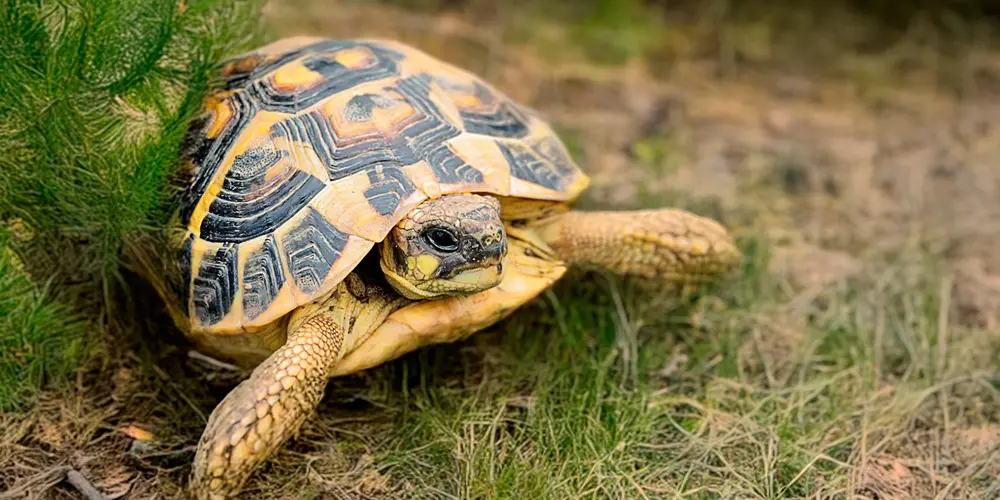
Think of commercial turtle pellets as a daily multivitamin, not the main course. I use them to supplement Orwell’s diet, not define it. A diet of only pellets can lead to pyramiding-a bumpy, unhealthy shell growth I’ve worked hard to avoid with my box turtle.
My golden rule is the 80/20 split. About 80% of their diet should be those fresh, safe greens and flowers we’ve discussed. The remaining 20% can be a high-quality, low-protein commercial pellet. This balance provides the roughage they need for digestion and the fortified nutrients for overall health.
Always pre-soak pellets in a little warm water for a few minutes before serving. This makes them easier to eat and digest, and helps keep your turtle hydrated. I learned this the hard way after seeing Bronte struggle with a dry pellet.
Creating a Harmonious Diet Plate
- Base Layer: A generous handful of dark, leafy greens like romaine or turnip greens.
- Color & Variety: A sprinkle of edible flowers like hibiscus or a few dandelion petals.
- The Supplement: A small teaspoon of pre-soaked commercial pellets mixed in or served on the side.
- Monthly Treat: For my box turtle Orwell, a single strawberry or blueberry adds excitement.
I keep a shallow dish of fresh water available at all times, separate from the feeding area. Turtles often like to defecate in their water, so keeping it away from food promotes cleaner eating habits. Be mindful of common turtle feeding mistakes—avoid overfeeding or relying on a single food type. Keep portions small and offer a varied diet to support healthy digestion. A simple, consistent routine is the kindest thing you can offer your shelled friend.
FAQs
Can turtles eat fruits and which ones are safe?
Yes, many turtles can eat fruits in moderation, but it depends on their species and age. Safe options include strawberries, blueberries, and melons, but always remove seeds and offer them as occasional treats to avoid digestive issues. These guidelines are part of a complete guide on turtles eating berries, including strawberries. The guide covers safe preparation tips and recommended serving amounts.
How often should turtles be fed greens?
Adult turtles typically need greens every other day, while juveniles may require daily feeding for proper growth. Adjust the schedule based on your turtle’s species, activity level, and overall health to prevent overfeeding.
Do different turtle species have different edible plant lists?
Yes, herbivorous species like Russian tortoises thrive on leafy greens and flowers, while omnivorous turtles need a mix of plants and protein. Are turtles herbivores, carnivores, or omnivores? The answer depends on the species, with many falling on a spectrum between plant-based and animal-based foods. Always research your specific turtle’s natural diet to provide appropriate and safe options.
How to prepare and serve edible plants for turtles?
Thoroughly wash all plants to remove pesticides and dirt, then chop them into bite-sized pieces for easy eating. Serve the greens fresh and remove any uneaten portions within a few hours to keep the enclosure clean and prevent spoilage.
Are commercial turtle foods better than fresh greens alone?
No, commercial foods should supplement rather than replace fresh greens, which offer essential fiber and nutrients for digestion and health. A balanced diet with about 80% fresh plants and 20% high-quality pellets is ideal for most turtles. Source fresh greens from reliable, pesticide-free sources or grow them at home. Rinse well and chop into bite-sized pieces, preparing a rotating mix of greens to feed your turtle.
Cultivating a Safe and Nutritious Habitat for Your Turtle
The safest path is to offer only plants you have positively identified as turtle-safe, like dandelion greens and hibiscus flowers, and always wash them thoroughly. A varied diet of these verified plants provides the essential nutrients your shelled friend needs to thrive.
Your commitment to learning about their specific needs is the foundation of exceptional pet turtle care. Keep exploring and asking questions, as this ongoing education is what builds a long, healthy, and happy life for your remarkable companion, especially when learning how to care for land and aquatic turtles.
Further Reading & Sources
- Safe plants for turtles
- Turtle safe plants??? | Dendroboard
- Turtle Safe Aquatic Plant Packs – Wetplants
- What are some fast growing turtle safe plants? | The Planted Tank Forum
Matthew is a dedicated turtle enthusiast and conservationist with over 15 years of experience in reptile care. Known affectionately as "The Leatherback" among his peers, he combines his passion for turtles with a commitment to educating pet owners on responsible turtle care and environmental stewardship.
Common Turtle Foods