
Is a Turtle a Reptile? A Clear and Caring Answer
Published on: May 30, 2026 | Last Updated: May 30, 2026
Written By: Matthew The
If you’ve ever watched a turtle slowly amble by and wondered about its place in the animal world, you’re not alone-many people puzzle over whether these shelled creatures are reptiles and what that means for their care. I’ve spent years with my own tortoises, like the steady Austen and thoughtful Bronte, and this question often comes up in conversations with fellow animal lovers.
In this article, we’ll cover: what defines a reptile, key traits that place turtles in this group, and how this knowledge supports better turtle welfare. Getting this right helps ensure these amazing animals live healthy, happy lives.
Defining the Reptile: What Makes an Animal a Reptile?
Reptiles share a set of core traits that set them apart in the animal kingdom, and knowing these helps you care for pets like my tortoises Austen and Bronte. Reptiles are ectothermic, meaning they rely on external heat sources to regulate their body temperature, which is why you often see them basking in the sun. From my years with Austen, a Russian Tortoise, I’ve watched him seek out warm spots in his enclosure to stay active and healthy.
Their skin is covered in scales or scutes, which reduce water loss and offer protection. When I gently touch Bronte’s golden brown shell, it feels dry and textured, a classic reptile feature that prevents dehydration. This scaly covering isn’t just for show-it’s essential for their survival in varied environments.
- Ectothermy: They depend on surroundings for warmth, so providing a heat lamp is crucial in captivity.
- Scaly skin: This includes shells in turtles, which are modified ribs and skin.
- Laying amniotic eggs: Most reptiles reproduce this way, and my Greek Tortoise Bronte has laid eggs that require specific humidity to hatch.
- Breathing air: Unlike amphibians, they don’t have a larval stage and breathe with lungs from birth.
Understanding these traits isn’t just academic-it guides how I set up habitats to mimic their natural needs, promoting animal welfare by preventing stress. Reptiles like Orwell, my Box Turtle, thrive when their environment matches these biological basics, from temperature gradients to hiding spots. It’s a gentle reminder that respecting their reptile nature leads to happier, healthier pets.
The Turtle’s Place in the Reptile Family Tree
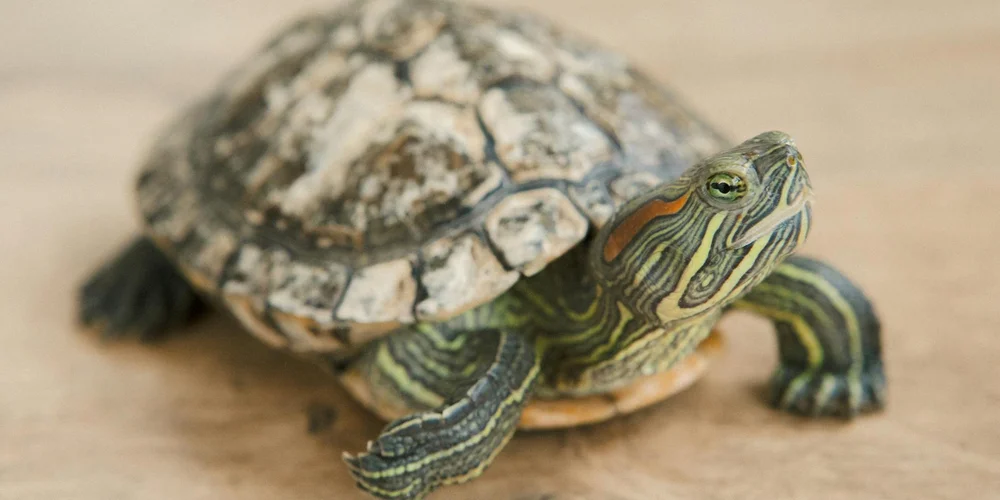
Turtles fit snugly into the reptile class, specifically in the order Testudines, which dates back over 200 million years. They are one of the oldest reptile lineages, with fossils showing little change in their basic body plan, making them living relics of prehistoric times. Caring for Austen, a Russian Tortoise, I’m always amazed by his steady, ancient demeanor-it’s like having a piece of history in my home.
In the reptile family tree, turtles branch off early, distinct from snakes and lizards due to their unique shells. Their shells are fused to the spine and ribs, a trait not found in other reptiles, which is why Orwell’s dark brown shell with yellow patterns feels so integral to his movement and protection. This specialization means turtles have evolved separately, yet they share common reptile traits like ectothermy and scaly skin. Understanding the biology of turtle shells provides insight into their evolutionary path and functionality.
- Order Testudines: Includes all turtles, tortoises, and terrapins, with over 300 species worldwide.
- Evolutionary history: Turtles diverged before the rise of dinosaurs, emphasizing their resilience.
- Comparison to other reptiles: Unlike snakes, turtles have a bony shell; unlike crocodiles, they are generally slower and more herbivorous.
From my experience, this placement influences their care-for instance, Bronte’s graceful, thoughtful nature as a Greek Tortoise reflects her species’ adaptation to dry habitats. Recognizing turtles as reptiles helps you appreciate their needs, like UVB lighting for shell health, which I prioritize to advocate for their well-being. It’s a witty twist of nature that these gentle creatures have outlasted so many others, and by understanding their place, we can ensure they continue to thrive in our care.
Turtle Anatomy: A Living Reptile’s Shell and Scales
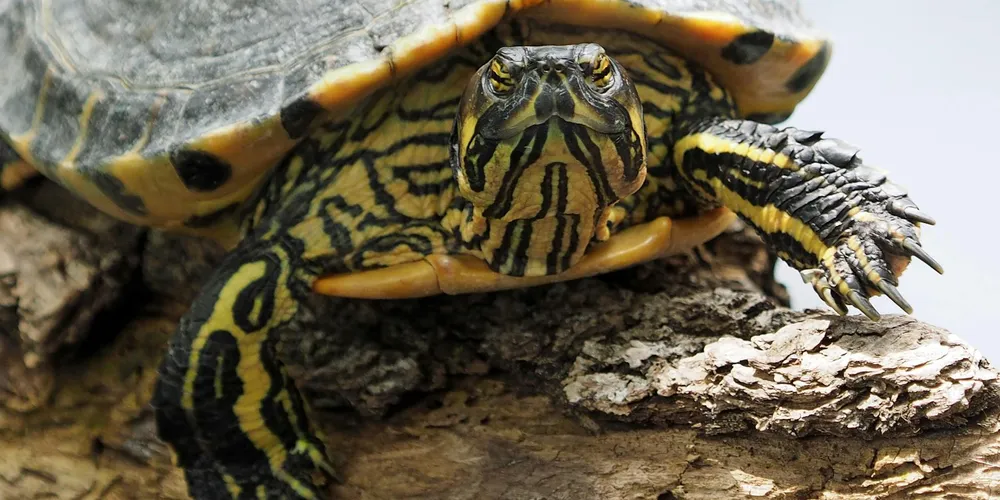
When you look at my Russian tortoise, Austen, his most obvious feature is his shell. This iconic structure is not a separate house he carries, but a living, integrated part of his skeleton. His ribs, spine, and other bones have fused and expanded to form it. The top part, the carapace, is fused to his backbone. The bottom, the plastron, protects his belly.
The shell itself is covered in large scales called scutes. These are made of keratin, the same protein that makes up our fingernails. Watching Austen, I see how his scutes grow in concentric rings, creating a beautiful, natural record of his life. They feel smooth and warm under my hand, a testament to his health and the proper humidity levels I maintain in his habitat.
Beyond the shell, their entire body is covered in smaller, tougher scales. Run your finger along a turtle’s leg or neck. You’ll feel a dry, leathery texture, not the moist, permeable skin of an amphibian. This scaly armor is a masterclass in water conservation and protection, a hallmark of the reptile world. It prevents them from drying out on land.
Like all reptiles, turtles are ectothermic. This means they rely on external heat sources to regulate their body temperature. You’ll often find my Greek tortoise, Bronte, basking serenely under her heat lamp in the morning. She isn’t just lounging; she is actively charging her metabolic engine, gathering the warmth she needs to digest her food and stay active. This behavior is fundamental to their reptile nature. To dial in a healthy setup, I keep a simple habitat-diagnosis checklist handy: perfect lighting, proper heat, and clean water. It helps me spot imbalances quickly.
Turtles vs. Amphibians: Clearing Up the Confusion
It’s an easy mistake to make. Both might be found near water, but their biology tells a completely different story. I see this confusion often with my box turtle, Orwell, who enjoys a shallow soak but is in no way an amphibian. The most critical difference lies in their life cycle and their relationship with water.
| Feature | Turtles (Reptiles) | Amphibians (e.g., Frogs) |
|---|---|---|
| Skin | Dry, scaly, waterproof | Moist, smooth, permeable |
| Eggs | Leathery or hard shells, laid on land | Gelatinous, laid in water |
| Breathing | Lungs only, from birth | Gills in larval stage, lungs/ skin as adults |
| Life Cycle | No metamorphosis; hatchlings are mini-adults | Complete metamorphosis (tadpole to frog) |
Let’s break this down further.
Skin and Scales vs. Moist Permeability
A turtle’s skin is a barrier. My tortoises can walk through dry grass without losing precious moisture. An amphibian’s skin is a respiratory organ, absorbing water and oxygen directly from their environment, which is why they must stay damp. A dry frog is a dead frog. A dry turtle is just a turtle on an adventure.
The Egg-Telling Difference
All of my turtles would lay their eggs by digging a nest in the dirt. Their eggs have a flexible, leathery shell that protects the embryo but allows for gas exchange with the air. Amphibian eggs lack this protective shell and must be laid in water to prevent desiccation. A turtle egg on land is normal. A frog egg on land is a tragedy. This difference is critical when understanding turtle egg laying and nesting behaviors.
Breathing From Day One
A baby turtle hatches and takes its first breath of air. It is a fully terrestrial breather from that moment forward. Even highly aquatic turtles, like sliders, must surface to breathe air into their lungs. They do not have gills. An amphibian begins life with gills, breathing underwater like a fish, before developing lungs.
Understanding this distinction is more than academic. It directly informs how we care for them, from providing the right substrate for egg-laying to ensuring proper basking areas for thermoregulation. Recognizing your shelled friend as the true reptile they are is the first step to giving them a long, healthy life.
What This Means for You as a Turtle Keeper
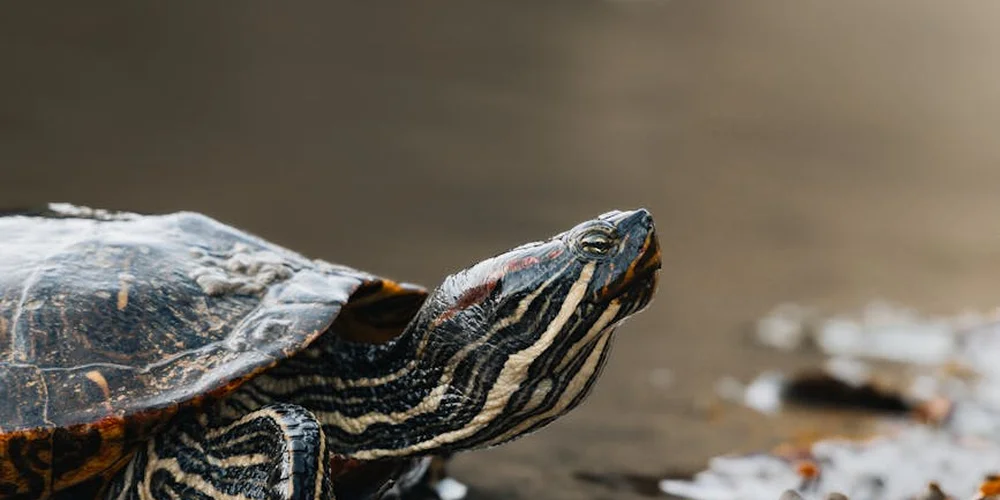
Understanding that turtles are reptiles shapes how you care for them daily. Their ectothermic nature means they rely on you to provide consistent warmth and light, much like how my Russian Tortoise, Austen, basks under his heat lamp to stay active and healthy. This isn’t just about comfort-it’s essential for their digestion and immune function.
You’ll need to mimic their natural habitat closely. From my experience with Bronte, my Greek Tortoise, I’ve seen how proper UVB lighting supports shell strength and prevents metabolic bone disease, a common issue in captive reptiles. Invest in a quality setup to avoid costly vet visits down the line.
Diet is another area where their reptile traits shine. Turtles thrive on varied, species-specific meals; Orwell, my Box Turtle, enjoys leafy greens and occasional insects, which keep his diet balanced and his personality curious. Adequate nutrition supports shell health—calcium, vitamin D3, and hydration help maintain a strong shell. Poor or imbalanced diets can lead to shell problems over time. Avoid overfeeding, as obesity can shorten their lifespan.
- Monitor temperature gradients in their enclosure-warm basking spots and cooler retreats are non-negotiable.
- Provide hiding places and shallow water dishes to reduce stress, promoting natural behaviors like digging and soaking.
- Schedule regular health checks for shell or skin issues, as reptiles often hide illness until it’s advanced.
Advocating for animal welfare starts with respecting their innate needs. By observing your turtle’s habits, you’ll notice subtle cues, like how Austen’s steady pace signals contentment, helping you tailor care to their unique personality. This proactive approach ensures they live full, vibrant lives under your watch.
FAQs
Are turtles reptiles or mammals?
Turtles are reptiles, not mammals, as they lay eggs and have scaly skin instead of giving live birth or having fur. People often ask, “Are turtles mammals or reptiles?” The answer is that turtles are reptiles. Understanding this helps in providing proper care, such as ensuring they have a suitable environment for egg-laying and avoiding mammal-specific diets.
Are turtles cold-blooded?
Yes, turtles are ectothermic (cold-blooded), relying on external heat sources like heat lamps and UVB lighting to maintain their body temperature. This trait means you must include warm spots in their enclosure to support digestion and overall health, just as they would seek in the wild. Additionally, most turtles require UVB lighting to metabolize calcium and maintain shell health. Include a UVB source in their enclosure along with a heat/basking lamp.
What is the difference between turtles and tortoises?
Turtles are often aquatic or semi-aquatic with webbed feet, while tortoises are land-dwelling with sturdy, elephant-like legs and primarily herbivorous diets. Both are reptiles, but their habitat differences affect care, such as providing water areas for turtles and dry setups for tortoises. These distinctions are exactly what people mean when they refer to the difference between turtles and tortoises. In short, turtles are water-adapted, while tortoises are land-adapted.
Your Turtle’s Place in the Reptile Family
Recognizing turtles as reptiles guides you in creating a habitat with proper heat, light, and humidity, much like the environments my tortoises Austen and Bronte thrive in. This knowledge empowers you to meet their specific needs, ensuring a healthy and content life for your shelled companion. But habitat requirements do vary across turtle species; some are aquatic and need adequate water depth and filtration, while others are terrestrial and require dry basking space and well-drained substrate.
Commit to ongoing education about turtle care, as every species has unique requirements that demand attentive, informed ownership. By staying curious and adapting to new insights, you honor their welfare and contribute to a compassionate pet-keeping community. This mindset mirrors veterinarians’ work debunking common turtle care myths. These myths are highlighted in the 10 dangerous turtle care myths debunked resource, helping ensure care stays evidence-based and safe.
Further Reading & Sources
- Turtle – Wikipedia
- Is a turtle a reptile or amphibian? | Mechanicsburg Vets
- Is a Sea Turtle a Reptile or Amphibian? | Ocala Vet
- Turtle | Species, Classification, & Facts | Britannica
Matthew is a dedicated turtle enthusiast and conservationist with over 15 years of experience in reptile care. Known affectionately as "The Leatherback" among his peers, he combines his passion for turtles with a commitment to educating pet owners on responsible turtle care and environmental stewardship.
Turtle Myths and Misconceptions