
Loggerhead Sea Turtle Habitat and Species Guide
You might wonder how a creature so ancient and resilient as the loggerhead sea turtle could face such uncertain times. The challenges they navigate from the moment they hatch are immense, and understanding their world is the first step toward protecting it.
This guide covers their physical traits, nesting behaviors, global habitat range, diet, unique life cycle, and the conservation efforts helping them survive.
Meet the Loggerhead Sea Turtle
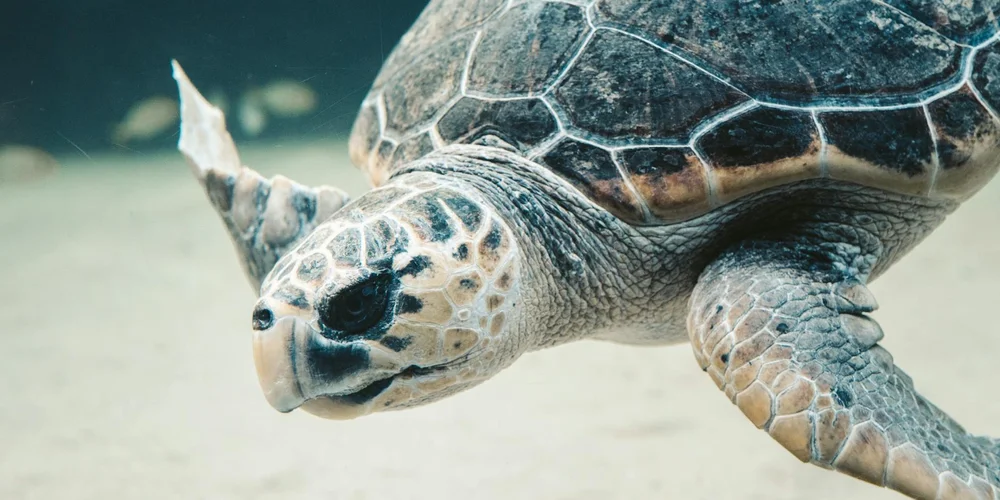
Loggerhead sea turtles are magnificent creatures, instantly recognizable by their large, block-like heads and powerful jaws. Their scientific name, Caretta caretta, hints at their hardy, enduring nature in the vast ocean. While my personal experience is with land-dwelling friends like my Russian Tortoise, Austen, observing loggerheads from a respectful distance has given me a deep appreciation for their marine world.
An adult loggerhead’s carapace, or top shell, is typically a heart-shaped shield of reddish-brown. Unlike the smooth, domed shells of my tortoises, a loggerhead’s shell is covered in bony plates called scutes, giving it a rugged, textured appearance. They are one of the larger sea turtle species, with adults often reaching over three feet in length and weighing up to 350 pounds.
Key Characteristics
- Powerful Jaws: Built to crush hard-shelled prey like conchs and whelks.
- Front Flippers: Long and paddle-like, built for powerful swimming over vast distances.
- Lifespan: Estimated to be over 50 years in the wild.
- Distinct Feature: Typically have five or more costal scutes (the plates along the side of the shell).
A Loggerhead’s Ocean Home: Habitat and Range
Loggerheads are truly global citizens of the sea. They inhabit temperate and tropical waters across the globe, from the Atlantic and Pacific Oceans to the Indian Ocean and Mediterranean Sea. Their life is a continuous journey, migrating thousands of miles between feeding grounds and the beaches where they hatched.
I often watch my tortoises navigate their enclosed habitats, a tiny world compared to the loggerhead’s domain. A loggerhead’s life is defined by this constant movement, guided by the Earth’s magnetic field-an innate GPS system we are still striving to fully understand.
Critical Habitats
- Nesting Beaches: Females return to the same sandy beaches where they were born to lay their own eggs. Major U.S. nesting sites are found in Florida, the Carolinas, and Georgia.
- Coastal Bays and Estuaries: Serve as vital “nursery” habitats for juvenile loggerheads.
- Open Ocean: Younger turtles often spend their early years drifting in floating sargassum seaweed mats.
- Reefs and Rocky Areas: Adults frequent these benthic zones to forage for their favorite hard-shelled meals.
Protecting these diverse habitats is not just a conservation goal; it is a necessity. Every stretch of coastline and patch of ocean they traverse is a link in the chain of their survival. From ensuring dark, quiet beaches for nesting to reducing ocean plastic, our collective actions directly impact their ancient, migratory way of life.
The Loggerhead’s Life: From Hatchling to Adult
Appearance and Size
Loggerhead sea turtles boast a large, block-like head that gives them their name, with powerful jaws built for crushing prey. Their carapace, or shell, is a mix of reddish-brown and yellow, often rough to the touch from years in the ocean. As hatchlings, they measure just 2 inches long, but adults can grow over 3 feet and weigh up to 350 pounds, making them one of the larger sea turtle species. Across a lifespan of several decades, they grow from those tiny beginnings into the big adults you see. Their growth is gradual but relentless, and size becomes a lasting marker of age. You can learn more about this process here. Watching my Russian tortoise Austen, who’s only 6 inches long, reminds me how immense loggerheads become – their size alone makes them unsuitable for home care.
- Hatchlings: Tiny, dark-colored shells for camouflage
- Adults: Broad, heart-shaped carapace with five lateral scutes
- Flippers: Strong and paddle-like, adapted for long-distance swimming
Diet and Foraging Grounds
Loggerheads are omnivores, feeding on hard-shelled prey like crabs, conchs, and jellyfish in coastal bays, estuaries, and shallow waters. Their strong jaws easily crack open shells, a skill I’ve observed in my Greek tortoise Bronte, though she sticks to leafy greens in her enclosure. Foraging grounds span warm temperate to tropical regions, where they follow ocean currents to find food. Predators of their prey—such as birds and larger crustaceans—can influence where loggerheads forage by driving prey to different habitats. This diet requires vast, open spaces—something no home aquarium can provide.
- Common foods: Crustaceans, mollusks, fish, and sea grasses
- Foraging areas: Near coral reefs, seagrass beds, and continental shelves
- Feeding behavior: Diurnal, often diving deep to hunt
Life Cycle and Nesting
From egg to adult, loggerheads face many challenges, with only about 1 in 1,000 hatchlings surviving to maturity. Females return to their natal beaches to nest, digging pits in the sand to lay around 100 eggs per clutch. After about 60 days, hatchlings emerge at night, using moonlight to guide them to the sea. This natural cycle is fragile; my box turtle Orwell lays just a few eggs yearly, but loggerheads depend on specific coastal habitats we must protect.
- Egg stage: Incubated in warm sand for two months
- Hatchling stage: Rush to the ocean, avoiding predators
- Juvenile stage: Drift in ocean currents for years
- Adult stage: Migrate to foraging and nesting sites
Why We Can’t Keep Loggerheads as Pets
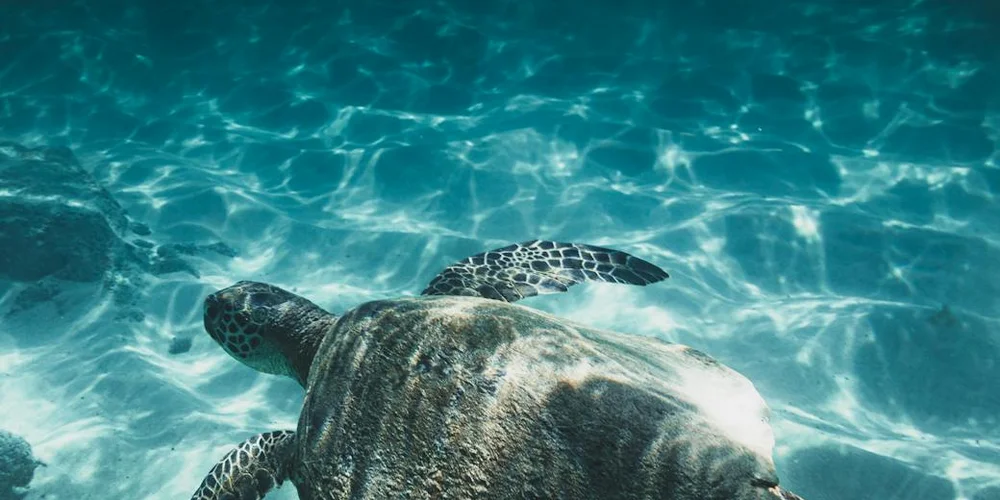
Loggerheads are protected under laws like the Endangered Species Act, making it illegal to keep them as pets due to their vulnerable status. Their massive size and migratory needs demand ocean-sized spaces, far beyond any home setup I’ve used for my tortoises. In my experience, even smaller species like Bronte require specialized diets and habitats, but loggerheads eat live prey and roam hundreds of miles. Keeping them captive harms their health and disrupts conservation efforts.
- Legal reasons: International treaties ban trade and captivity
- Space requirements: Need large, saltwater environments with currents
- Dietary needs: Hard to replicate their natural foraging habits
- Behavioral needs: Migratory instincts cause stress in confinement
Advocating for animal welfare, I’ve seen how proper care for pets like Austen involves research and respect for their wild origins. Loggerheads thrive in the wild, where they play a key role in marine ecosystems by controlling jellyfish populations. Instead of keeping them, support sanctuaries or conservation programs to help these magnificent creatures survive.
Threats to Loggerhead Habitats
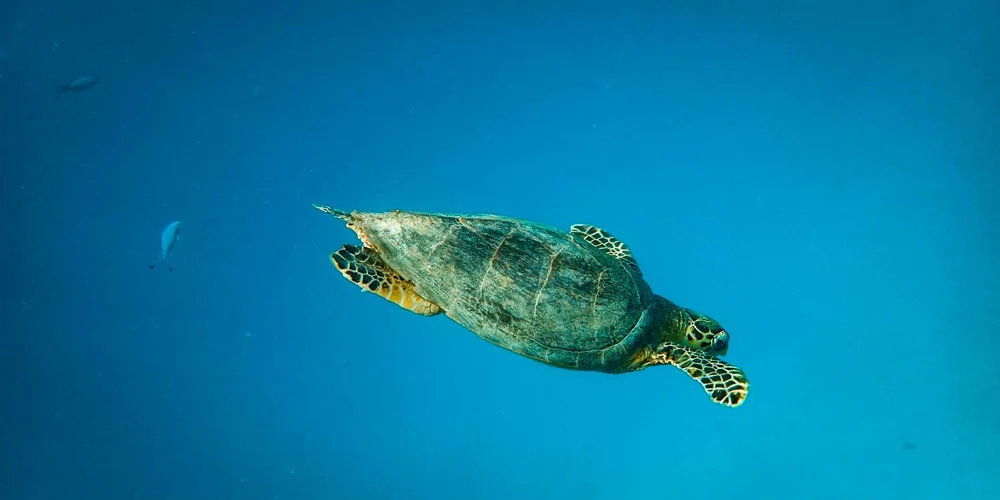
Loggerhead sea turtles face a gauntlet of human-made dangers that threaten their ancient nesting and feeding grounds. Coastal development is one of the most direct assaults, as bright lights from buildings and roads disorient hatchlings, leading them away from the safety of the ocean. Watching my own tortoises navigate by instinct, I can only imagine the confusion a tiny turtle must feel when the moon’s guiding light is drowned out. Diagnosing your turtle’s habitat with a simple checklist—perfect lighting, appropriate heat, and clean water—helps prevent stress in captivity. This practical step links the wild hazards to everyday turtle care, ensuring a safe, supportive environment for those living in human care.
Pollution, both chemical and physical, creates a toxic environment. Plastic bags floating in the water are often mistaken for jellyfish, a primary food source, leading to fatal blockages. From oil spills that poison the water to discarded fishing gear that entangles them, the ocean is fraught with perils they never evolved to handle.
Major Pressures on Nesting Beaches
- Beachfront construction and erosion from seawalls
- Artificial lighting that misguides hatchlings
- Beach driving and recreation that crush nests
- Rising sand temperatures from climate change, which affects hatchling sex ratios
Dangers in the Open Ocean
- Bycatch in commercial fishing operations like longlines and trawls
- Ingestion of marine debris, especially plastics
- Vessel strikes from boats and ships
- Degradation of crucial foraging habitats like coral reefs and seagrass beds
How You Can Help Protect Loggerheads

Your actions, no matter how small, create ripples of positive change for these majestic creatures. One of the most powerful things you can do is reduce your plastic consumption, directly cutting down on the waste that ends up in their home. I’ve made a habit of carrying reusable bags and water bottles, a simple switch that makes a real difference.
If you live near or visit coastal areas, you become a temporary steward of their nesting grounds. Always fill in any holes you dig on the beach and flatten sandcastles before you leave, as these can become treacherous obstacles for both nesting females and emerging hatchlings. It’s a small act of respect for their nursery.
Actions for Beachgoers
- Keep beaches dark. Use red LED flashlights or no lights at all during nesting season.
- Respect marked nesting areas and keep a wide distance from any turtle you spot.
- Dispose of all trash properly and participate in local beach clean-ups.
- Avoid using fireworks on the beach, as the noise and lights can disturb nesting turtles.
Everyday Choices with Big Impact
- Choose sustainably sourced seafood to help reduce bycatch.
- Support organizations dedicated to sea turtle conservation through donations or volunteer work.
- Educate your friends and family about the challenges loggerheads face.
- Be a mindful pet owner; never release a pet turtle into the wild, as it can introduce diseases to native populations.
FAQs
Where can I find a habitat map for loggerhead sea turtles?
Habitat maps for loggerhead sea turtles are often provided by conservation groups like NOAA and show their range across global oceans. These visual aids highlight key nesting and feeding areas to support protection efforts. Studying sea turtle biology—nesting behavior, migrations, and early life stages—helps tailor conservation actions. These maps translate that biology into targeted protection of critical habitats.
What makes loggerhead sea turtle habitats dangerous?
Loggerhead habitats face dangers from human activities like plastic pollution and fishing gear entanglement. Natural predators, such as birds and crabs, also threaten hatchlings on their way to the ocean. These turtle predators—such as birds and crabs—shape hatchling survival on beaches. Understanding their role helps guide conservation actions to protect nesting sites and hatchlings.
Where do loggerhead sea turtles lay their eggs?
Loggerhead sea turtles lay their eggs in nests dug on sandy beaches, typically in warm, temperate regions. They often return to the same coastal areas where they were born to ensure the eggs incubate properly. Understanding the timing of nesting and hatching seasons is essential for conservation. It helps researchers protect nesting beaches during peak activity and support hatchling survival.
How long do loggerhead sea turtles live in their natural habitat?
Loggerhead sea turtles have a lifespan of over 50 years in the wild, depending on environmental conditions. This longevity allows them to complete multiple migratory cycles and nesting events. As they age, the effects of time appear in their survival and reproductive patterns, shaping their life history. Studying aging in sea turtles helps explain their resilience and the conservation challenges they face.
What is the average size of loggerhead sea turtles in their habitat?
Adult loggerhead sea turtles can reach over 3 feet in shell length and weigh up to 350 pounds. Hatchlings begin at just 2 inches, growing rapidly as they move through different ocean habitats. Curious how much other sea turtles weigh? Other sea turtles weigh vary widely in size, from smaller turtles to the massive leatherbacks, which can weigh far more than loggerheads.
A Gentle Reminder for Turtle Guardians
Loggerhead sea turtles remind us that some species belong in the wild, not in our homes. For your pet turtle, focus on creating a habitat that supports their natural behaviors, much like I’ve done for my tortoises Austen and Bronte with proper space and lighting. Are space and habitat requirements for a pet turtle realistic? They vary by species, but all turtles benefit from ample space, appropriate lighting, and clean, well-maintained enclosures.
Always source pets ethically and commit to their lifelong care to prevent harm to wild populations. Before deciding to keep a turtle, weigh the ethical considerations and your ability to meet its needs. If you decide to keep one, ensure you can meet their needs and provide proper housing, diet, and veterinary care. Stay engaged with learning; my experience with Orwell has shown me that every turtle teaches something new about patience and responsibility.
Further Reading & Sources
- Natural History: Loggerhead Sea Turtle
- Loggerhead Turtle | NOAA Fisheries
- Loggerhead Turtle – Northwest Atlantic Ocean DPS Critical Habitat Map | NOAA Fisheries
- Species Profile for Loggerhead sea turtle(Caretta … – ECOS
Matthew is a dedicated turtle enthusiast and conservationist with over 15 years of experience in reptile care. Known affectionately as "The Leatherback" among his peers, he combines his passion for turtles with a commitment to educating pet owners on responsible turtle care and environmental stewardship.
Aquatic Turtles