
My Turtle Keeps Trying to Climb Out: What It Means and How to Stop It
Published on: August 1, 2026 | Last Updated: August 1, 2026
Written By: Matthew The
If you’ve seen your turtle scrambling at the glass or persistently trying to scale the walls of its tank, you’re likely feeling a mix of concern and confusion. You’re not alone in this; my Russian tortoise, Austen, went through a phase just like this, and I learned it’s their way of communicating.
This article will guide you through the common reasons, how to interpret the behavior, and practical steps to create a happier home. We’ll cover: interpreting the behavior, checking habitat setup, ensuring proper health, and implementing enrichment and safety solutions.
Understanding Your Turtle’s Climbing Behavior
Your turtle isn’t trying to escape just to be difficult. This behavior is a form of communication. My Russian tortoise, Austen, will often start pacing the walls of his enclosure when he’s ready for his morning soak. It’s his way of telling me the current situation isn’t meeting his needs.
Here are the most common reasons behind the climbing:
- Enclosure Issues: The tank might be too small, lack hiding spots, or have incorrect substrate. My Greek tortoise, Bronte, became a dedicated climber when her old enclosure felt too exposed.
- Stress or Discomfort: Loud noises, excessive handling, or an incorrect temperature gradient can make your turtle feel unsafe and desperate to leave.
- Natural Instincts: In the wild, turtles roam to find food, mates, and ideal basking spots. This wanderlust is hardwired, even in a comfortable home.
- Breeding Season Hormones: During certain times of the year, hormonal surges can increase activity levels and exploratory behavior significantly.
Potential Dangers of Constant Escape Attempts
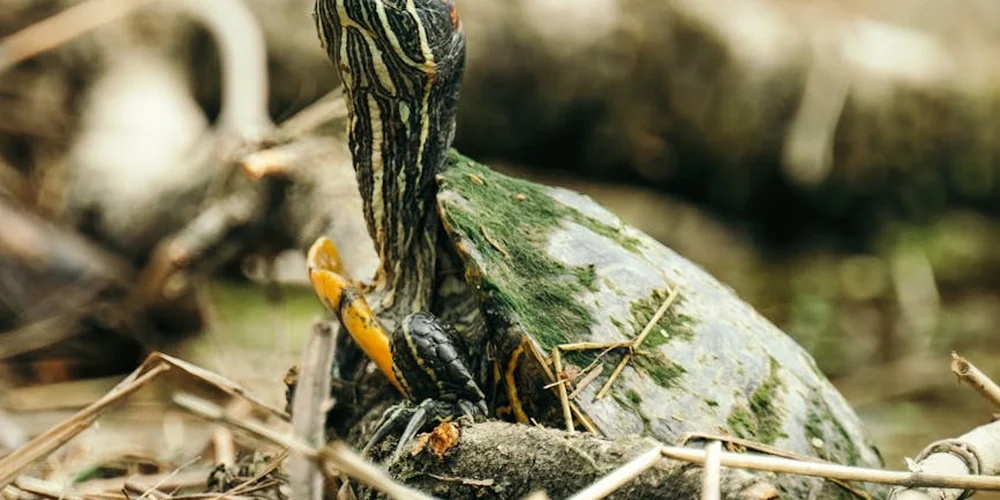
While it might seem like harmless exploration, this behavior poses real risks to your turtle’s health. A fall from even a modest height can cause a serious, often fatal, shell fracture or internal injury. I once found my box turtle, Orwell, flipped on his back after a climbing attempt; the panic in his eyes was a stark reminder of the danger.
The physical consequences are severe:
- Flipping and Suffocation: Tumbles often leave turtles stranded on their backs. They can struggle for hours, leading to exhaustion, respiratory distress, and suffocation as their organs press against their lungs.
- Shell and Limb Damage: Constant scraping against tank walls or decor can wear down the shell’s protective layers (scutes) and lead to painful scratches or infections on their legs and plastron (belly shell).
- Chronic Stress: The relentless effort to escape is mentally and physically draining. This chronic stress weakens their immune system, making them far more susceptible to illness.
Creating an Escape-Proof Turtle Habitat
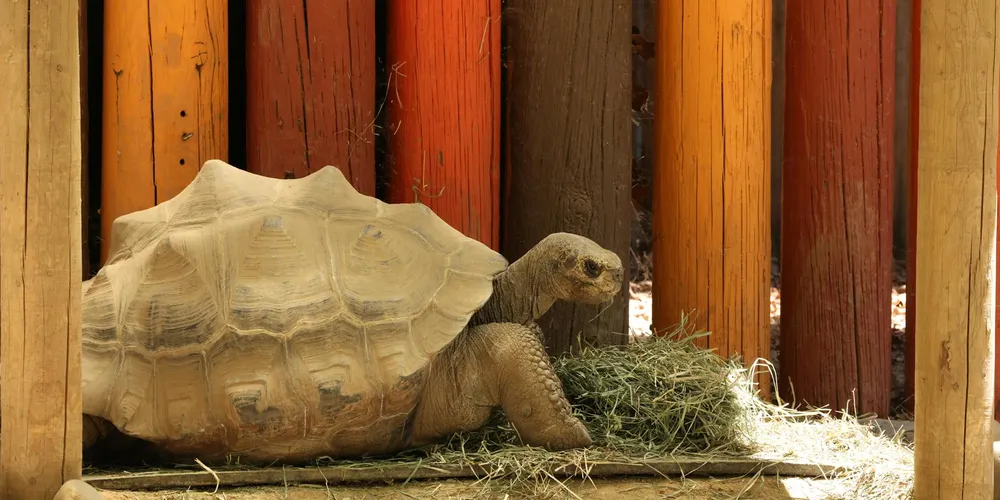
Choosing the Right Lid and Cover
I learned the hard way with my Greek tortoise, Bronte, who once nudged a flimsy lid aside during her curious explorations. A secure, well-fitting lid is your first defense against a turtle’s escape attempts. Opt for heavy-duty mesh or solid covers that lock in place, preventing any gaps. For aquatic setups, use lids designed to handle humidity without warping. My Russian tortoise, Austen, stays content with a sturdy screen top that allows airflow but blocks climbing routes.
Consider materials like acrylic or tempered glass for durability. Always check that the lid is easy to remove for cleaning but hard for your turtle to dislodge. Avoid lightweight plastics that can be pushed open by persistent climbers like my box turtle, Orwell.
- Mesh lids with tight clips for ventilation and security
- Solid covers with built-in locks for heavy or strong turtles
- Custom-fit options to eliminate corner gaps where turtles might pry
Optimizing Tank Walls and Corners
Smooth, vertical walls reduce footholds that encourage climbing. I lined Bronte’s enclosure with seamless acrylic to curb her graceful but determined escapes. Avoid textured surfaces or decorations near the top that act as ladders. Rounded corners are best, as sharp angles give turtles leverage to push against. For outdoor pens, bury walls a few inches deep to prevent digging under.
Regularly inspect for wear or damage. Adding a slight inward lip at the top can deter even the most agile climbers like Orwell. Use non-toxic sealants to smooth any rough edges that might tempt your turtle. When performing a safe shell inspection, handle your turtle gently and check for cracks or soft spots. If you notice anything unusual, consult a reptile veterinarian.
- Choose tanks with smooth, high walls-at least 1.5 times your turtle’s length
- Install barrier strips or guards on corners to block climbing points
- Monitor and adjust setups as your turtle grows or behavior changes
Enhancing Your Turtle’s Environment to Reduce Escape Urges
Proper Temperature and Lighting Zones
Turtles climb when their habitat feels off-balance. Maintaining a warm basking spot around 85-90°F and a cooler area near 75°F helps mimic their natural preferences. I use a combo of UVB and heat lamps for Austen, ensuring he has a cozy spot to soak up rays without overheating. Poor lighting can stress turtles, pushing them to seek better conditions elsewhere. Do turtles need heat lamps and UVB lighting? In short, yes—most turtles need both a heat source for basking and UVB exposure to stay healthy.
Place lamps securely over basking areas. Check temperatures daily with a reliable thermometer to avoid sudden spikes or drops that trigger restlessness. Rotate bulbs every 6-12 months, as UVB output fades over time.
- Basking zone: 85-90°F with direct UVB exposure
- Cool zone: 70-75°F for resting and regulating body heat
- Nighttime drop: Allow a slight decrease but keep it above 65°F
Enrichment and Hiding Spot Strategies
A bored turtle is more likely to attempt escapes. I add driftwood, smooth rocks, and live plants to Bronte’s space, giving her mental stimulation and safe hiding nooks. Rotate toys and rearrange decor monthly to keep things fresh. Hiding spots reduce stress by offering privacy, which I’ve seen calm Orwell’s reserved nature. This is part of my turtle enrichment routine—15 ways to prevent boredom in a tank. Keeping a variety of stimuli helps Bronte stay curious and engaged.
Include items that encourage natural behaviors like digging or foraging. Scatter food in different areas to promote exploration instead of fixating on the tank’s edges. Avoid overcrowding-too much clutter can cause frustration.
- Provide at least two hiding spots per turtle, using caves or plant cover
- Introduce puzzle feeders or floating toys for engagement
- Simulate natural terrain with varied substrates like coconut fiber or sand
Water Quality and Space Requirements
Dirty or cramped conditions often drive climbing behavior. Clean, filtered water is essential-I change 25% of Austen’s aquatic section weekly to keep it pristine. Test pH and ammonia levels regularly; imbalances can irritate turtles, making them seek escape. Ensure the water depth allows swimming without struggle, and include a dry land area for basking. Use a quick habitat diagnostic checklist to confirm lighting, heat, and water meet your turtle’s needs. Regular checks help you spot and fix issues before they affect health.
Aim for a tank size that gives your turtle room to roam. As a rule, provide 10 gallons of water per inch of shell length, plus ample land space. Overcrowding stresses turtles, so upgrade enclosures as they grow.
- Water quality: pH 6.5-8.0, ammonia at 0 ppm, with a good filter
- Space: Minimum 40-gallon tank for small turtles, larger for adults
- Land-to-water ratio: About 30% dry area for most species
When to Seek Veterinary Care for Climbing Behavior

Sometimes, climbing signals underlying health issues. If your turtle shows signs like lethargy, loss of appetite, or repetitive circling, consult a vet promptly. I once noticed Orwell acting unusually restless, and a check-up revealed a minor infection that needed treatment. Respiratory problems or parasites can cause discomfort, leading to escape attempts.
Watch for changes in climbing patterns. Sudden, frantic climbing paired with weight loss or shell abnormalities warrants professional evaluation. Regular vet visits help catch problems early, ensuring your turtle stays healthy and content in its home. Consider a quick monthly health check to look for these signs. If anything seems off, schedule a visit with your vet.
- Seek care for persistent climbing with other symptoms like wheezing or diarrhea
- Schedule annual check-ups to monitor overall health and behavior
- Discuss environmental adjustments with your vet if climbing continues despite habitat improvements
FAQs
Why is my turtle climbing out of its box?
This often happens because the box is too small or lacks essential features like hiding spots and proper substrate. Upgrading to a secure, spacious enclosure can reduce stress and prevent escape attempts.
What does it mean when a turtle climbs out of a briefcase?
This is typically a symbolic or viral image representing a turtle’s natural urge to escape confinement. In practice, briefcases are unsafe and should never be used as enclosures for turtles.
Is there a popular GIF of a turtle climbing out of a briefcase?
Yes, such GIFs circulate online and humorously depict a turtle’s persistence. Remember that real-life climbing from containers can lead to injuries and requires a proper habitat setup.
Why is my turtle trying to climb out of its box inside my house?
Your turtle likely feels cramped or stressed in a small, temporary box indoors. Provide a larger tank with enrichment to mimic its natural environment and curb this behavior.
What advice do Reddit users give for turtles climbing out of boxes?
Reddit communities often recommend switching to a well-sized tank with a secure lid and adding hides or toys. They stress that boxes are inadequate and can cause health issues from falls or stress.
Finding Peace for Your Climbing Turtle
Focus on creating a secure and stimulating environment that meets your turtle’s natural needs to discourage escape attempts. By addressing factors like habitat size, temperature, and enrichment, you can help your turtle feel more at home and less inclined to climb. A bio-secure setup helps prevent disease and keeps your pet thriving. Maintain cleanliness, quarantine new items, and minimize exposure to contaminants to sustain a healthy, bio-secure environment for your turtle.
Responsible turtle ownership involves a commitment to continuous learning and adapting to your pet’s behaviors over time. Drawing from my experiences with turtles like Bronte, I encourage you to stay curious and proactive in providing the best care for your shelled friend.
Further Reading & Sources
- Why Does My Turtle Keep Trying to Escape | TikTok
- Why Is My Turtle Trying to Escape? Here Is What to Do – TurtleOwner.com
- Why Is My Turtle Trying To Escape? An In-Depth Look At Turtle Behavior – Berry Patch Farms
- Turtle behavior is a neurotic way to avoid life. – Self Coaching | Dr. Joe
Matthew is a dedicated turtle enthusiast and conservationist with over 15 years of experience in reptile care. Known affectionately as "The Leatherback" among his peers, he combines his passion for turtles with a commitment to educating pet owners on responsible turtle care and environmental stewardship.
Understanding Turtle Behavior